
Field guide · common
Eastern Blue-tongued Skink
Chunky lizard, startling blue tongue — Australia’s friendliest garden skink.
Least Concern
Tiliqua scincoides
Overview
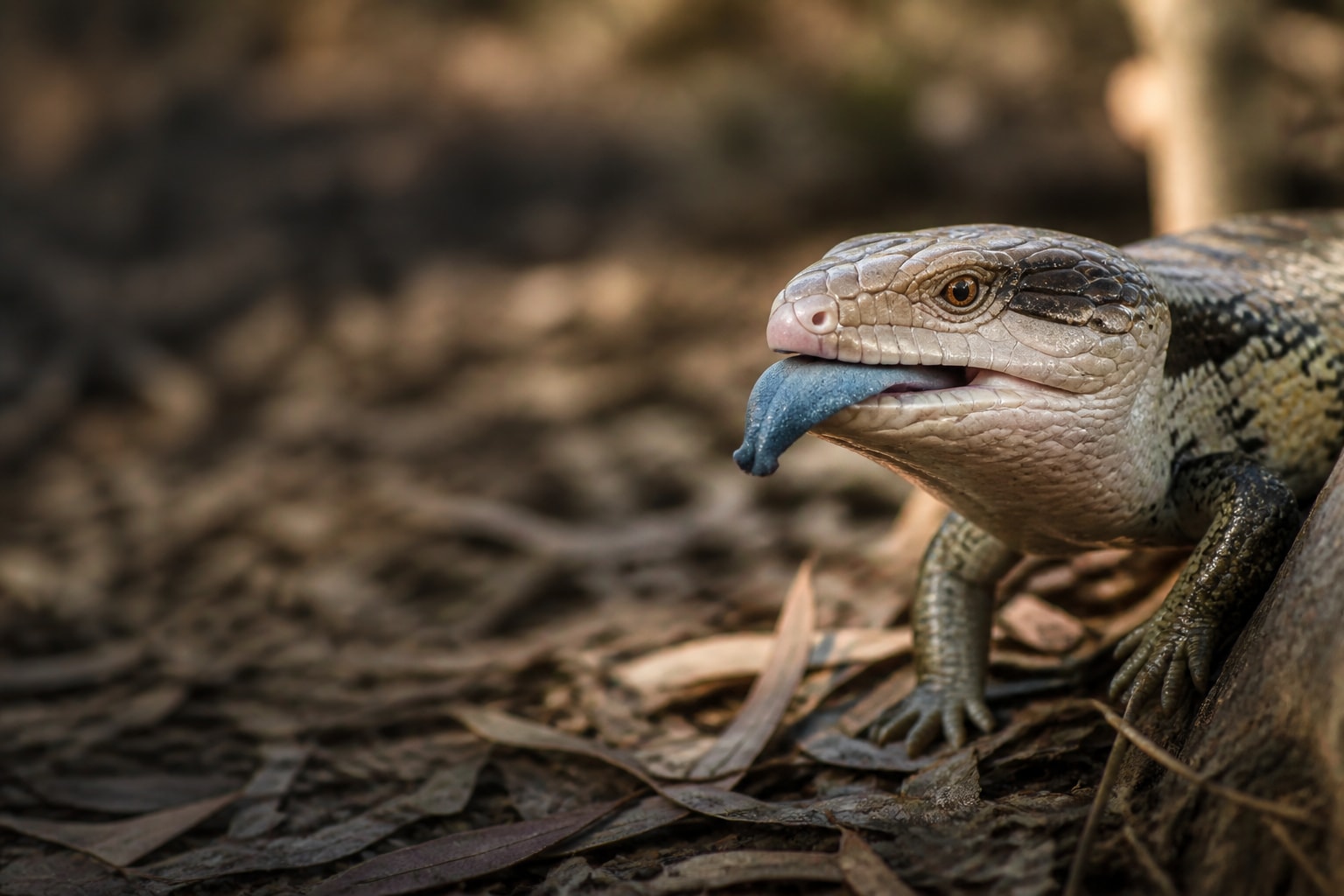
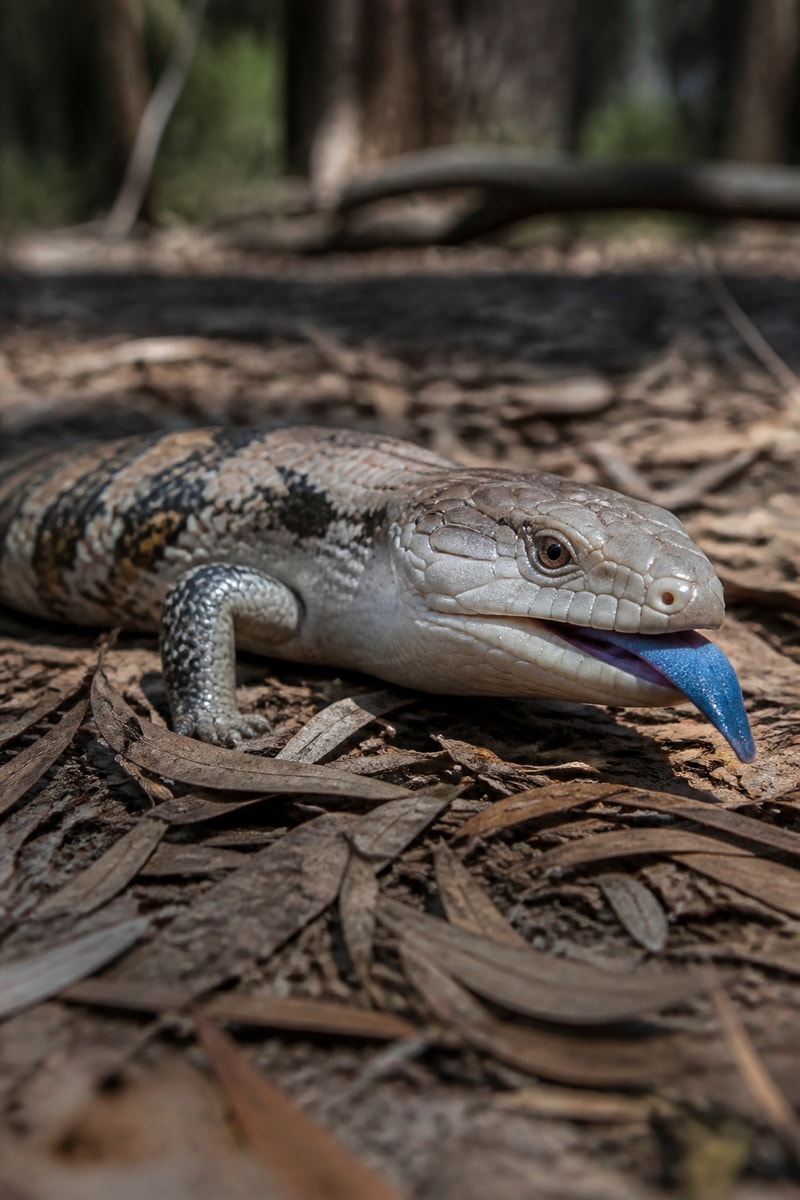
Eastern blue-tongued skinks are large, slow-moving lizards with bold bands and a startling cobalt tongue flashed as a bluff. They waddle through leaf litter and suburban gardens hunting snails, insects, and soft plant matter.
For Australia collectors, the blue-tongue is a common backyard classic — thick-bodied, tongue-flash defence, and a favourite find under timber and compost.
- Scientific nameTiliqua scincoides
- Length40–60 cm total
- Weight300–600 g
- LifespanAround 15–20 years in the wild
- DietOmnivore
- ConservationLeast Concern
- RegionEastern Australian Gardens
Where to see them
Habitat
- Suburban garden
- Open woodland
- Grassland edge
- Leaf-litter cover
Open woodland, grassland, and suburban gardens of eastern and northern Australia, sheltering under logs, rocks, and debris by day.
Field notes
Field scale for the Eastern Blue-tongued Skink: length around 40-60 cm total; weight 300-600 g. Typical lifespan: Around 15-20 years in the wild.
When you are scanning habitat, prioritise suburban garden, open woodland, grassland edge, and leaf-litter cover. Those settings are where a clean look and a usable photo are most likely.
Quick ID anchor: Large robust skink with pale and dark cross-bands and a broad triangular head. Confirm with behaviour and habitat before you log the discovery.
Diet
Omnivores taking snails, beetles, caterpillars, flowers, berries, and soft vegetation.
Forage slowly through leaf litter and garden edges.
Behaviour
Diurnal baskers that retreat under cover when cool or threatened.
Hiss and display the blue tongue rather than flee at first alarm.
How to identify
Large robust skink with pale and dark cross-bands and a broad triangular head.
Vivid blue tongue and pink mouth lining shown in threat displays.
Interesting facts
- 01
Bright blue tongue is flashed to startle predators.
- 02
Live-bearing — young are born fully formed, not in eggs.
- 03
Diet mixes snails, insects, flowers, and soft fruit.
- 04
Thick body and short legs give a slow, waddling gait.
- 05
Often welcome in gardens for eating pest snails.
- 06
Can drop the tail if seized, though less readily than some skinks.
Conservation status
Eastern blue-tongued skinks are Least Concern and remain common in many suburban areas. Dogs, cats, lawn chemicals, and habitat tidy-ups reduce local numbers.
Sources: IUCN Red List

Keep exploring
Related discoveries
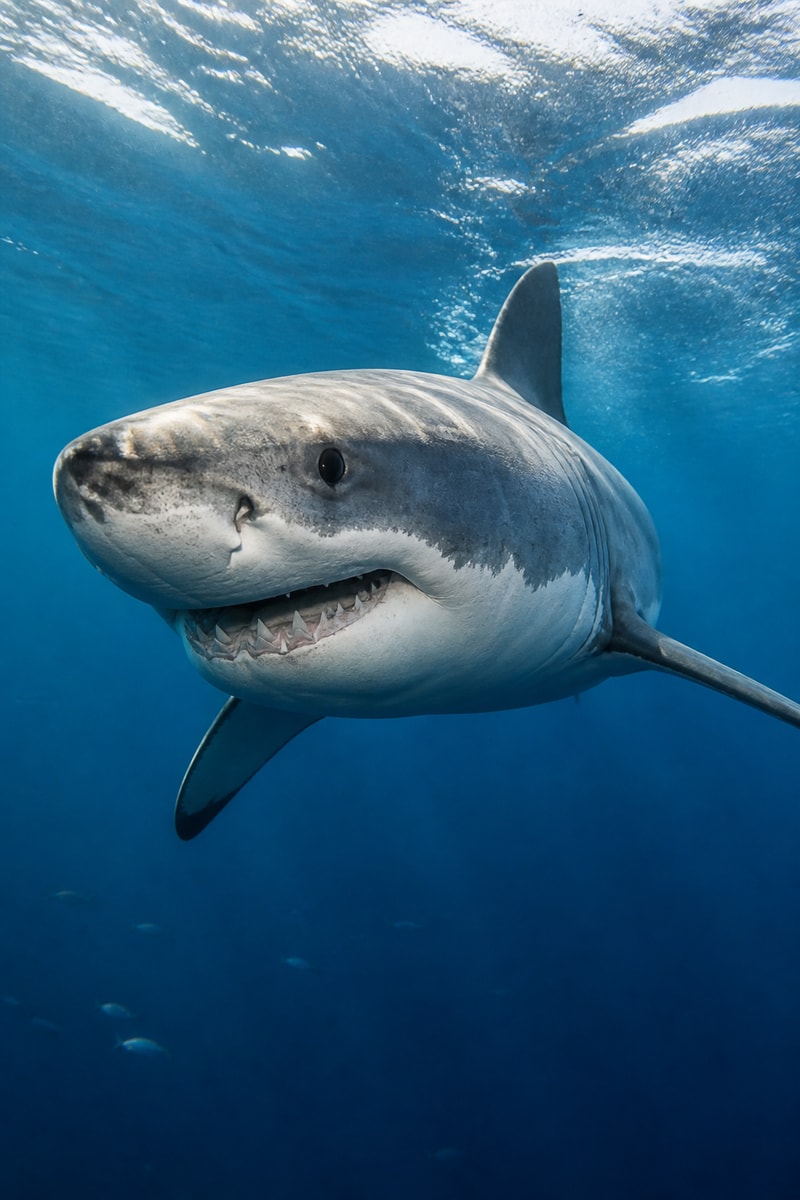
- Great White Sharklegendary • Coastal Ocean
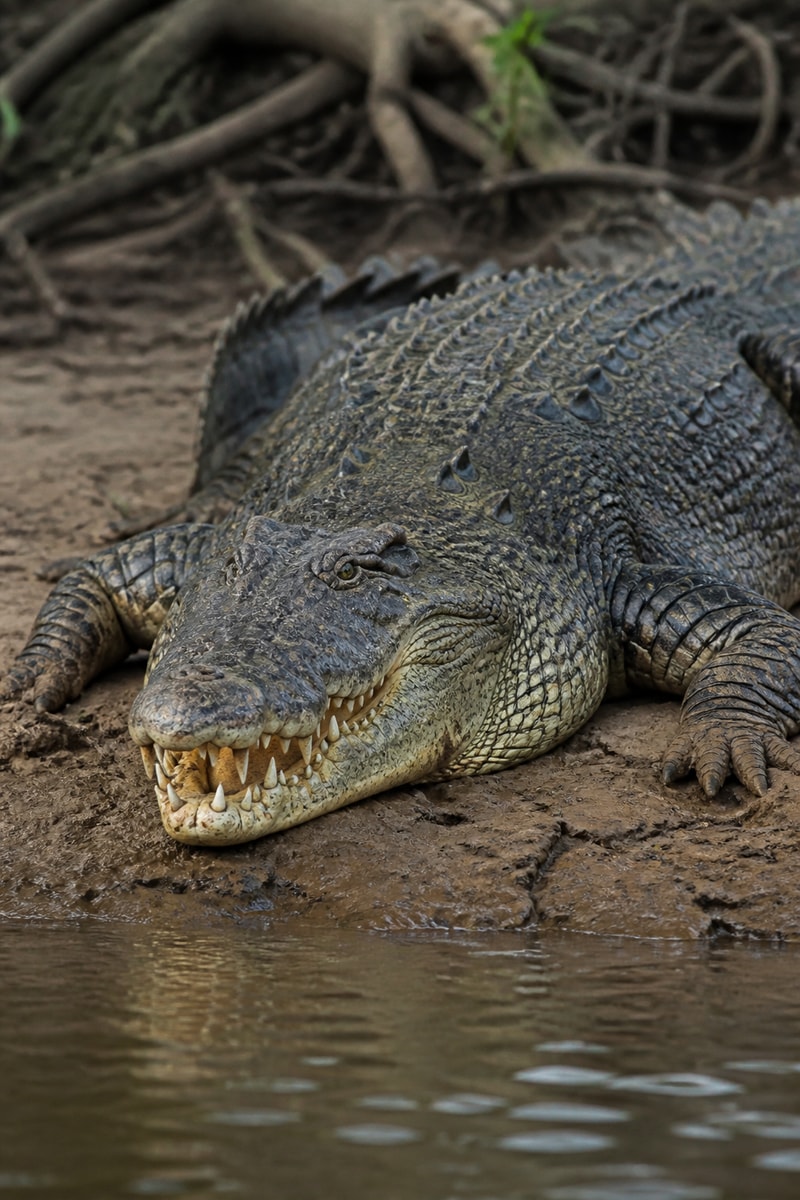
- Saltwater Crocodilelegendary • Estuaries & Coast
- Orcalegendary • Coastal Ocean
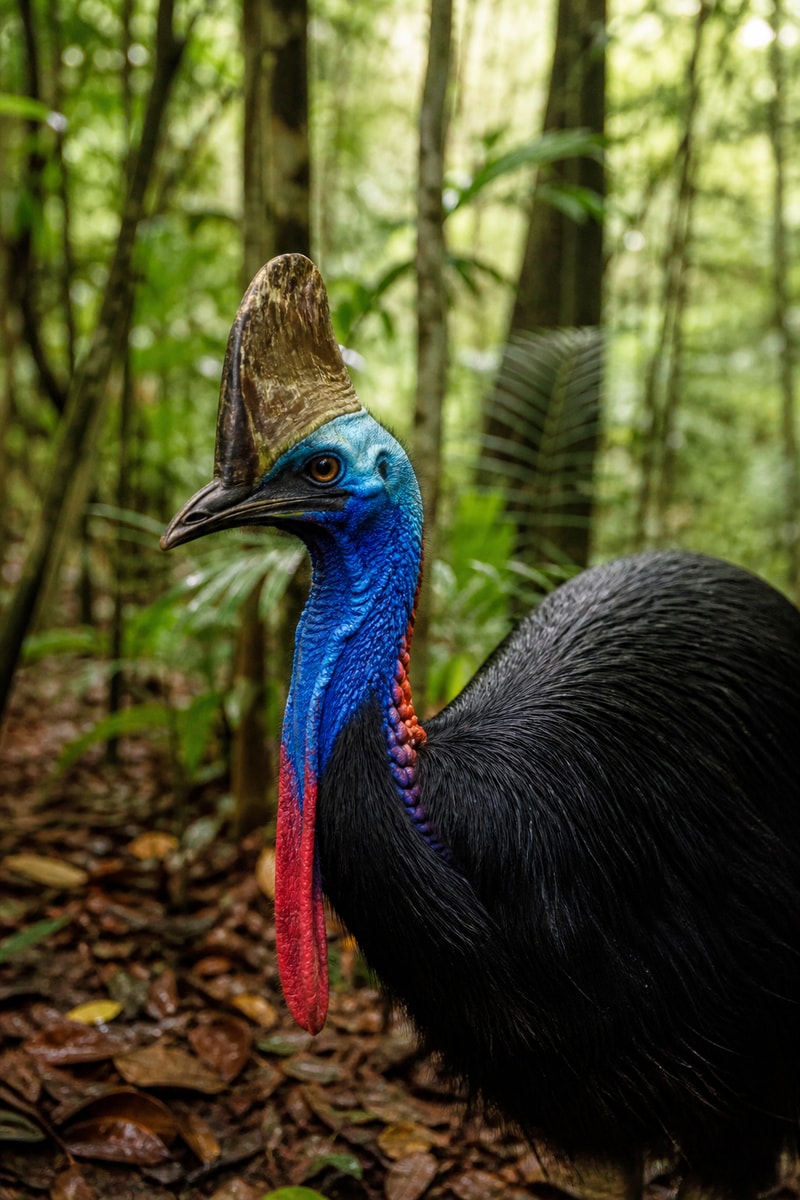
- Southern Cassowarylegendary • Rainforest
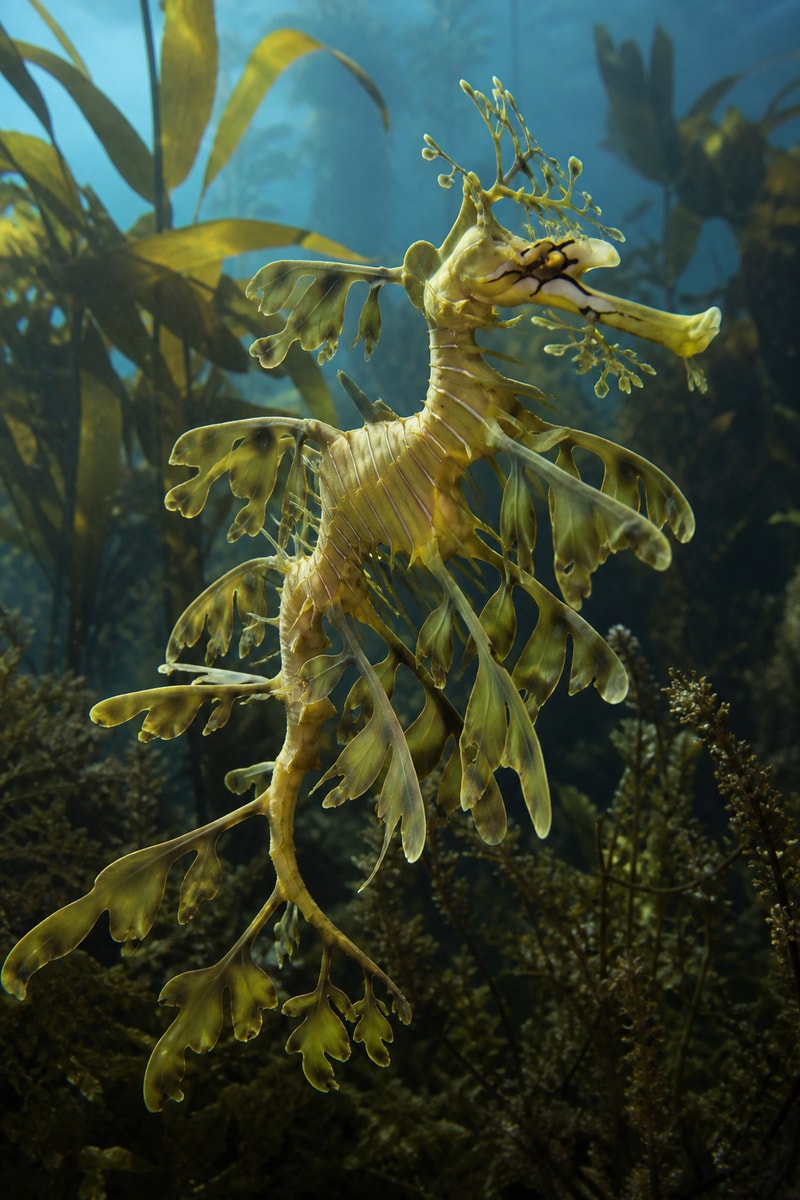
- Leafy Sea Dragonlegendary • Kelp & Seagrass
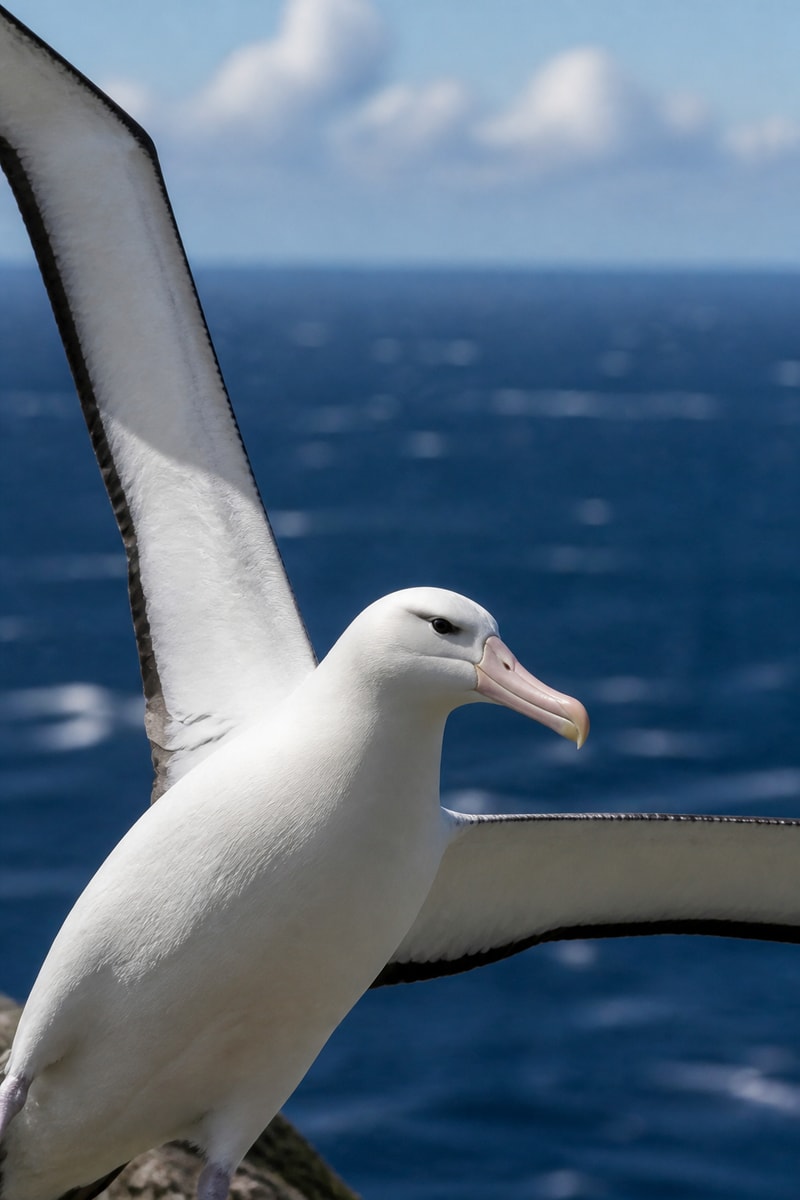
- Wandering Albatrosslegendary • Southern Ocean Skies
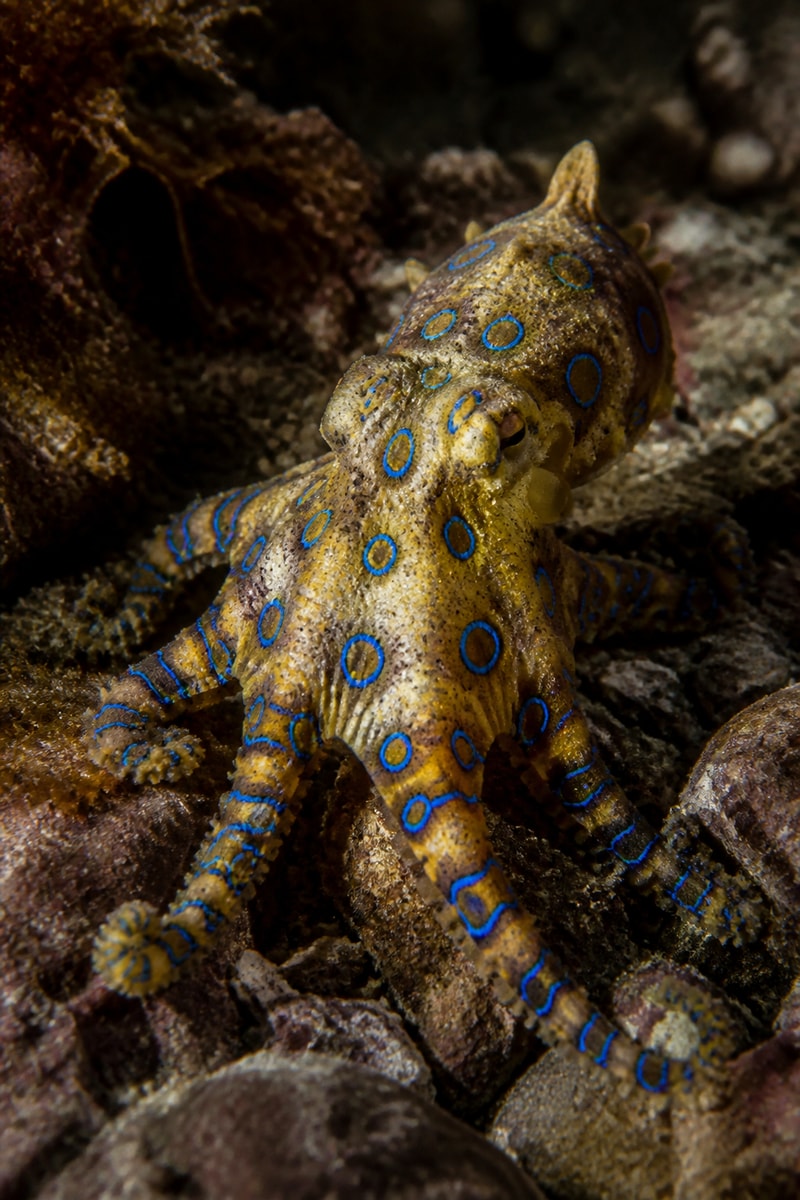
- Southern Blue-ringed Octopuslegendary • Southern Australian Reefs
- Koalarare • Eucalyptus Forest
Free on iOS
Catch the Eastern Blue-tongued Skink
Spot one in the wild, then scan it in Catch'Um to log your common discovery.