
Field guide · rare
Amazon River Dolphin
The pink dolphin of the Amazon — flexible neck, long snout, and a colour that turns river myths into fact.
Endangered
Inia geoffrensis
Overview
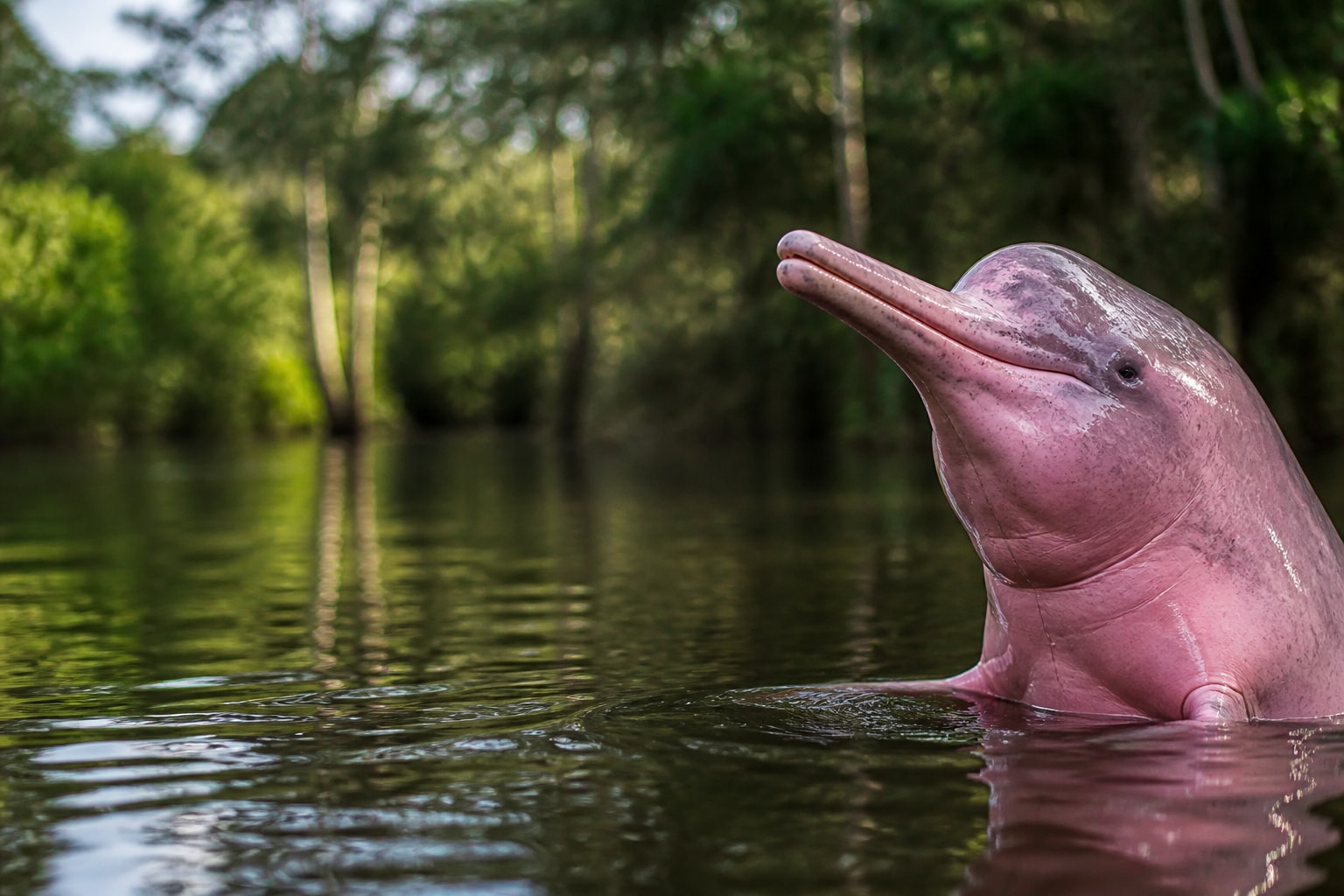
Amazon river dolphins, or botos, are freshwater dolphins famous for rosy pink adults, bulbous melons, and necks that bend more freely than oceanic dolphins. They hunt in murky rivers by echolocation, weaving among flooded forest trunks in high water.
For Brazil collectors, a pink dorsal ridge cutting the várzea is an unforgettable Amazon card.
- Scientific nameInia geoffrensis
- Length2–2.5 m
- Weight100–160 kg
- LifespanAround 20–30 years estimated
- DietFish of many species
- ConservationEndangered
- RegionAmazon Rivers
Where to see them
Habitat
- Rivers
- Flooded forest
- Oxbow lakes
Main rivers, tributaries, and flooded forest of the Amazon and Orinoco basins, moving with seasonal flood pulses.
Field notes
Field scale for the Amazon River Dolphin: length around 2-2.5 m; weight 100-160 kg. Typical lifespan: Around 20-30 years estimated.
When you are scanning habitat, prioritise rivers, flooded forest, and oxbow lakes. Those settings are where a clean look and a usable photo are most likely.
Quick ID anchor: Stocky freshwater dolphin with a long thin snout, lumpy melon, and low dorsal ridge instead of a tall fin. Confirm with behaviour and habitat before you log the discovery.
Where to see one
Brazil
In Brazil, start at Amazon Rainforest (Amazonas). Riverboat journeys through flooded forest, with pink dolphins, sloths, and more species than anywhere else on Earth.
More context on this destination lives on the Brazil expedition page.
Diet
Fish of many species, plus crabs and turtles taken in rivers and flooded forest.
Hunt alone or in small groups using echolocation.
Behaviour
Usually found in small numbers rather than big ocean-style pods.
Surface quietly; spyhop and roll in calm backwaters.
How to identify
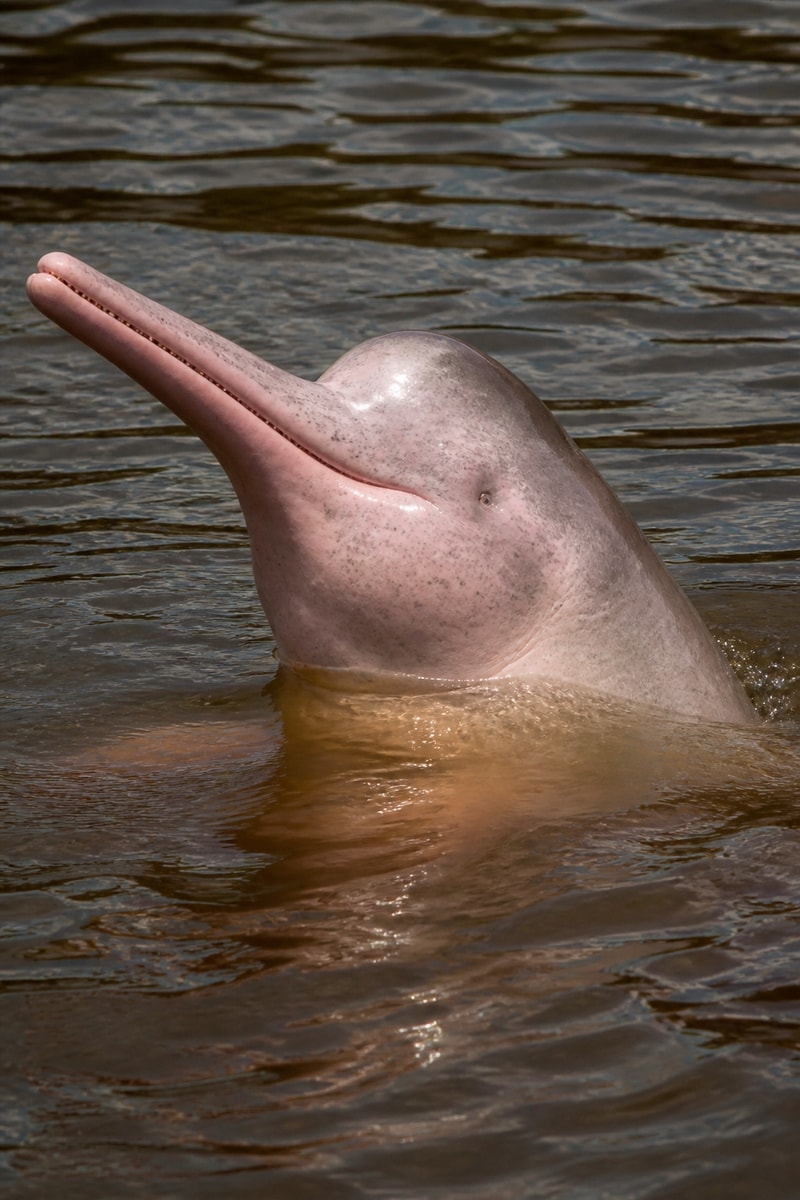
Stocky freshwater dolphin with a long thin snout, lumpy melon, and low dorsal ridge instead of a tall fin.
Grey calves; adults often flushed pink.
Interesting facts
- 01
Adults often turn pinker with age and activity.
- 02
Unlike most dolphins, they can turn their necks laterally.
- 03
They use echolocation to hunt in muddy water.
- 04
Long snouts help snatch fish among submerged roots.
- 05
Flooded forest seasons expand their hunting grounds.
- 06
Local legends often feature the boto as a shapeshifter.
Conservation status
Amazon river dolphins are Endangered. Dams, fishing bycatch, pollution, and intentional killing threaten populations. Protecting free-flowing Amazon tributaries is critical.
Sources: IUCN Red List
Common questions
- What is an Amazon river dolphin?
- Also called the boto or pink river dolphin, it is a freshwater dolphin of the Amazon and Orinoco basins, famous for its long snout and pinkish adult colour.
- Where do Amazon river dolphins live?
- They inhabit rivers, flooded forest, and tributaries across the Amazon and Orinoco systems in countries including Brazil, Peru, Colombia, and neighbouring Amazonian states.
- Why are Amazon river dolphins pink?
- Adults — especially males — often show pink skin from scarring, blood vessels near the surface, and age. Calves are usually greyer.
Keep exploring
Related discoveries
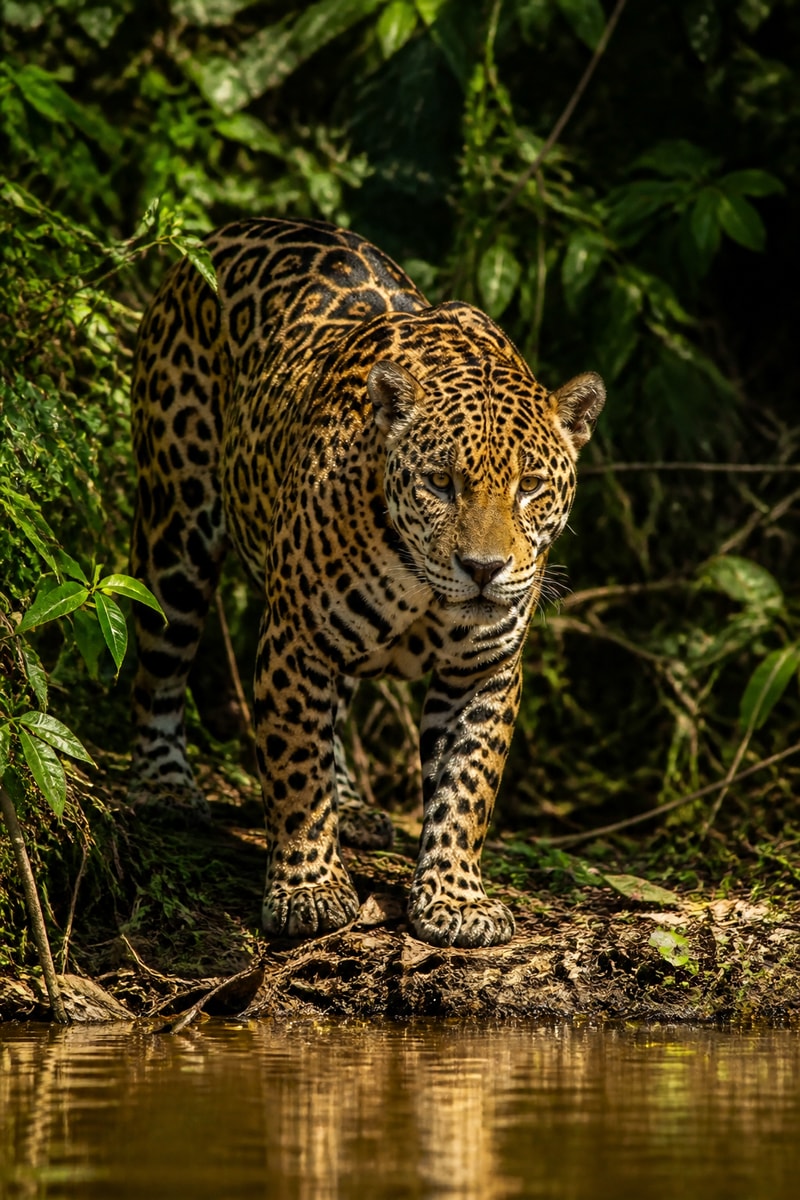
- Jaguarlegendary • Rainforest & Wetland
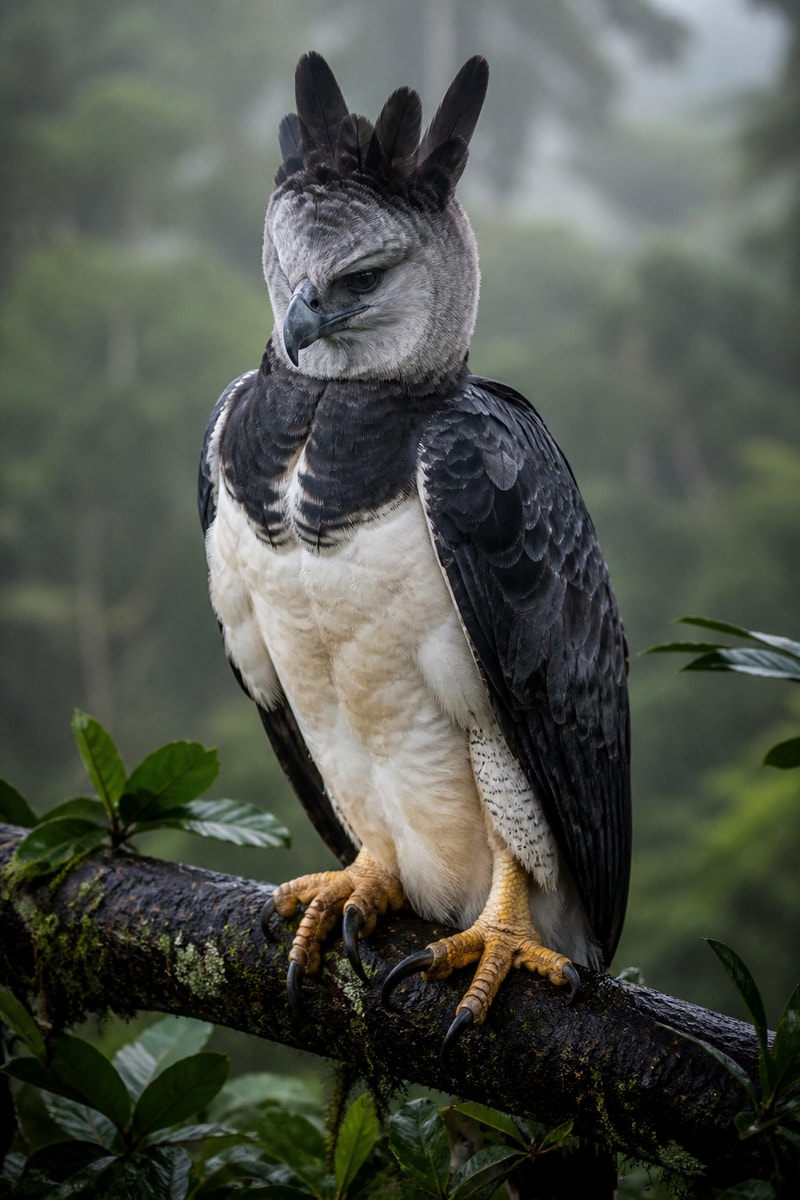
- Harpy Eaglelegendary • Rainforest Canopy
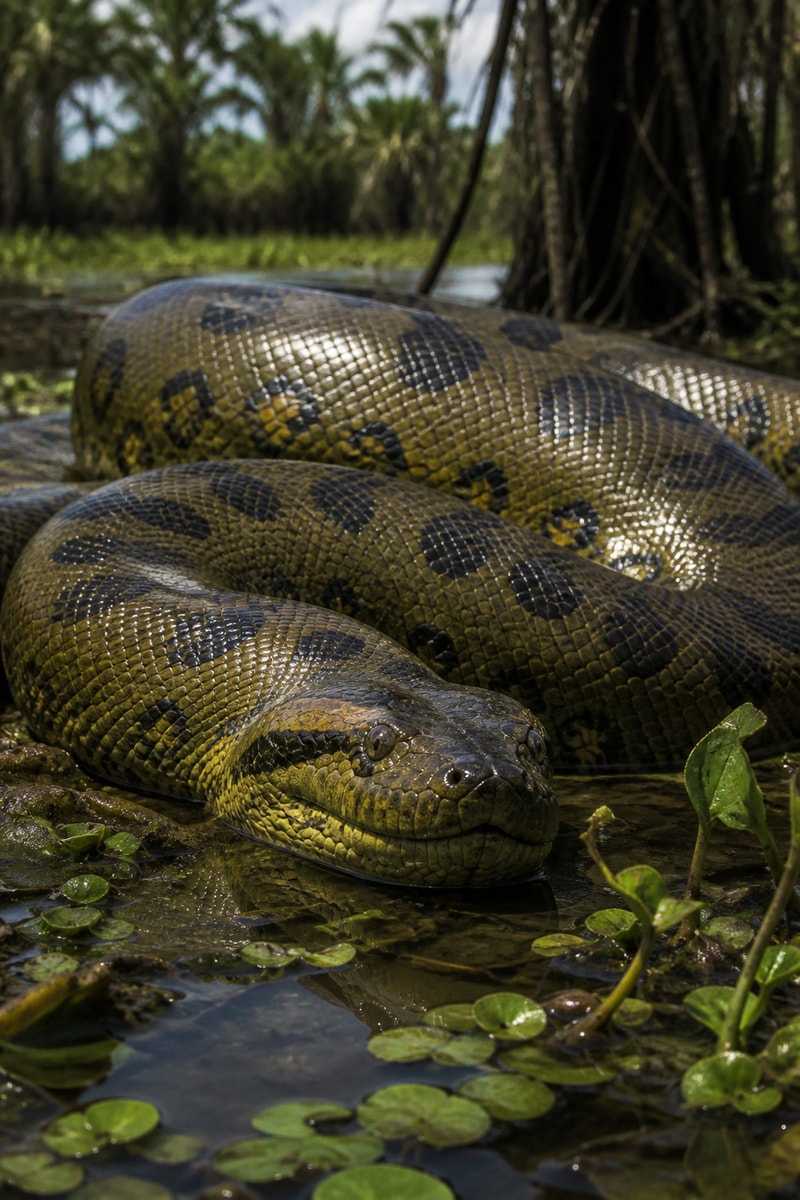
- Green Anacondalegendary • Wetlands & Rivers
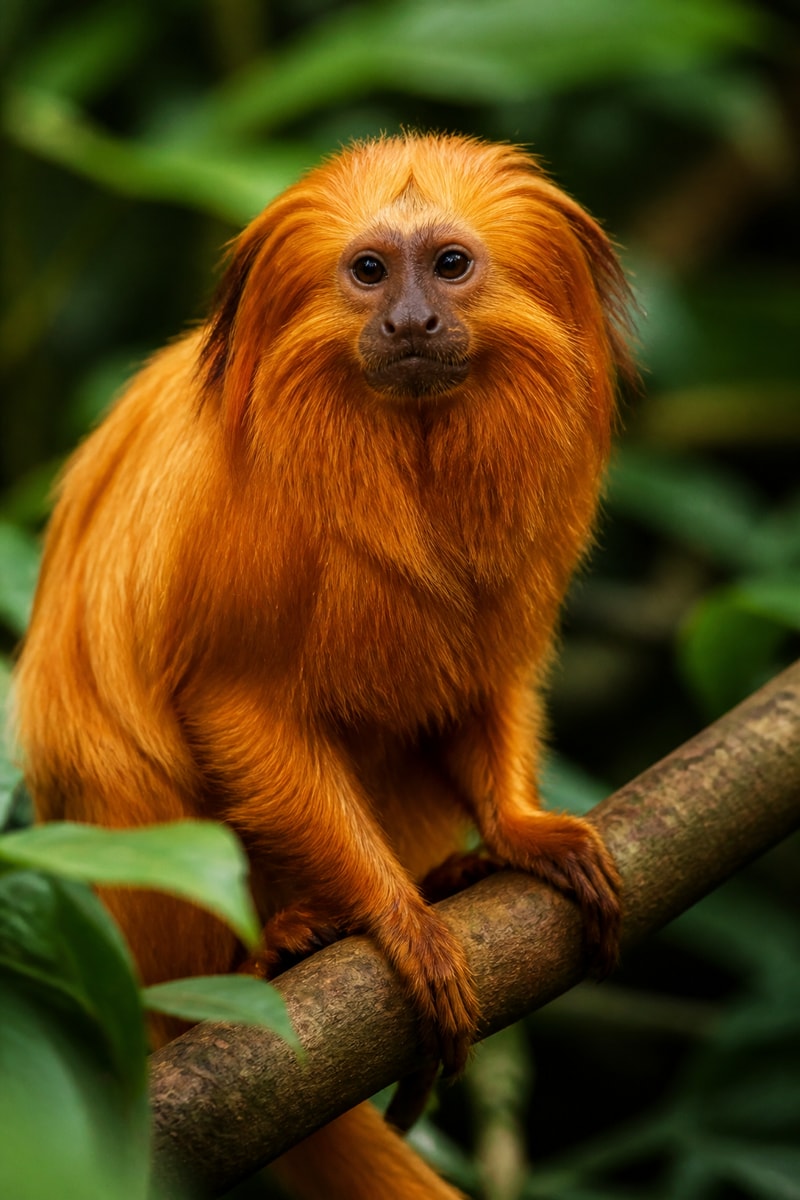
- Golden Lion Tamarinlegendary • Atlantic Forest Canopy
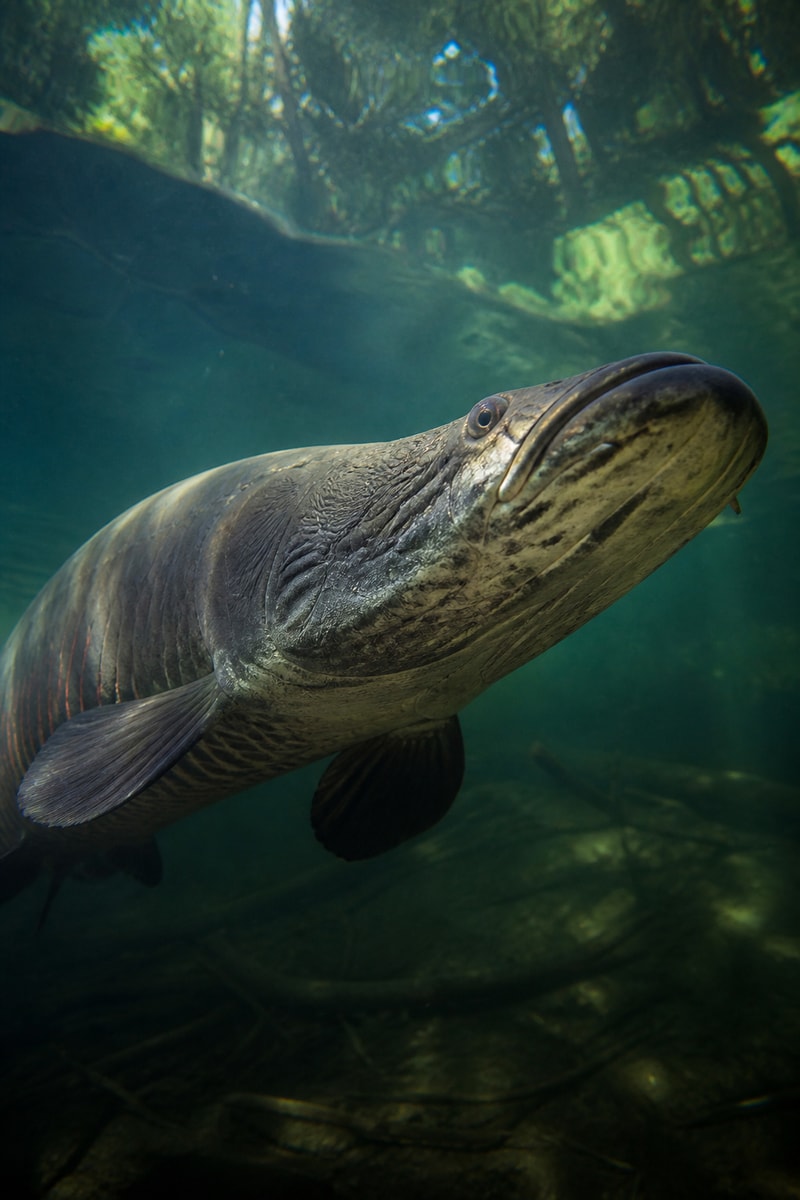
- Arapaimalegendary • Amazon Floodplain
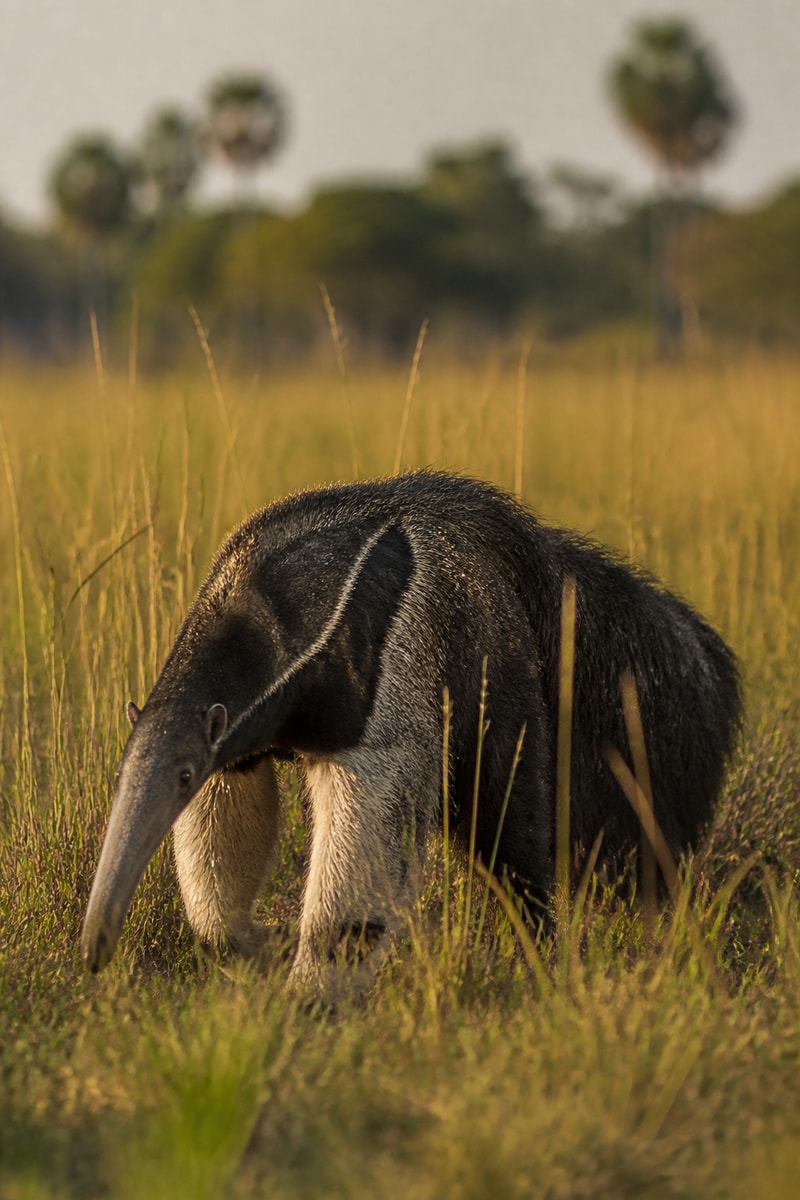
- Giant Anteaterrare • Grassland & Forest
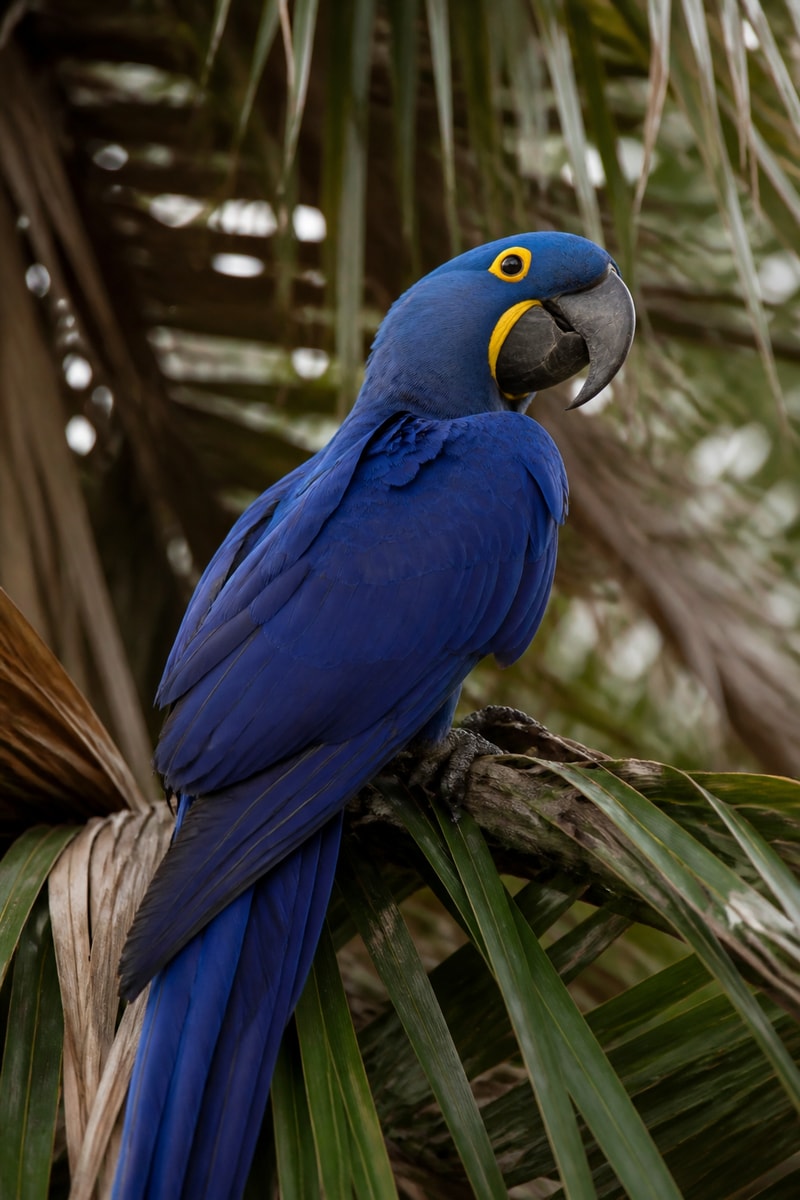
- Hyacinth Macawrare • Wetland & Palm Savanna
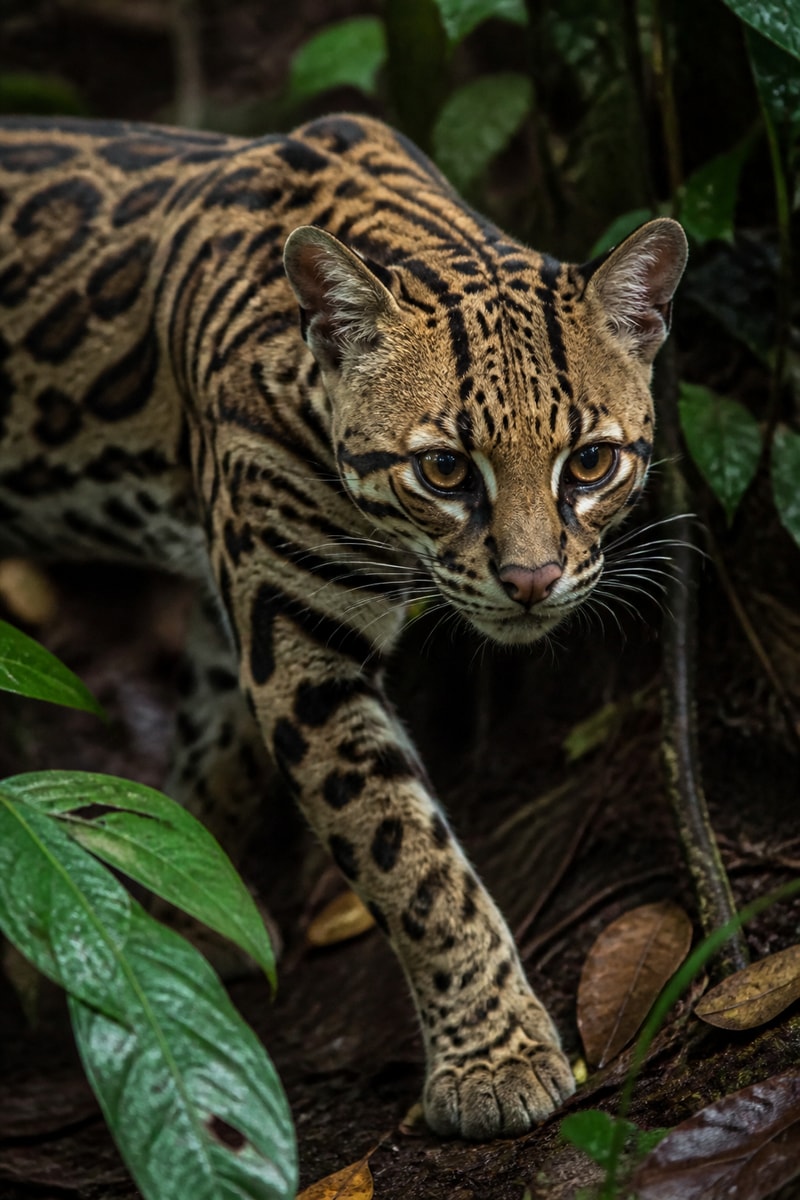
- Ocelotrare • Neotropical Forest
Free on iOS
Catch the Amazon River Dolphin
Spot one in the wild, then scan it in Catch'Um to log your rare discovery.