
Field guide · rare
Maned Wolf
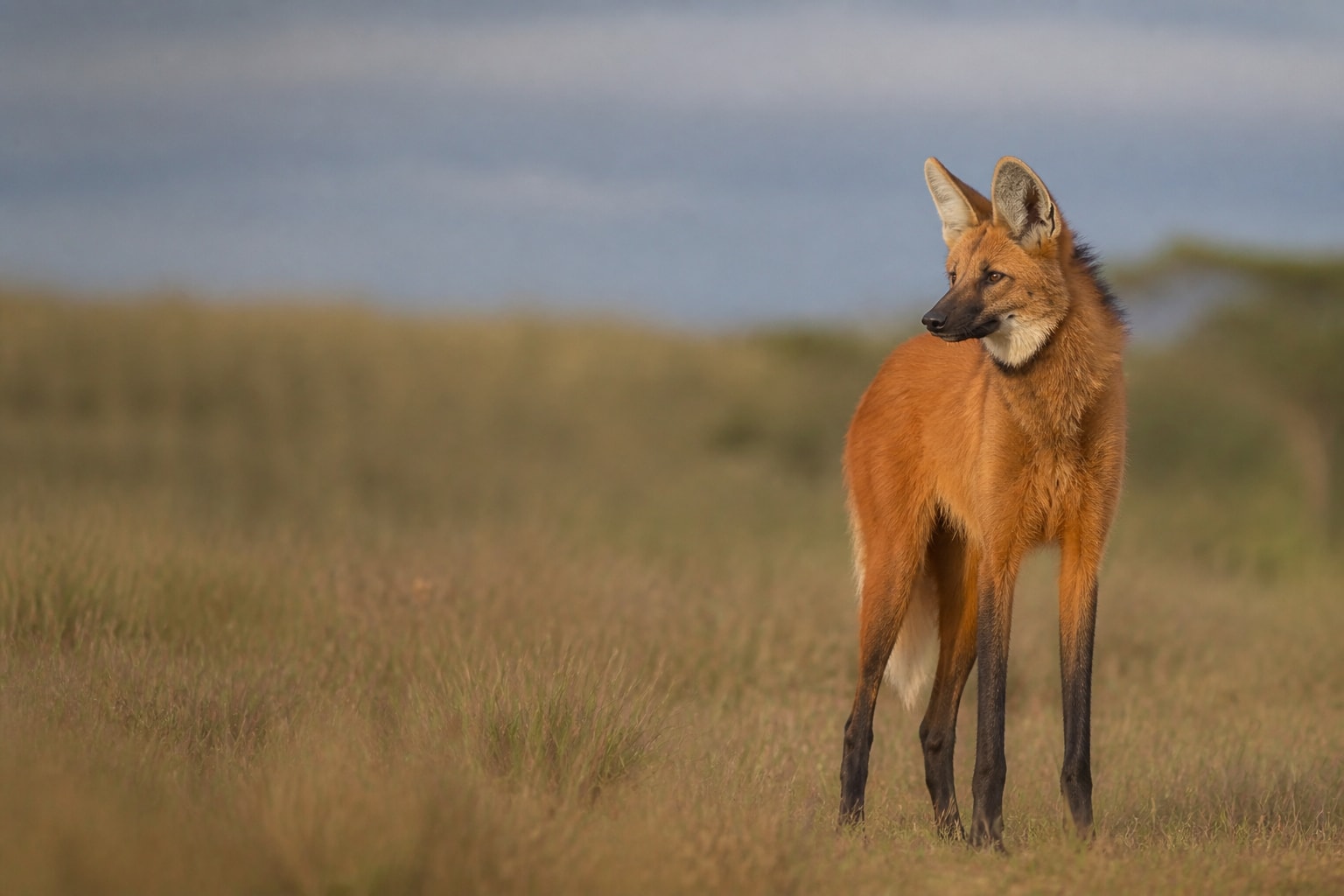
A fox on stilts — Brazil's long-legged canid of the open cerrado.
Near Threatened
Chrysocyon brachyurus
Overview
Maned wolves look like oversized red foxes on stilts. They roam South American grasslands and scrub, taking fruit and small prey rather than hunting in packs like true wolves.
For Brazil collectors, a maned wolf at dusk in the cerrado is a rare South American icon — tall, shy, and unmistakable.
- Scientific nameChrysocyon brachyurus
- Length100–125 cm body; tall at shoulder ~90 cm
- HeightAround 90 cm at shoulder
- Weight20–30 kg
- LifespanAround 10–12 years in the wild
- DietOmnivore
- ConservationNear Threatened
- RegionCerrado Grassland
Where to see them
Habitat
- Cerrado
- Grassland
- Marsh edge
Open grassland, cerrado savanna, and marsh edges of central South America, especially Brazil, with tall cover for resting and fruiting plants such as lobeira.
Field notes
Field scale for the Maned Wolf: length around 100-125 cm body; tall at shoulder ~90 cm; height Around 90 cm at shoulder; weight 20-30 kg. Typical lifespan: Around 10-12 years in the wild.
When you are scanning habitat, prioritise cerrado, grassland, and marsh edge. Those settings are where a clean look and a usable photo are most likely.
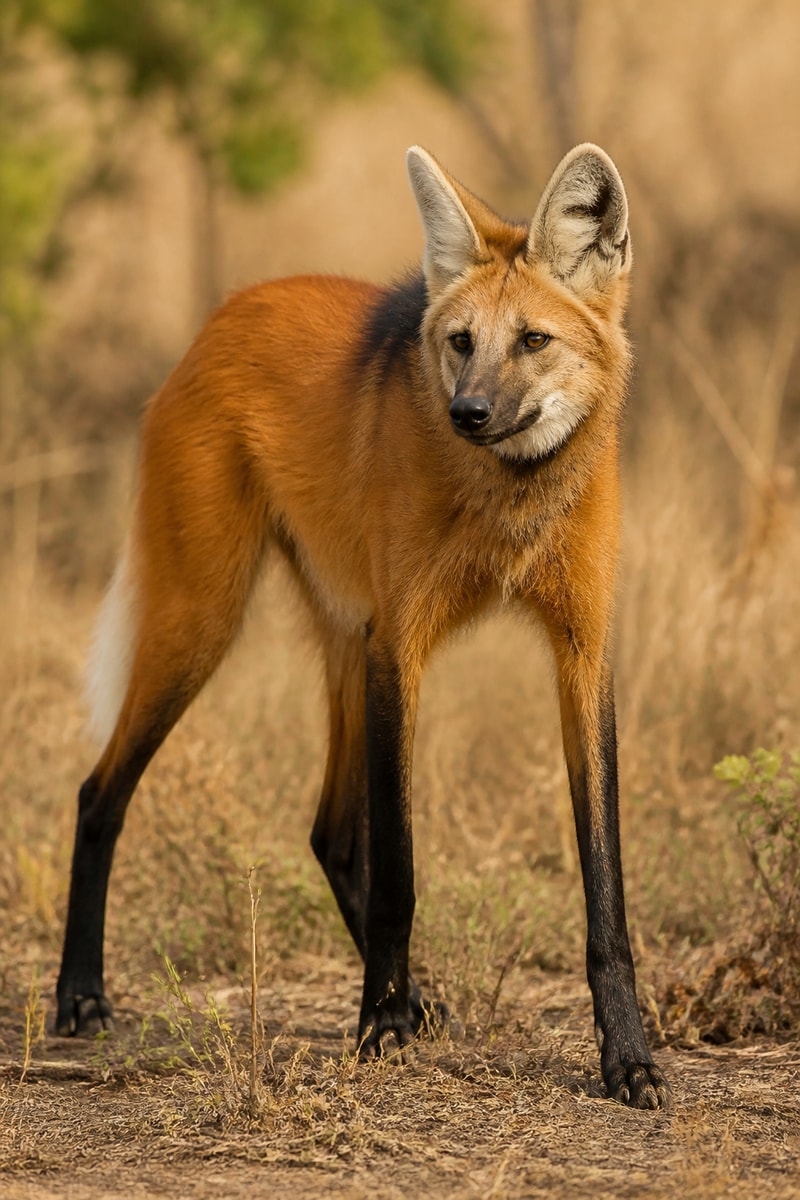
Quick ID anchor: Golden-red coat, long black legs, black mane along the neck, and large erect ears. Confirm with behaviour and habitat before you log the discovery.
Where to see one
Brazil
In Brazil, start at Pantanal (Mato Grosso do Sul). The world's largest tropical wetland, with capybaras, jaguars, hyacinth macaws, and giant otters in open savanna.
More context on this destination lives on the Brazil expedition page.
Diet
Omnivores eating rodents, birds, insects, and substantial fruit — especially wolf apple (Solanum lycocarpum).
Forage alone, often at dusk and night, across open fields.
Behaviour
Mostly solitary; monogamous pairs may occupy overlapping ranges.
Mark with strong-smelling urine; communicate with roar-barks.
How to identify
Golden-red coat, long black legs, black mane along the neck, and large erect ears.
White throat patch and bushy black-tipped tail; fox-like face on a tall frame.
Interesting facts
- 01
Tallest wild canid, with very long black legs.
- 02
Not a true wolf — closer to a unique South American lineage.
- 03
Diet mixes small animals with large amounts of fruit.
- 04
The lobeira (wolf apple) is a favourite plant food.
- 05
Mostly solitary; pairs may share a territory.
- 06
Roar-barks carry far across open country.
Conservation status
Maned wolves are Near Threatened. Conversion of cerrado to agriculture, roadkill, and disease from domestic dogs reduce numbers. Protected grasslands in Brazil are vital.
Sources: IUCN Red List



Keep exploring
Where it lives
Related discoveries
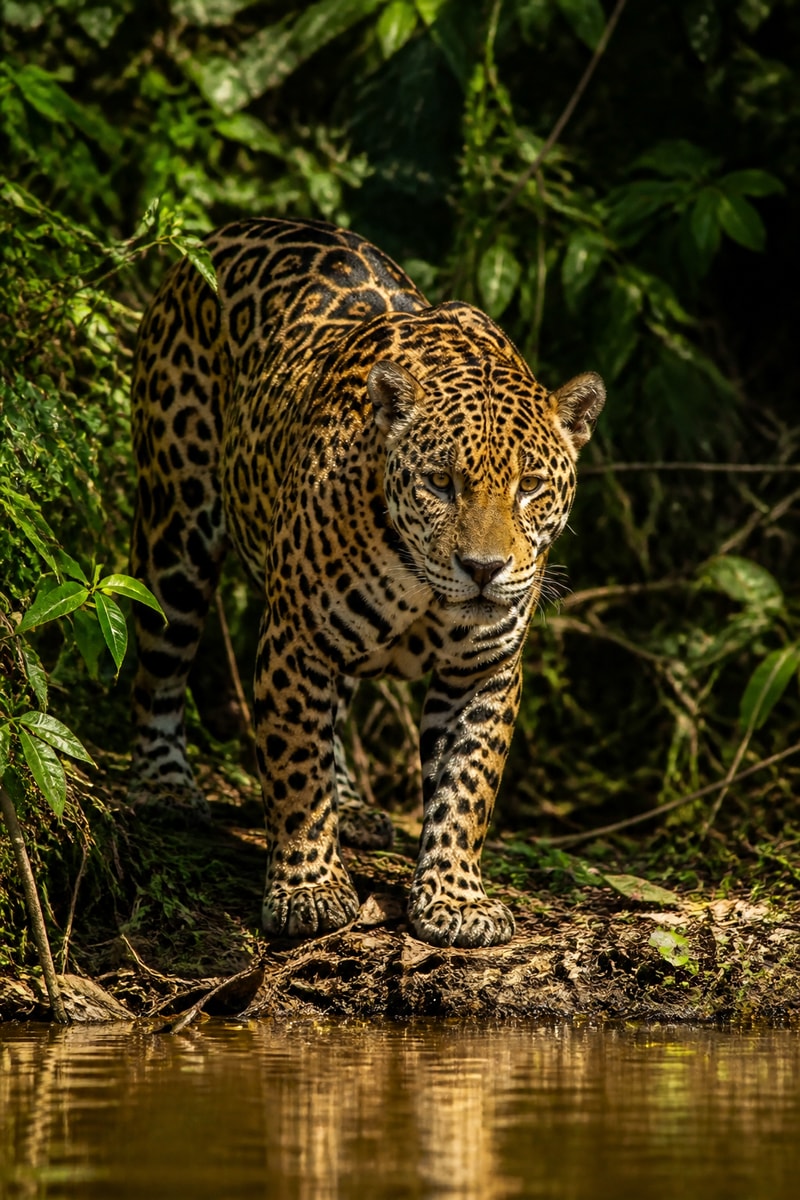
- Jaguarlegendary • Rainforest & Wetland
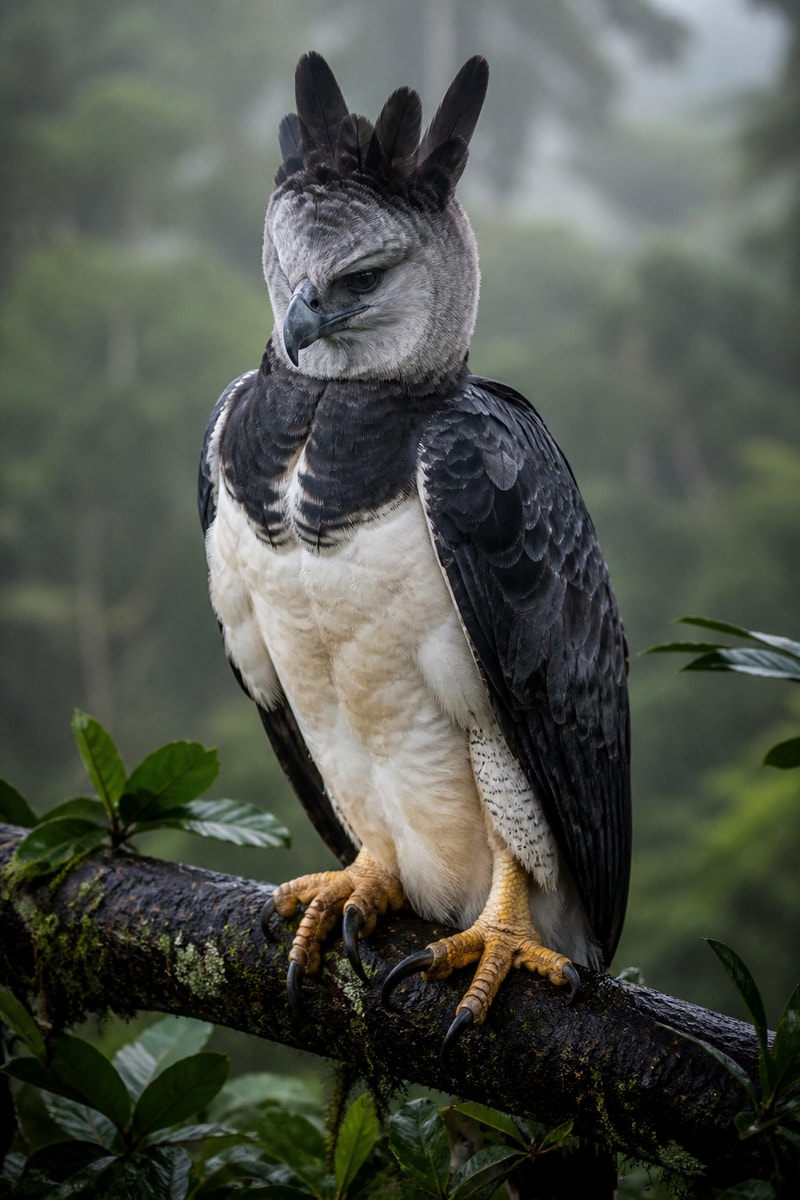
- Harpy Eaglelegendary • Rainforest Canopy
- Green Anacondalegendary • Wetlands & Rivers
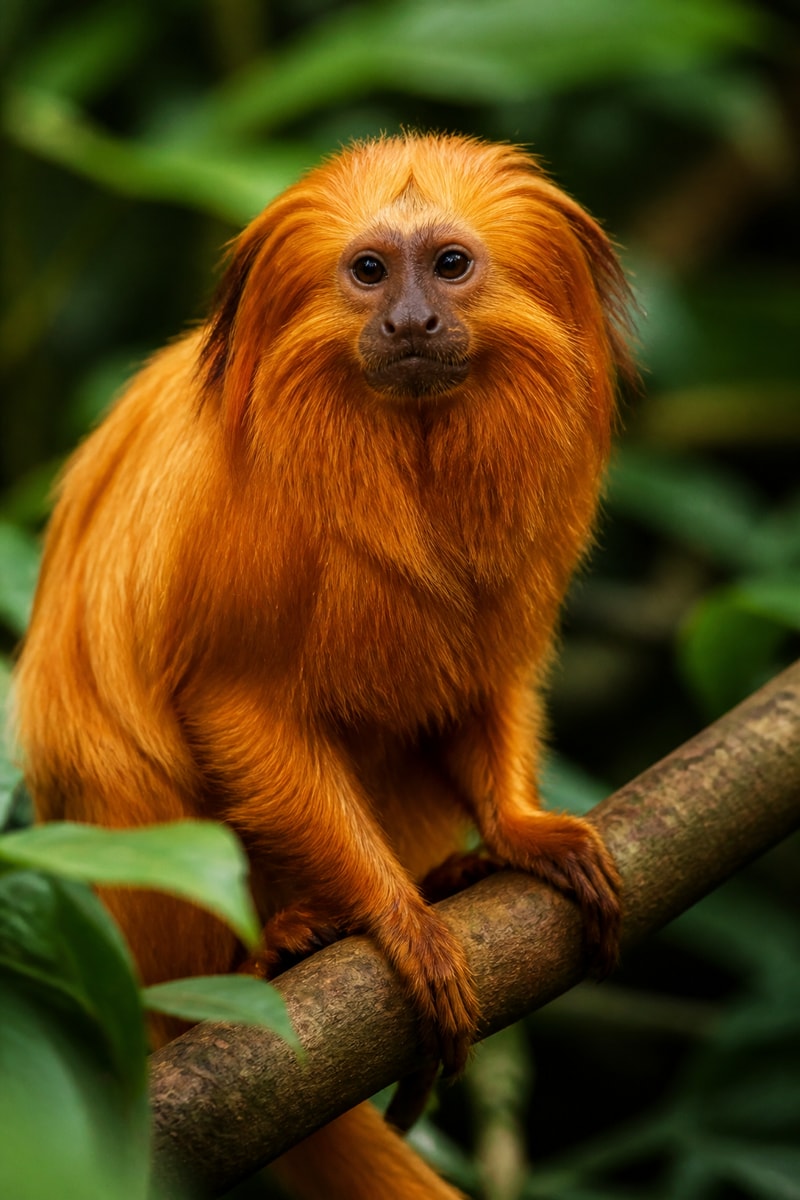
- Golden Lion Tamarinlegendary • Atlantic Forest Canopy
- Arapaimalegendary • Amazon Floodplain
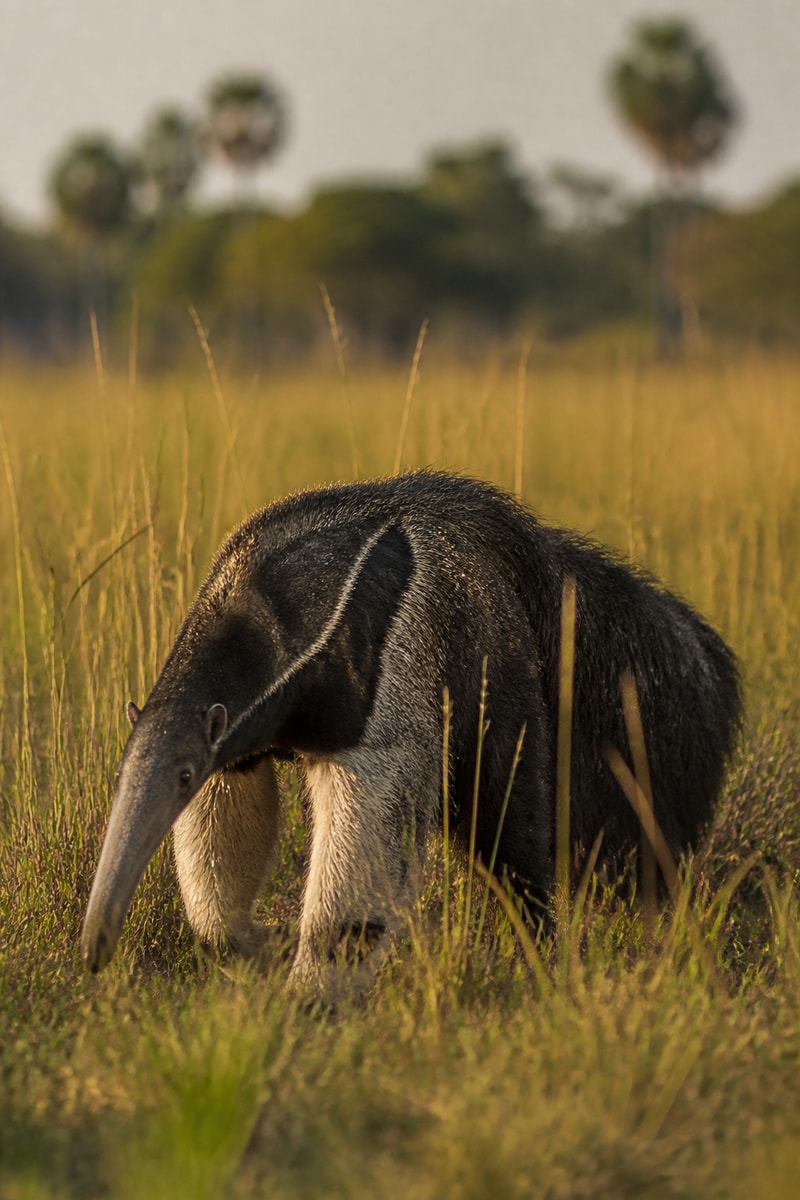
- Giant Anteaterrare • Grassland & Forest
- Amazon River Dolphinrare • Amazon Rivers
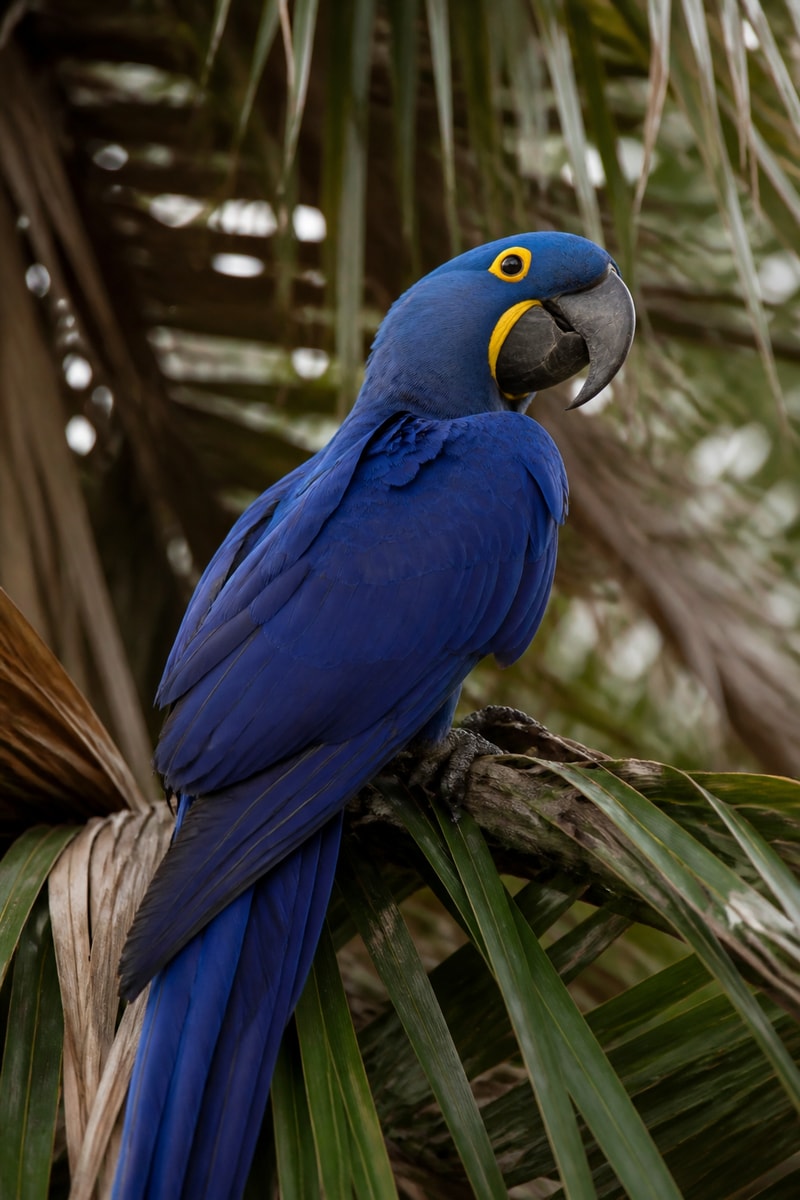
- Hyacinth Macawrare • Wetland & Palm Savanna
Free on iOS
Catch the Maned Wolf
Spot one in the wild, then scan it in Catch'Um to log your rare discovery.