
Field guide · legendary
Green Anaconda
The heavyweight of snakes — a massive aquatic constrictor of South America's swamps and rivers.
Least Concern
Eunectes murinus
Overview
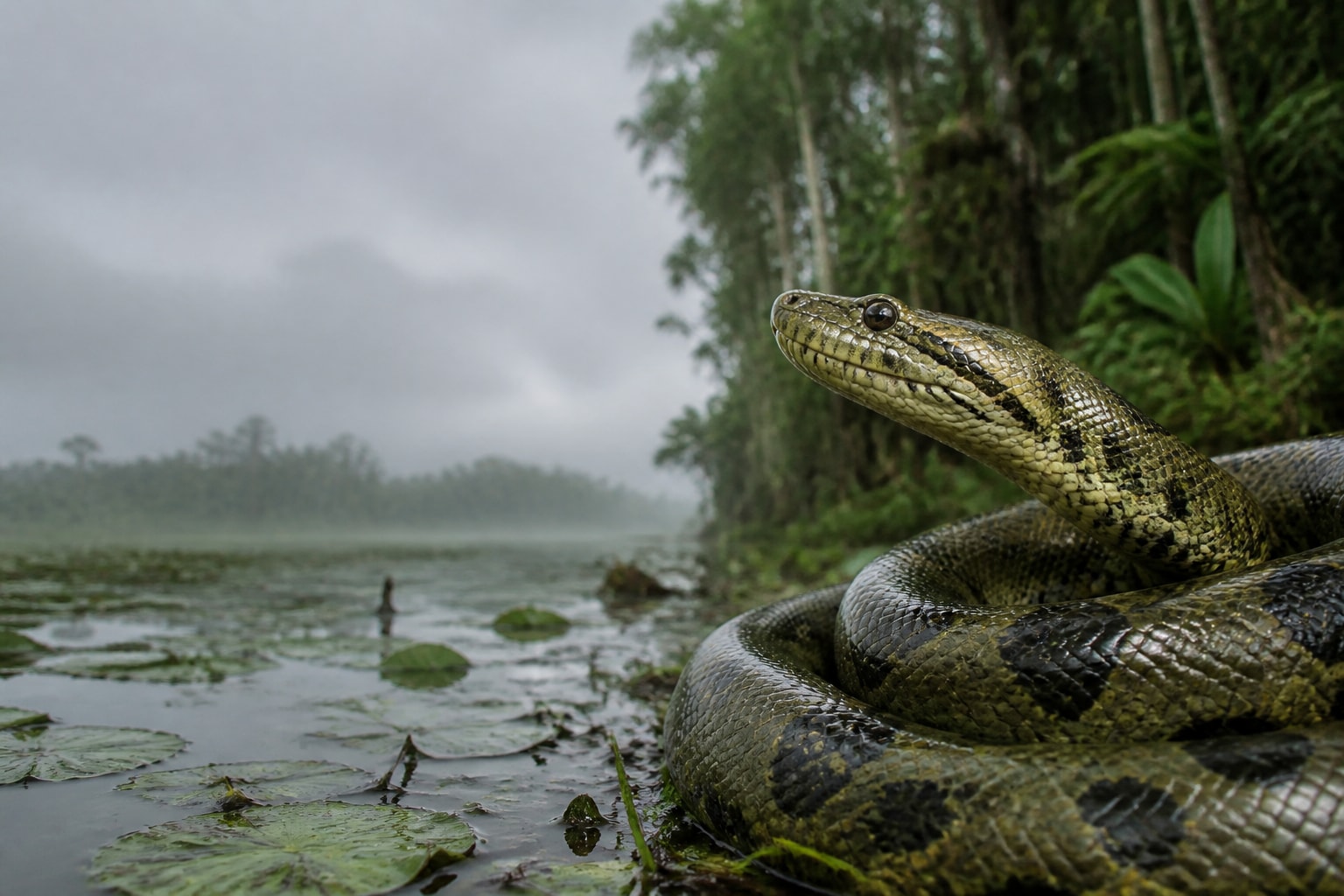
Green anacondas are among the heaviest snakes on Earth, built for life in water with eyes and nostrils set high on the head. They ambush capybaras, caimans, and deer at the water's edge, coiling with crushing force rather than using venom.
Myths inflate their size, but the real animal needs no exaggeration — a legendary Brazil card for Pantanal and Amazon collectors.
- Scientific nameEunectes murinus
- Length4–6 m typical large adults
- Weight30–70+ kg
- LifespanAround 10–30 years in the wild
- DietAmbush predators of…
- ConservationLeast Concern
- RegionWetlands & Rivers
Where to see them
Habitat
- Swamps
- Slow rivers
- Flooded forest
- Wetlands
Green anacondas inhabit swamps, slow rivers, flooded forest, and wetlands across northern and central South America, with the Pantanal among the best-known viewing regions in Brazil.
Field notes
Field scale for the Green Anaconda: length around 4-6 m typical large adults; weight 30-70+ kg. Typical lifespan: Around 10-30 years in the wild.
When you are scanning habitat, prioritise swamps, slow rivers, flooded forest, and wetlands. Those settings are where a clean look and a usable photo are most likely.
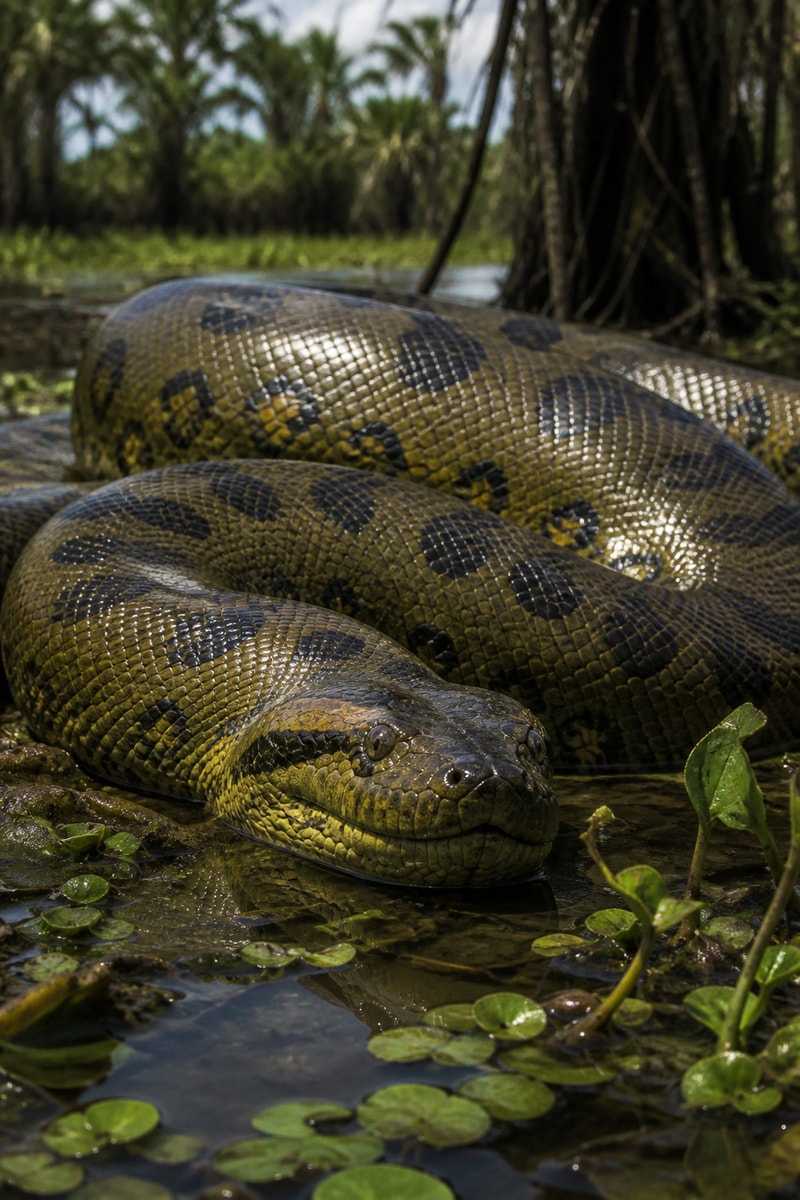
Quick ID anchor: Massive olive-green snake with oval black blotches along the body. Confirm with behaviour and habitat before you log the discovery.
Where to see one
Brazil
In Brazil, strong options include Pantanal and Amazon Rainforest. The world's largest tropical wetland, with capybaras, jaguars, hyacinth macaws, and giant otters in open savanna.
Open the Brazil spotting guide for every park note tied to the green anaconda.
Diet
Ambush predators of large vertebrates at water margins — capybara, caiman, deer, birds, and fish.
Kill by constriction, then swallow prey whole.
Behaviour
Mostly aquatic and often solitary; bask on banks or float with only the head visible.
Females give birth to dozens of live young in the water.
How to identify
Massive olive-green snake with oval black blotches along the body.
Heavy body, dark stripe through the eye, and a head barely wider than the neck.
Interesting facts
- 01
Green anacondas are among the world's heaviest snakes.
- 02
They are non-venomous constrictors.
- 03
Eyes and nostrils sit on top of the head for lurking at the surface.
- 04
They give birth to live young rather than laying eggs.
- 05
Diet includes capybaras, caimans, birds, and deer.
- 06
Despite legends, reliably measured lengths rarely top about 6–7 metres.
Conservation status
Green anacondas are Least Concern but face local pressure from habitat drainage and persecution. Large wetlands such as the Pantanal remain crucial strongholds.
Sources: IUCN Red List
Keep exploring
Where it lives
Related discoveries
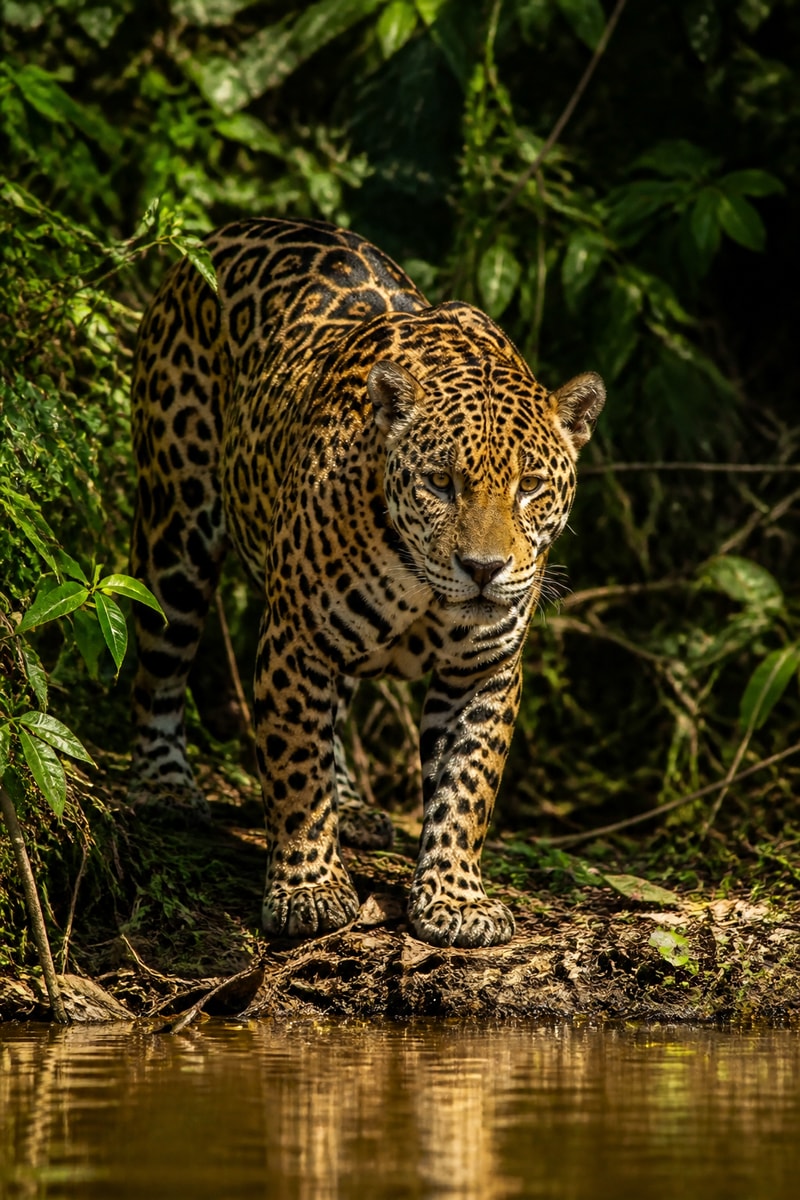
- Jaguarlegendary • Rainforest & Wetland
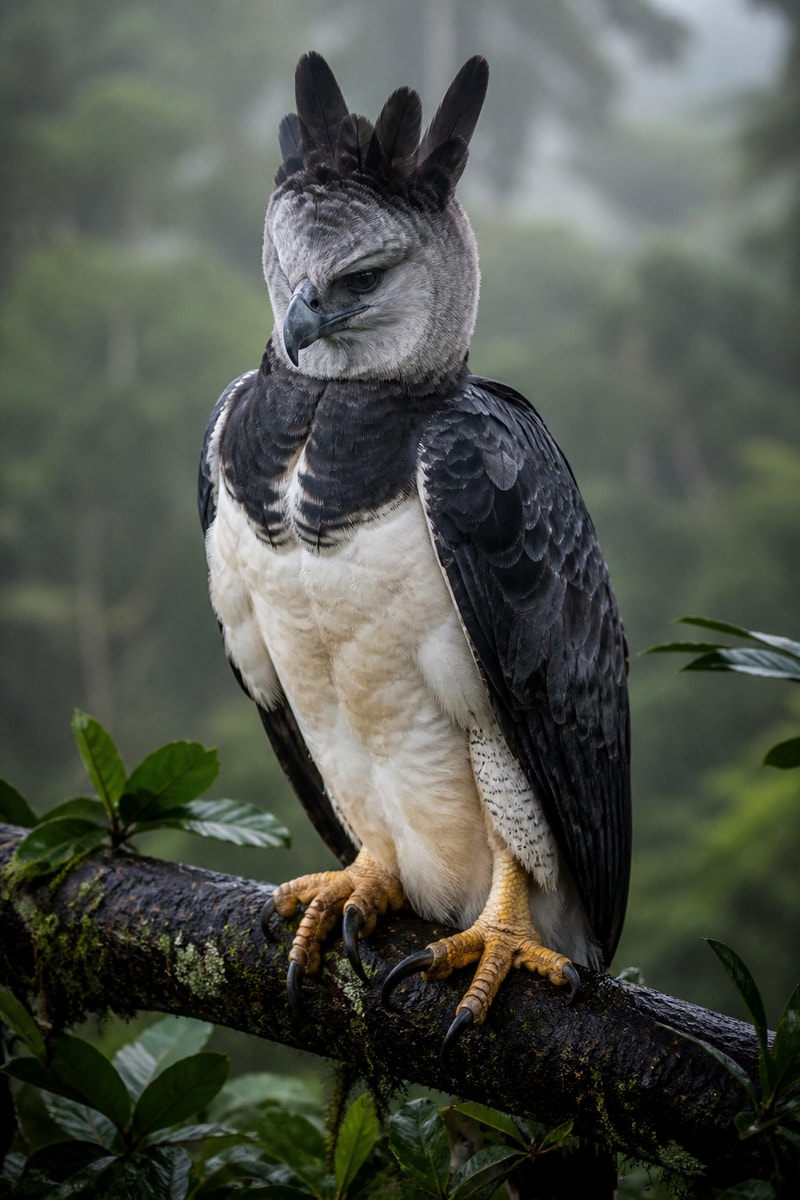
- Harpy Eaglelegendary • Rainforest Canopy
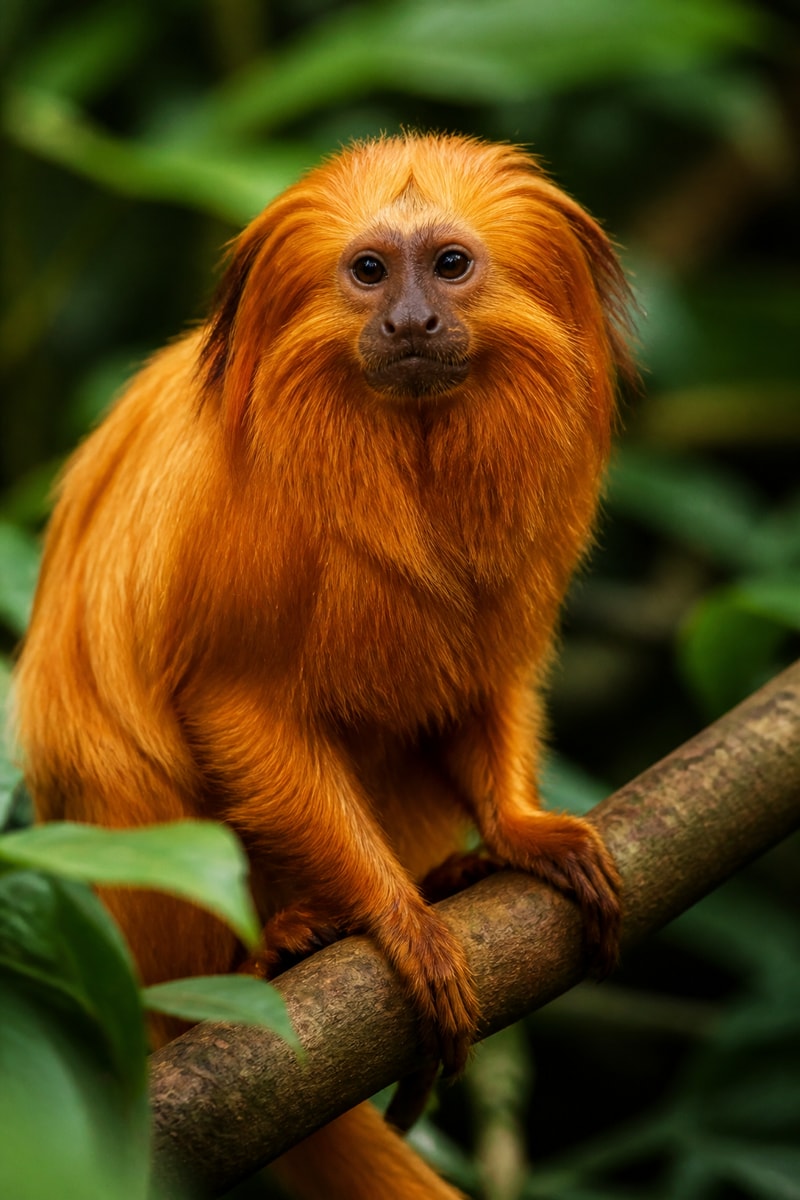
- Golden Lion Tamarinlegendary • Atlantic Forest Canopy
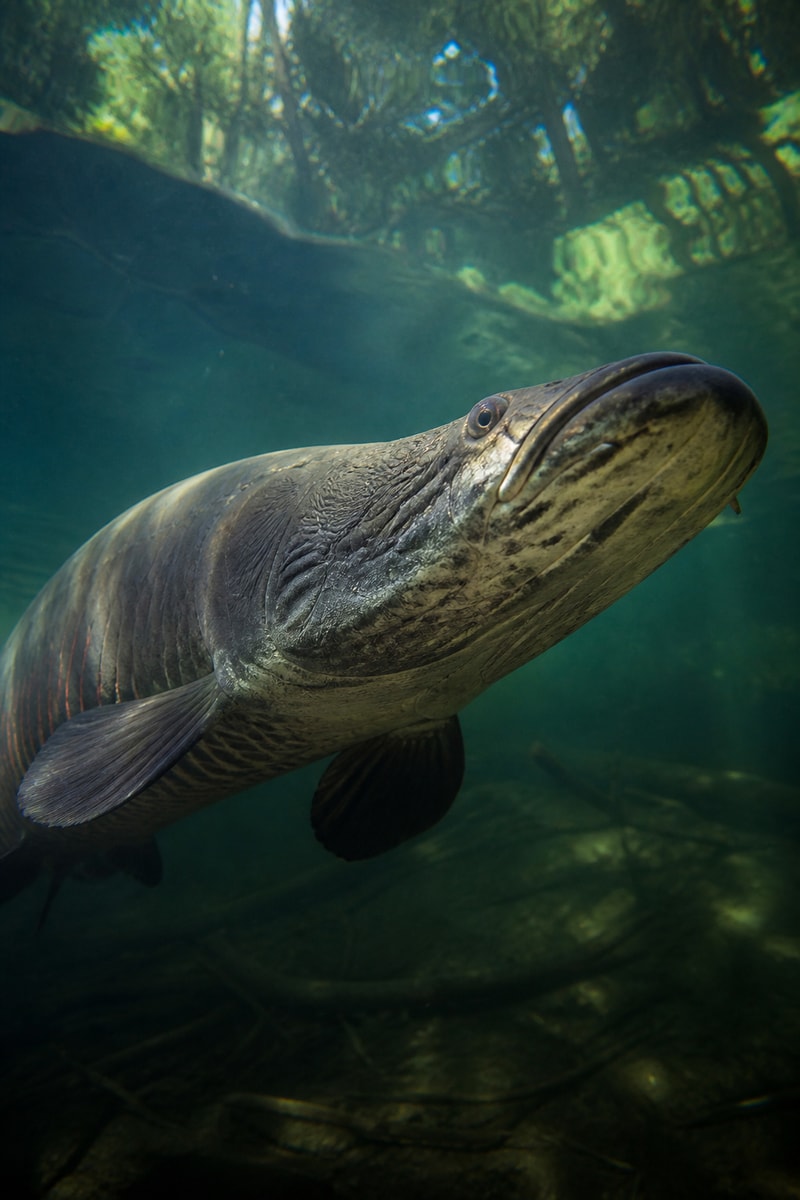
- Arapaimalegendary • Amazon Floodplain
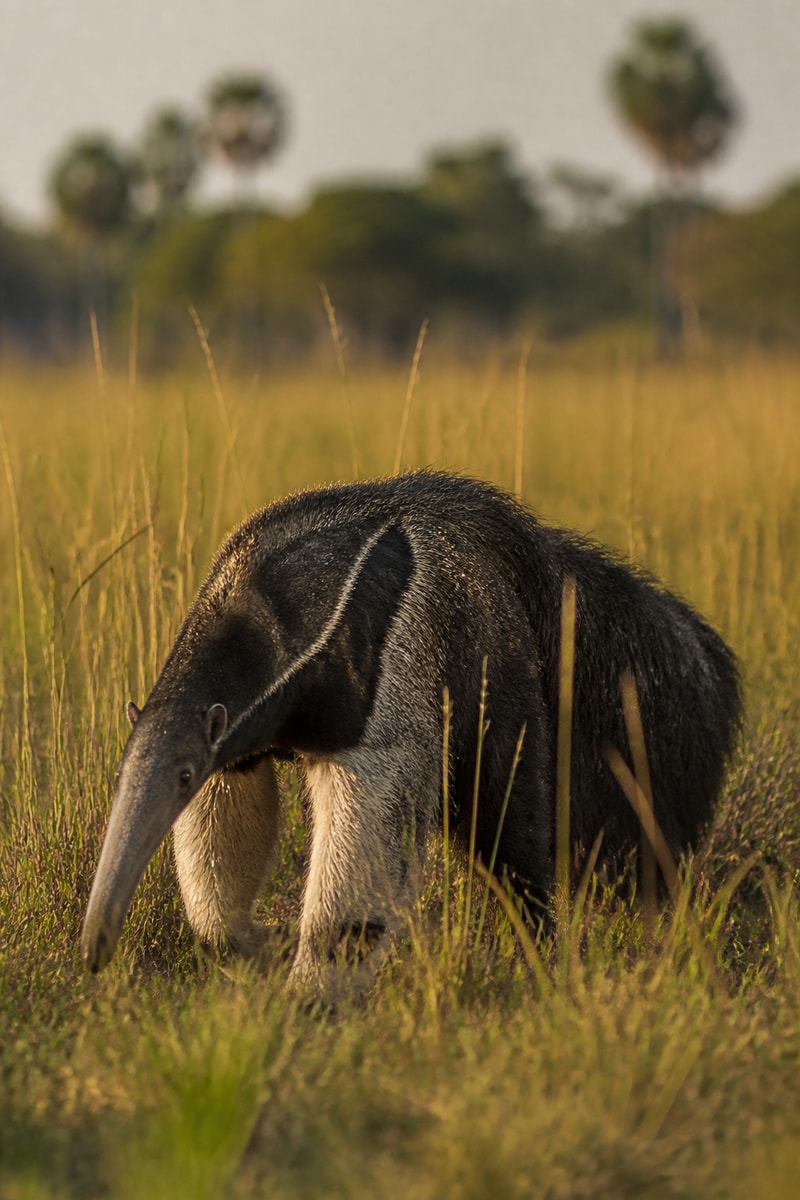
- Giant Anteaterrare • Grassland & Forest
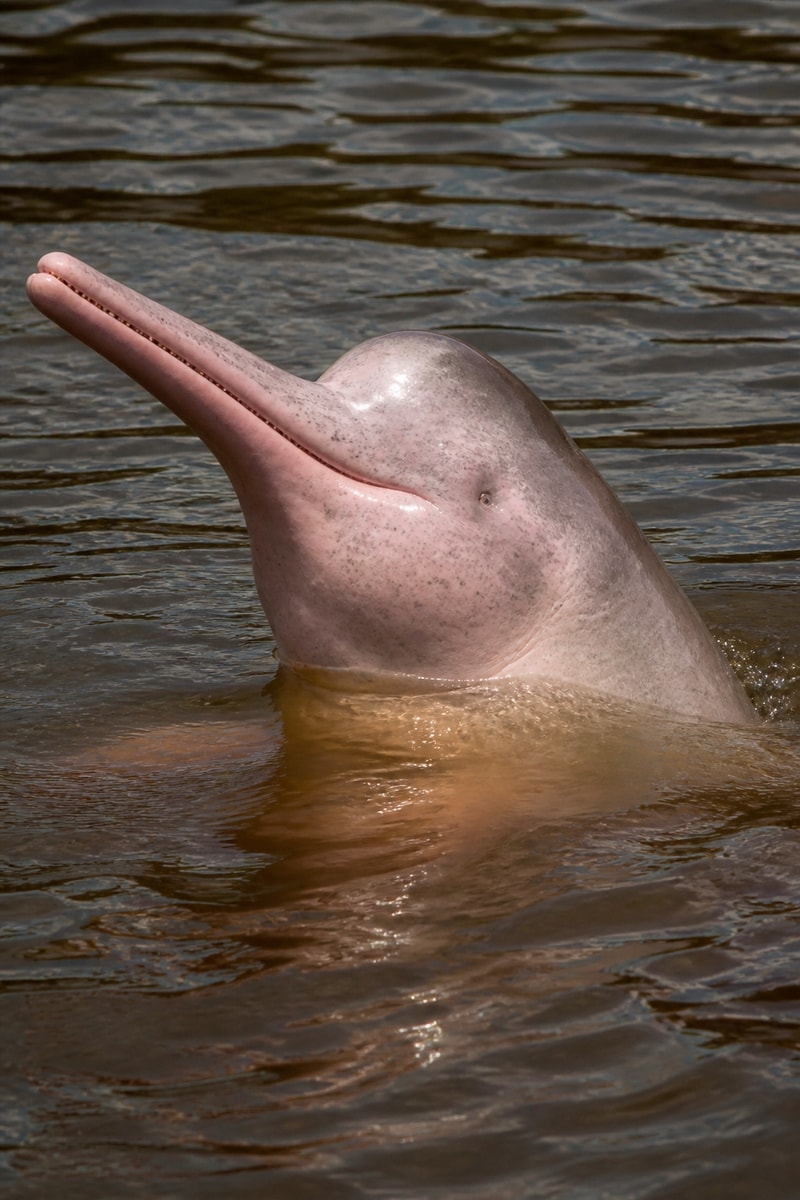
- Amazon River Dolphinrare • Amazon Rivers
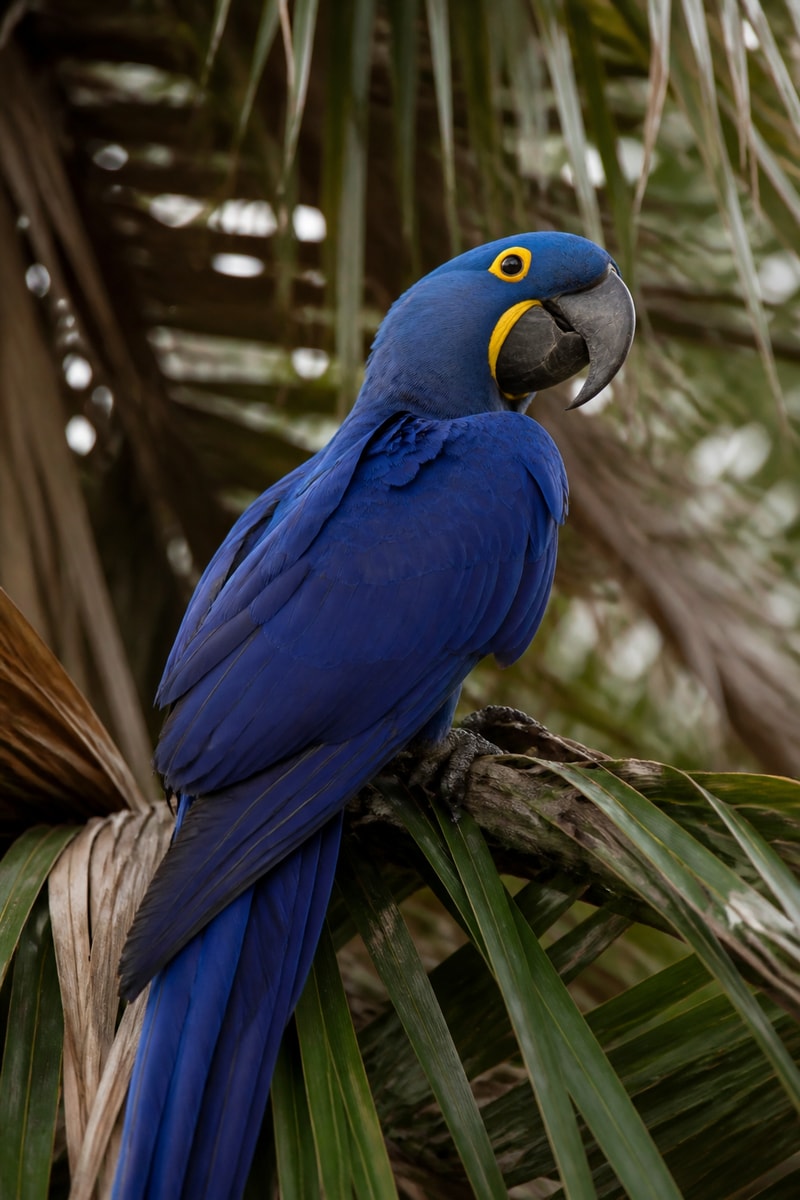
- Hyacinth Macawrare • Wetland & Palm Savanna
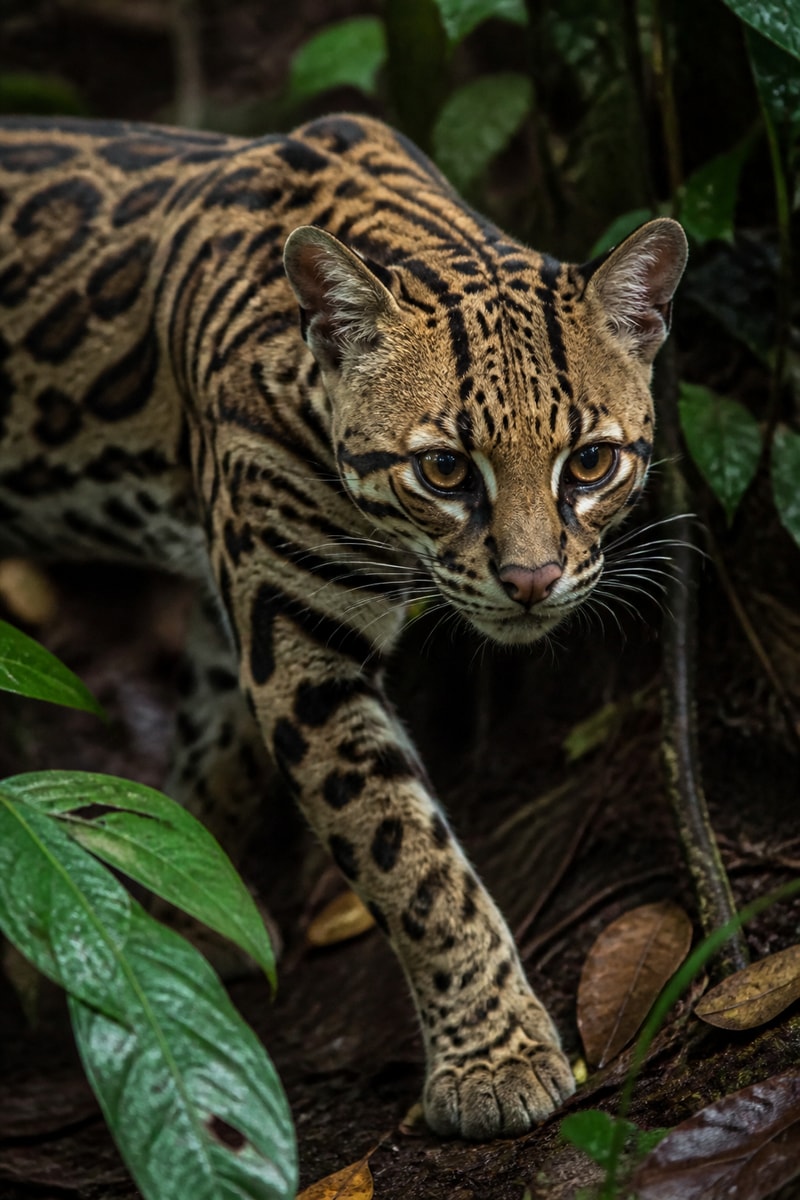
- Ocelotrare • Neotropical Forest
Free on iOS
Catch the Green Anaconda
Spot one in the wild, then scan it in Catch'Um to log your legendary discovery.