
Field guide · rare
Hyacinth Macaw
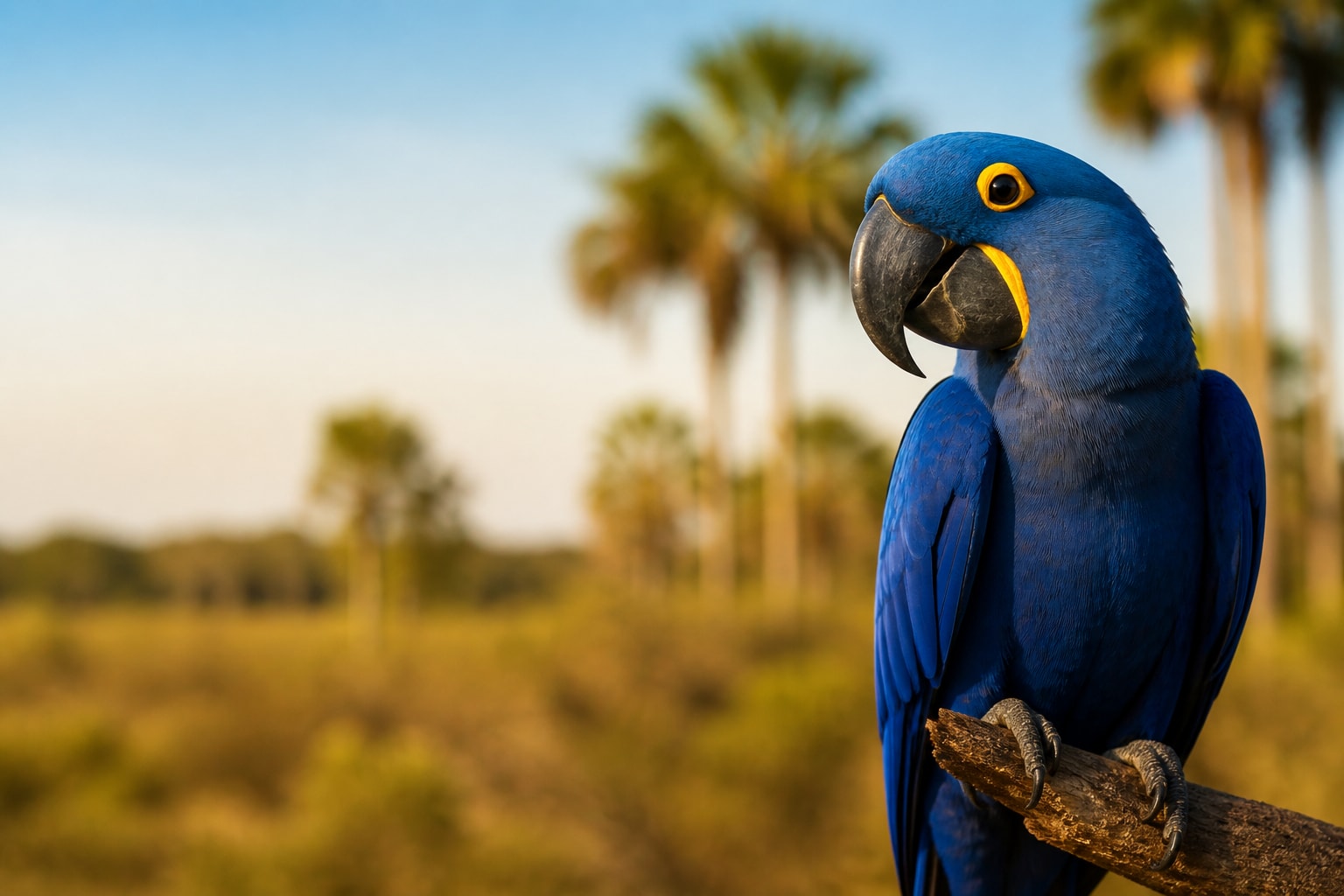
The world's longest parrot — cobalt blue with a golden bare-eye ring, ruling Brazil's Pantanal skies.
Vulnerable
Anodorhynchus hyacinthinus
Overview
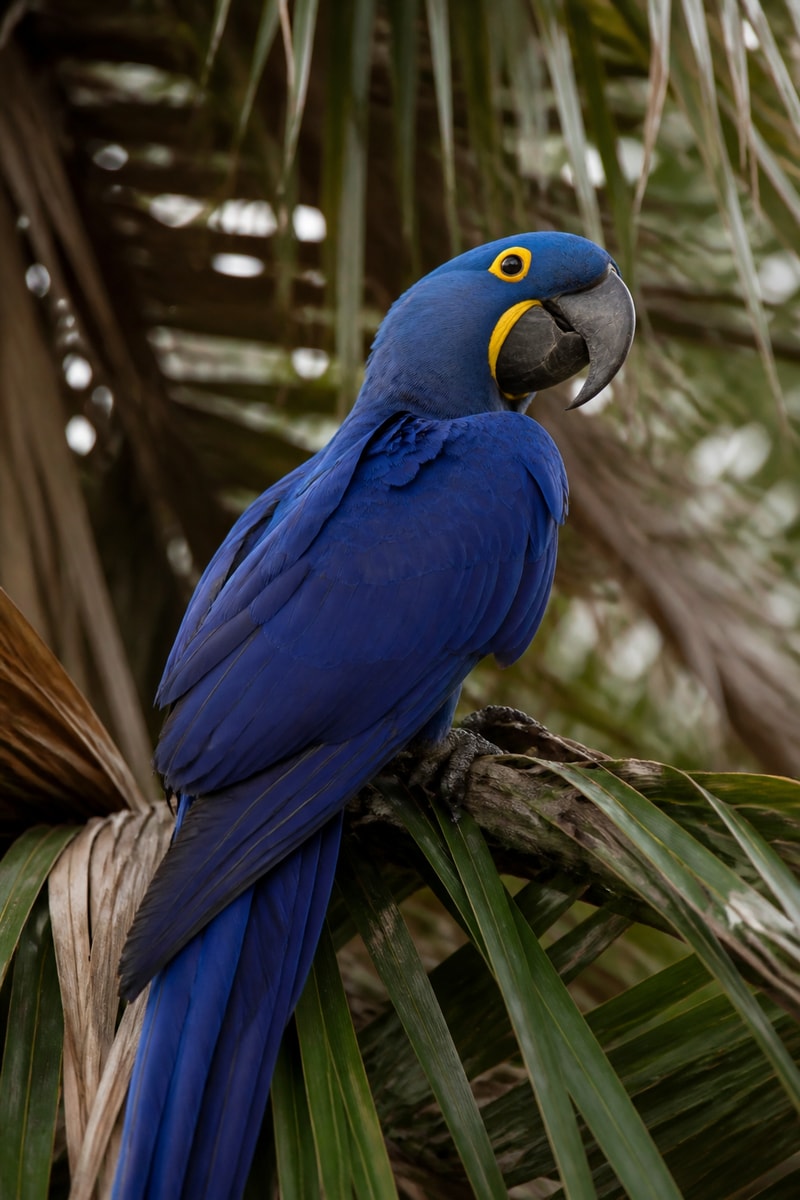
Hyacinth macaws are the giants of the parrot world: almost entirely cobalt blue, with bright yellow bare skin around the eyes and at the bill base. They crack palm nuts with immense beaks and nest in cliff or tree cavities across the Pantanal.
Distinct from the scarlet macaw already in Catch'Um, this is Brazil's blue showstopper.
- Scientific nameAnodorhynchus hyacinthinus
- Length100 cm including tail
- Weight1.2–1.7 kg
- LifespanAround 30–50 years
- DietPalm nuts and other hard…
- ConservationVulnerable
- RegionWetland & Palm Savanna
Where to see them
Habitat
- Palm savanna
- Gallery woodland
- Wetlands
Palm savannas, gallery woodland, and wetlands of central Brazil — especially the Pantanal — with nesting cavities and nut-bearing palms.
Field notes
Field scale for the Hyacinth Macaw: length around 100 cm including tail; weight 1.2-1.7 kg. Typical lifespan: Around 30-50 years.
When you are scanning habitat, prioritise palm savanna, gallery woodland, and wetlands. Those settings are where a clean look and a usable photo are most likely.
Quick ID anchor: Huge cobalt-blue macaw with yellow bare skin around the eye and lower bill. Confirm with behaviour and habitat before you log the discovery.
Where to see one
Brazil
In Brazil, start at Pantanal (Mato Grosso do Sul). The world's largest tropical wetland, with capybaras, jaguars, hyacinth macaws, and giant otters in open savanna.
More context on this destination lives on the Brazil expedition page.
Diet
Palm nuts and other hard fruits cracked with a massive bill.
Also take seeds and some vegetation in wetland woodlands.
Behaviour
Usually seen in pairs or small family groups; loud raucous calls.
Nest in tree hollows or cliff cavities; slow breeders.
How to identify
Huge cobalt-blue macaw with yellow bare skin around the eye and lower bill.
Long tapered tail; much larger and bluer than other macaws.
Interesting facts
- 01
The longest parrot species, measuring around a metre including the tail.
- 02
Almost entirely cobalt blue with yellow facial skin.
- 03
Powerful beaks crack hard palm nuts.
- 04
Pairs are strongly bonded and nest in cavities.
- 05
Best known from Brazil's Pantanal wetlands.
- 06
Illegal pet trade once devastated wild flocks.
Conservation status
Hyacinth macaws are Vulnerable. Habitat loss and past trapping reduced numbers, though Pantanal protection and community projects have helped some populations rebound.
Sources: IUCN Red List
Keep exploring
Where it lives
Related discoveries
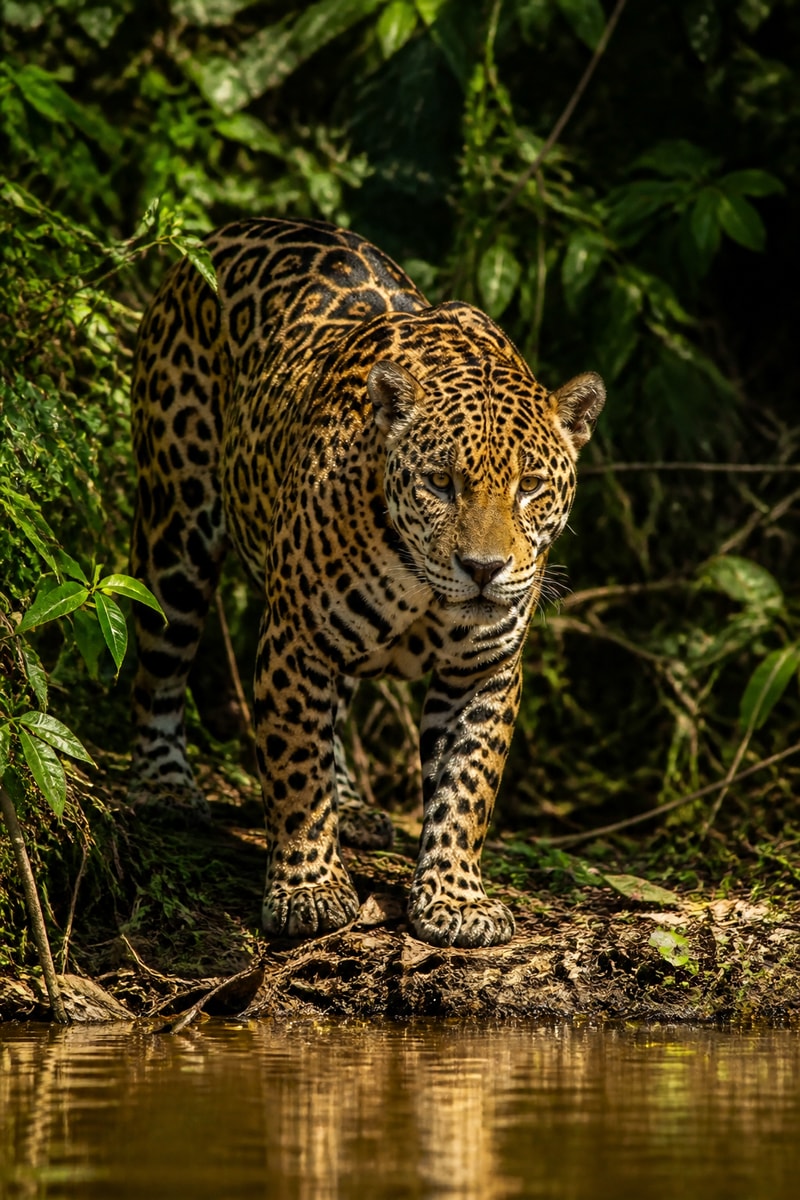
- Jaguarlegendary • Rainforest & Wetland
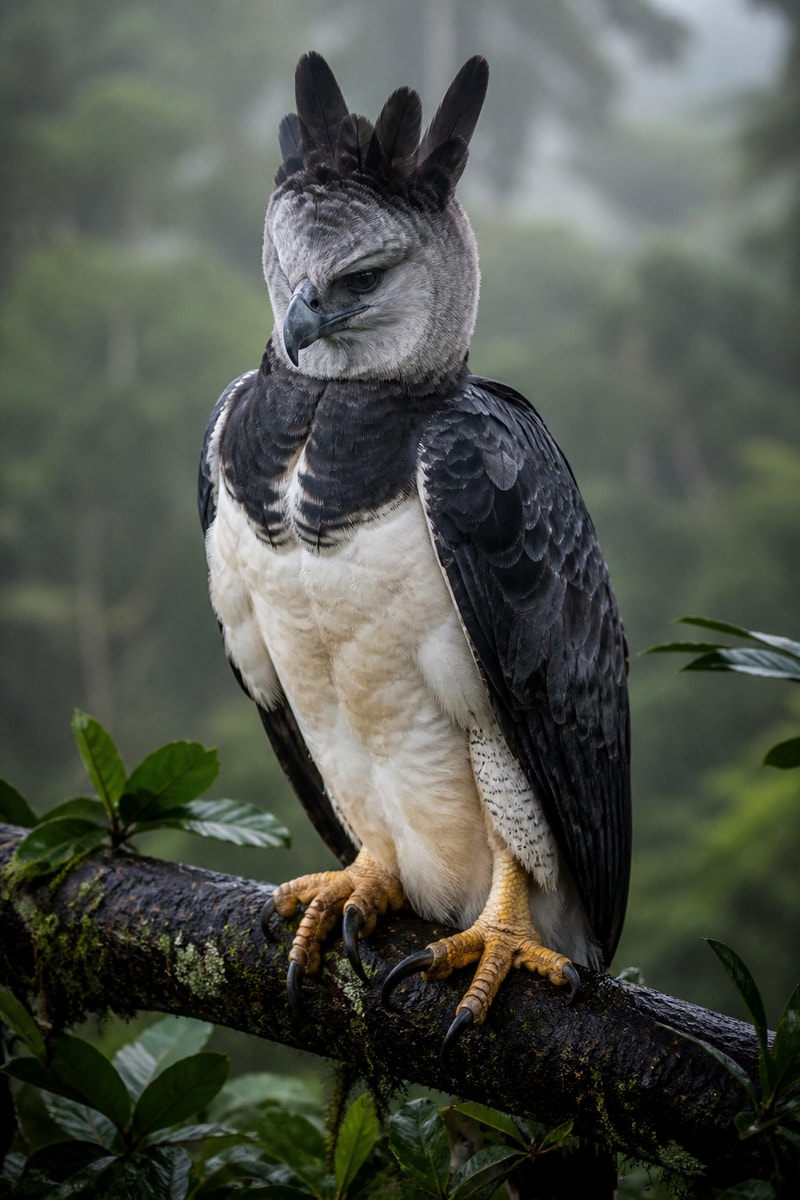
- Harpy Eaglelegendary • Rainforest Canopy
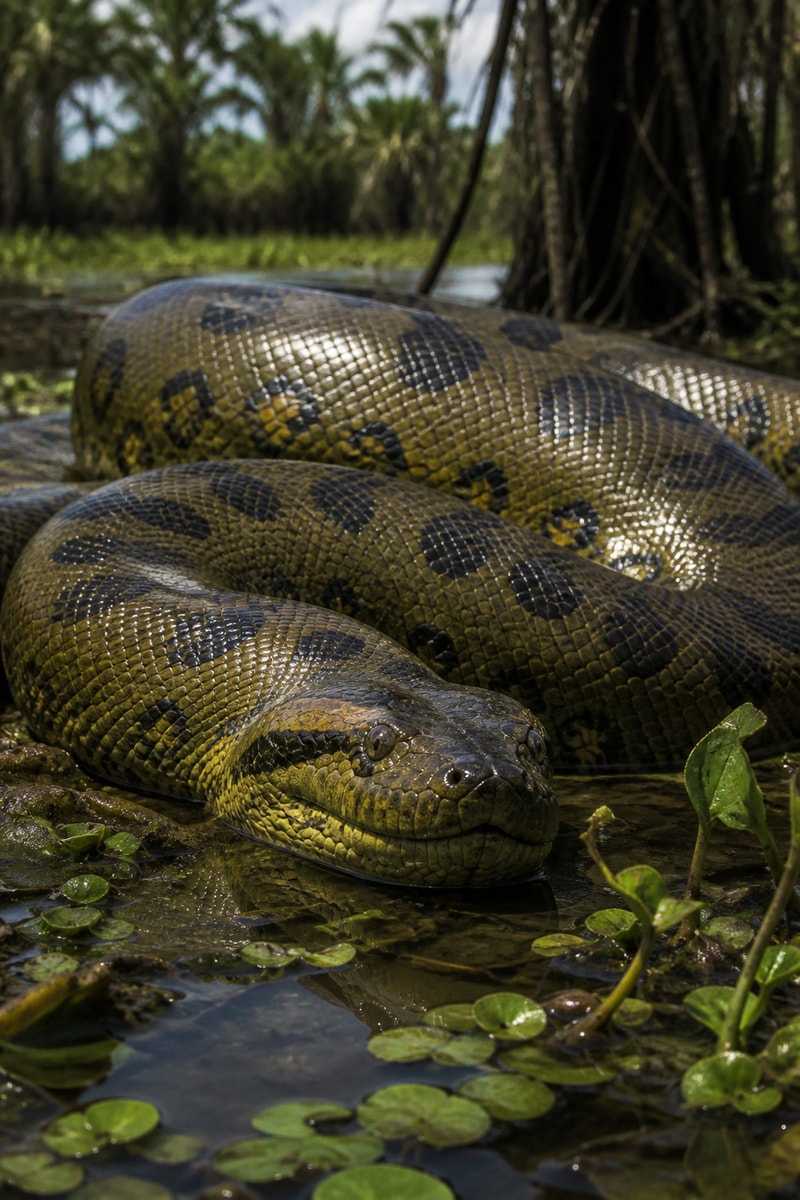
- Green Anacondalegendary • Wetlands & Rivers
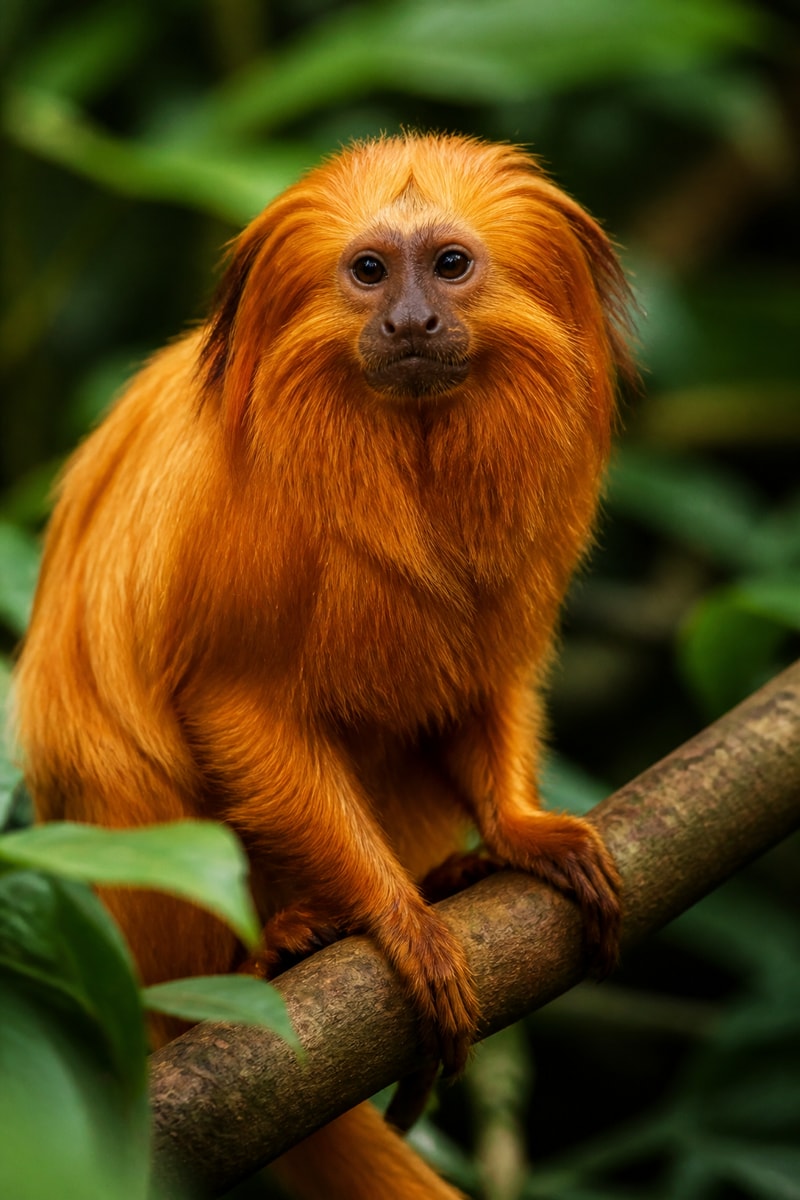
- Golden Lion Tamarinlegendary • Atlantic Forest Canopy
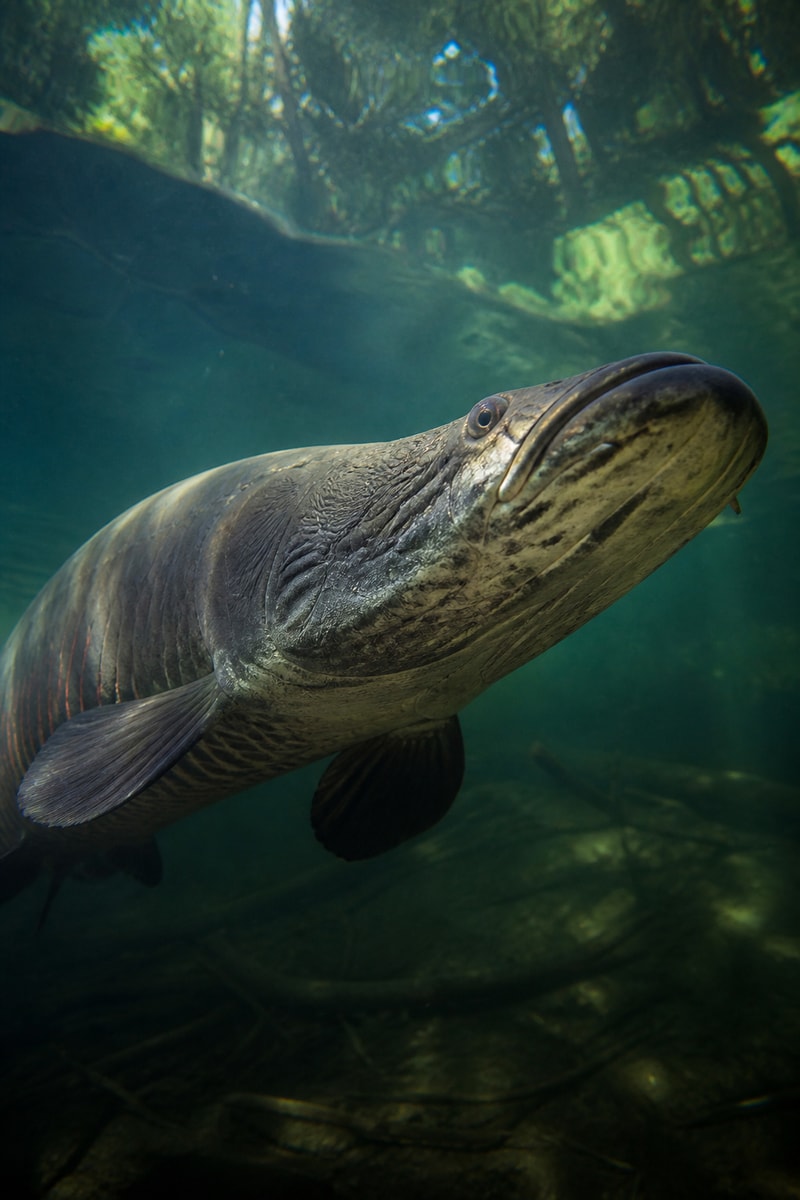
- Arapaimalegendary • Amazon Floodplain
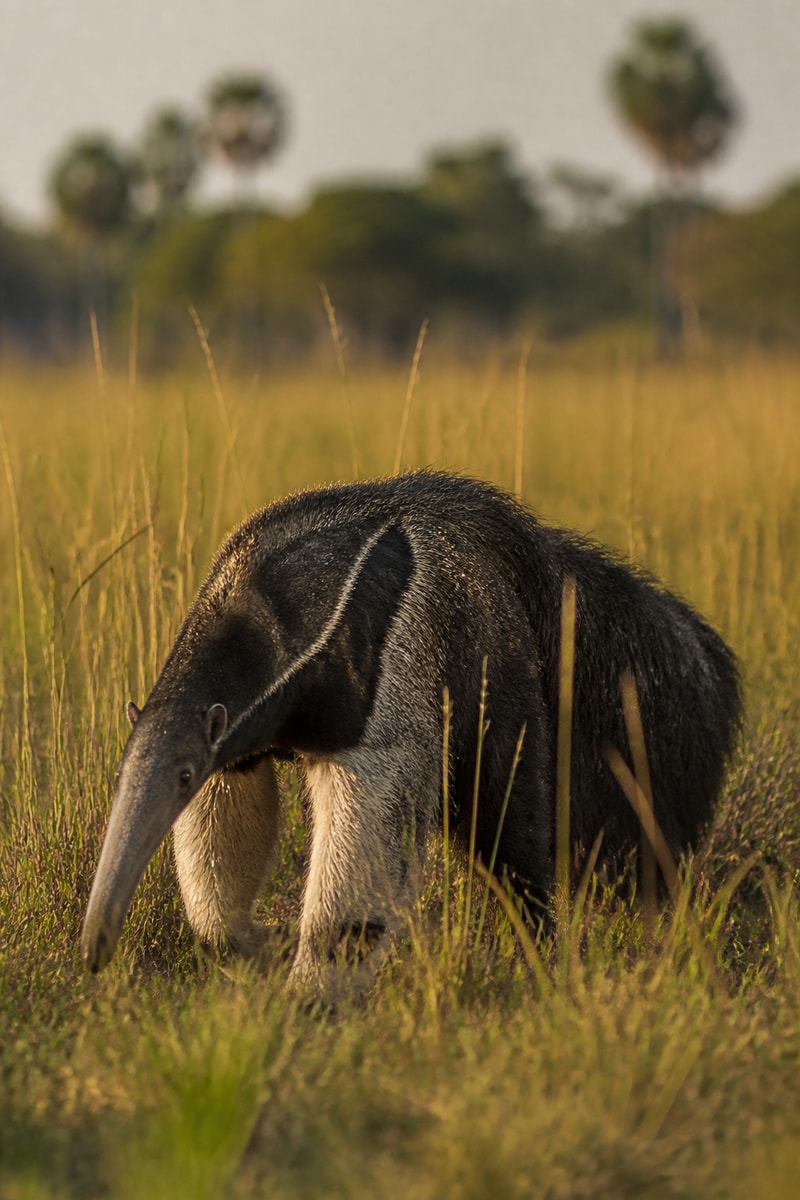
- Giant Anteaterrare • Grassland & Forest
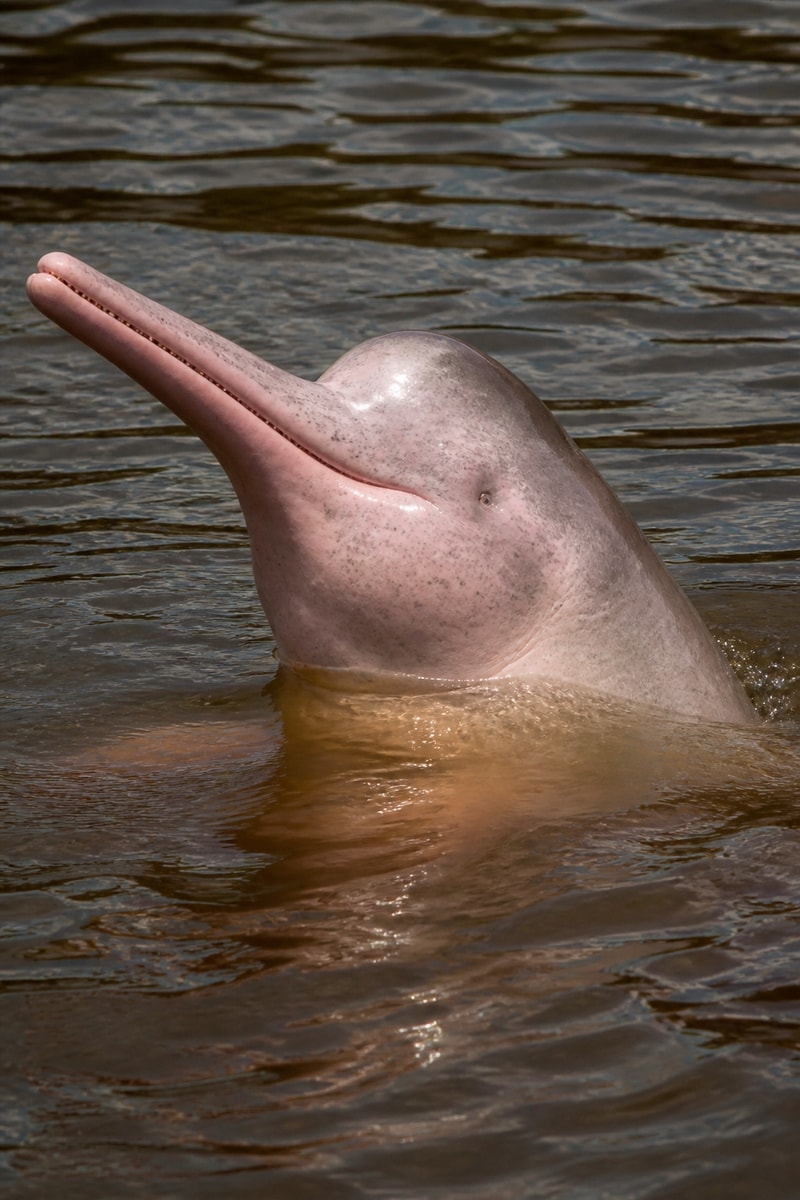
- Amazon River Dolphinrare • Amazon Rivers
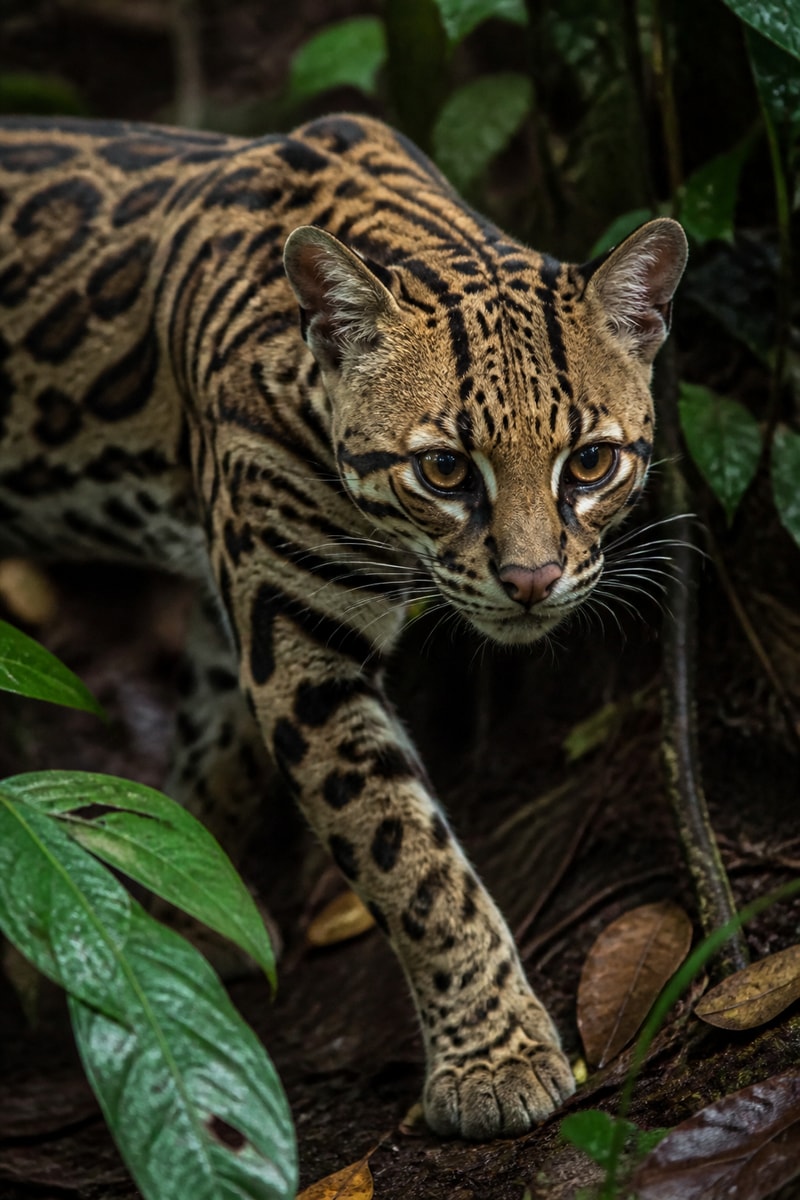
- Ocelotrare • Neotropical Forest
Free on iOS
Catch the Hyacinth Macaw
Spot one in the wild, then scan it in Catch'Um to log your rare discovery.