
Field guide · rare
Giant Anteater
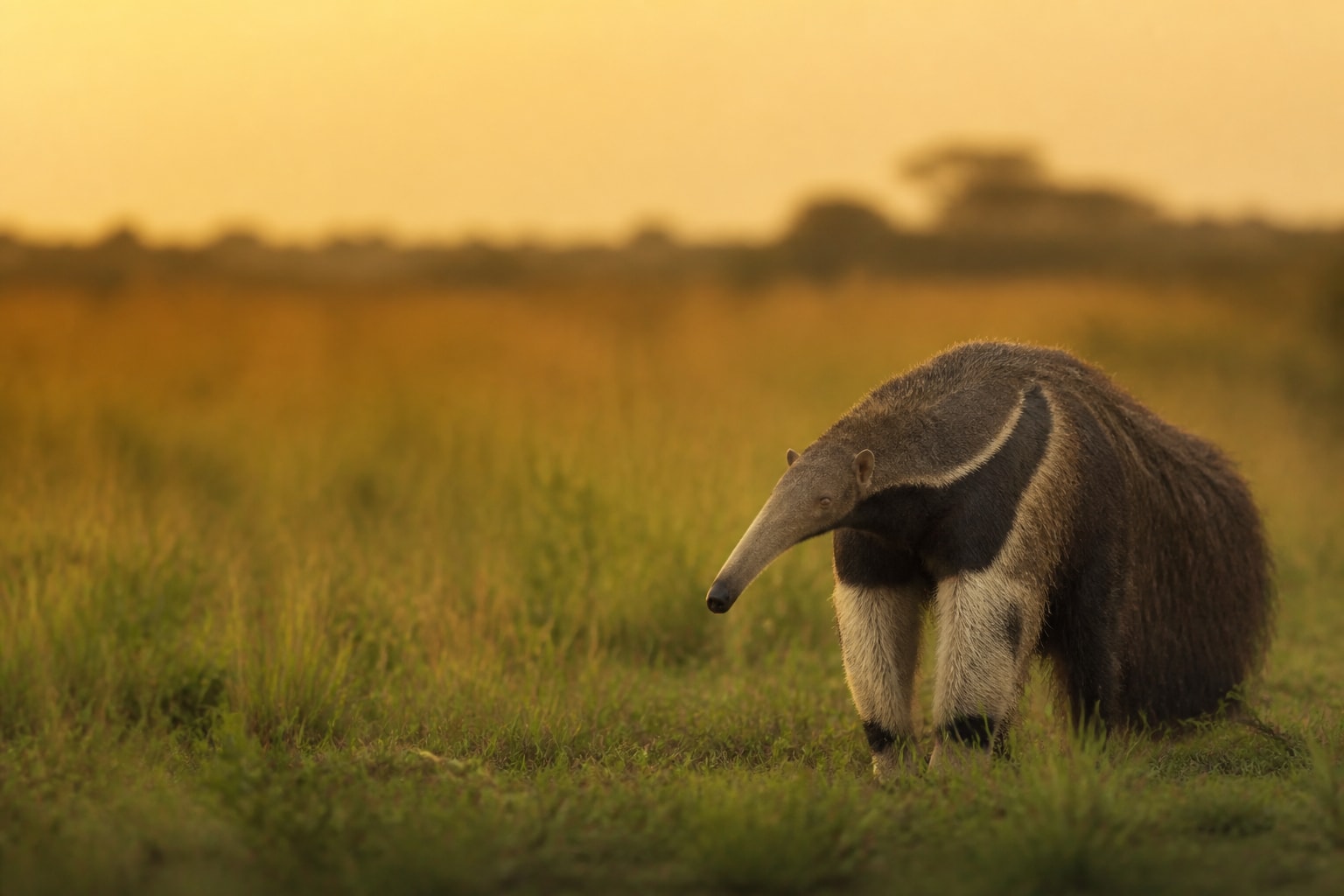
A walking silhouette from another age — huge bushy tail, tubular snout, and a tongue built for ants.
Vulnerable
Myrmecophaga tridactyla
Overview
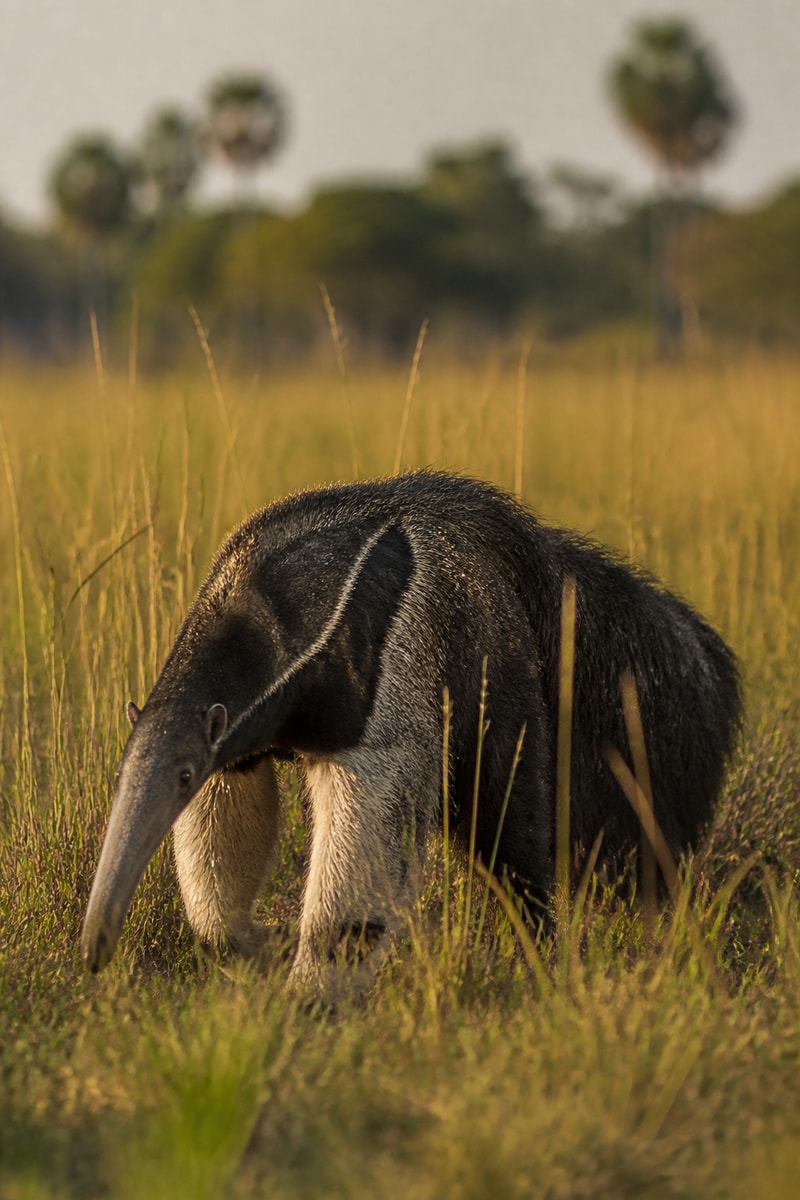
The giant anteater is one of South America's most distinctive mammals: a shaggy, striped body, enormous plume of a tail, and a long snout ending in a tiny mouth. It walks on its knuckles to protect massive digging claws.
In the Pantanal and cerrado, spotting that unmistakable profile ambling through tall grass is a rare, high-value Catch'Um card — pure visual identity.
- Scientific nameMyrmecophaga tridactyla
- Length1–1.2 m body; tail 65–90 cm
- Weight27–45 kg
- LifespanAround 14–16 years in the wild
- DietInsectivore
- ConservationVulnerable
- RegionGrassland & Forest
Where to see them
Habitat
- Grassland
- Savanna
- Wetland edge
- Open woodland
Giant anteaters use grasslands, open woodland, and wetland edges across parts of Central and South America, with strongholds in Brazil's Pantanal and cerrado. They need abundant ant and termite nests and cover for resting.
Field notes
Field scale for the Giant Anteater: length around 1-1.2 m body; tail 65-90 cm; weight 27-45 kg. Typical lifespan: Around 14-16 years in the wild.
When you are scanning habitat, prioritise grassland, savanna, wetland edge, and open woodland. Those settings are where a clean look and a usable photo are most likely.
Quick ID anchor: Unmistakable: elongated snout, bold black-and-white shoulder stripe, and a huge bushy tail. Confirm with behaviour and habitat before you log the discovery.
Where to see one
Brazil
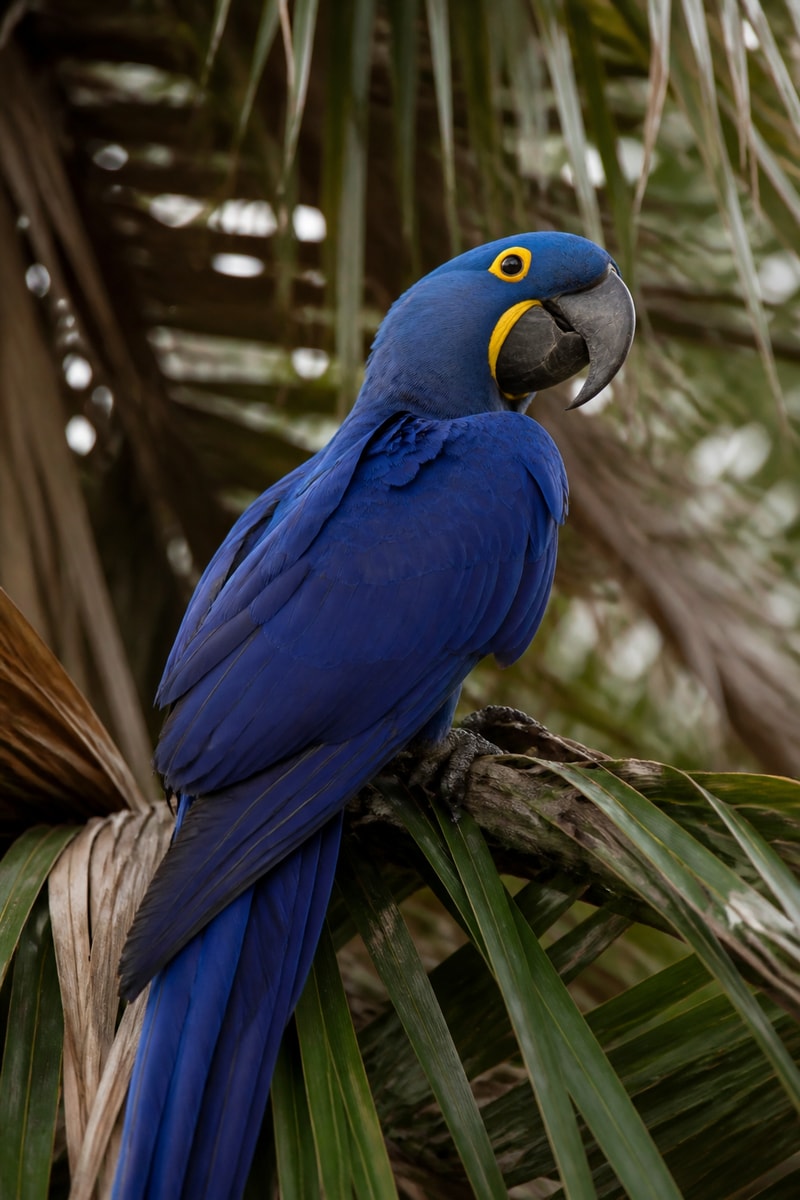
In Brazil, start at Pantanal (Mato Grosso do Sul). The world's largest tropical wetland, with capybaras, jaguars, hyacinth macaws, and giant otters in open savanna.
More context on this destination lives on the Brazil expedition page.
Diet
Specialist insectivore feeding almost entirely on ants and termites extracted with a long sticky tongue.
Opens nests with powerful foreclaws, feeds briefly, then moves on to leave colonies intact.
Behaviour
Mostly solitary; may be diurnal or nocturnal depending on temperature and disturbance.
Sleeps in a shallow depression with the tail draped over the body.
How to identify
Unmistakable: elongated snout, bold black-and-white shoulder stripe, and a huge bushy tail.
Slow, shambling knuckle-walk on the front feet.
Interesting facts
- 01
A giant anteater's tongue can be up to 60 cm long.
- 02
It may visit dozens of ant or termite nests in a single day.
- 03
They walk on their front knuckles to keep digging claws sharp.
- 04
The bushy tail is used as a blanket when resting.
- 05
Mothers carry a single pup on their back for months.
- 06
Despite the name, they eat both ants and termites.
Conservation status
Giant anteaters are Vulnerable. Habitat loss, fire, and roadkill reduce populations across much of their range. Large wetland and grassland reserves in Brazil remain among the best places to see them in the wild.
Sources: IUCN Red List
Keep exploring
Where it lives
Related discoveries
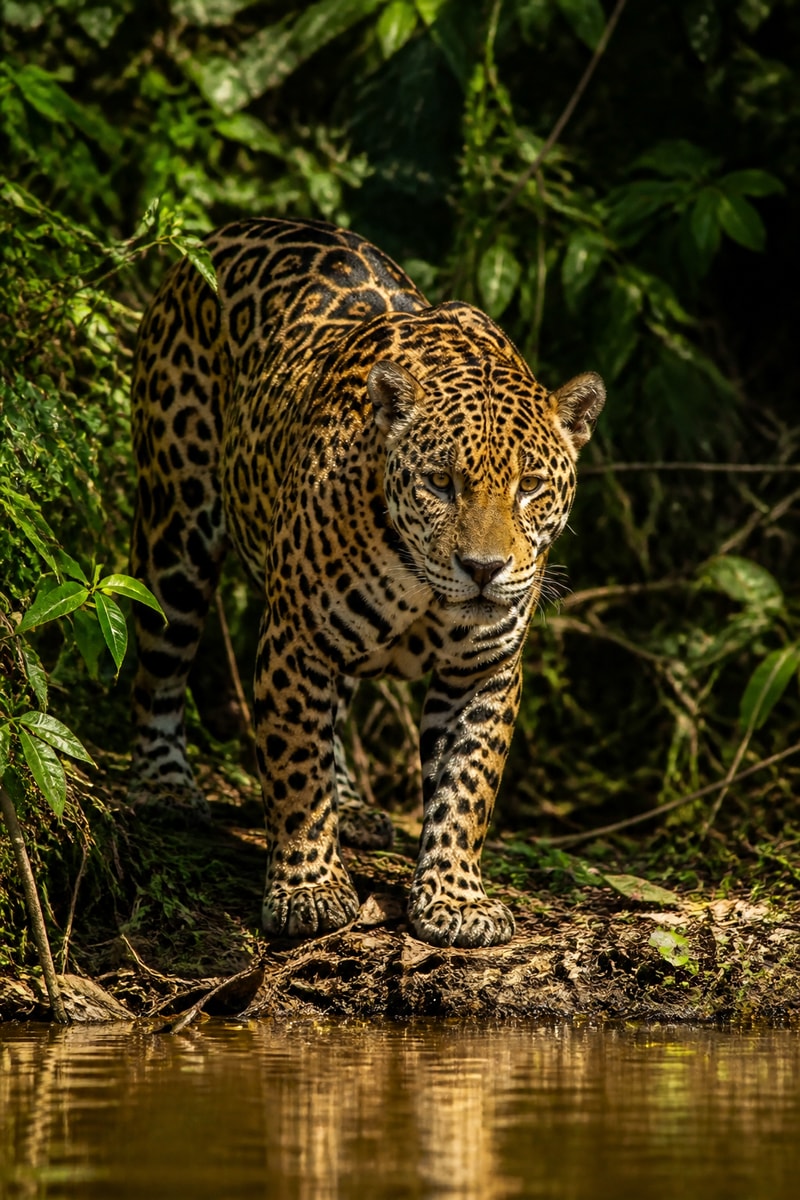
- Jaguarlegendary • Rainforest & Wetland
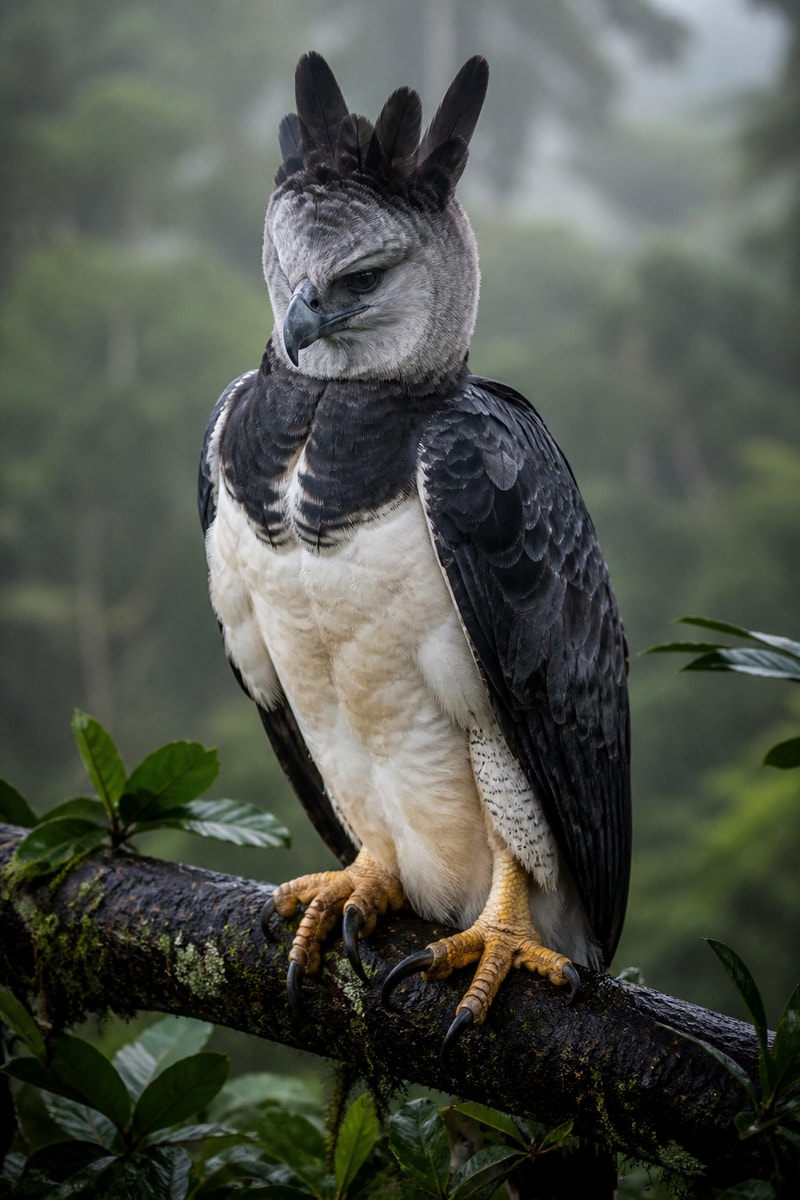
- Harpy Eaglelegendary • Rainforest Canopy
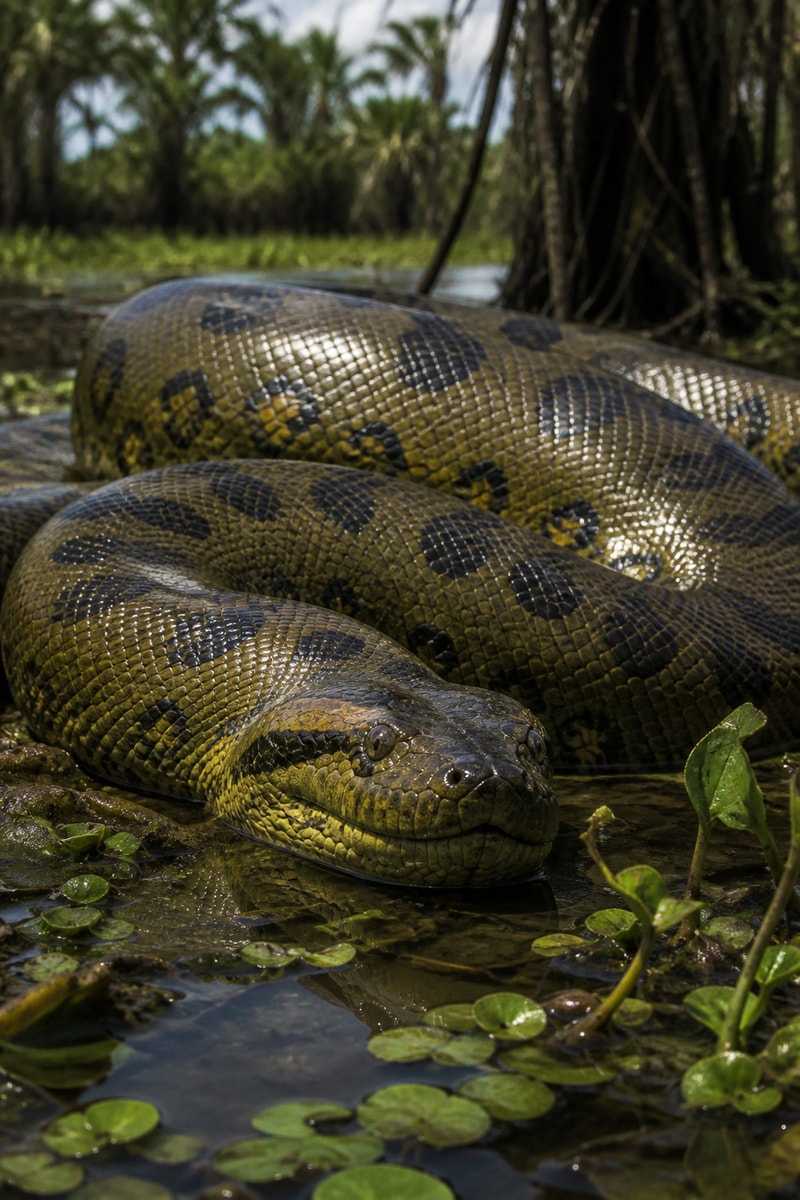
- Green Anacondalegendary • Wetlands & Rivers
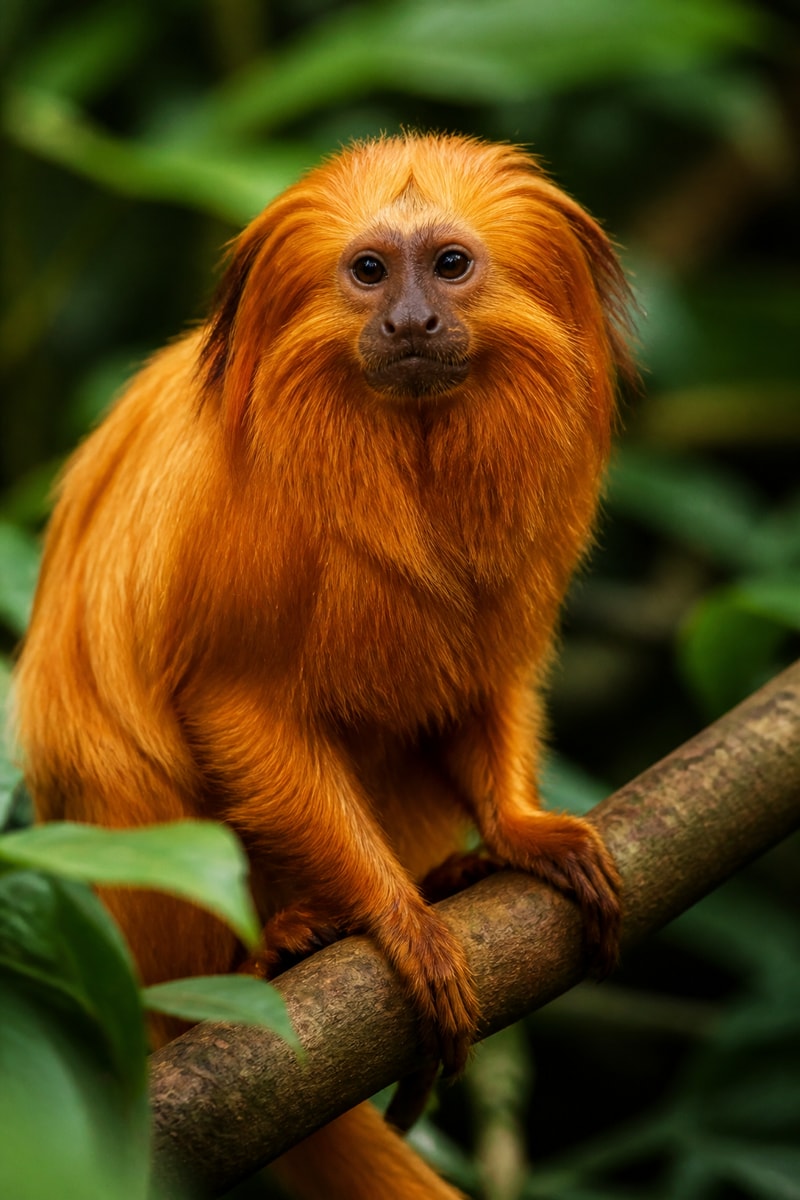
- Golden Lion Tamarinlegendary • Atlantic Forest Canopy
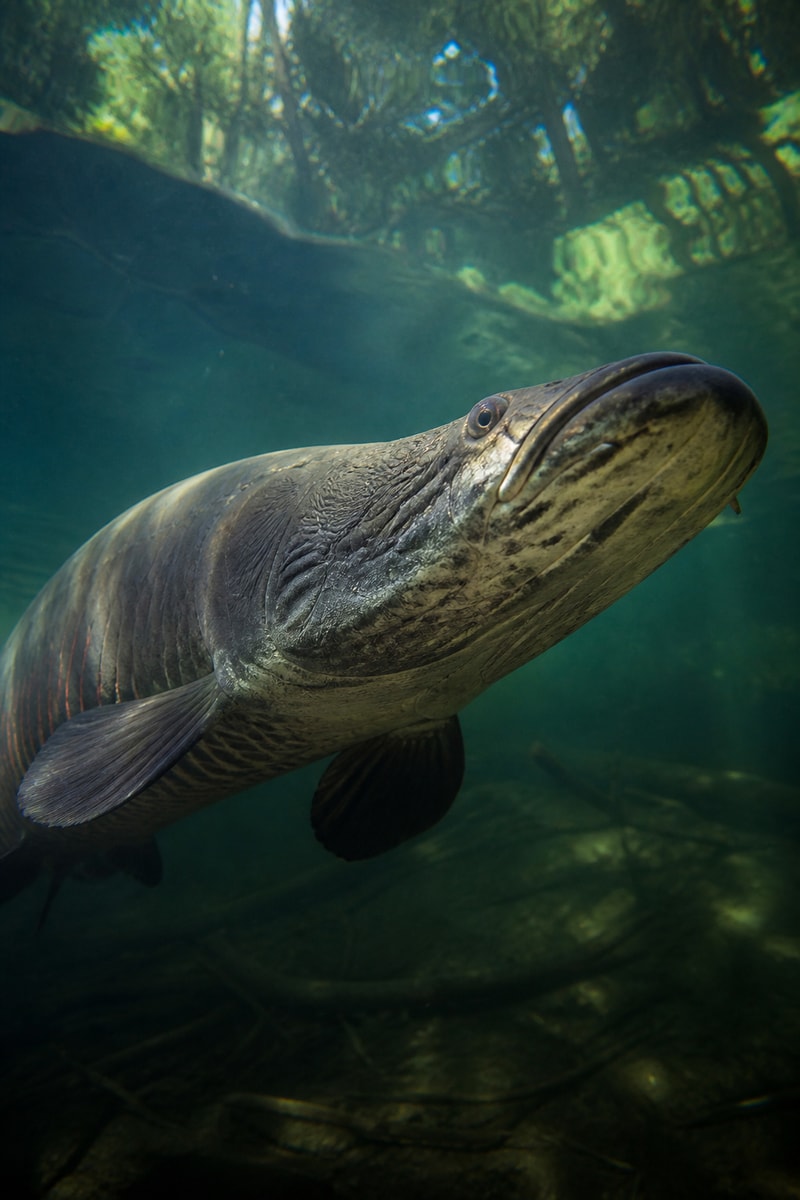
- Arapaimalegendary • Amazon Floodplain
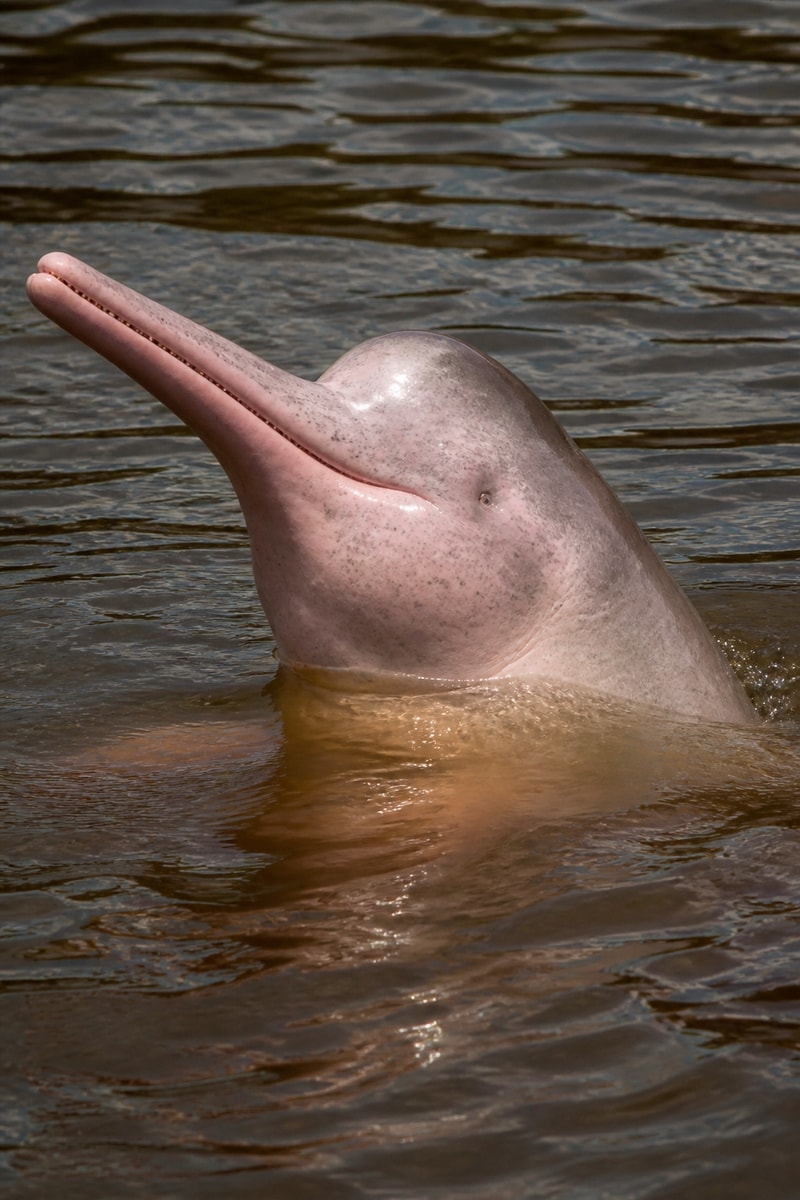
- Amazon River Dolphinrare • Amazon Rivers
- Hyacinth Macawrare • Wetland & Palm Savanna
- Ocelotrare • Neotropical Forest
Free on iOS
Catch the Giant Anteater
Spot one in the wild, then scan it in Catch'Um to log your rare discovery.