

Field guide · common
White-nosed Coati
Ring-tailed forager of the Americas — a mobile snout probing leaf litter and canopy.
Least Concern
Nasua narica
Overview
White-nosed coatis are racoon relatives with long flexible snouts and banded tails. Females and young travel in bands, rooting through leaf litter for insects, fruit, and small vertebrates.
For Costa Rica and Mexico collectors, a coati troop on a forest trail is a lively, familiar Neotropical card.
- Scientific nameNasua narica
- Length40–70 cm body; tail ~35–70 cm
- Weight3–6 kg
- LifespanAround 7–10 years in the wild
- DietOmnivore
- ConservationLeast Concern
- RegionTropical Woodland
Where to see them
Habitat
- Tropical forest
- Dry woodland
- Scrub forest
Tropical and subtropical forests, woodland, and scrub from the southwestern United States through Central America to northern Colombia and Ecuador, foraging from ground to canopy.
Field notes
Field scale for the White-nosed Coati: length around 40-70 cm body; tail ~35-70 cm; weight 3-6 kg. Typical lifespan: Around 7-10 years in the wild.
When you are scanning habitat, prioritise tropical forest, dry woodland, and scrub forest. Those settings are where a clean look and a usable photo are most likely.
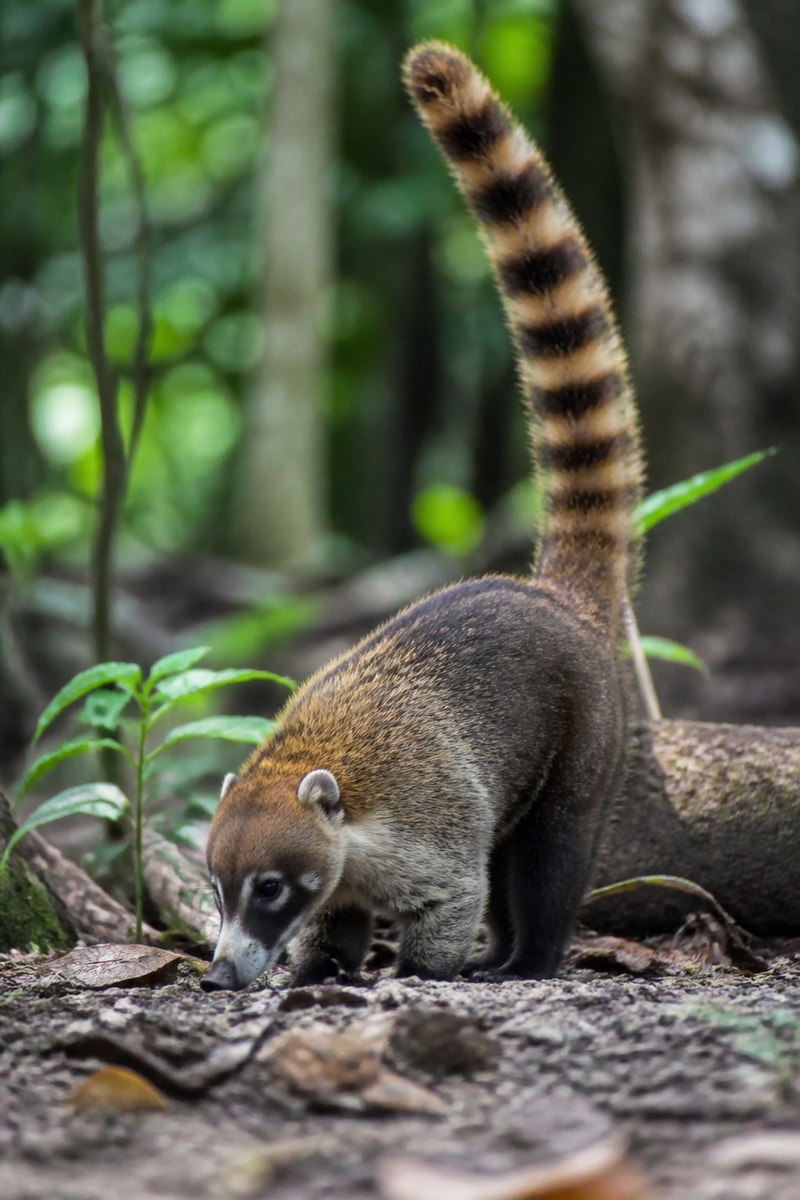
Quick ID anchor: Brown to reddish coat, white muzzle and chin, dark facial mask, and long ringed tail. Confirm with behaviour and habitat before you log the discovery.
Where to see one
Costa Rica
In Costa Rica, strong options include Monteverde Cloud Forest and Corcovado National Park. Misty canopy bridges and moss-draped trees, with sloths, quetzals, and hummingbirds in cool highland forest.
Open the Costa Rica spotting guide for every park note tied to the white-nosed coati.
Diet
Omnivores taking invertebrates, fruit, small vertebrates, eggs, and carrion.
Root through leaf litter and climb for fruiting trees.
Behaviour
Diurnal bands of females and young forage together; males join mainly in breeding season.
Use soft chirps and grunts; climb trees to sleep or escape danger.
How to identify
Brown to reddish coat, white muzzle and chin, dark facial mask, and long ringed tail.
Elongated snout and plantigrade walk; body longer and leaner than a raccoon.
Interesting facts
- 01
Long, mobile snout is used to probe soil and crevices.
- 02
Females and juveniles form social bands; adult males are often solitary.
- 03
Tails are long, banded, and often held upright while walking.
- 04
Excellent climbers that rest and nest in trees.
- 05
Omnivores eating insects, fruit, eggs, and small animals.
- 06
White muzzle and facial markings distinguish this species.
Conservation status
White-nosed coatis are Least Concern and adaptable, though hunted or persecuted in some areas. Healthy forests in Costa Rica and Mexico support abundant troops.
Sources: IUCN Red List

Keep exploring
Where it lives
Related discoveries
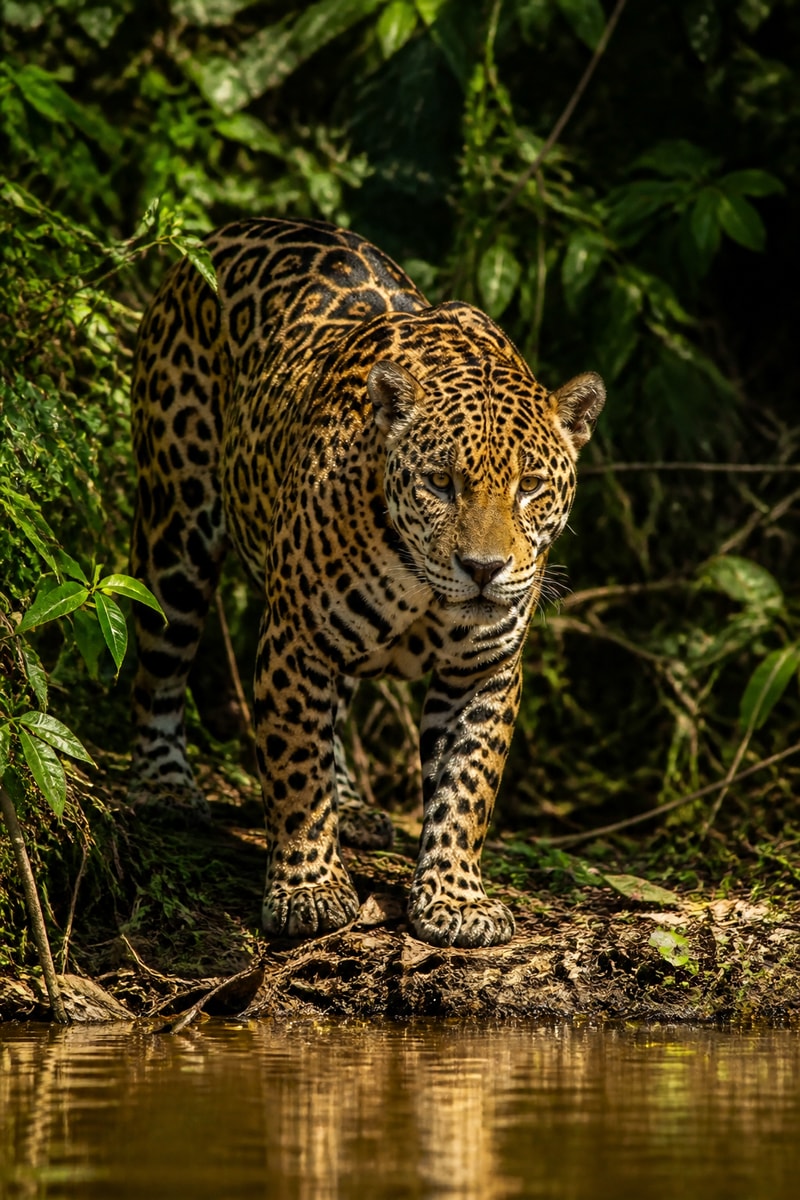
- Jaguarlegendary • Rainforest & Wetland
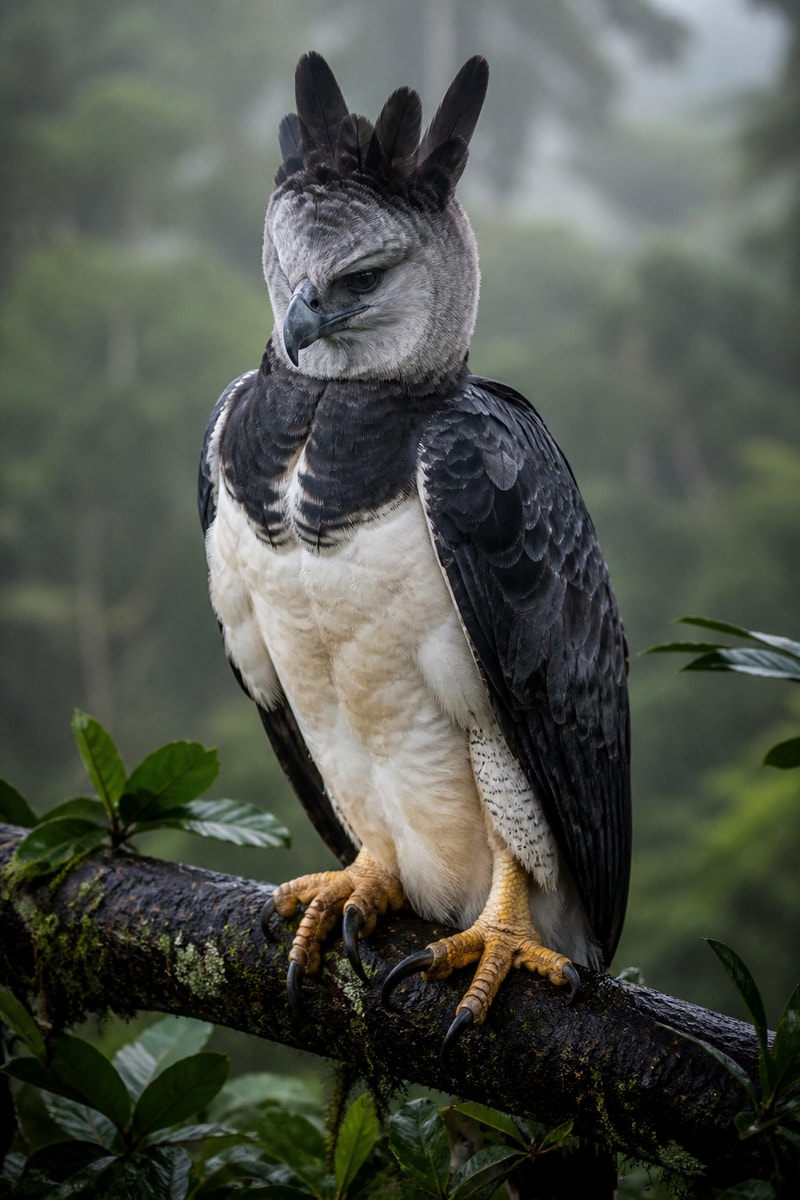
- Harpy Eaglelegendary • Rainforest Canopy
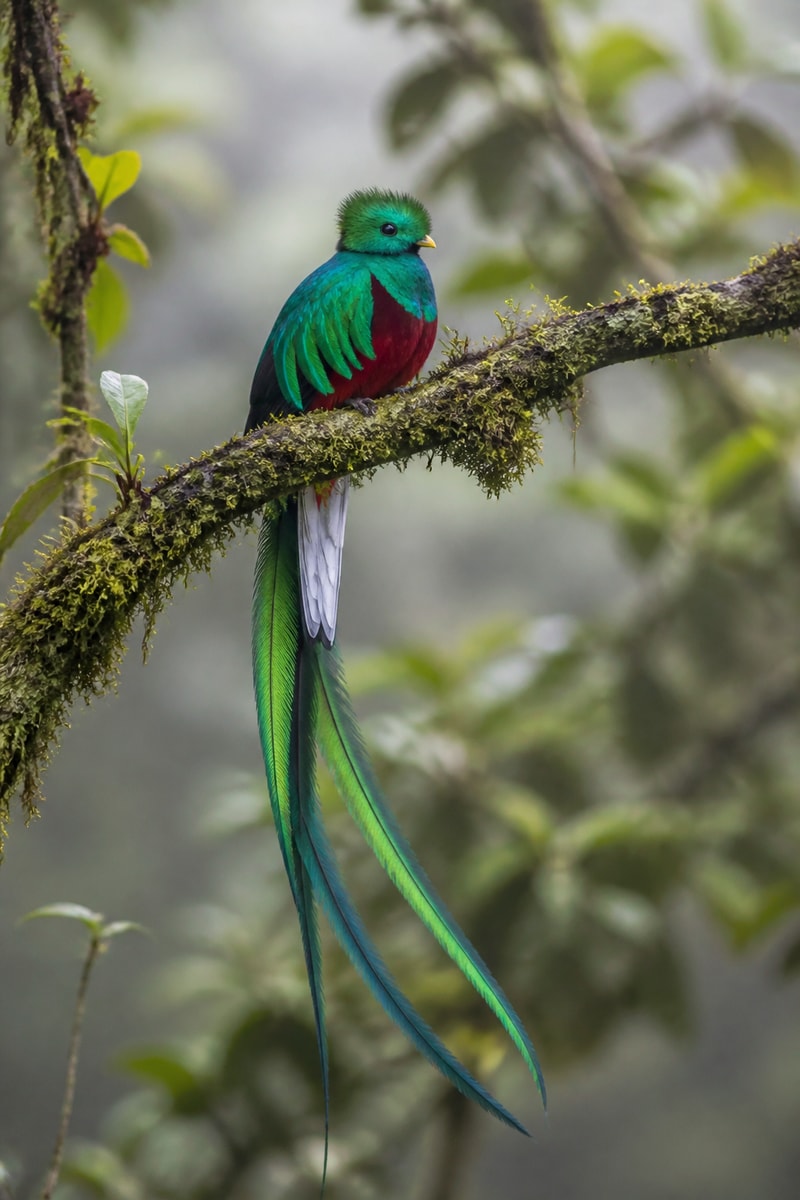
- Resplendent Quetzallegendary • Cloud Forest
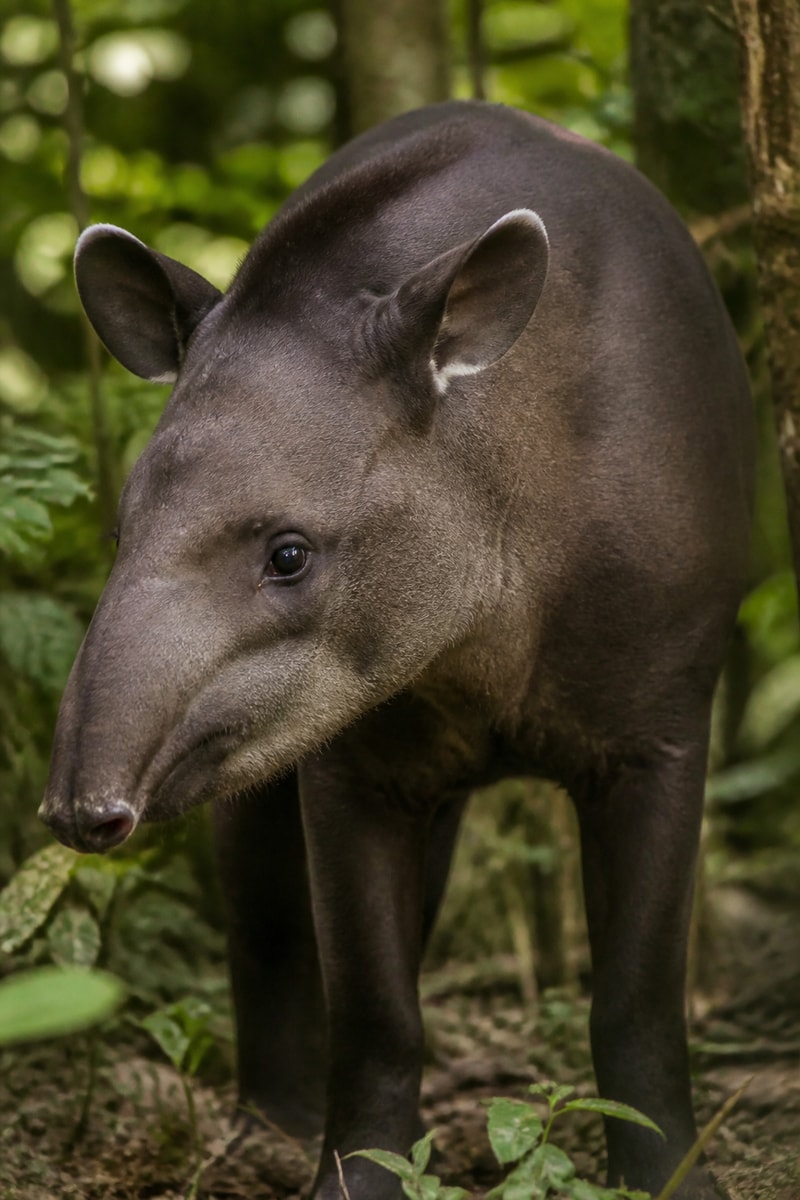
- Baird's Tapirlegendary • Central American Forest
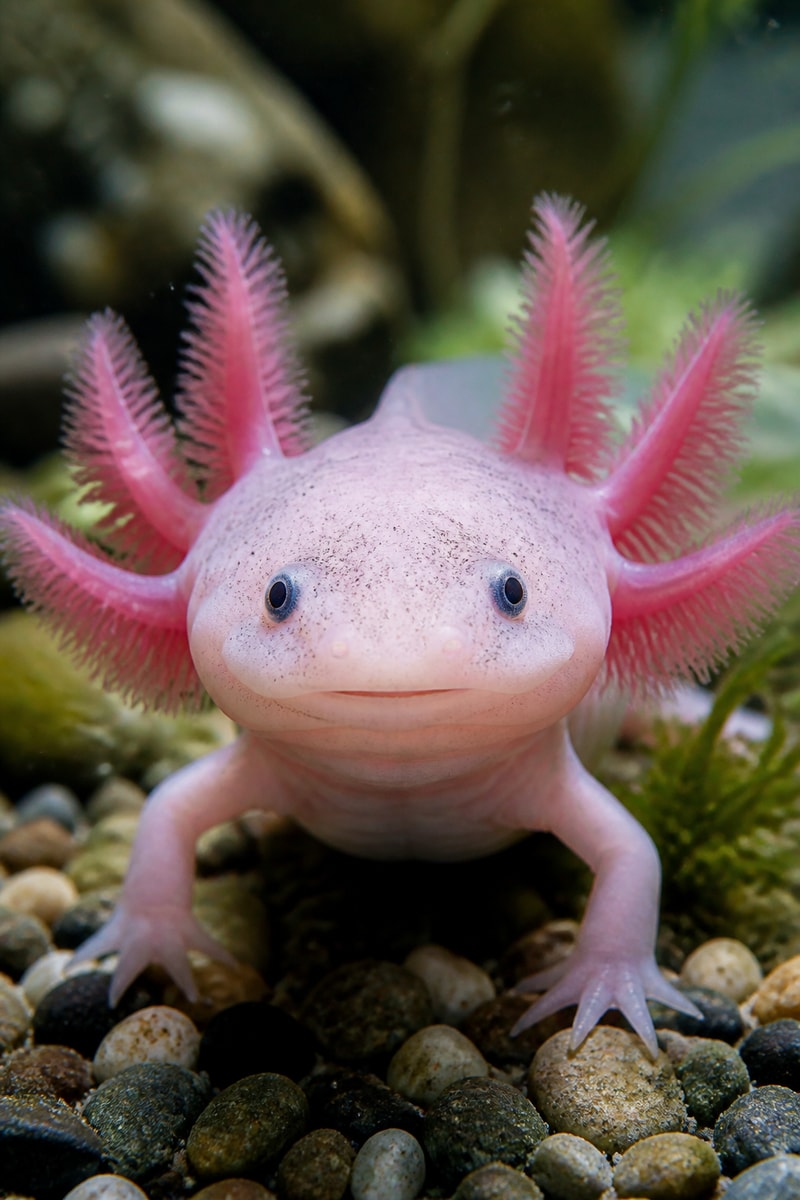
- Axolotlrare • Lake & Canals
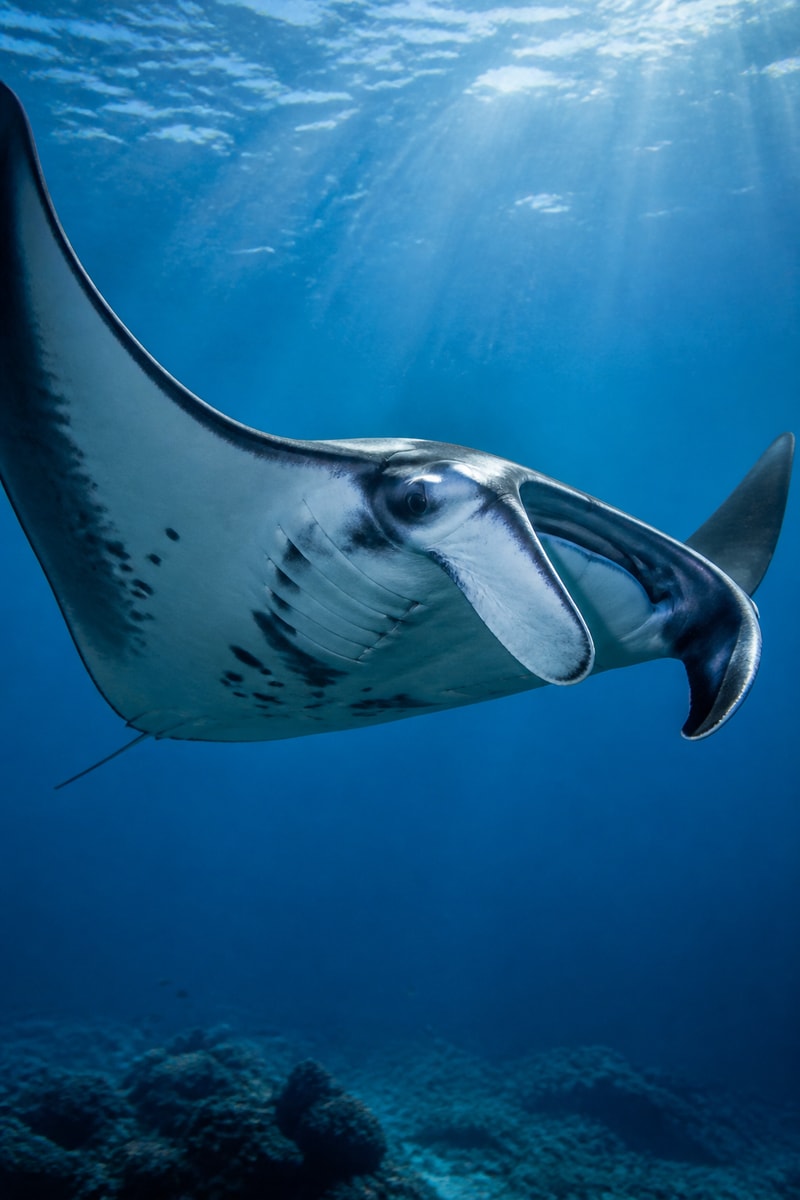
- Giant Manta Rayrare • Open Ocean & Reefs
- Hawksbill Turtlerare • Coral Reefs
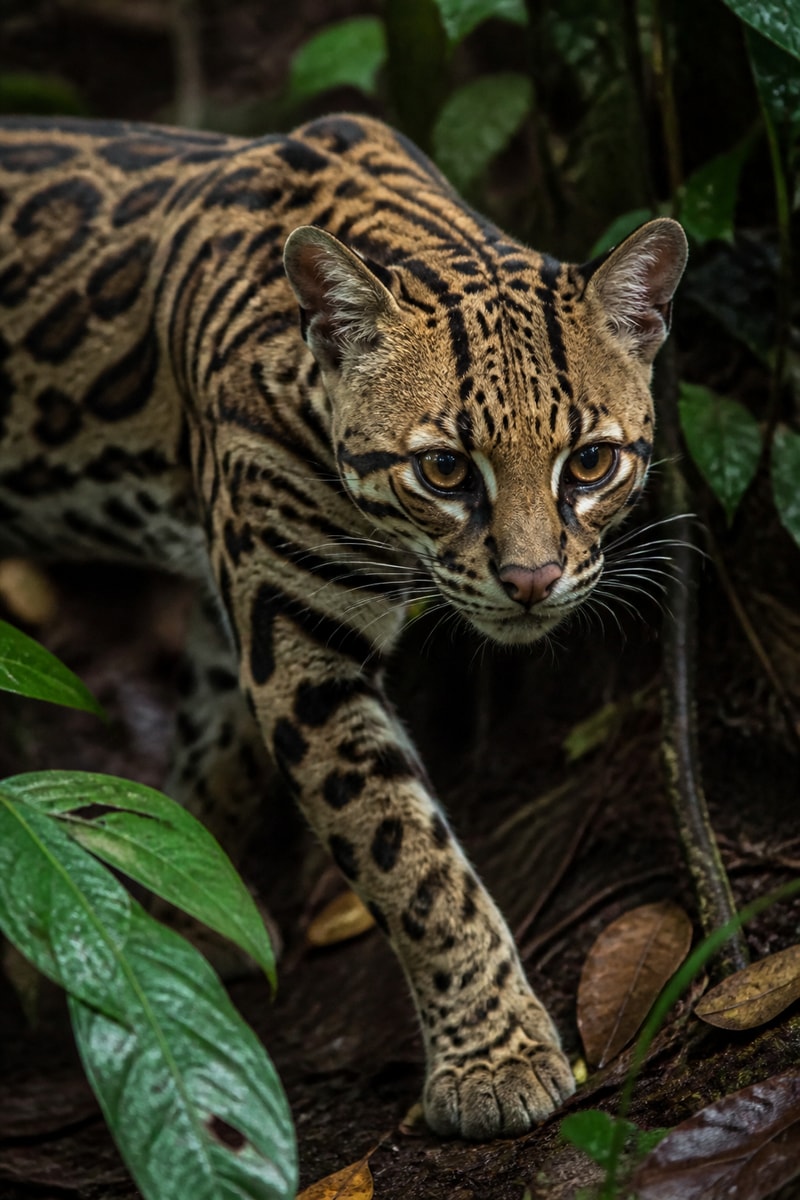
- Ocelotrare • Neotropical Forest
Free on iOS
Catch the White-nosed Coati
Spot one in the wild, then scan it in Catch'Um to log your common discovery.