
Field guide · rare
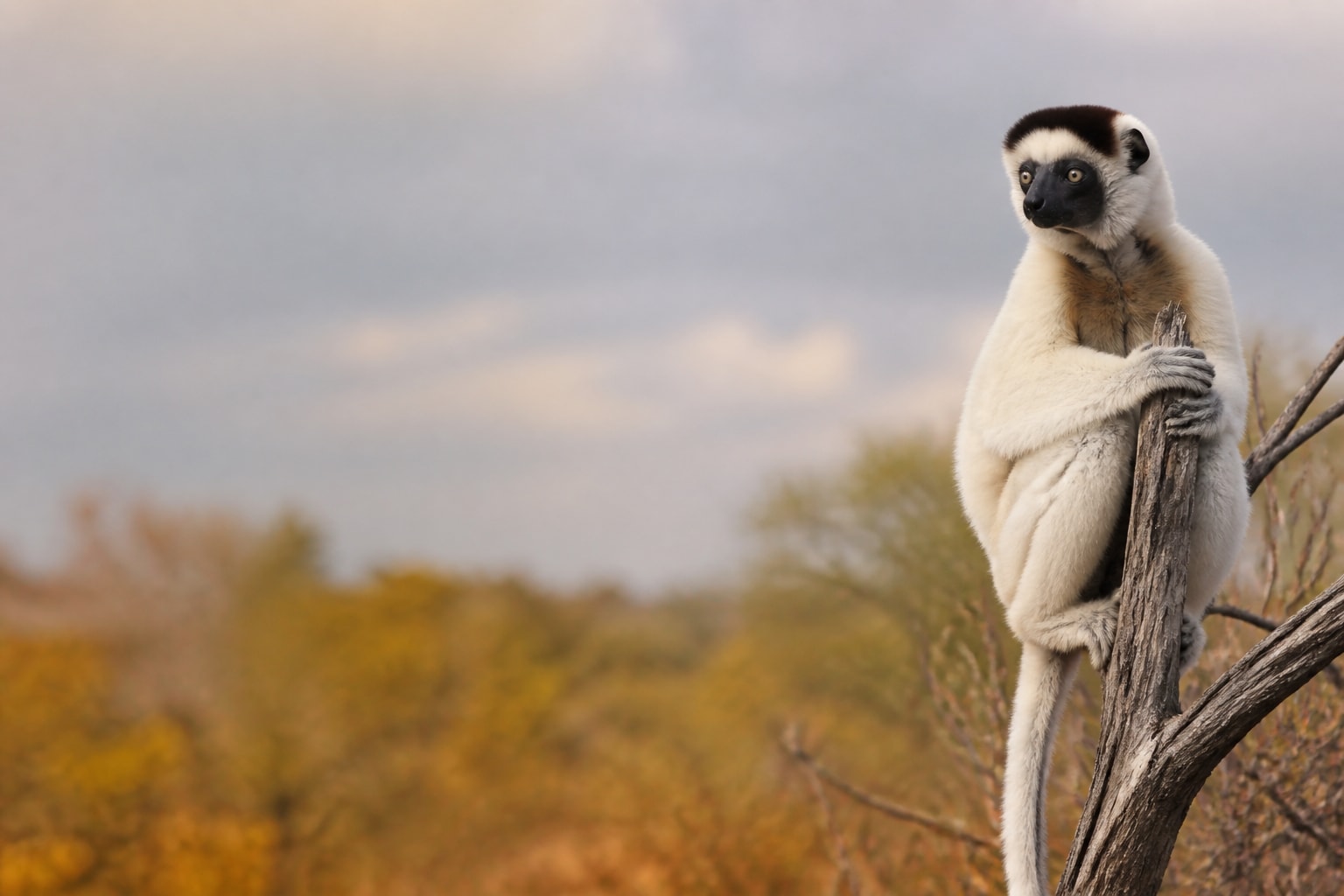
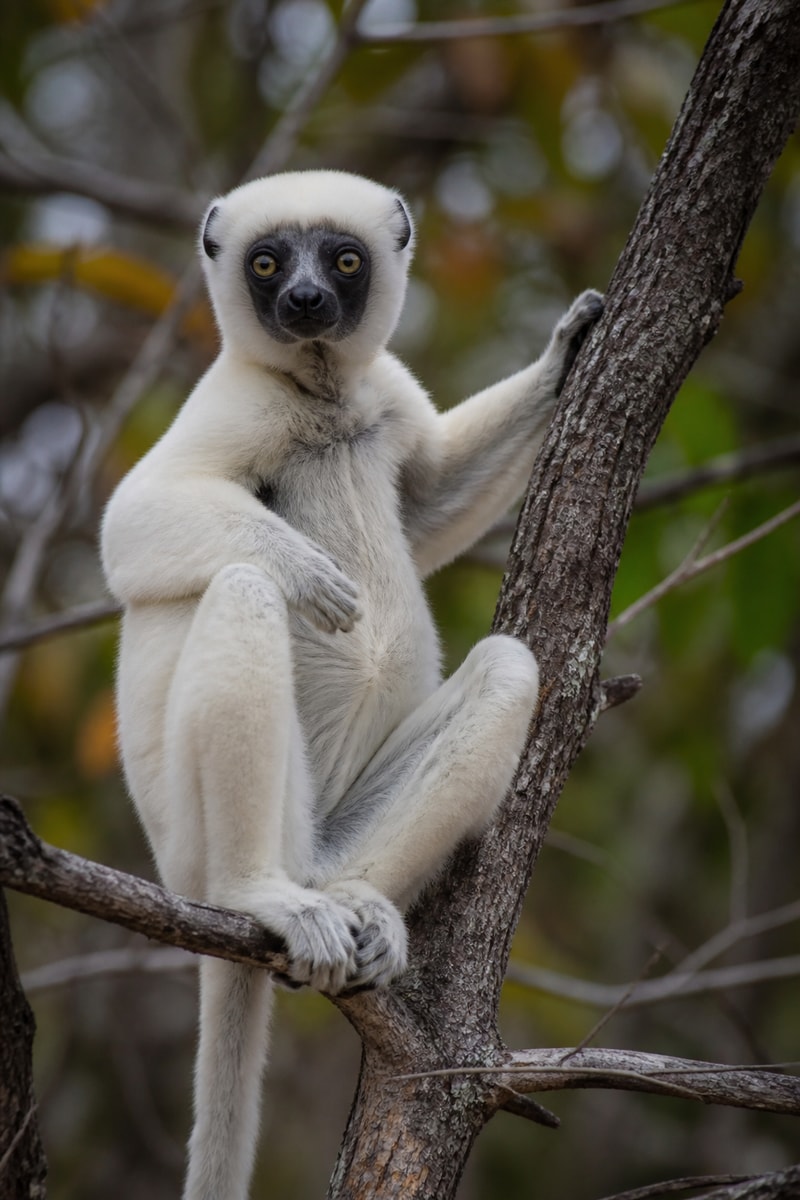
Verreaux's Sifaka
Madagascar's dancing lemur — white fur, vertical leaps, and sideways hops across the sand.
Endangered
Propithecus verreauxi
Overview
Verreaux's sifakas are large, mostly white lemurs of Madagascar's dry and spiny forests. In the trees they spring between trunks; on open ground they hop sideways on their hind legs in the famous 'dance'.
For Madagascar collectors, a sifaka mid-leap is a signature island card — elegant, athletic, and uniquely Malagasy.
- Scientific namePropithecus verreauxi
- Length40–48 cm body; tail ~50–60 cm
- Weight3–3.5 kg
- LifespanAround 15–20 years in the wild
- DietBrowse leaves
- ConservationEndangered
- RegionMadagascar Dry Forest
Where to see them
Habitat
- Dry deciduous forest
- Spiny thicket
- Gallery woodland
Dry deciduous forest, gallery woodland, and spiny thicket of southern and southwestern Madagascar, where tall trees provide leaping routes and leaves for browsing.
Field notes
Field scale for the Verreaux's Sifaka: length around 40-48 cm body; tail ~50-60 cm; weight 3-3.5 kg. Typical lifespan: Around 15-20 years in the wild.
When you are scanning habitat, prioritise dry deciduous forest, spiny thicket, and gallery woodland. Those settings are where a clean look and a usable photo are most likely.
Quick ID anchor: Mostly white coat with dark face, crown, and often dark limbs; long bushy tail. Confirm with behaviour and habitat before you log the discovery.
Diet
Browse leaves, buds, flowers, fruit, and bark from dry-forest trees and shrubs.
Shift plant choices with season as foliage availability changes.
Behaviour
Live in small family groups; leap between vertical trunks by day.
Rest and sunbathe in the canopy; sleep in trees at night.
How to identify
Mostly white coat with dark face, crown, and often dark limbs; long bushy tail.
Upright clinging posture and sideways bipedal hop on the ground.
Interesting facts
- 01
They hop sideways on two legs when crossing open ground.
- 02
Powerful hind legs launch vertical leaps of several metres.
- 03
Diet is mostly leaves, fruit, flowers, and bark.
- 04
Family groups defend territories with scent and loud calls.
- 05
Infants cling to the mother's belly, then ride on her back.
- 06
They are diurnal and sunbathe in early morning light.
Conservation status
Verreaux's sifakas are Endangered. Slash-and-burn agriculture, charcoal production, and hunting fragment dry forests. Protected reserves in southern Madagascar are critical refuges.
Sources: IUCN Red List
Keep exploring
Related discoveries
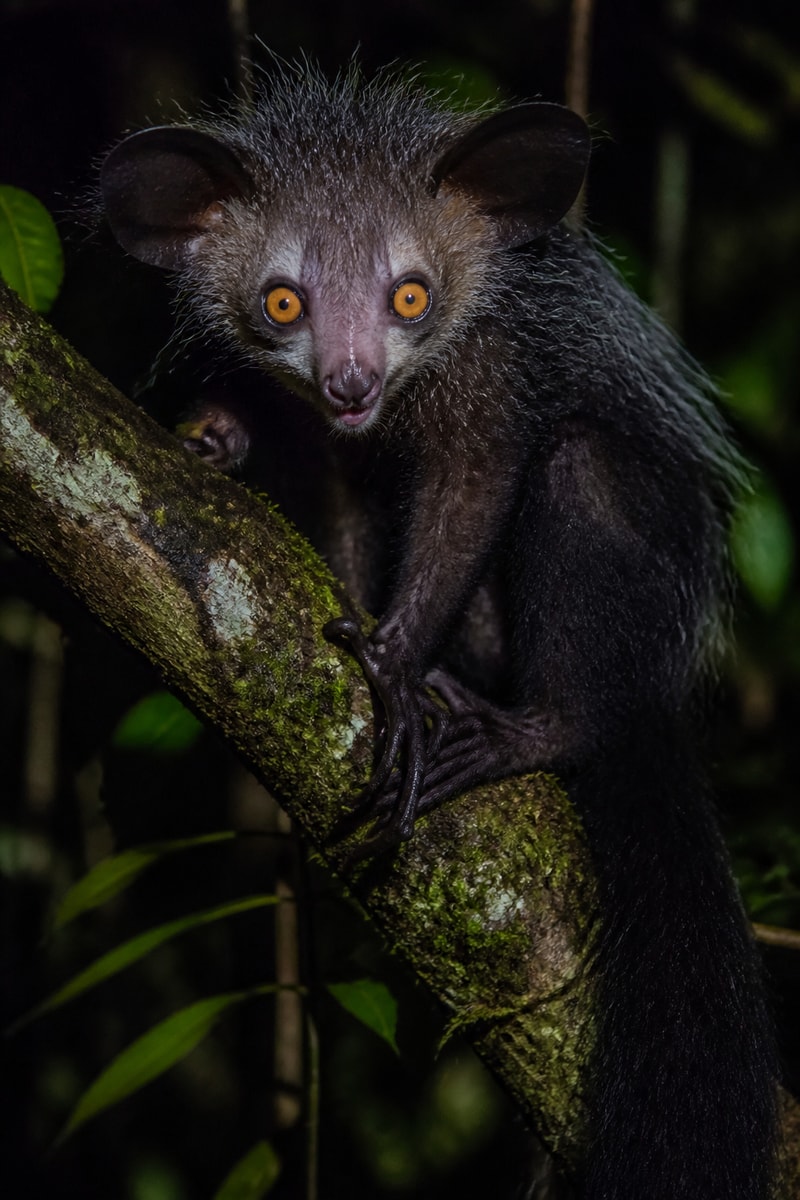
- Aye-ayelegendary • Madagascar Rainforest
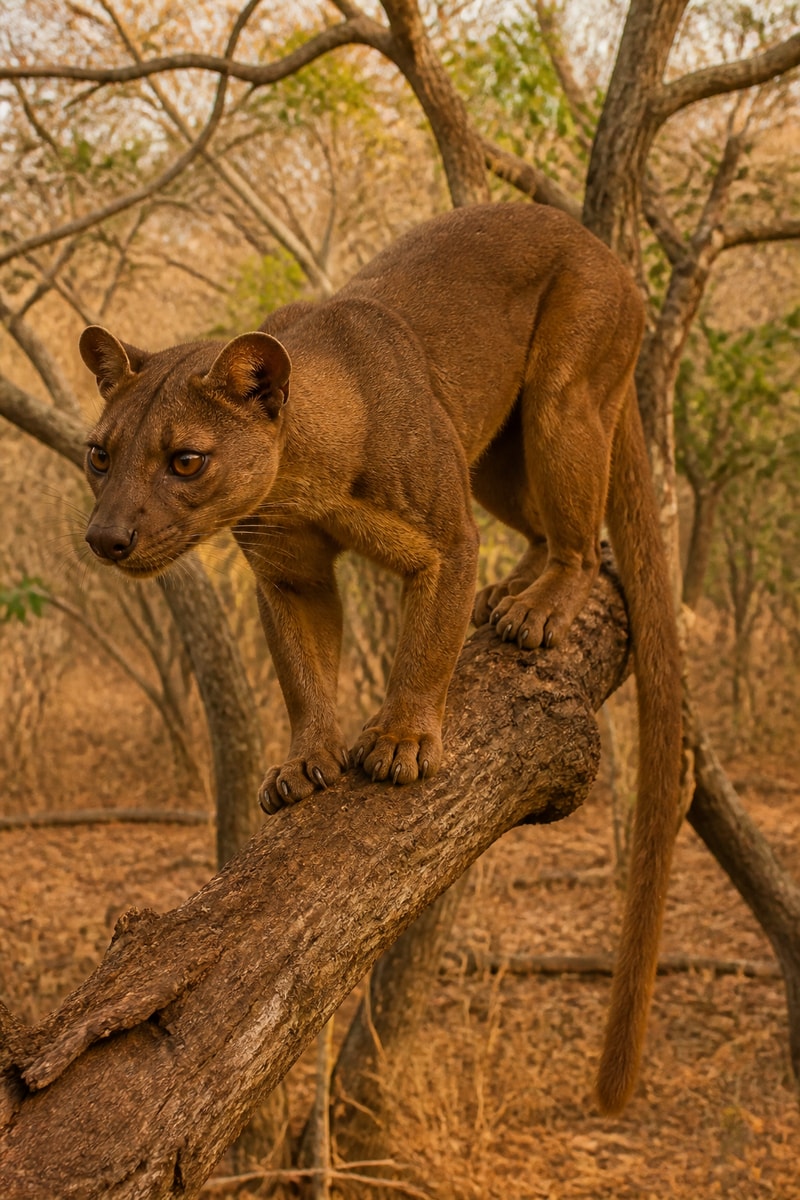
- Fossalegendary • Madagascar Forest
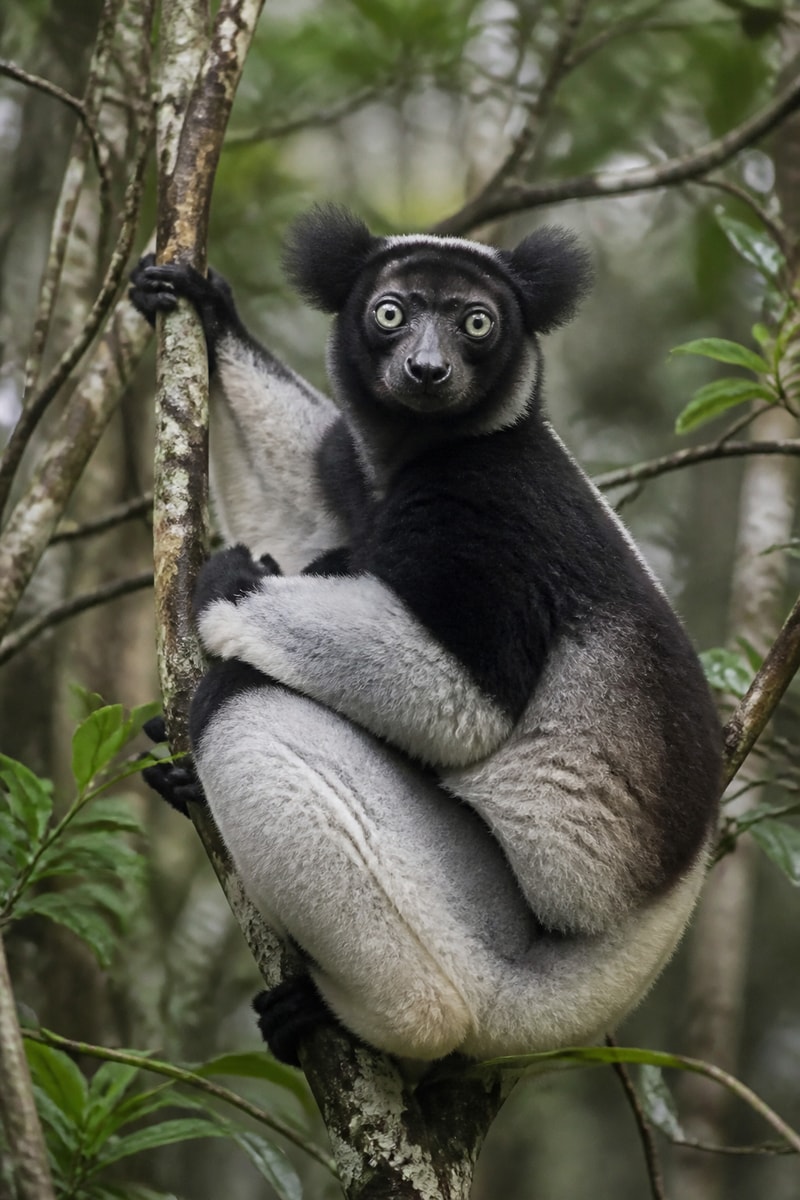
- Indrilegendary • Madagascar Rainforest
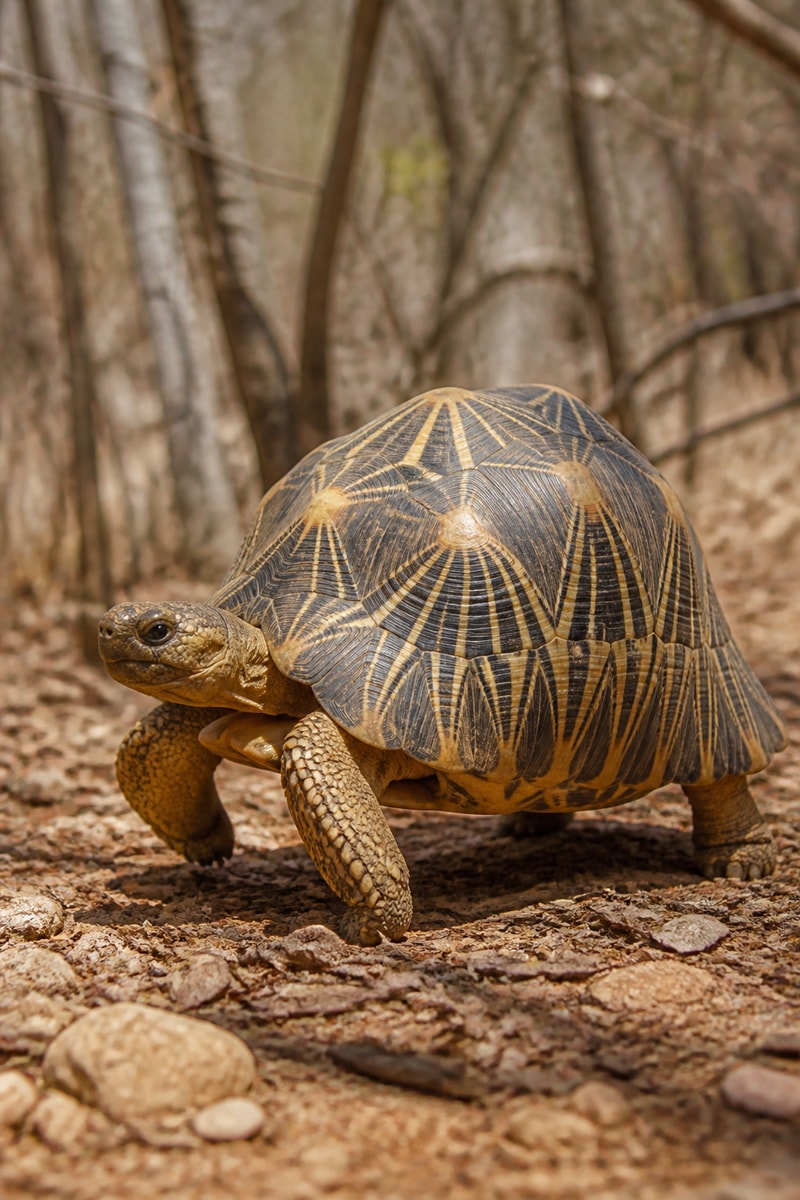
- Radiated Tortoiselegendary • Madagascar Spiny Forest
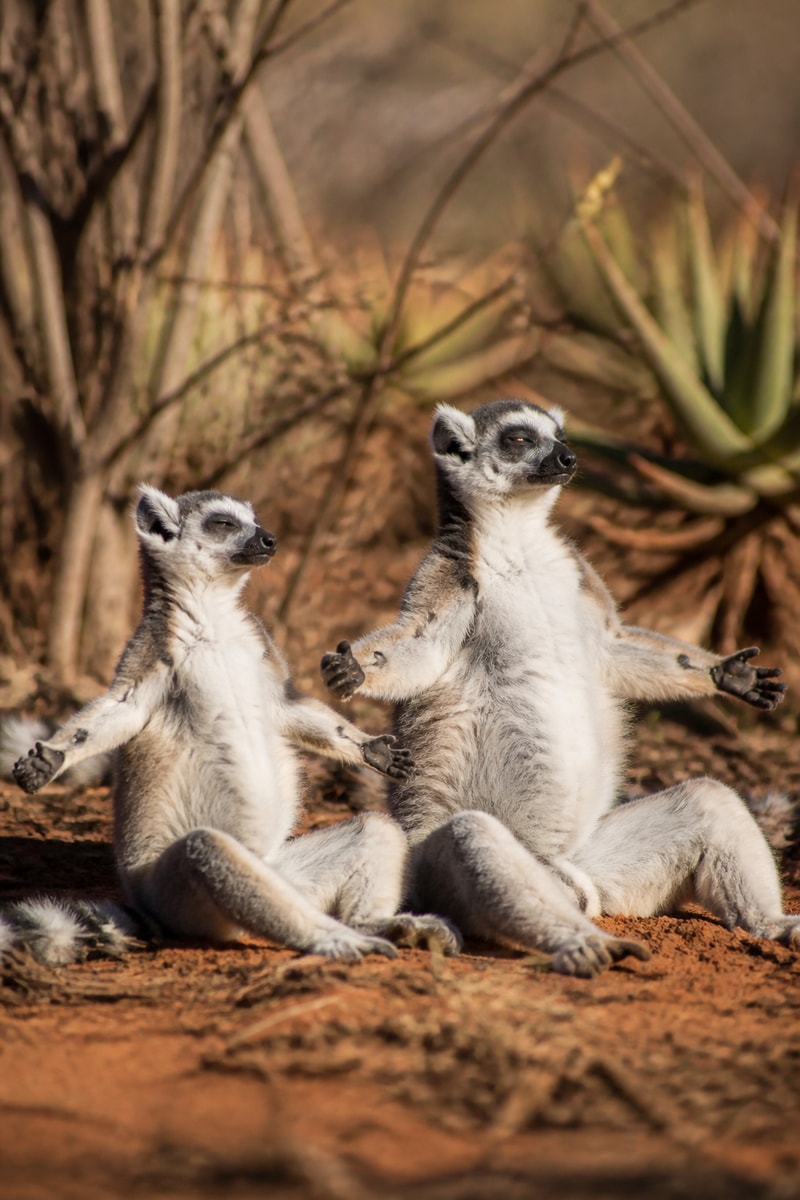
- Ring-tailed Lemurrare • Dry Forest
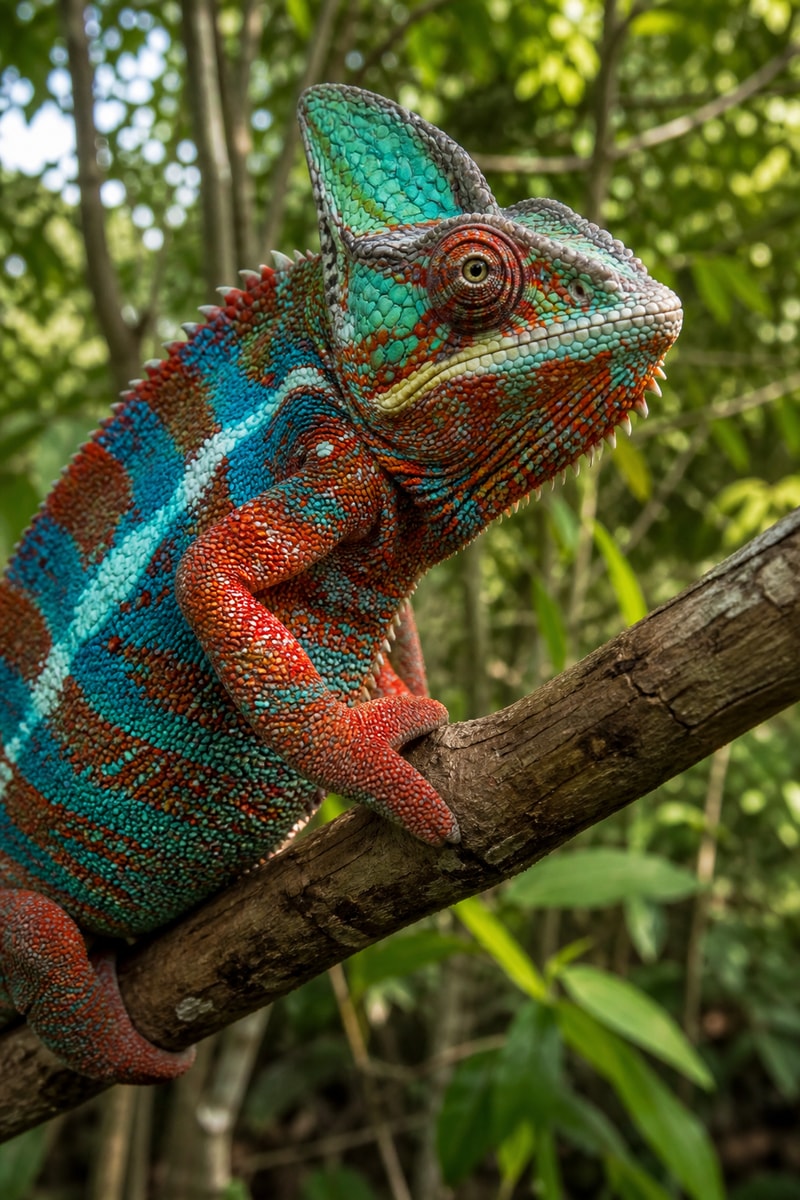
- Panther Chameleonrare • Madagascar Forest
- Satanic Leaf-tailed Geckorare • Madagascar Rainforest
- Grey Mouse Lemurcommon • Madagascar Dry Forest
Free on iOS
Catch the Verreaux's Sifaka
Spot one in the wild, then scan it in Catch'Um to log your rare discovery.