
Field guide · legendary
Indri
Madagascar's singing giant lemur — black-and-white, almost tailless, with a call that carries for kilometres.
Critically Endangered
Indri indri
Overview
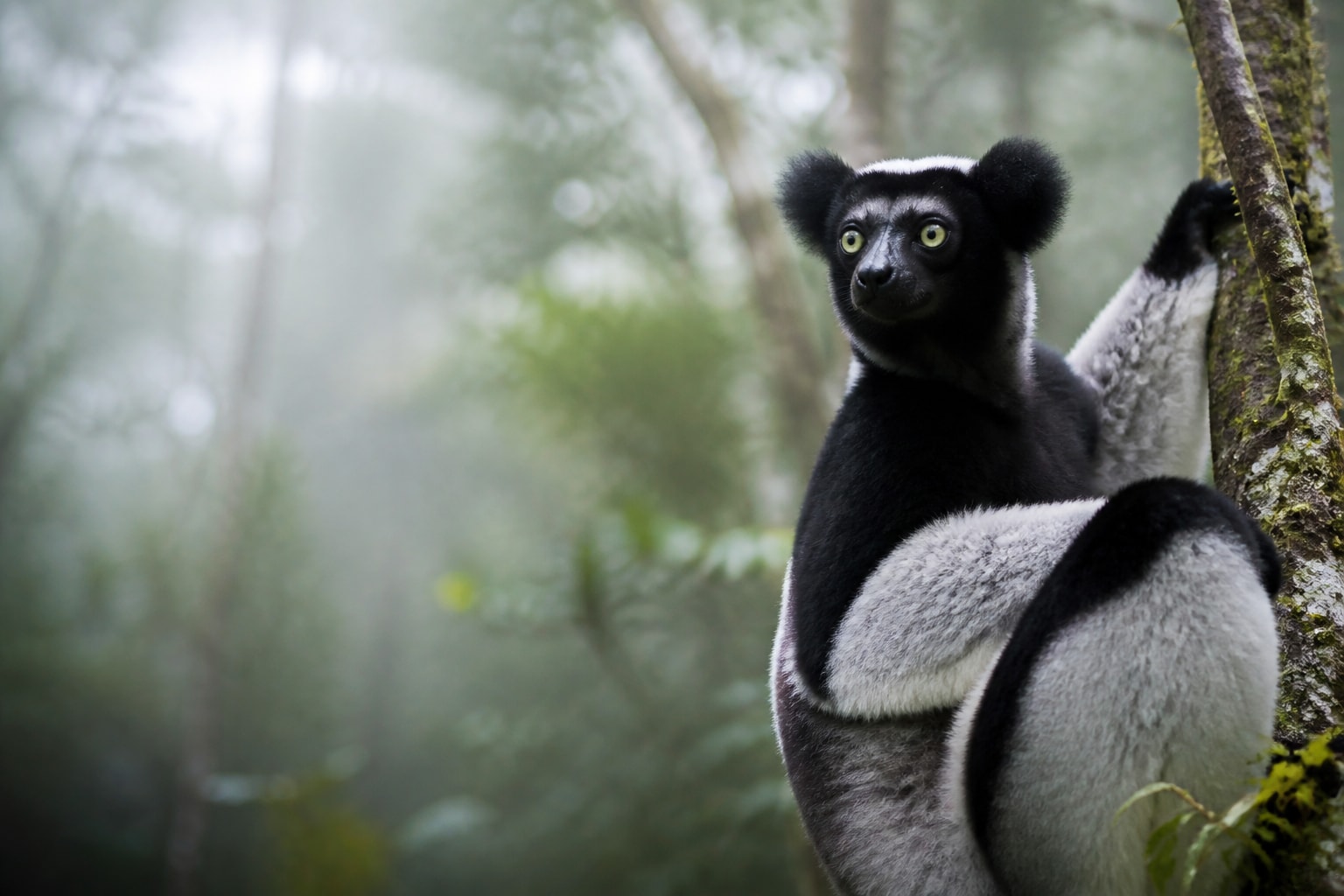
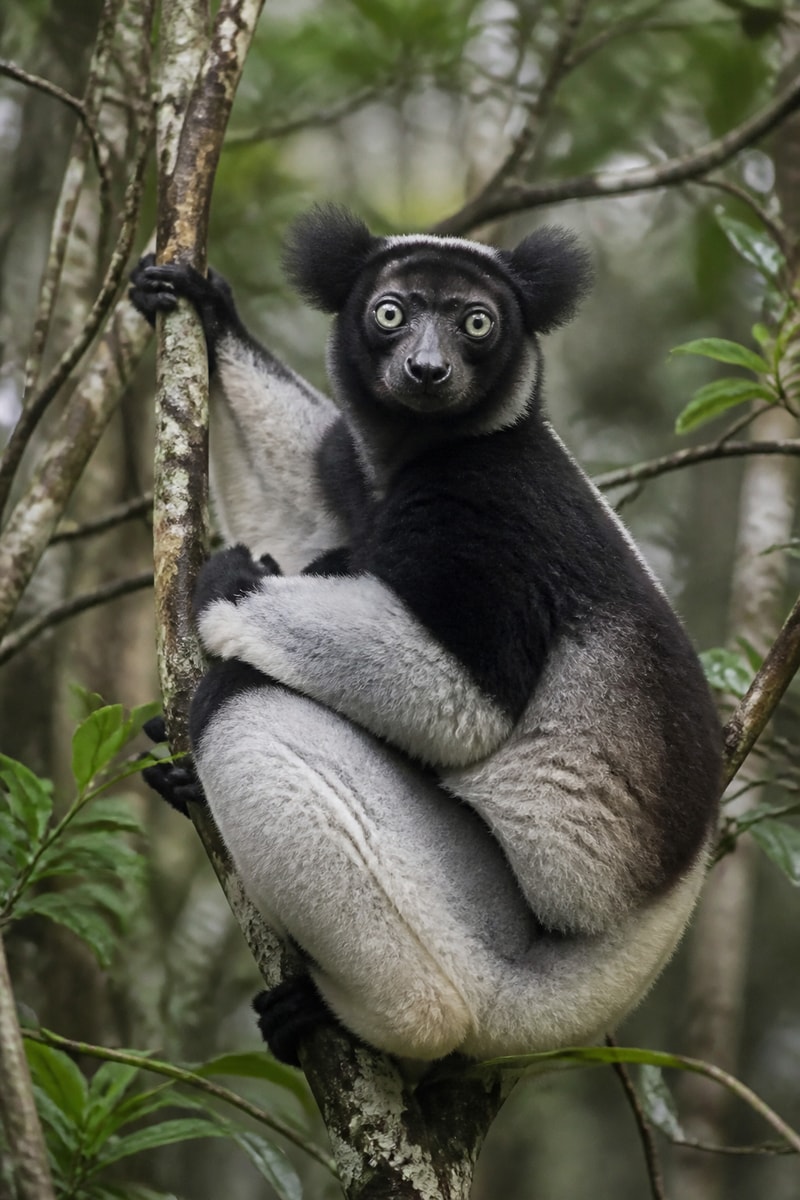
The indri is the largest living lemur: a striking black-and-white climber with barely a stub of a tail and a haunting, coordinated song that echoes through eastern rainforest. Families defend territories with dawn choruses that feel almost whale-like.
Paired with ring-tailed lemurs, aye-ayes, and fossas, the indri makes Madagascar feel like a complete Catch'Um expedition set.
- Scientific nameIndri indri
- Length60–70 cm body
- Weight6–9.5 kg
- LifespanAround 15–20 years in the wild
- DietFolivore
- ConservationCritically Endangered
- RegionMadagascar Rainforest
Where to see them
Habitat
- Tropical rainforest
- Mid-altitude forest
Eastern Madagascar's humid rainforest, from lowland to mid-altitude forest with continuous canopy for leaping between trunks.
Field notes
Field scale for the Indri: length around 60-70 cm body; weight 6-9.5 kg. Typical lifespan: Around 15-20 years in the wild.
When you are scanning habitat, prioritise tropical rainforest and mid-altitude forest. Those settings are where a clean look and a usable photo are most likely.
Quick ID anchor: Large black-and-white lemur with a short face, tufted ears, and almost no tail. Confirm with behaviour and habitat before you log the discovery.
Where to see one
Madagascar
In Madagascar, start at Andasibe-Mantadia National Park (Eastern Madagascar). Rainforest reserve where indri lemurs' haunting calls carry for kilometres, and night walks may reveal aye-ayes tapping for grubs.
More context on this destination lives on the Madagascar expedition page.
Diet
Primarily leaves, plus fruit, flowers, and seeds from rainforest trees.
Selective folivores that spend long periods resting to digest.
Behaviour
Live in small family groups; leap powerfully between vertical trunks.
Dawn songs advertise territory and strengthen group bonds.
How to identify
Large black-and-white lemur with a short face, tufted ears, and almost no tail.
Long powerful hind legs built for vertical clinging and leaping.
Interesting facts
- 01
Indris are the largest living lemurs.
- 02
They have only a tiny remnant tail — unusual among lemurs.
- 03
Family groups sing loud, coordinated territorial songs.
- 04
They eat leaves, fruit, and flowers high in the canopy.
- 05
Babies cling to mothers for months while learning to leap.
- 06
Local folklore treats the indri with special respect in many communities.
Conservation status
Indris are Critically Endangered. Deforestation fragments their rainforest home. Protected parks such as Andasibe-Mantadia are vital strongholds for remaining family groups.
Sources: IUCN Red List
Keep exploring
Where it lives
Related discoveries
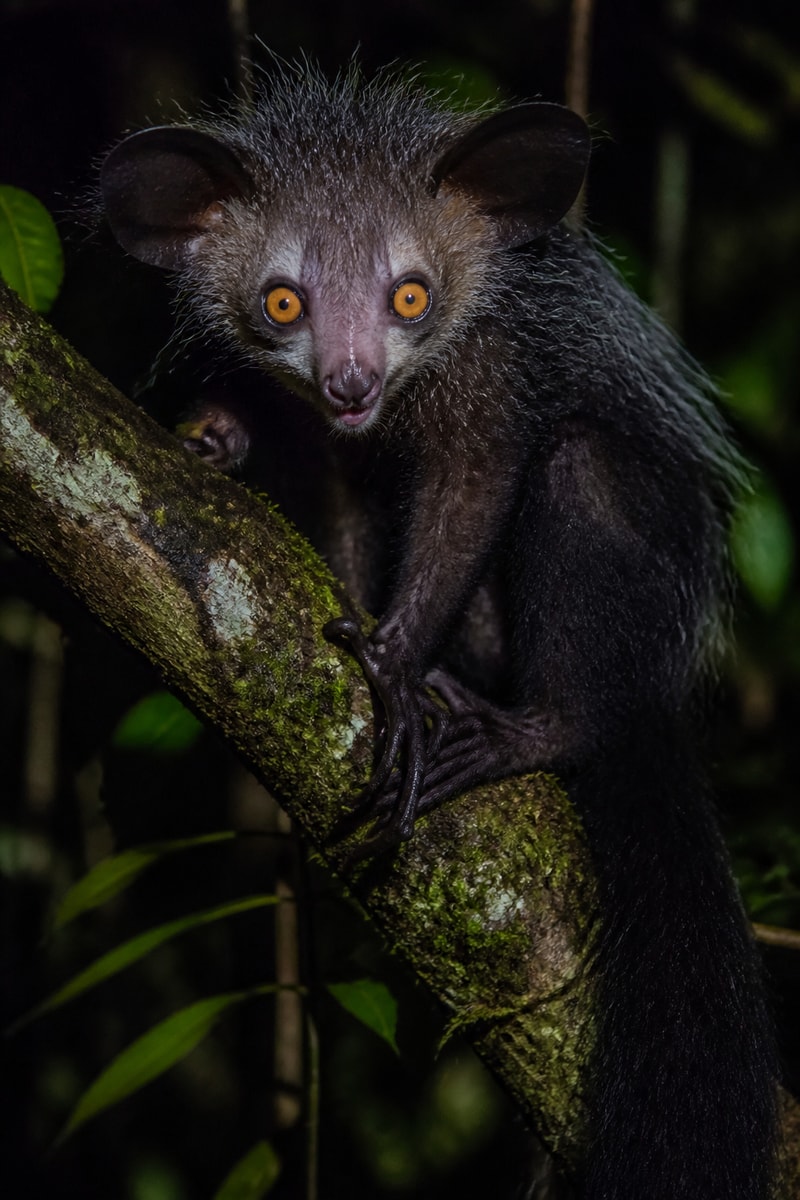
- Aye-ayelegendary • Madagascar Rainforest
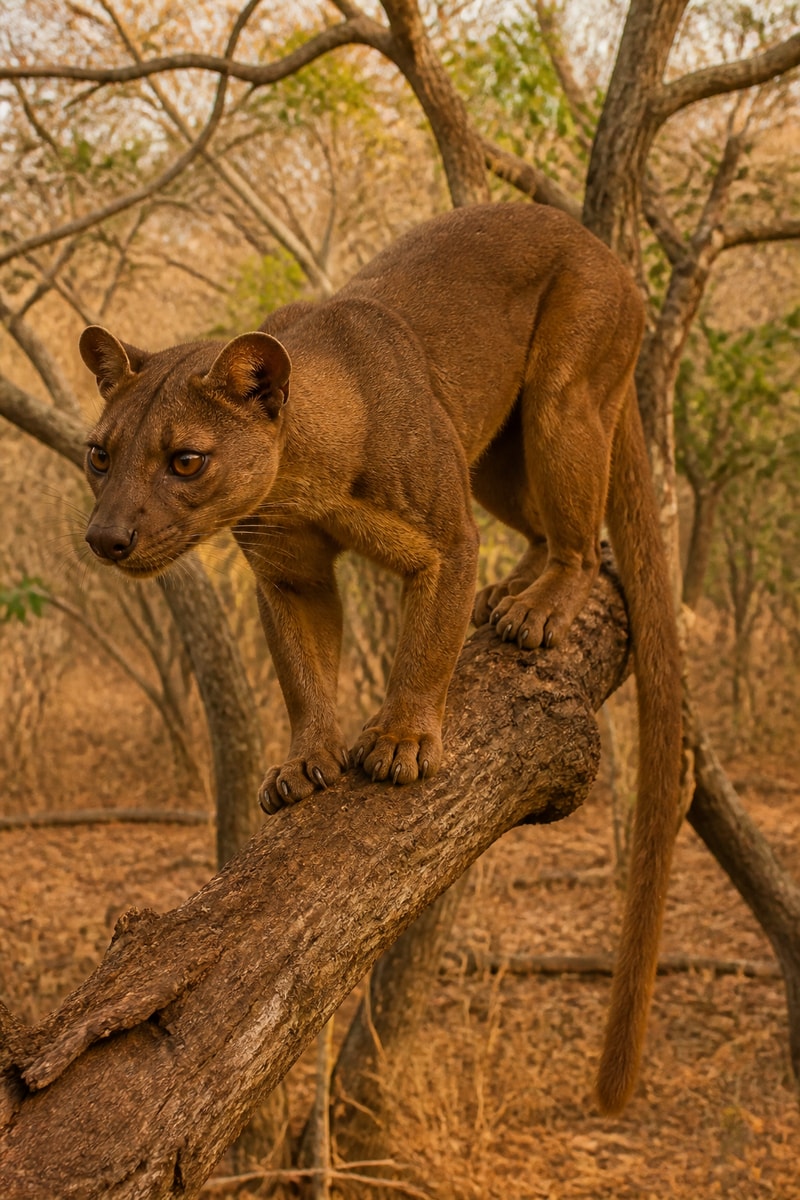
- Fossalegendary • Madagascar Forest
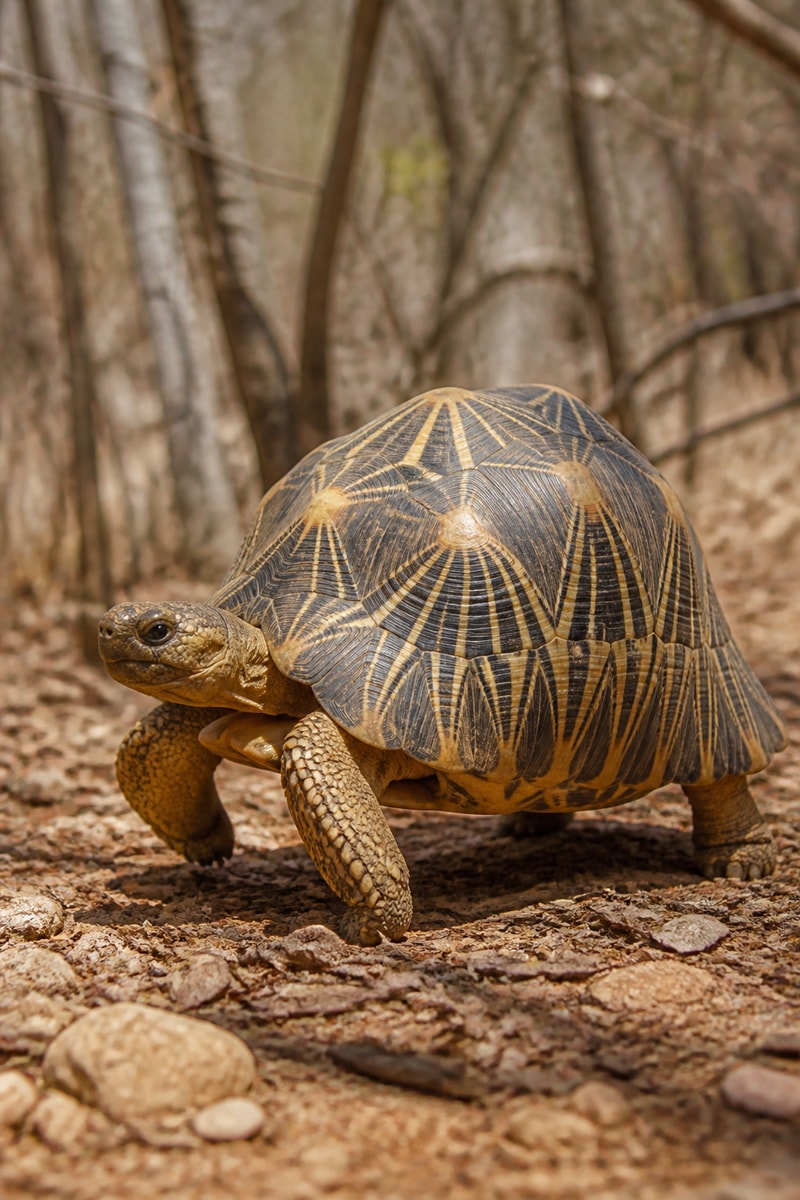
- Radiated Tortoiselegendary • Madagascar Spiny Forest
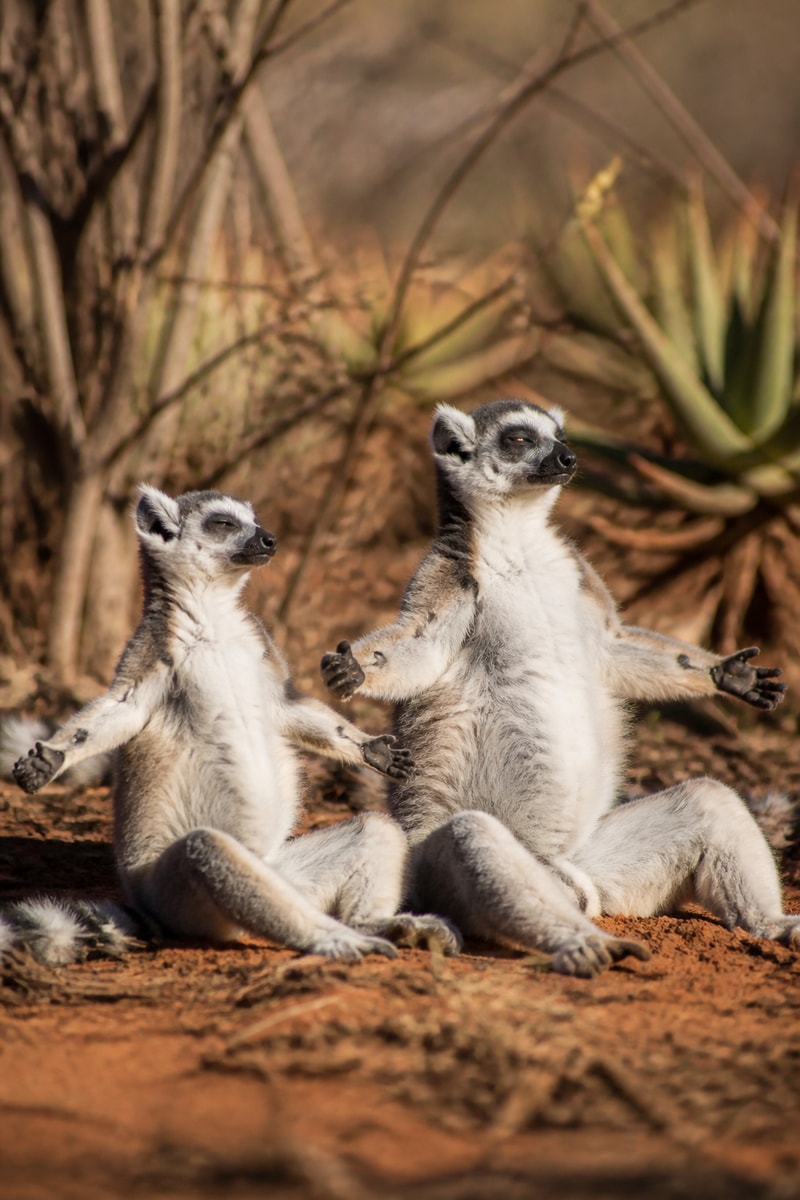
- Ring-tailed Lemurrare • Dry Forest
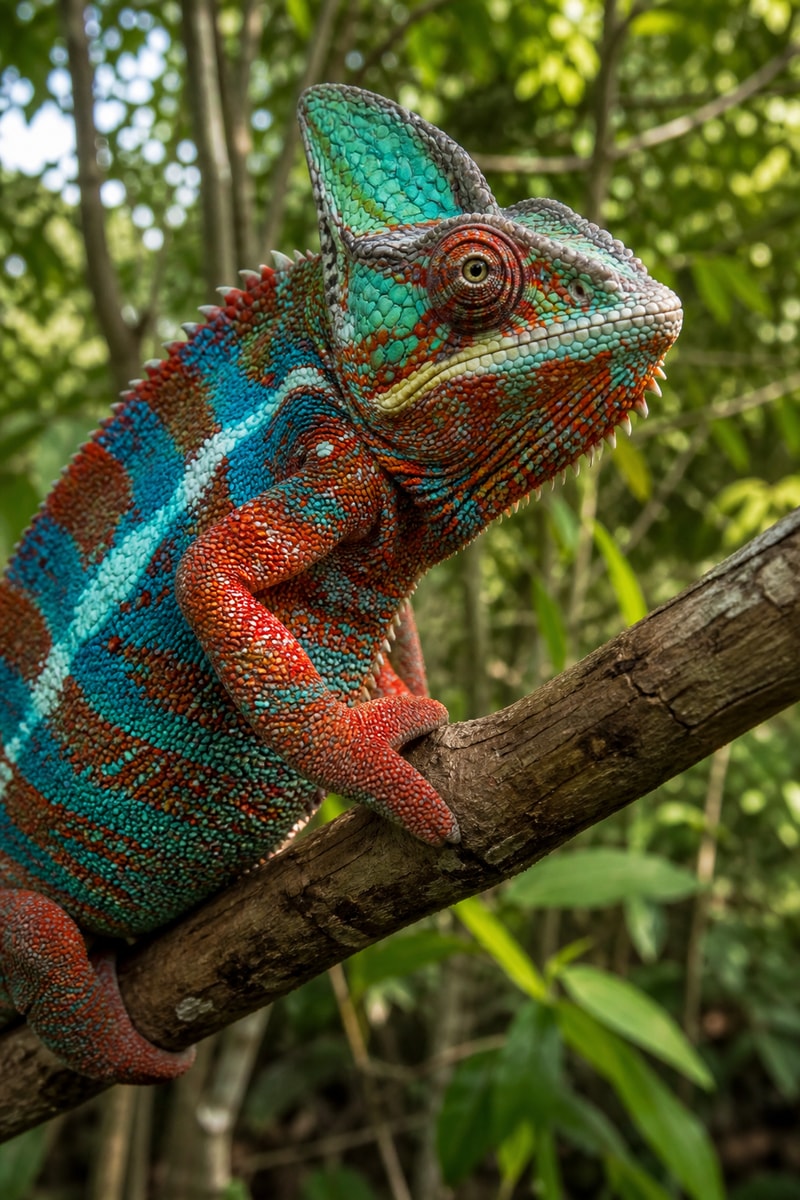
- Panther Chameleonrare • Madagascar Forest
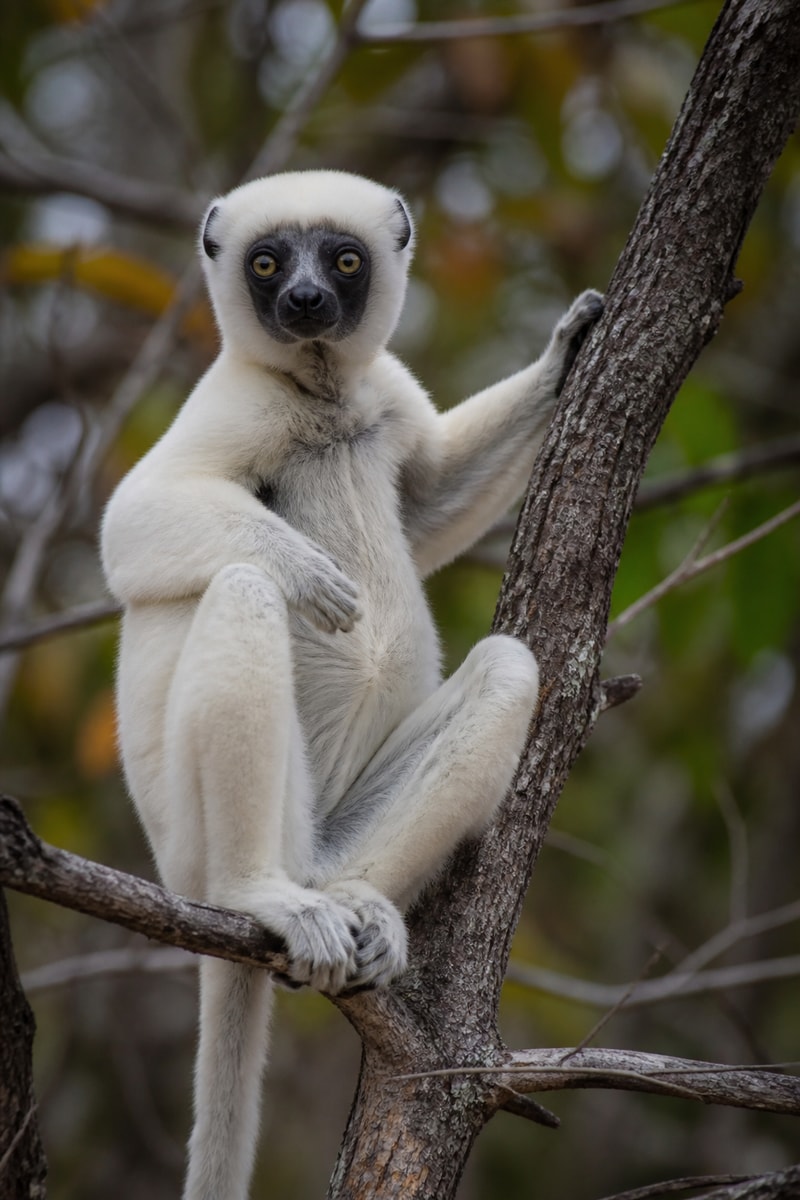
- Verreaux's Sifakarare • Madagascar Dry Forest
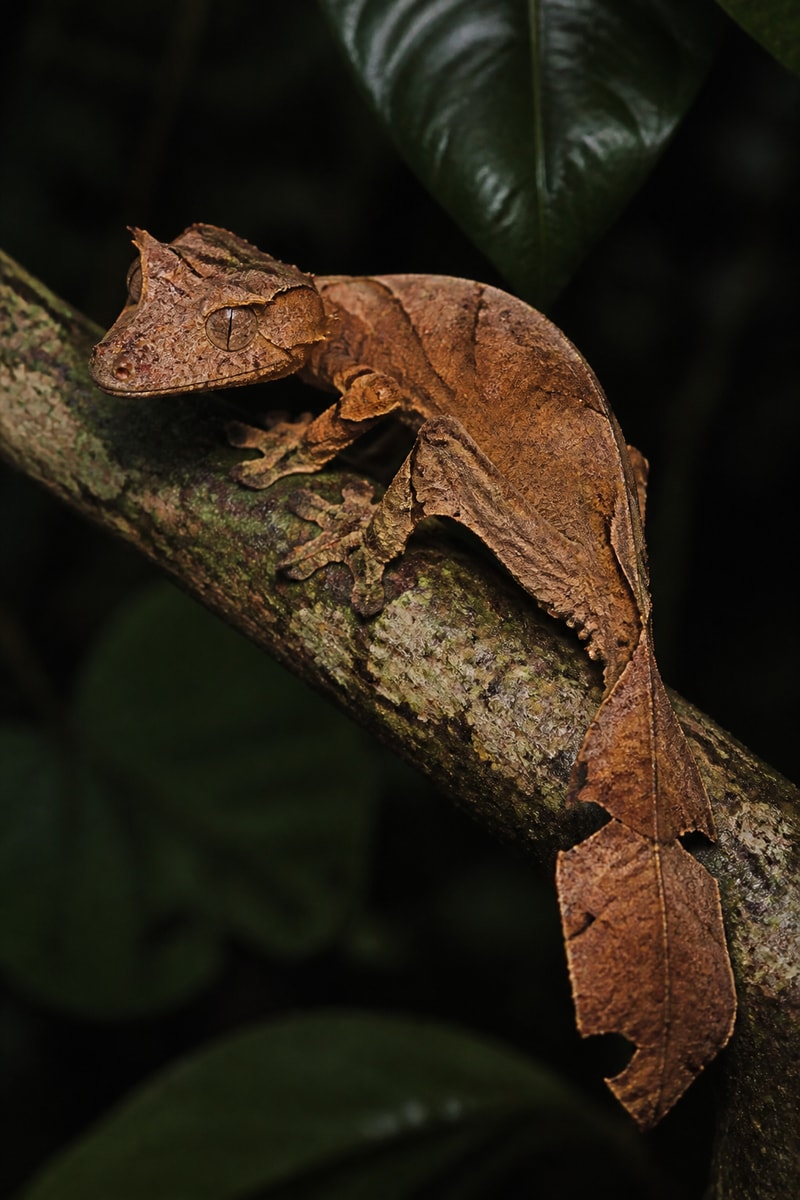
- Satanic Leaf-tailed Geckorare • Madagascar Rainforest
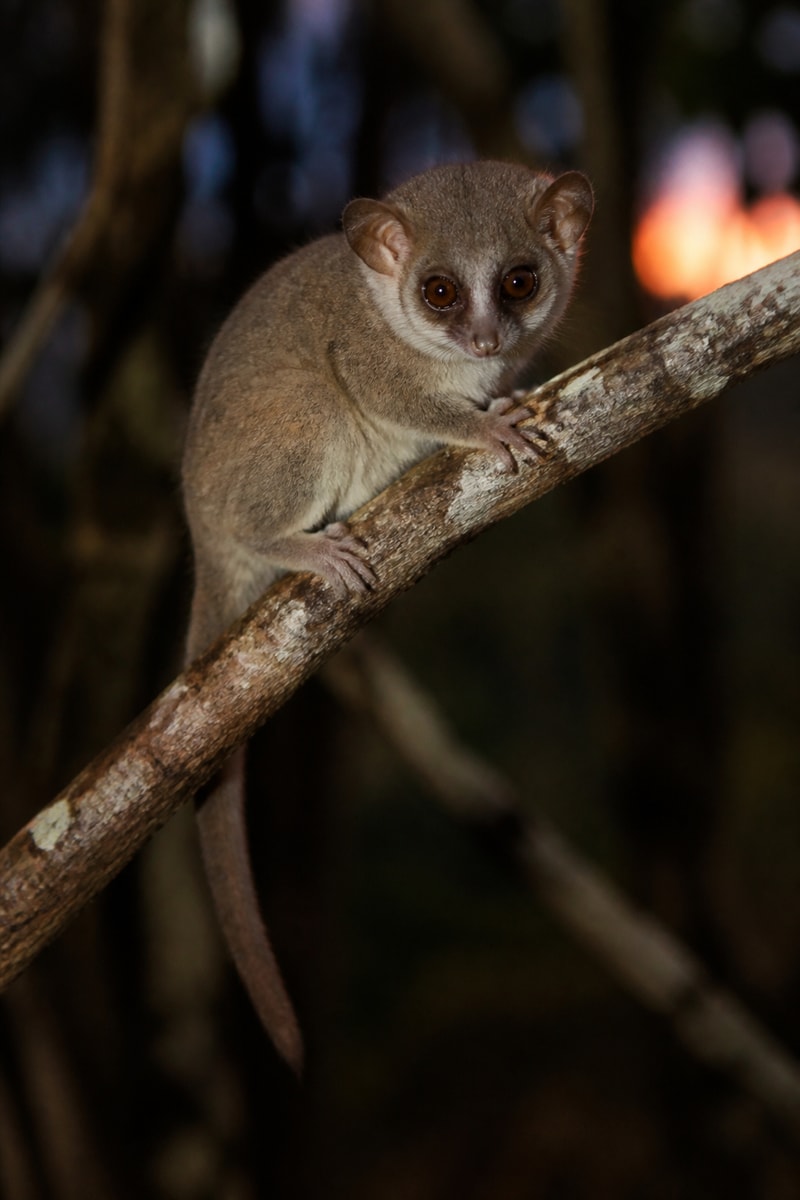
- Grey Mouse Lemurcommon • Madagascar Dry Forest
Free on iOS
Catch the Indri
Spot one in the wild, then scan it in Catch'Um to log your legendary discovery.