
Field guide · legendary
Aye-aye
Madagascar's nocturnal woodpecker lemur — huge ears, amber eyes, and a skeletal middle finger that taps for hidden grubs.
Endangered
Daubentonia madagascariensis
Overview
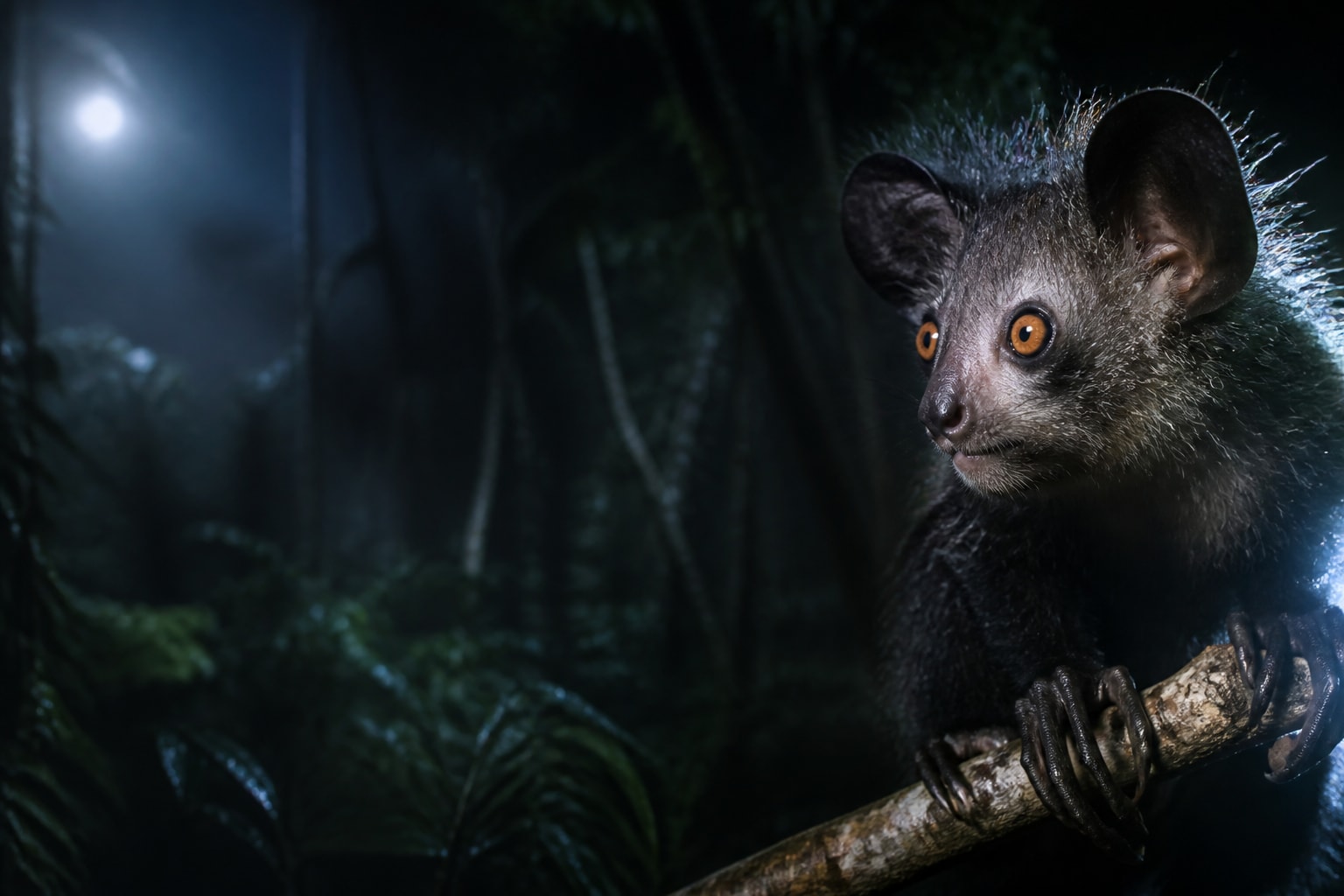
The aye-aye is one of the strangest primates on Earth: a nocturnal lemur that fills the niche of a woodpecker. It taps tree bark with an elongated middle finger, listens for hollow insect tunnels with oversized ears, then gnaws an opening and hooks out grubs with that same finger.
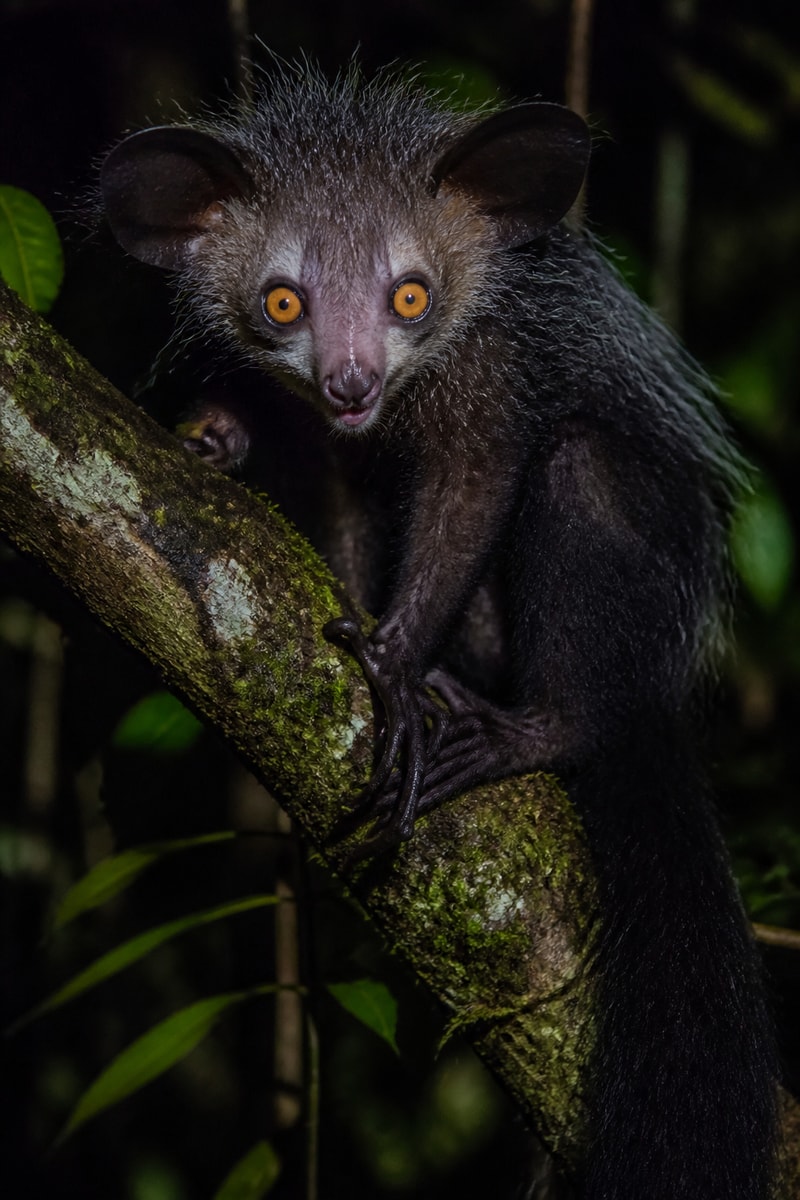
For Catch'Um collectors, an aye-aye sighting is genuinely legendary. Almost entirely nocturnal, secretive, and found only in Madagascar's forests, it rewards patient night walks with a silhouette of bat-like ears and glowing amber eyes.
- Scientific nameDaubentonia madagascariensis
- Length30–37 cm body; tail 44–53 cm
- Weight2–2.5 kg
- LifespanAround 20 years in the wild; longer in captivity
- DietOmnivore
- ConservationEndangered
- RegionMadagascar Rainforest
Where to see them
Habitat
- Tropical rainforest
- Deciduous forest
- Coastal forest
Aye-ayes live in primary and secondary rainforest, deciduous forest, and coastal forest across eastern and northwestern Madagascar. They nest by day in leafy spherical nests high in the canopy and forage alone through the night along trunks and large branches.
Field notes
Field scale for the Aye-aye: length around 30-37 cm body; tail 44-53 cm; weight 2-2.5 kg. Typical lifespan: Around 20 years in the wild; longer in captivity.
When you are scanning habitat, prioritise tropical rainforest, deciduous forest, and coastal forest. Those settings are where a clean look and a usable photo are most likely.
Quick ID anchor: Look for shaggy dark brown-black fur, a long bushy tail, enormous bat-like ears, and large amber eyes that catch torchlight. The giveaway is the thin, skeletal middle finger, far longer and more spindly than the others, used for tapping and probing. Confirm with behaviour and habitat before you log the discovery.
Where to see one
Madagascar
In Madagascar, strong options include Andasibe-Mantadia National Park and Kirindy Forest. Rainforest reserve where indri lemurs' haunting calls carry for kilometres, and night walks may reveal aye-ayes tapping for grubs.
Open the Madagascar spotting guide for every park note tied to the aye-aye.
Diet
Aye-ayes are omnivores with a specialist toolkit. They prefer wood-boring insect larvae extracted by percussive foraging, but also eat nuts, seeds, nectar, fungus, and fruit — especially canarium nuts, which they crack with powerful teeth.
Behaviour
Almost exclusively nocturnal and usually solitary while foraging, aye-ayes communicate with scent marks and soft calls. They spend daylight hours curled in high nests, then move methodically through the canopy after dark, tapping, listening, and gnawing with remarkable precision.
How to identify
Look for shaggy dark brown-black fur, a long bushy tail, enormous bat-like ears, and large amber eyes that catch torchlight. The giveaway is the thin, skeletal middle finger — far longer and more spindly than the others — used for tapping and probing.
Interesting facts
- 01
The aye-aye is the world's largest nocturnal primate.
- 02
Its middle finger can rotate nearly 360 degrees to fish larvae from wood.
- 03
Continuously growing incisors let it gnaw into hard timber like a rodent.
- 04
Locals once feared it as a bad omen; today it is a flagship for Madagascar conservation.
- 05
Each individual builds several nests and may reuse them for years.
- 06
It fills an ecological niche otherwise occupied by woodpeckers — which Madagascar lacks.
Conservation status
Aye-ayes are Endangered. Forest loss, hunting driven by superstition, and sparse, solitary populations leave them vulnerable across fragmented habitat. Protected forests and community education programmes are critical to keeping this unique primate in the wild.
Sources: IUCN Red List
Common questions
- What is an aye-aye?
- The aye-aye is a nocturnal lemur from Madagascar with continuously growing teeth and a long thin middle finger used to tap wood and extract insect larvae.
- Where do aye-ayes live?
- Aye-ayes live in Madagascar’s forests. They forage mainly at night in canopy and understorey, and are among the island’s most unusual primates.
- Are aye-ayes endangered?
- Aye-ayes are Endangered. Habitat loss and persecution driven by superstition reduce their numbers across much of Madagascar.

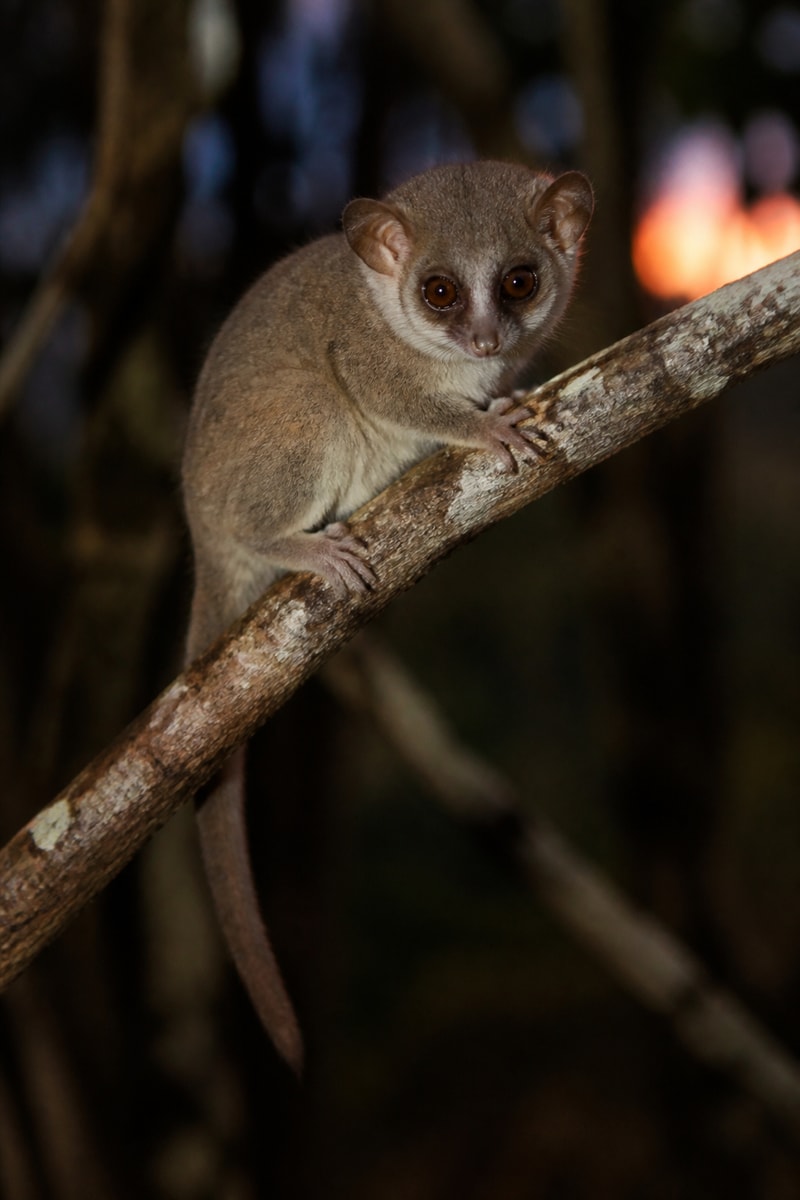
Keep exploring
Where it lives
Related discoveries
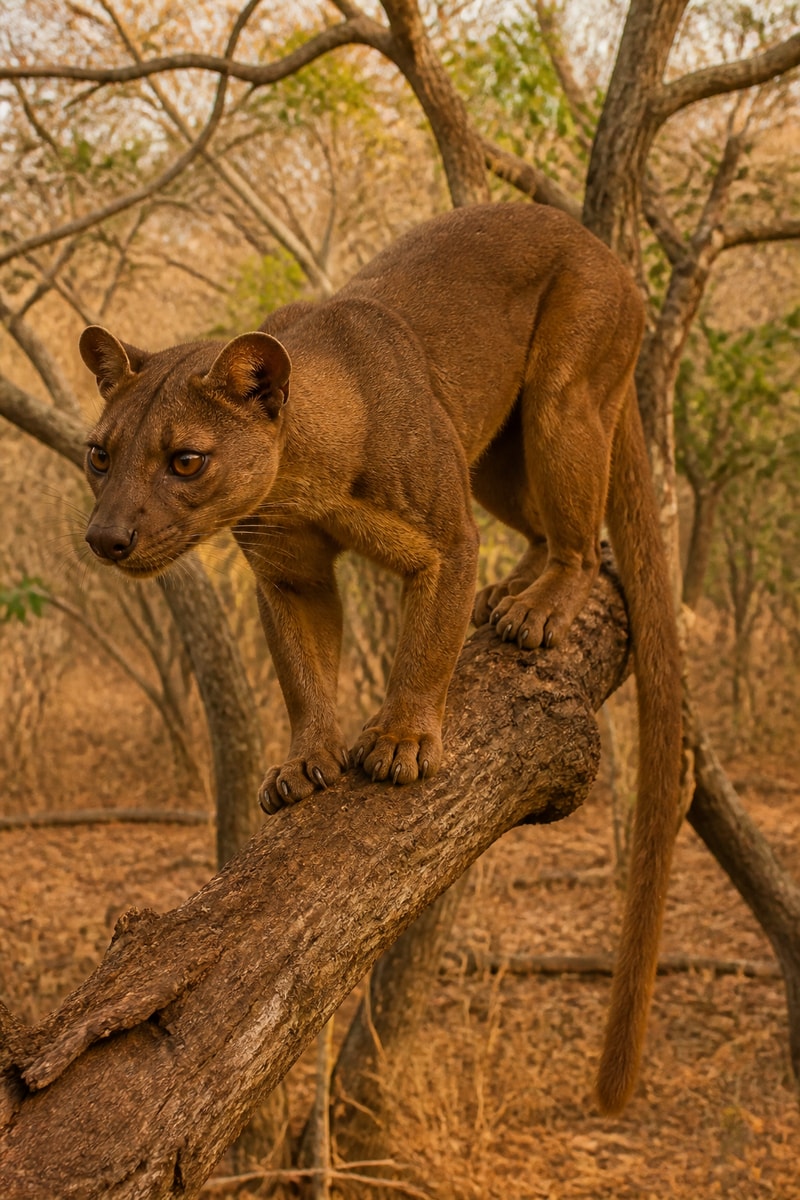
- Fossalegendary • Madagascar Forest
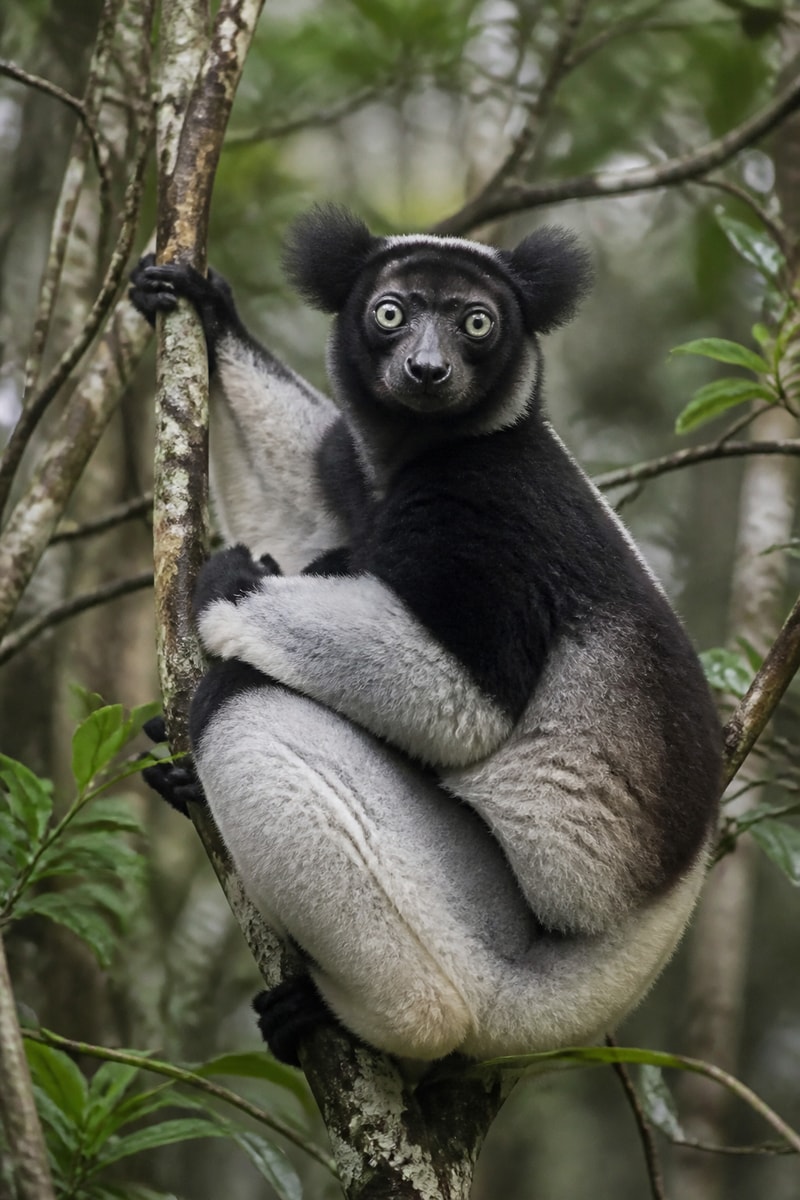
- Indrilegendary • Madagascar Rainforest
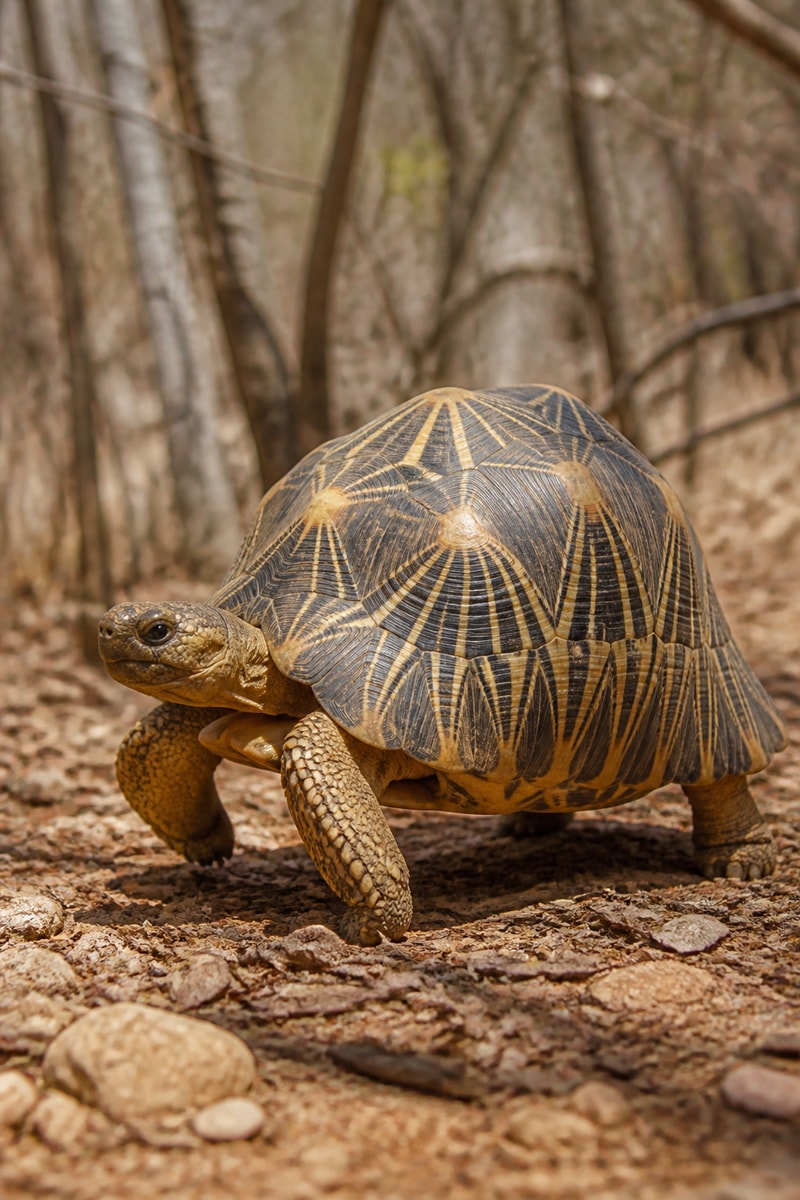
- Radiated Tortoiselegendary • Madagascar Spiny Forest
- Ring-tailed Lemurrare • Dry Forest
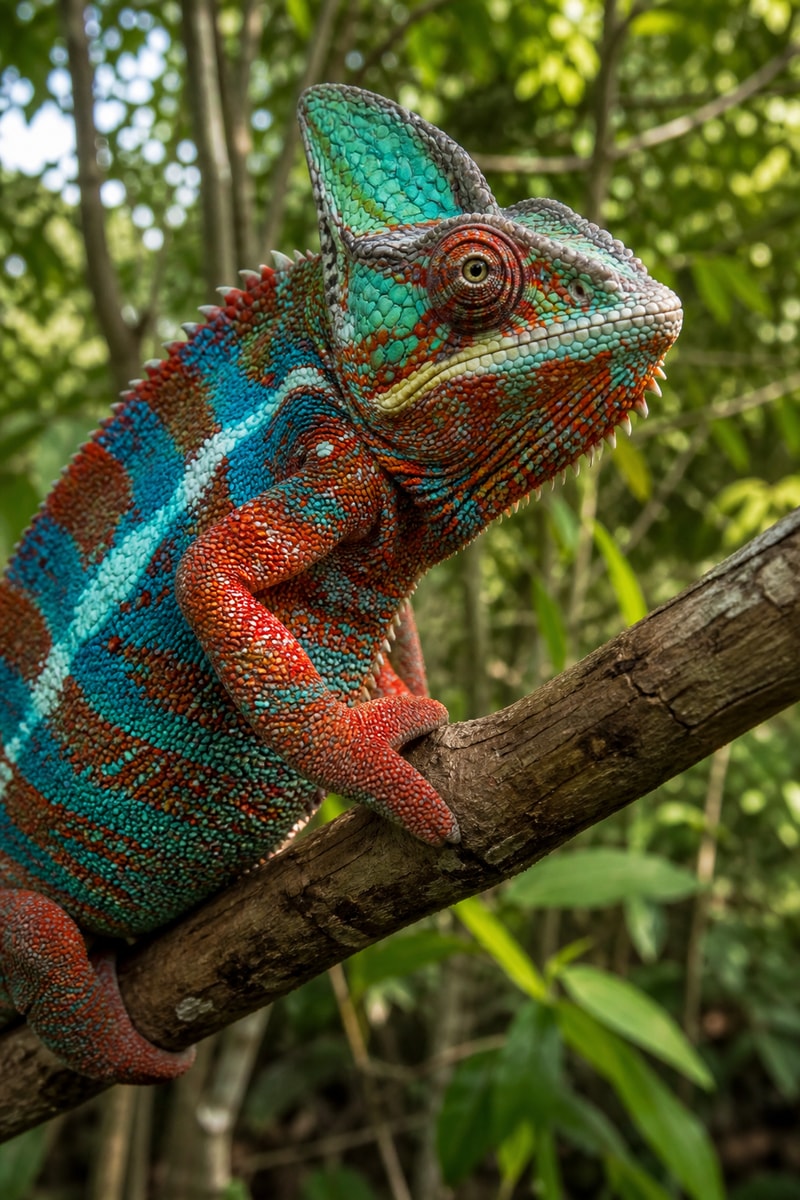
- Panther Chameleonrare • Madagascar Forest
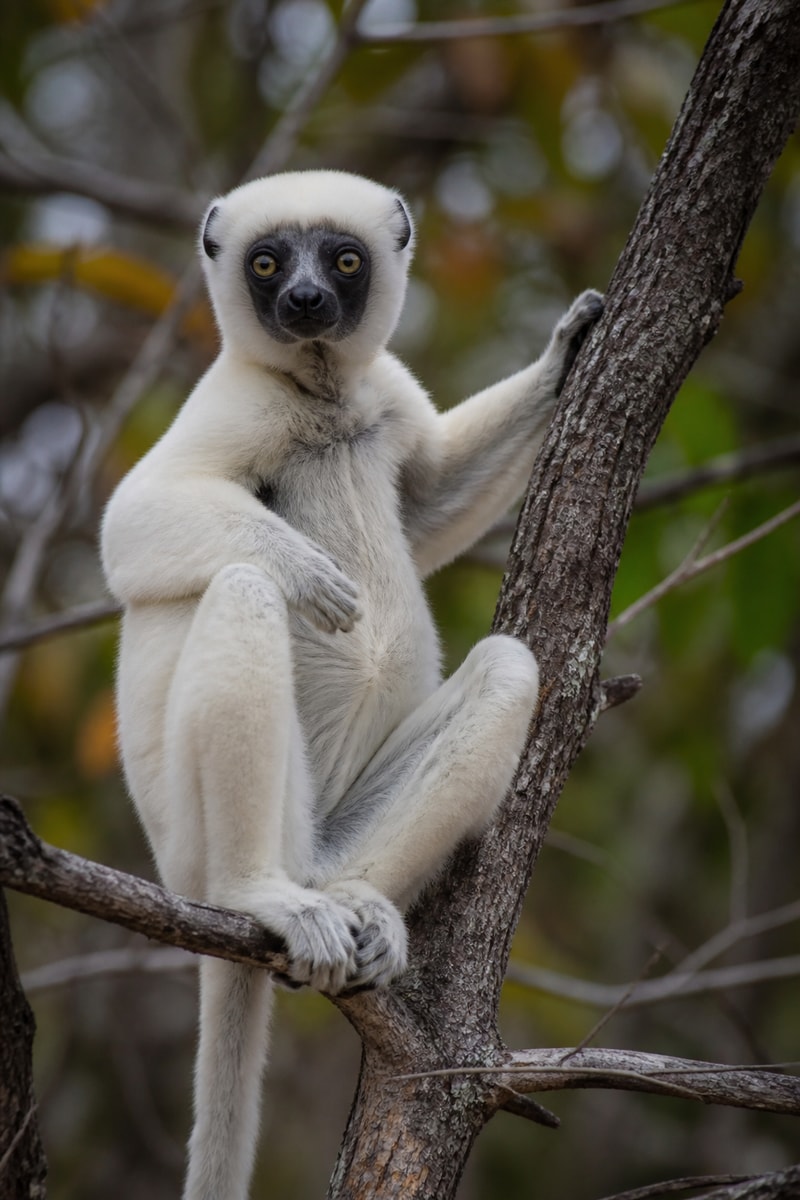
- Verreaux's Sifakarare • Madagascar Dry Forest
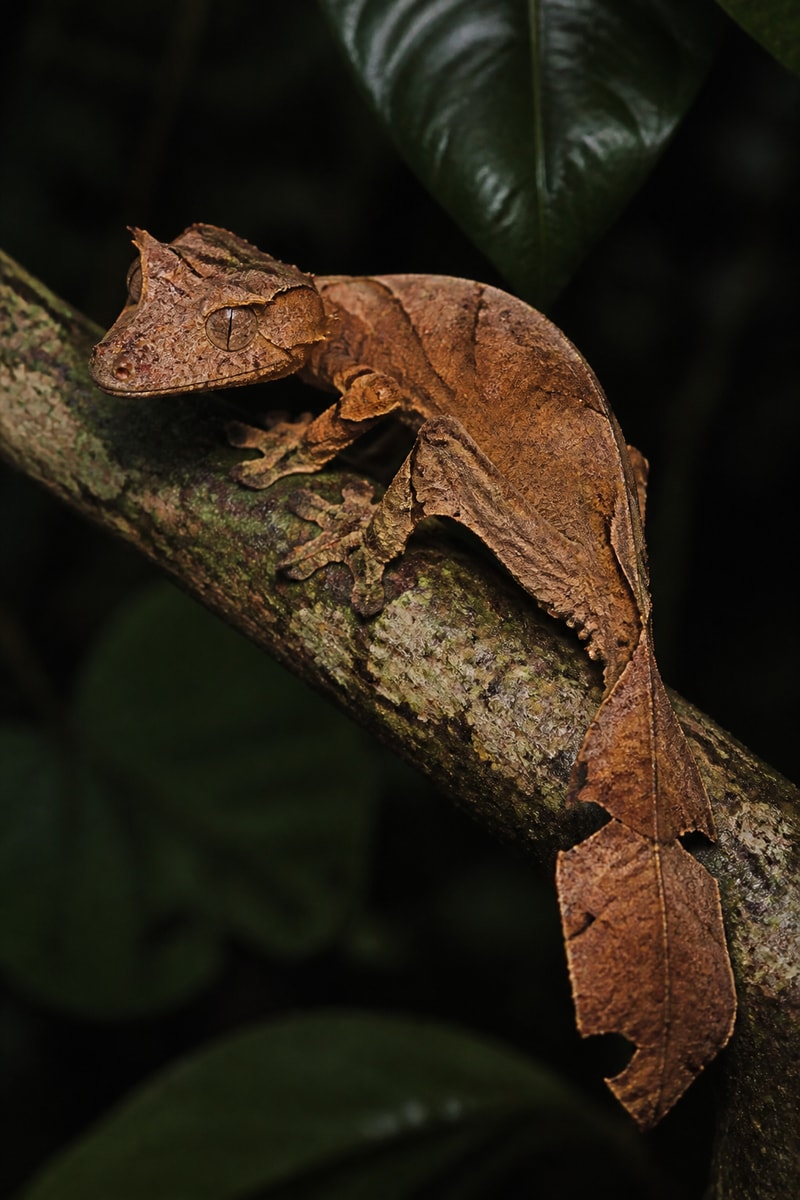
- Satanic Leaf-tailed Geckorare • Madagascar Rainforest
- Grey Mouse Lemurcommon • Madagascar Dry Forest
Free on iOS
Catch the Aye-aye
Spot one in the wild, then scan it in Catch'Um to log your legendary discovery.