


Field guide · rare
Ring-tailed Lemur
Madagascar's striped ambassador, a social lemur that sunbathes at dawn and carries its tail like a question mark.
Endangered
Lemur catta
Overview
The ring-tailed lemur is Madagascar's most recognisable primate: grey-bodied with a long tail banded in black and white, used like a flag when troops march across spiny forest. Unlike most lemurs, ring-tails spend much time on the ground, foraging for fruit, leaves, and bark.
Each morning, ring-tailed lemurs sunbathe in the yoga pose that makes them famous, sitting upright with arms spread wide, absorbing warmth before the day's foraging. Troops are matriarchal, with females leading group decisions.
- Scientific nameLemur catta
- Length39–46 cm body; tail 56–63 cm
- Weight2.2–2.5 kg
- LifespanAround 16–19 years in the wild
- DietRing-tailed lemurs eat fruit
- ConservationEndangered
- RegionDry Forest
Habitat
- Dry deciduous forest
- Gallery forest
- Spiny forest
Dry deciduous and gallery forest in southern and southwestern Madagascar holds ring-tailed lemurs. They need forest with access to open ground and are found in Isalo, Berenty, and Anja Community Reserve.
Countries found
Field notes
Field scale for the Ring-tailed Lemur: length around 39-46 cm body; tail 56-63 cm; weight 2.2-2.5 kg. Typical lifespan: Around 16-19 years in the wild.
When you are scanning habitat, prioritise dry deciduous forest, gallery forest, and spiny forest. Those settings are where a clean look and a usable photo are most likely.
Quick ID anchor: Grey body, white face with dark eye rings, and a long black-and-white ringed tail held high like a flag. Confirm with behaviour and habitat before you log the discovery.
Where to see one
Madagascar
In Madagascar, strong options include Isalo National Park, Andasibe-Mantadia National Park, Anja Community Reserve, and Kirindy Forest. Sandstone canyons and dry forest, with ring-tailed lemurs, sifakas, and baobab-dotted horizons.
Open the Madagascar spotting guide for every park note tied to the ring-tailed lemur.
Diet
Ring-tailed lemurs eat fruit, leaves, flowers, bark, and sap, shifting diet with seasonal availability.
They also forage on the ground more than most lemurs, taking fallen fruit and occasional insects.
Behaviour
Highly social and matriarchal; troops of about a dozen move together, with females leading.
Famous for morning sunbathing: sitting upright with arms spread to warm up before foraging.
How to identify
Grey body, white face with dark eye rings, and a long black-and-white ringed tail held high like a flag.
More terrestrial than most lemurs; often seen walking on the ground in open gallery forest.
Interesting facts
- 01
Ring-tailed lemurs sunbathe each morning with arms spread wide.
- 02
Their striped tail is used for visual signals, raised like a flag when walking.
- 03
Madagascar has over 100 lemur species found nowhere else on Earth.
Conservation status
Ring-tailed lemurs are Endangered, with populations falling from habitat loss, hunting, and the pet trade. Protected reserves in Madagascar are critical to their survival.
Sources: IUCN Red List
Keep exploring
Related discoveries
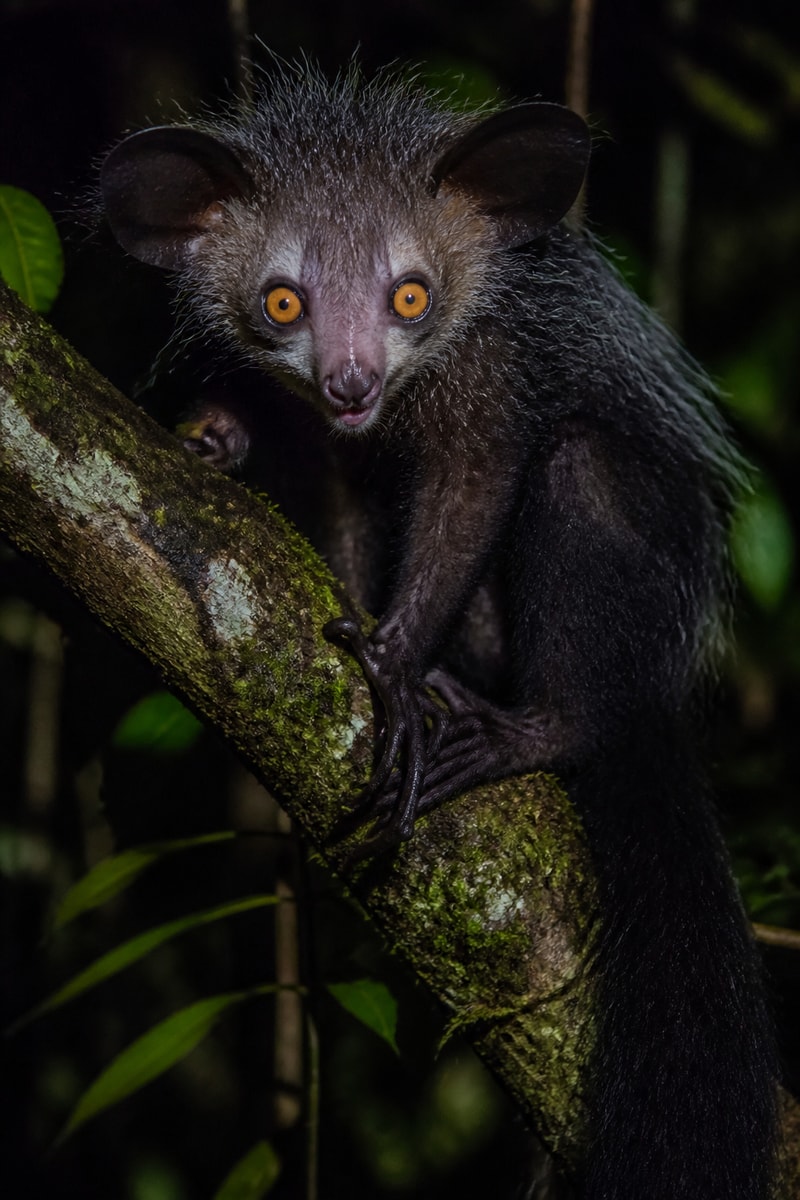
- Aye-ayelegendary • Madagascar Rainforest
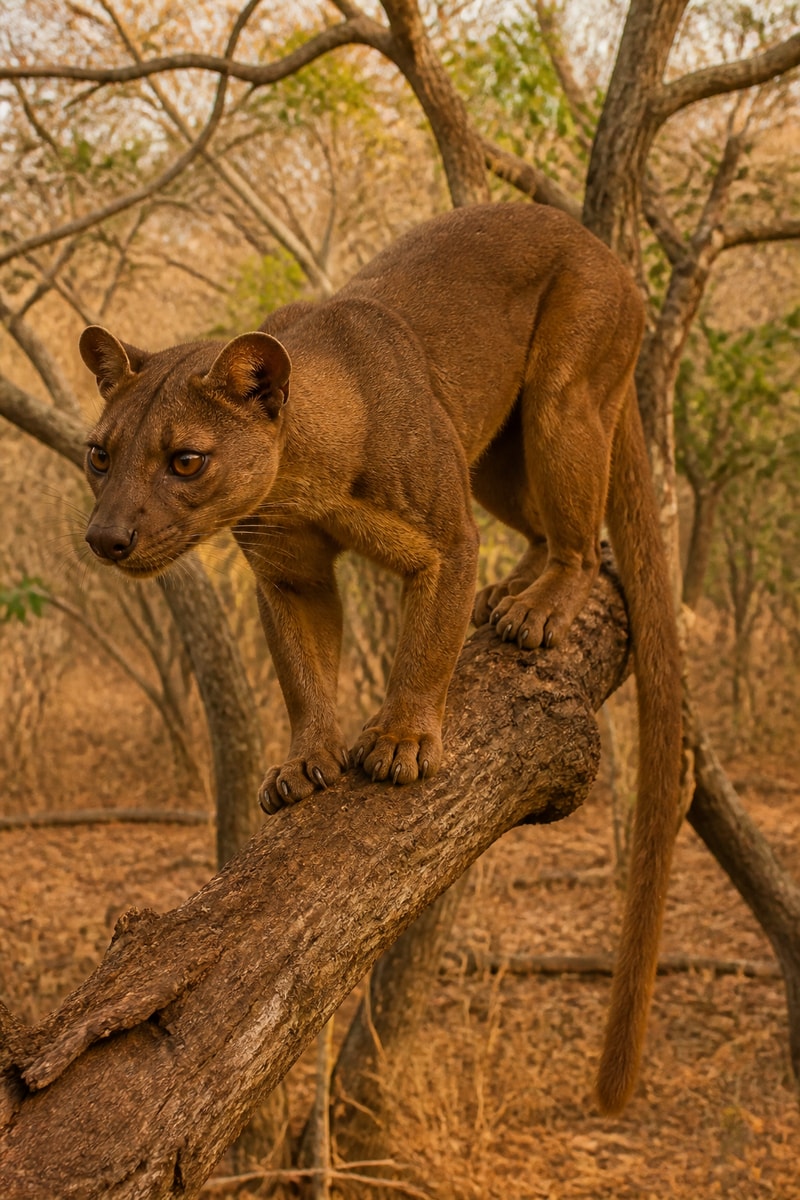
- Fossalegendary • Madagascar Forest
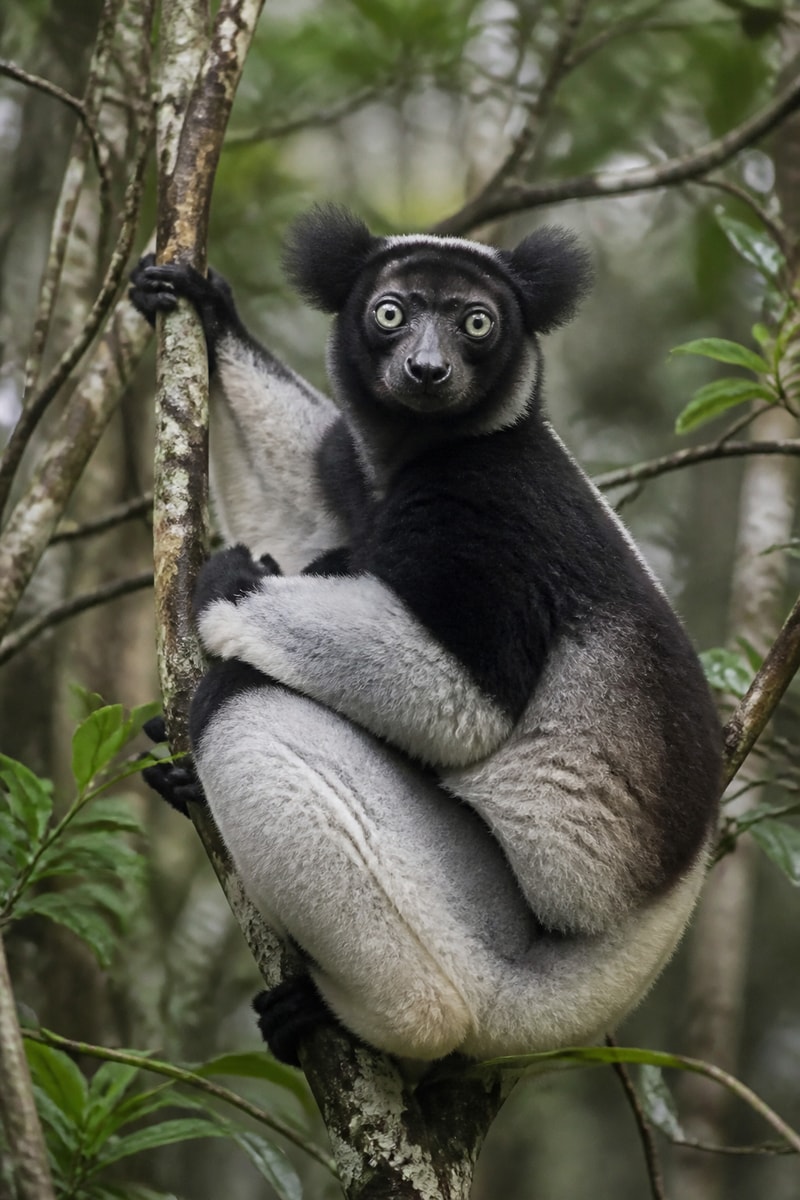
- Indrilegendary • Madagascar Rainforest
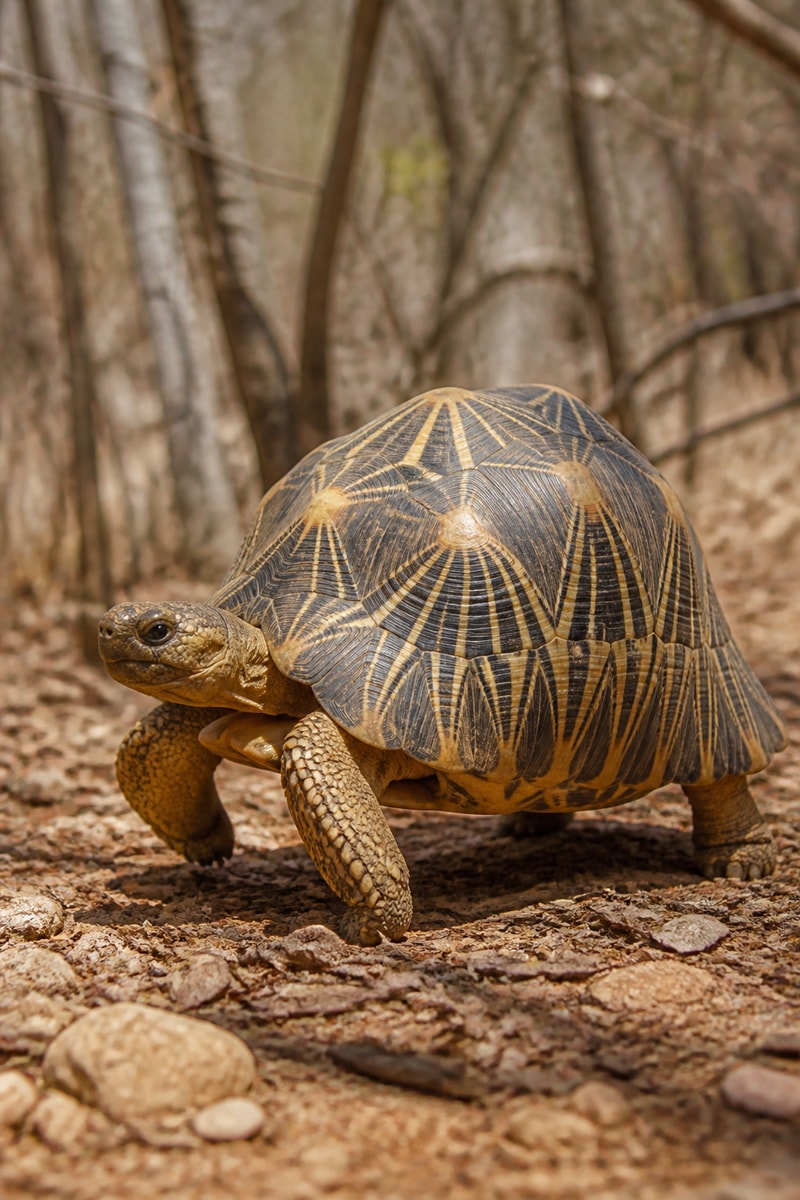
- Radiated Tortoiselegendary • Madagascar Spiny Forest
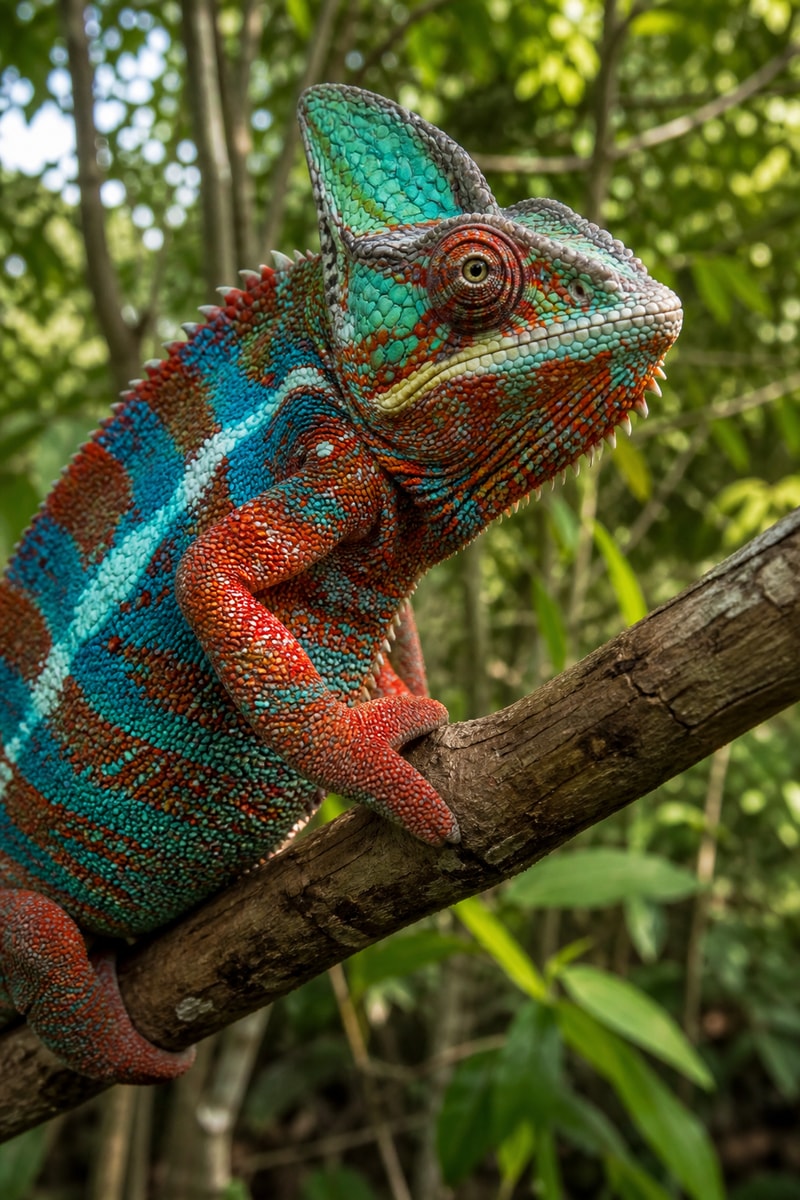
- Panther Chameleonrare • Madagascar Forest
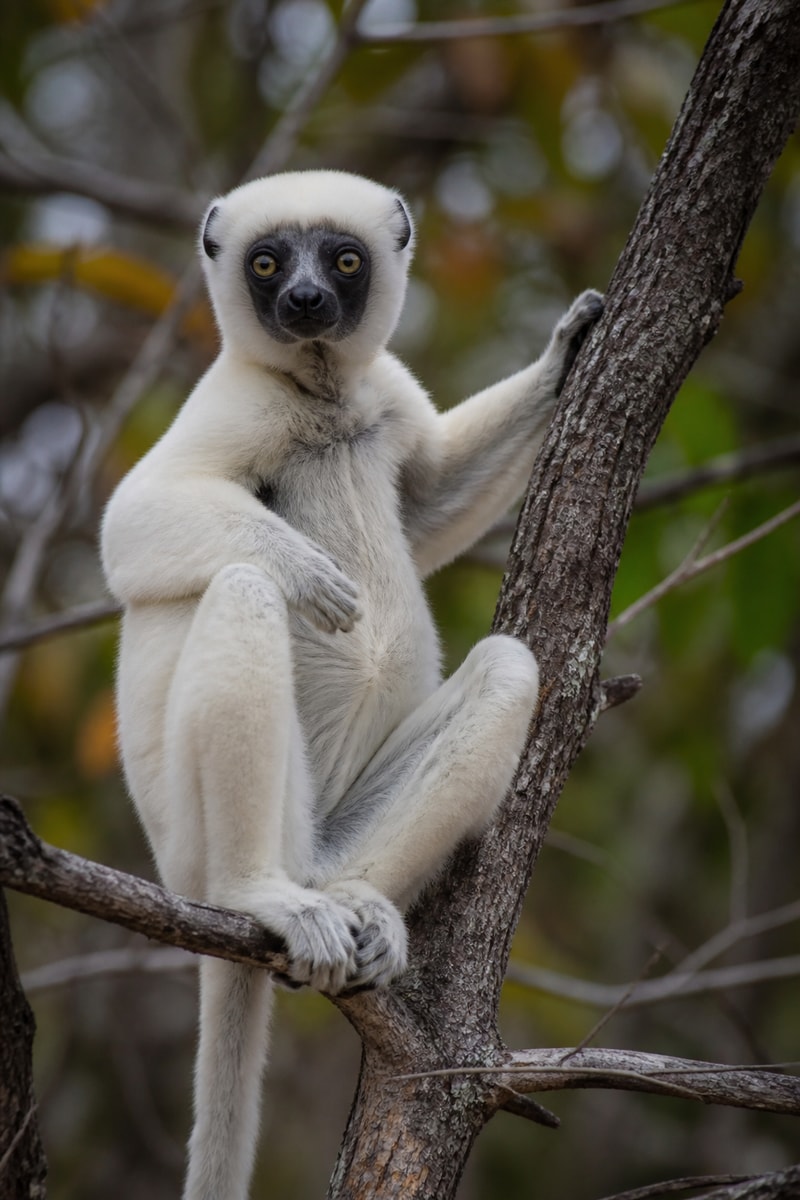
- Verreaux's Sifakarare • Madagascar Dry Forest
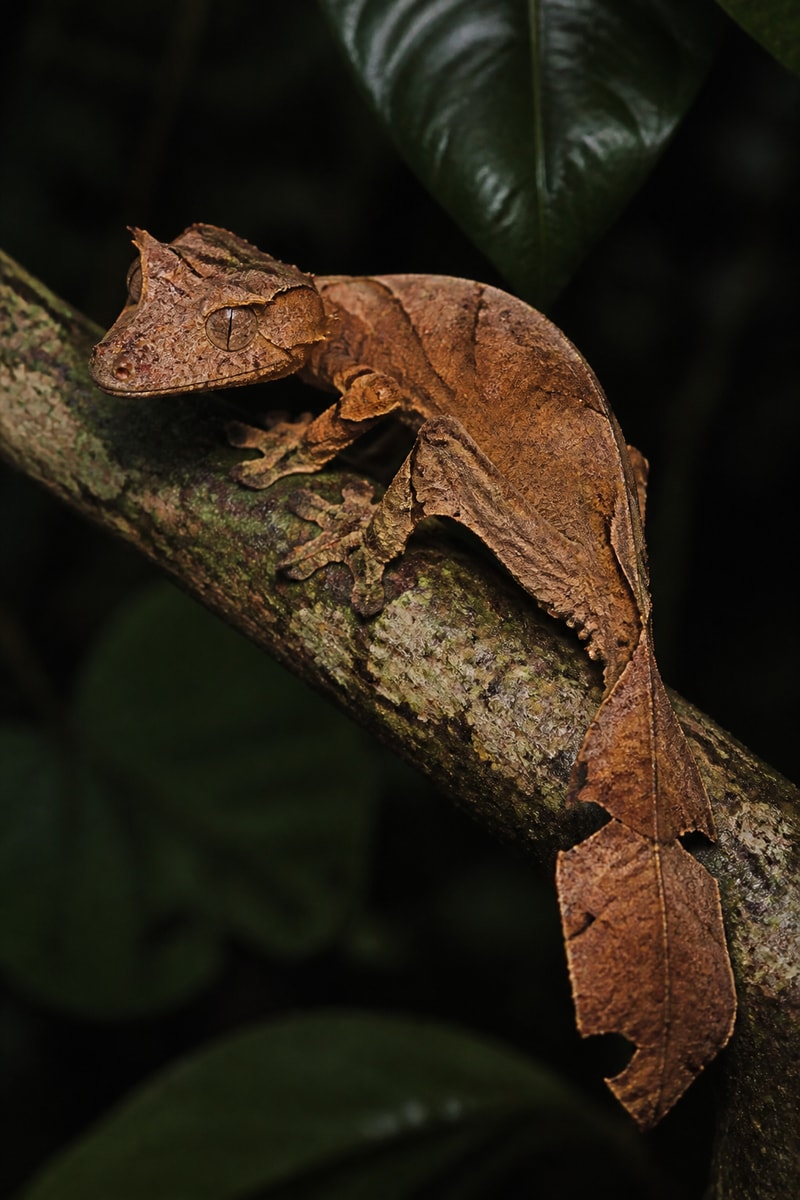
- Satanic Leaf-tailed Geckorare • Madagascar Rainforest
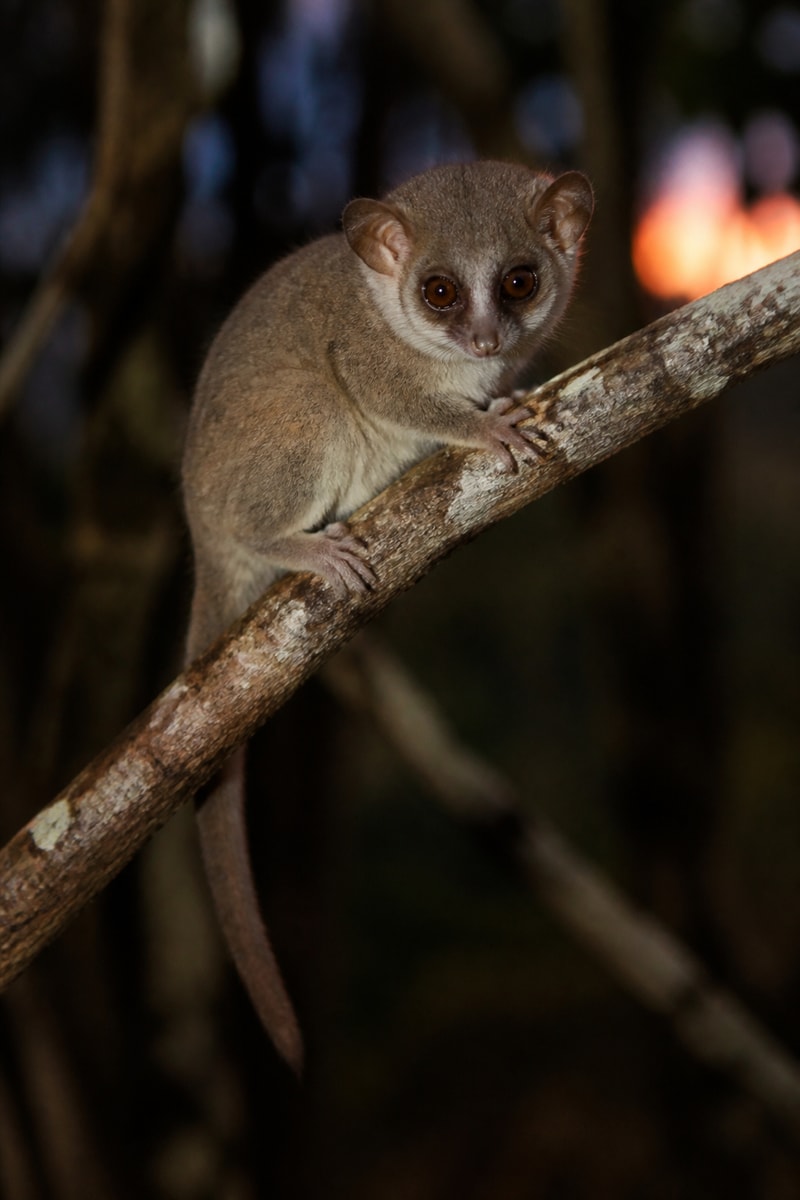
- Grey Mouse Lemurcommon • Madagascar Dry Forest
Free on iOS
Catch the Ring-tailed Lemur
Spot one in the wild, then scan it in Catch'Um to log your rare discovery.