
Field guide · common
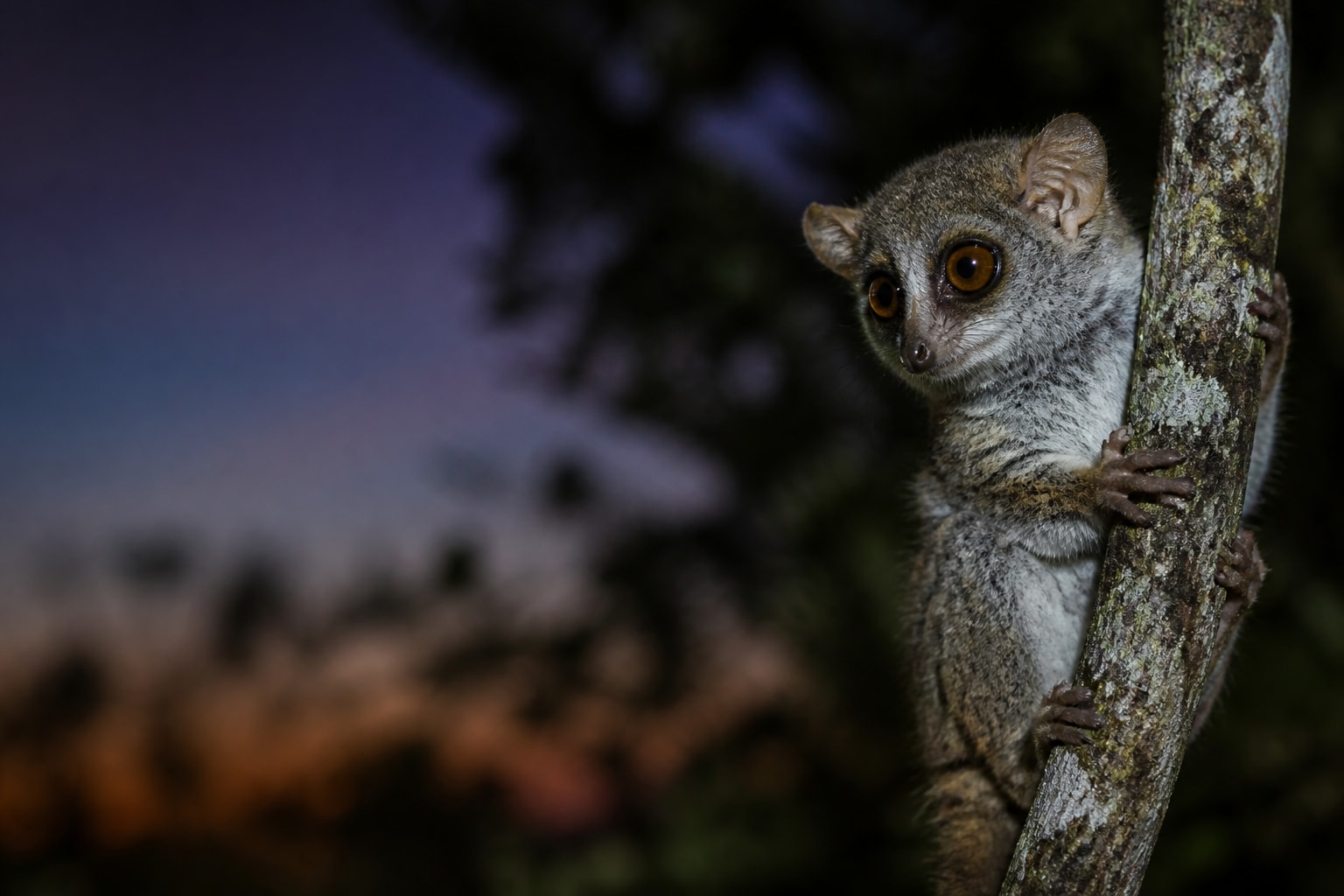
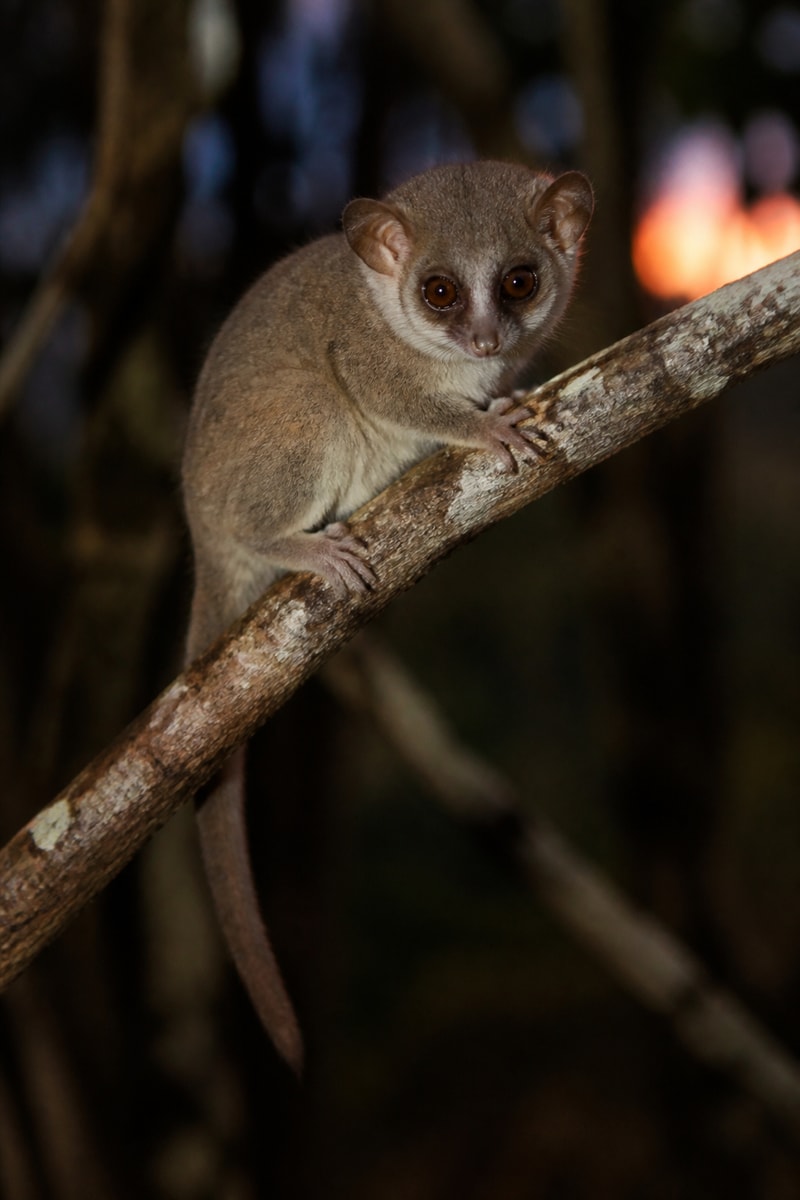
Grey Mouse Lemur
Tiny night forager of Madagascar — huge eyes, soft grey fur, and torpor when food is scarce.
Least Concern
Microcebus murinus
Overview
Grey mouse lemurs are among the world’s smallest primates, darting through western Madagascar’s dry forests after dark. They store fat in the tail, enter torpor in lean seasons, and feed on fruit, gum, and insects.
For Madagascar collectors, this mouse lemur is a common but charming island endemic — miniature, nocturnal, and uniquely Malagasy.
- Scientific nameMicrocebus murinus
- Length12–14 cm body; tail ~13–15 cm
- Weight60–80 g
- LifespanAround 6–8 years in the wild
- DietFruit
- ConservationLeast Concern
- RegionMadagascar Dry Forest
Where to see them
Habitat
- Dry deciduous forest
- Gallery forest
- Secondary scrub
Dry deciduous forest, gallery forest, and secondary scrub of western and southern Madagascar, nesting in tree holes and dense foliage.
Field notes
Field scale for the Grey Mouse Lemur: length around 12-14 cm body; tail ~13-15 cm; weight 60-80 g. Typical lifespan: Around 6-8 years in the wild.
When you are scanning habitat, prioritise dry deciduous forest, gallery forest, and secondary scrub. Those settings are where a clean look and a usable photo are most likely.
Quick ID anchor: Tiny grey-brown lemur with large nocturnal eyes and a long soft tail. Confirm with behaviour and habitat before you log the discovery.
Diet
Fruit, gum, nectar, flowers, and insects gleaned from branches at night.
Opportunistic foragers that track seasonal plant and insect peaks.
Behaviour
Nocturnal; females may share sleeping sites while foraging alone.
Use scent and soft calls; enter torpor when temperatures drop or food is scarce.
How to identify
Tiny grey-brown lemur with large nocturnal eyes and a long soft tail.
Pointed snout and rounded ears; body often fits in a human palm.
Interesting facts
- 01
Among the smallest living primates by weight.
- 02
Nocturnal and mostly solitary while foraging.
- 03
Can enter daily or seasonal torpor to save energy.
- 04
Tail stores fat for dry-season survival.
- 05
Eat fruit, flowers, gum, nectar, and insects.
- 06
Sleep in leaf nests or tree cavities by day.
Conservation status
Grey mouse lemurs are Least Concern relative to many lemurs, but Madagascar’s dry forests continue to shrink. Habitat protection still matters for long-term security.
Sources: IUCN Red List

Keep exploring
Related discoveries
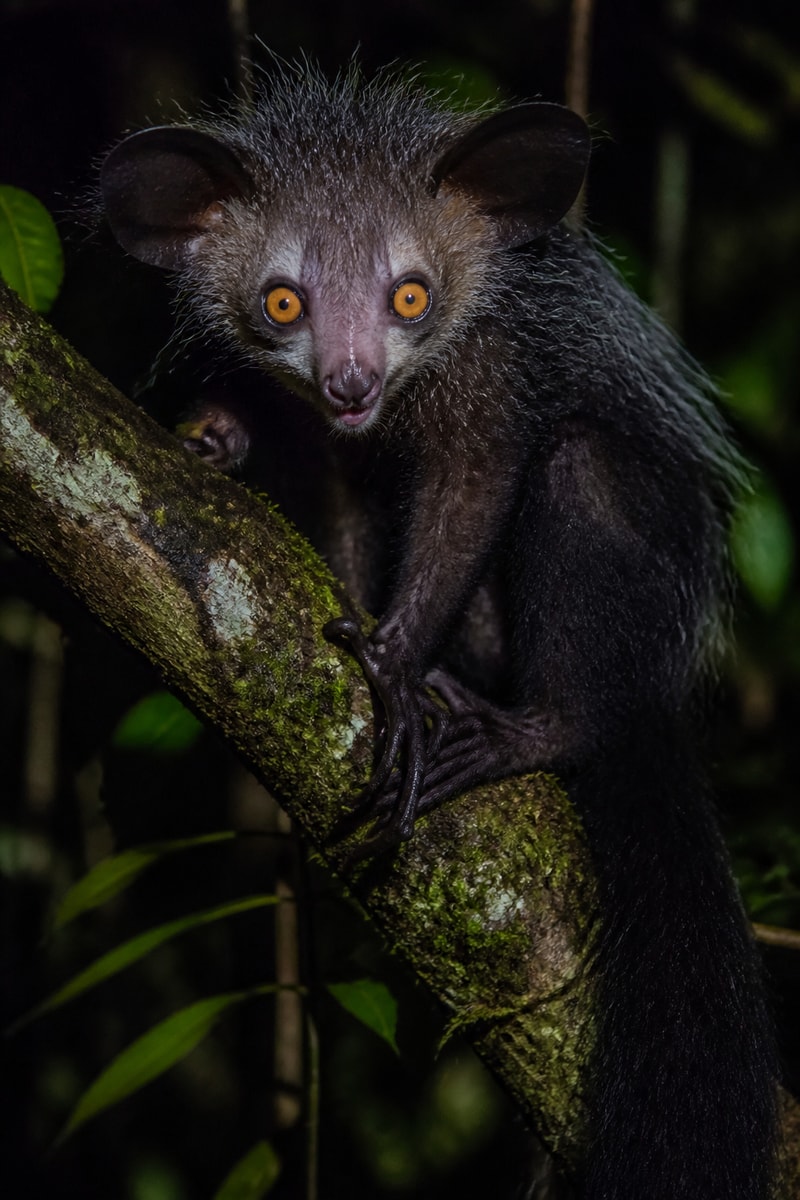
- Aye-ayelegendary • Madagascar Rainforest
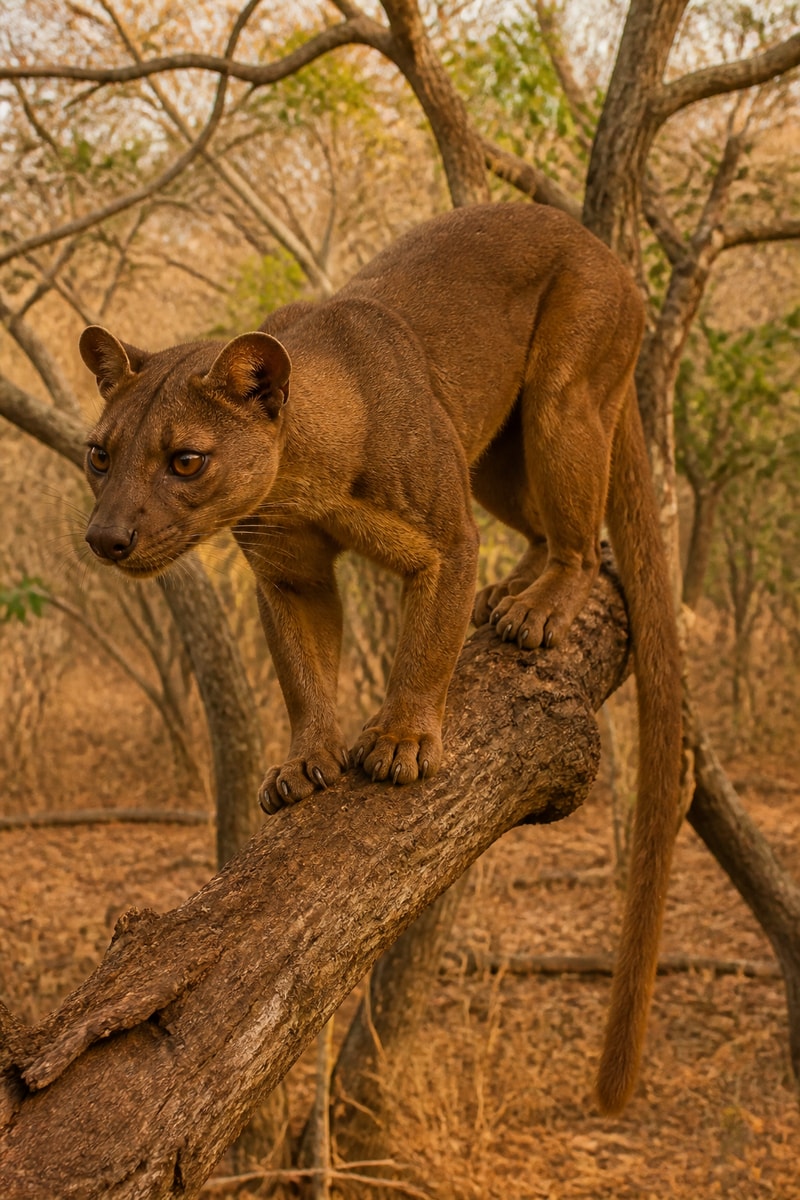
- Fossalegendary • Madagascar Forest
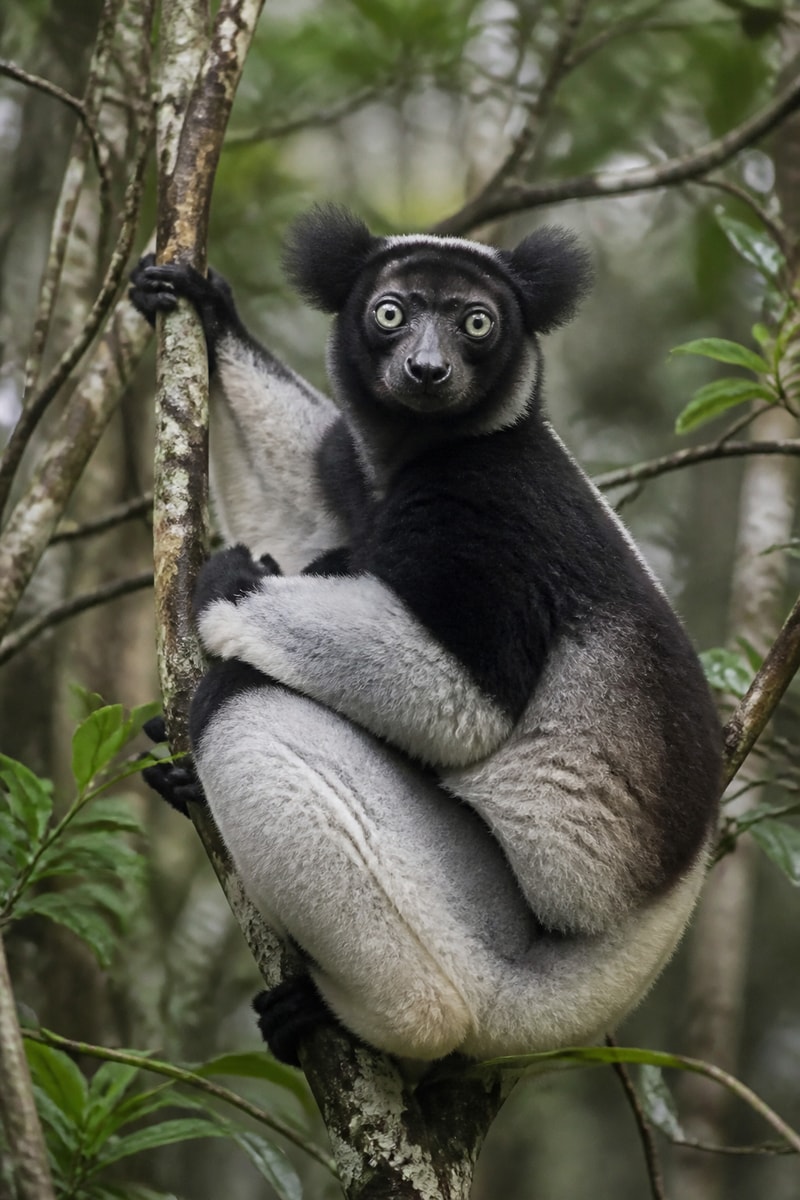
- Indrilegendary • Madagascar Rainforest
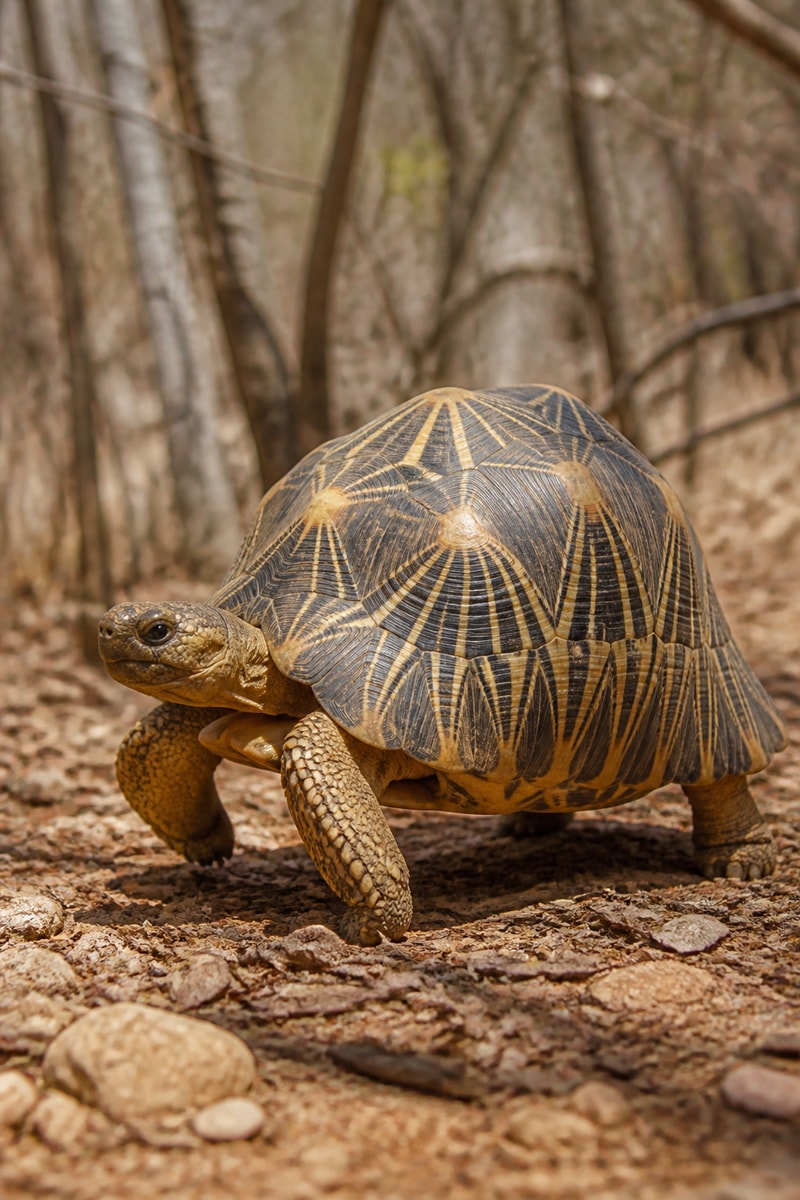
- Radiated Tortoiselegendary • Madagascar Spiny Forest
- Ring-tailed Lemurrare • Dry Forest
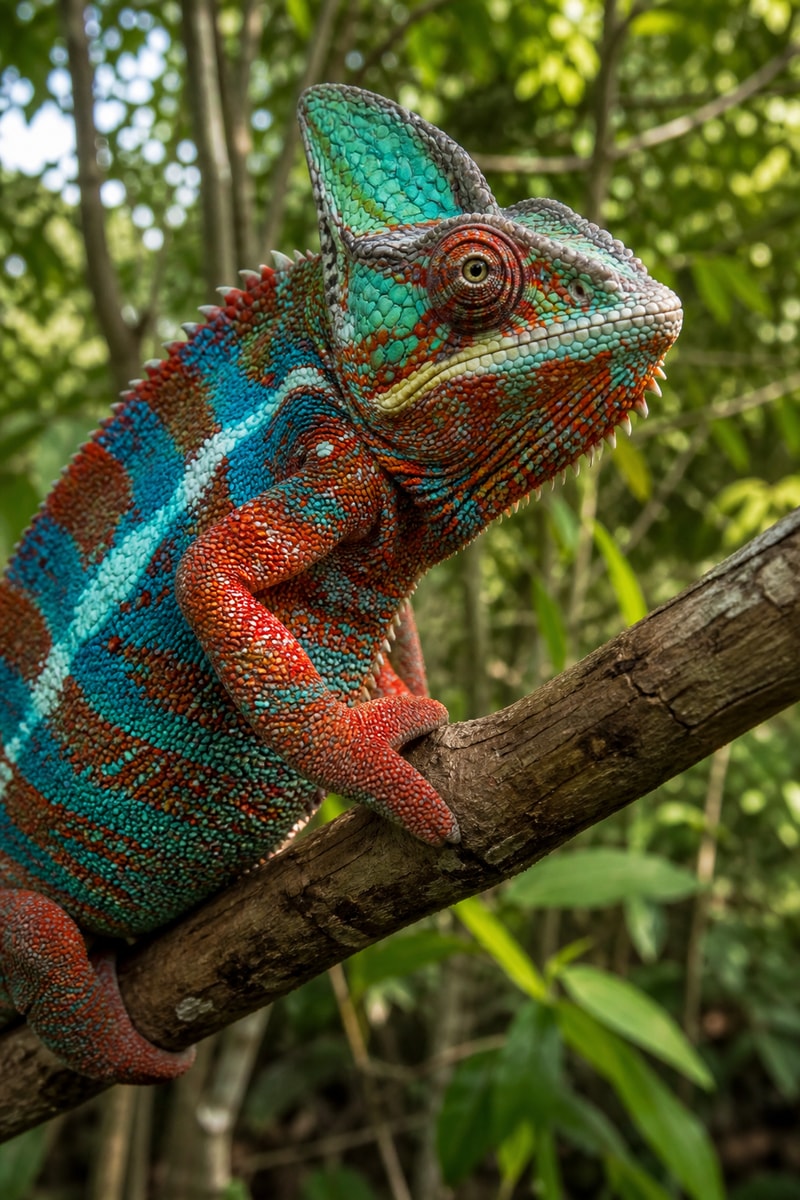
- Panther Chameleonrare • Madagascar Forest
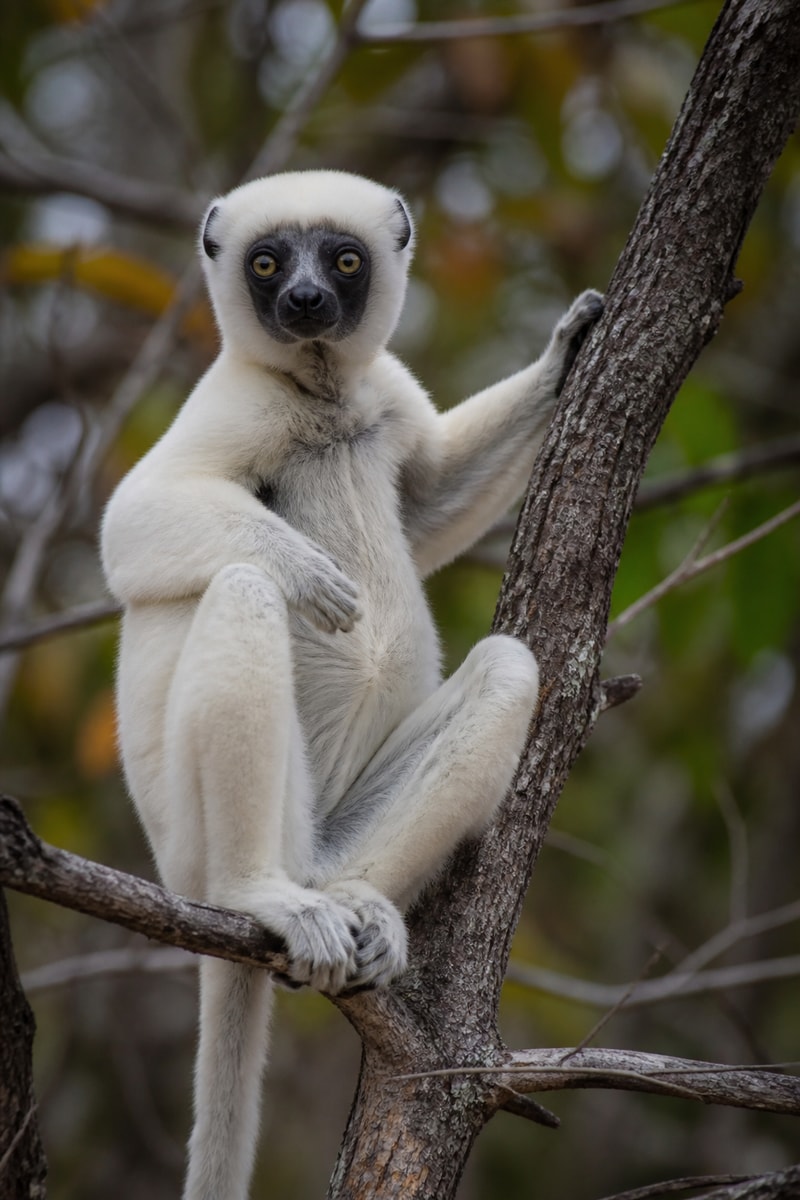
- Verreaux's Sifakarare • Madagascar Dry Forest
- Satanic Leaf-tailed Geckorare • Madagascar Rainforest
Free on iOS
Catch the Grey Mouse Lemur
Spot one in the wild, then scan it in Catch'Um to log your common discovery.