
Field guide · common
Tapir
The living fossil, a prehistoric-looking herbivore with a short trunk that has changed little in millions of years.
Endangered
Tapirus terrestris
Overview
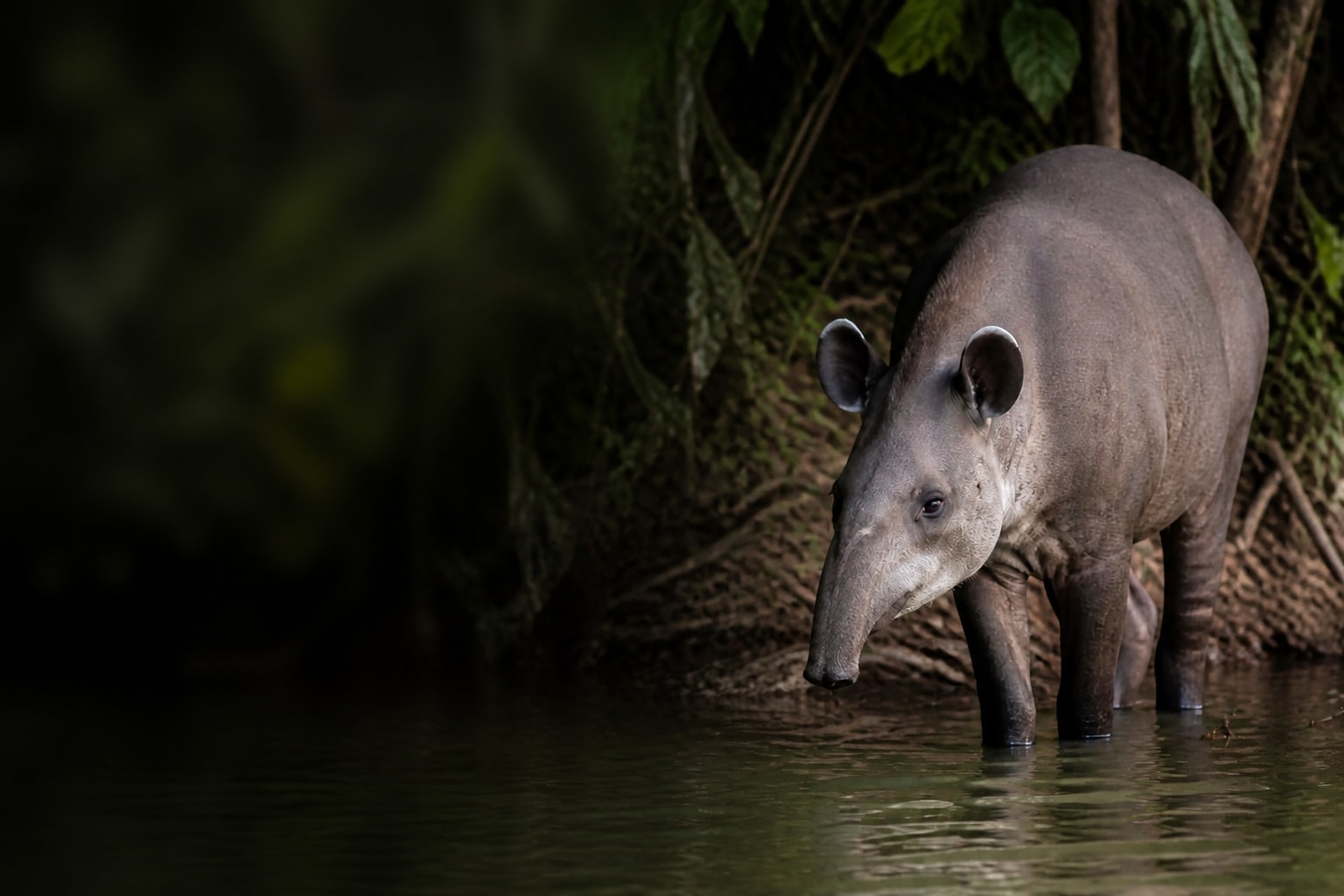
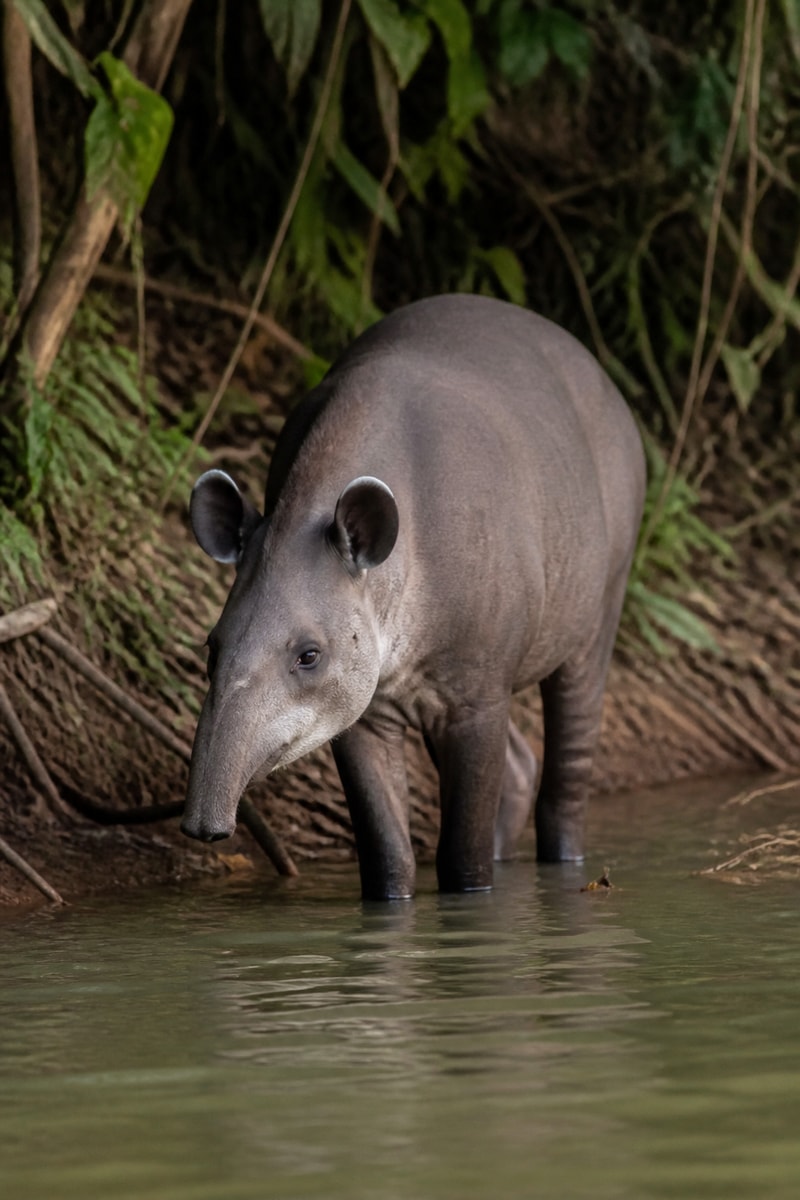
The South American tapir looks like something from the age of dinosaurs, a bulky, barrel-bodied herbivore with a flexible proboscis for grasping leaves and fruit. Tapirs have existed largely unchanged for tens of millions of years, outlasting megafauna extinctions.
Tapirs are excellent swimmers, crossing rivers and diving to escape jaguars and using waterways as travel corridors through rainforest. They are important seed dispersers, fruit passes through their gut and emerges far from the parent tree.
- Scientific nameTapirus terrestris
- Length1.8–2.5 m
- Height77–108 cm at shoulder
- Weight150–250 kg
- LifespanAround 25–30 years in the wild
- DietSouth American tapirs…
- ConservationEndangered
- RegionRainforest & River
Habitat
- Tropical rainforest
- River margins
- Wetland forest
Tropical rainforest, river margins, and wetland across the Amazon basin and Atlantic Forest hold South American tapirs. Brazil's Pantanal and Amazon parks offer the best chance of sightings.
Countries found
Field notes
Field scale for the Tapir: length around 1.8-2.5 m; height 77-108 cm at shoulder; weight 150-250 kg. Typical lifespan: Around 25-30 years in the wild.
When you are scanning habitat, prioritise tropical rainforest, river margins, and wetland forest. Those settings are where a clean look and a usable photo are most likely.
Quick ID anchor: Barrel-bodied brown herbivore with a short flexible proboscis and small eyes; calves are watermelon-striped. Confirm with behaviour and habitat before you log the discovery.
Diet
South American tapirs browse leaves, twigs, fruit, and aquatic plants, often along rivers at night.
Important seed dispersers in Amazon and Atlantic Forest habitats.
Behaviour
Mostly nocturnal and crepuscular; strong swimmers that take refuge in water when threatened.
Usually solitary except mother and calf; follow habitual trails through dense vegetation.
How to identify
Barrel-bodied brown herbivore with a short flexible proboscis and small eyes; calves are watermelon-striped.
Largest native land mammal in much of its South American range; pig-like outline with a longer snout.
Interesting facts
- 01
Tapirs have been on Earth for tens of millions of years, they're living fossils.
- 02
They are excellent swimmers and often escape predators in water.
- 03
Baby tapirs have watermelon-striped coats that fade as they grow.
Conservation status
South American tapirs are Endangered, declining from deforestation, hunting, and road construction fragmenting Amazon habitat. Protected areas in Brazil remain key strongholds.
Sources: IUCN Red List
Keep exploring
Where it lives
Related discoveries
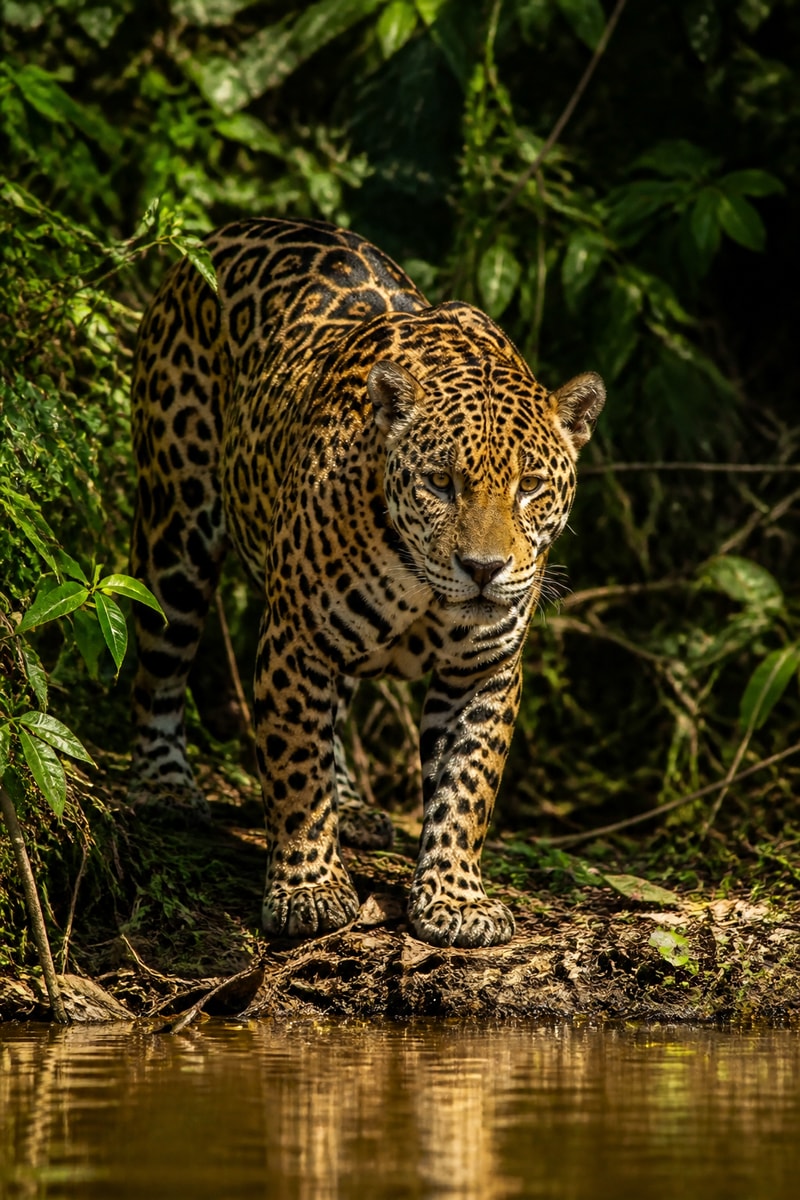
- Jaguarlegendary • Rainforest & Wetland
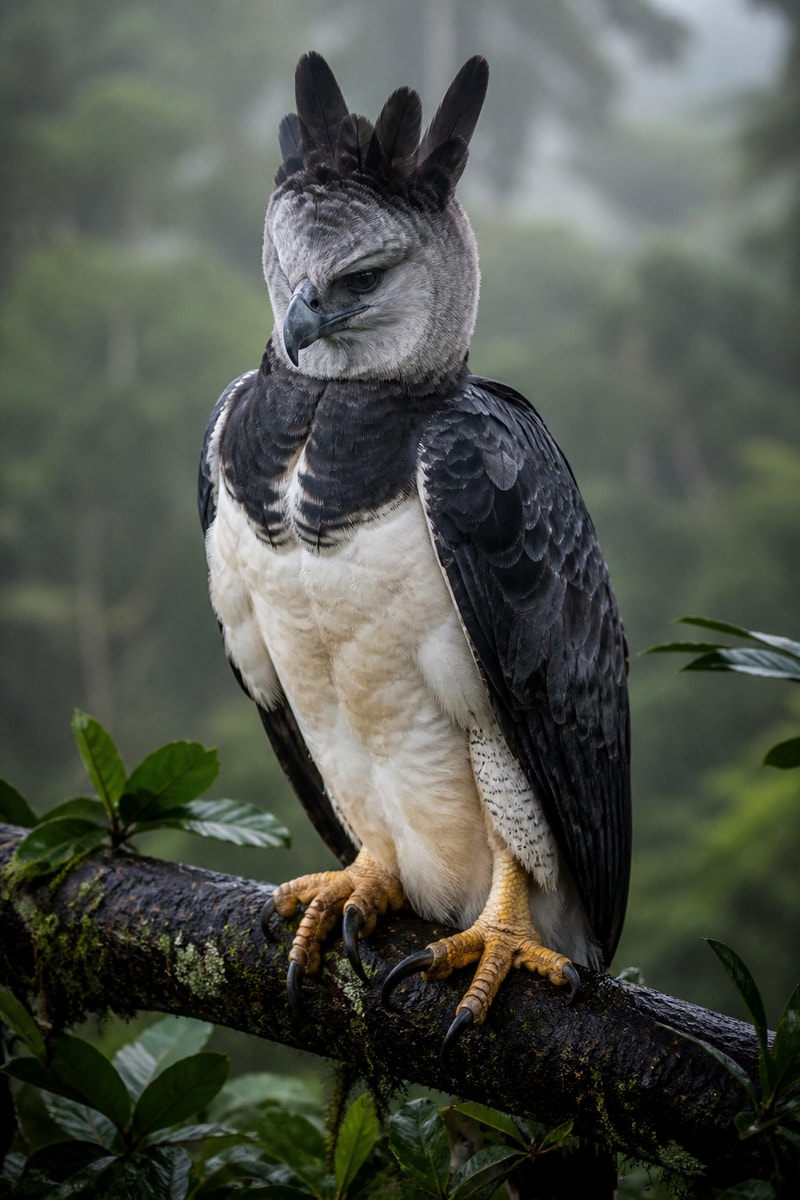
- Harpy Eaglelegendary • Rainforest Canopy
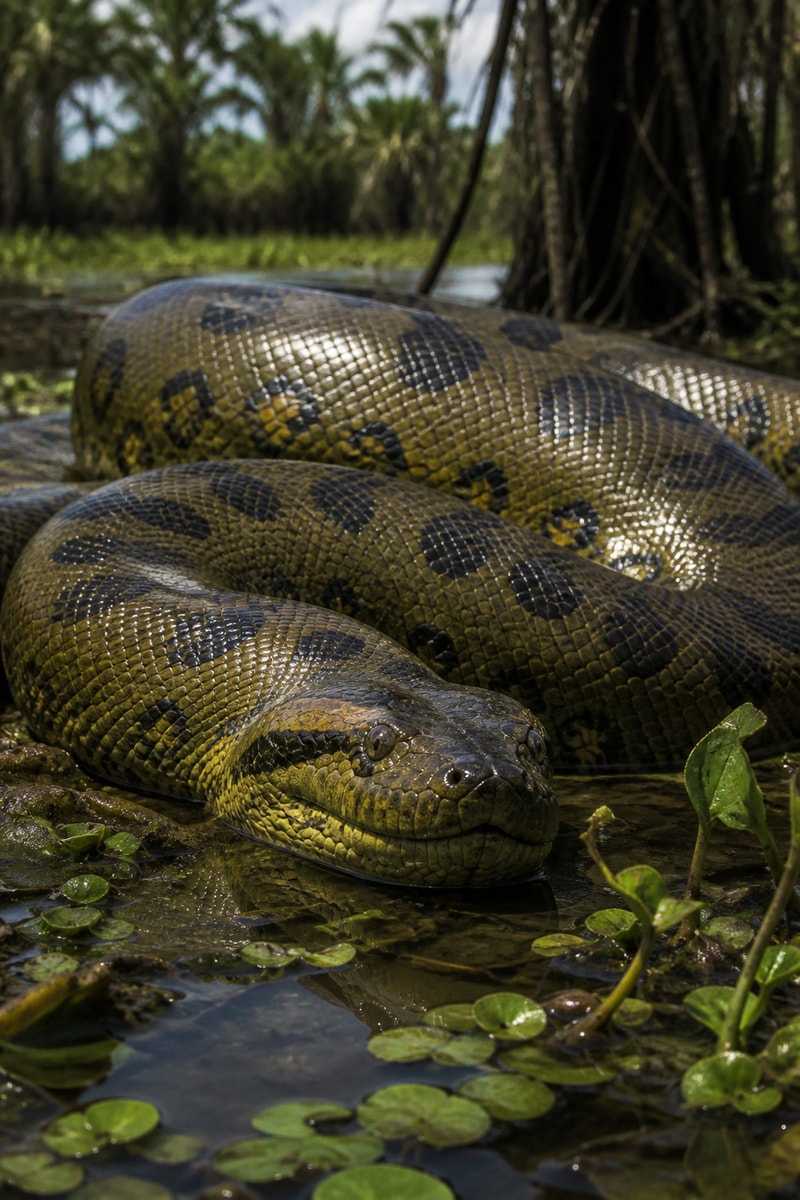
- Green Anacondalegendary • Wetlands & Rivers
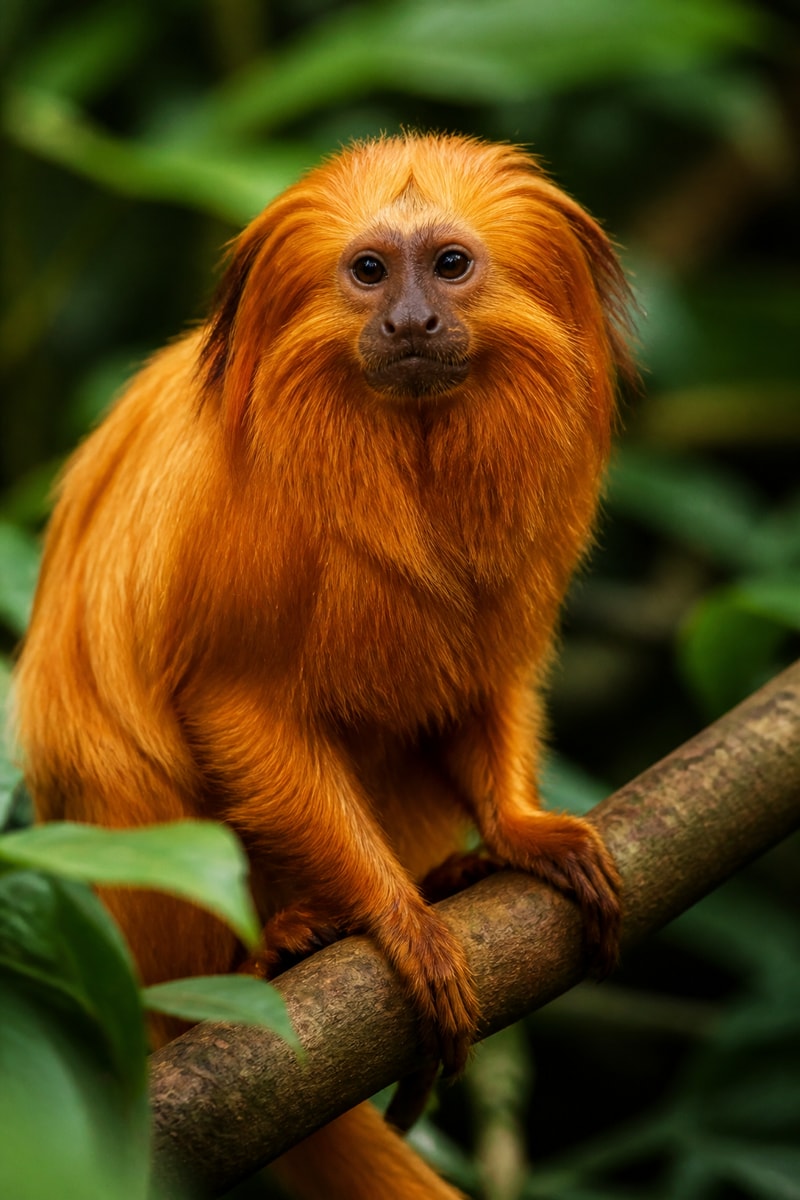
- Golden Lion Tamarinlegendary • Atlantic Forest Canopy
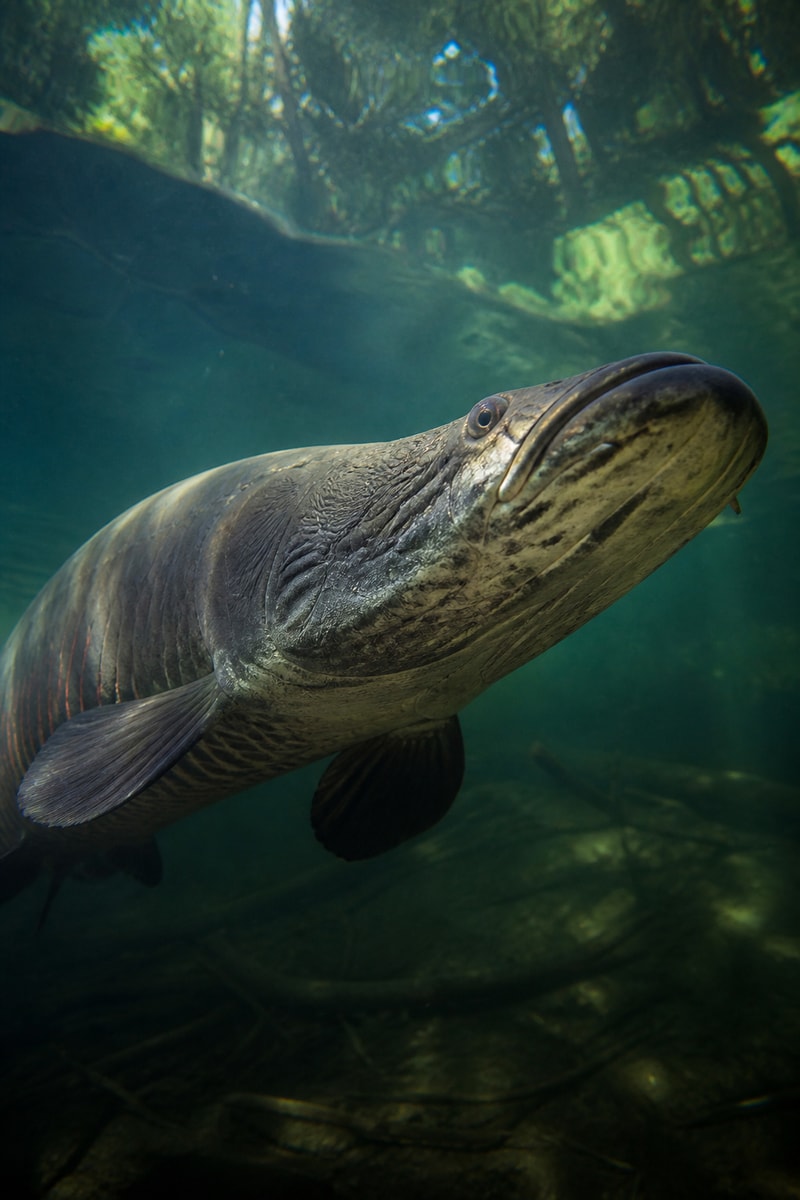
- Arapaimalegendary • Amazon Floodplain
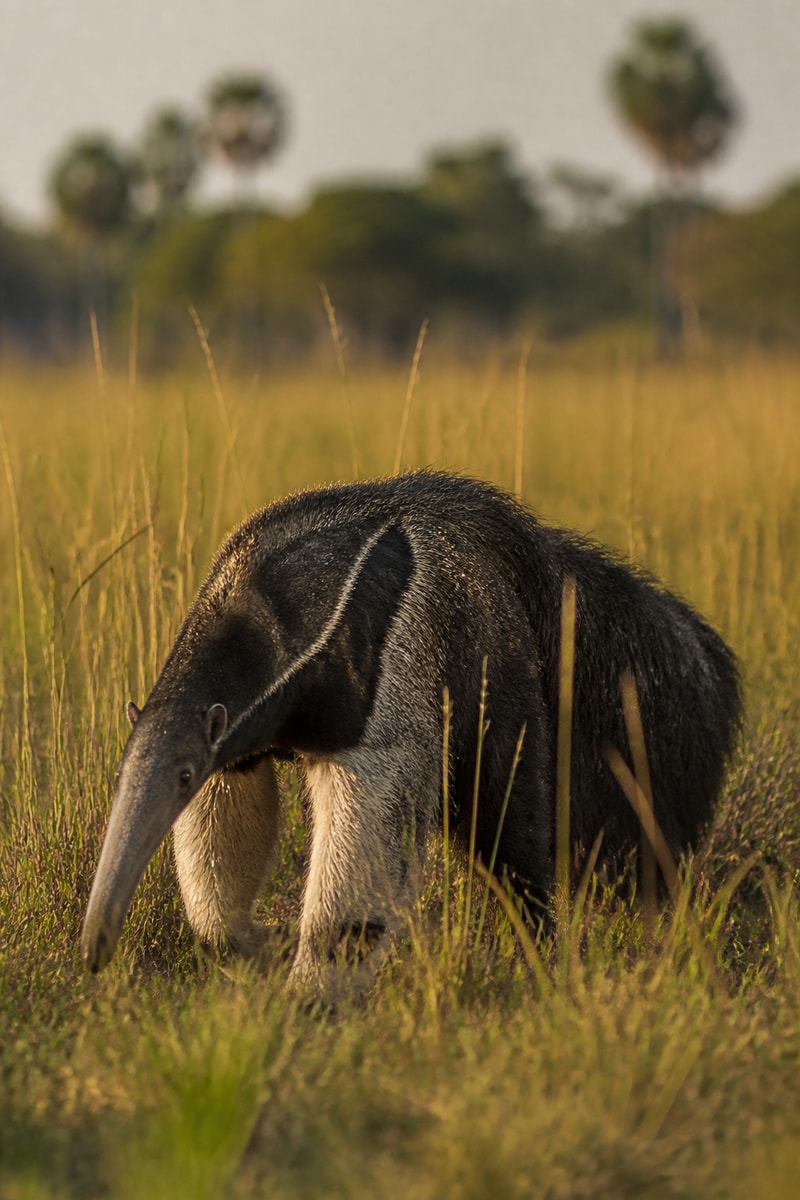
- Giant Anteaterrare • Grassland & Forest
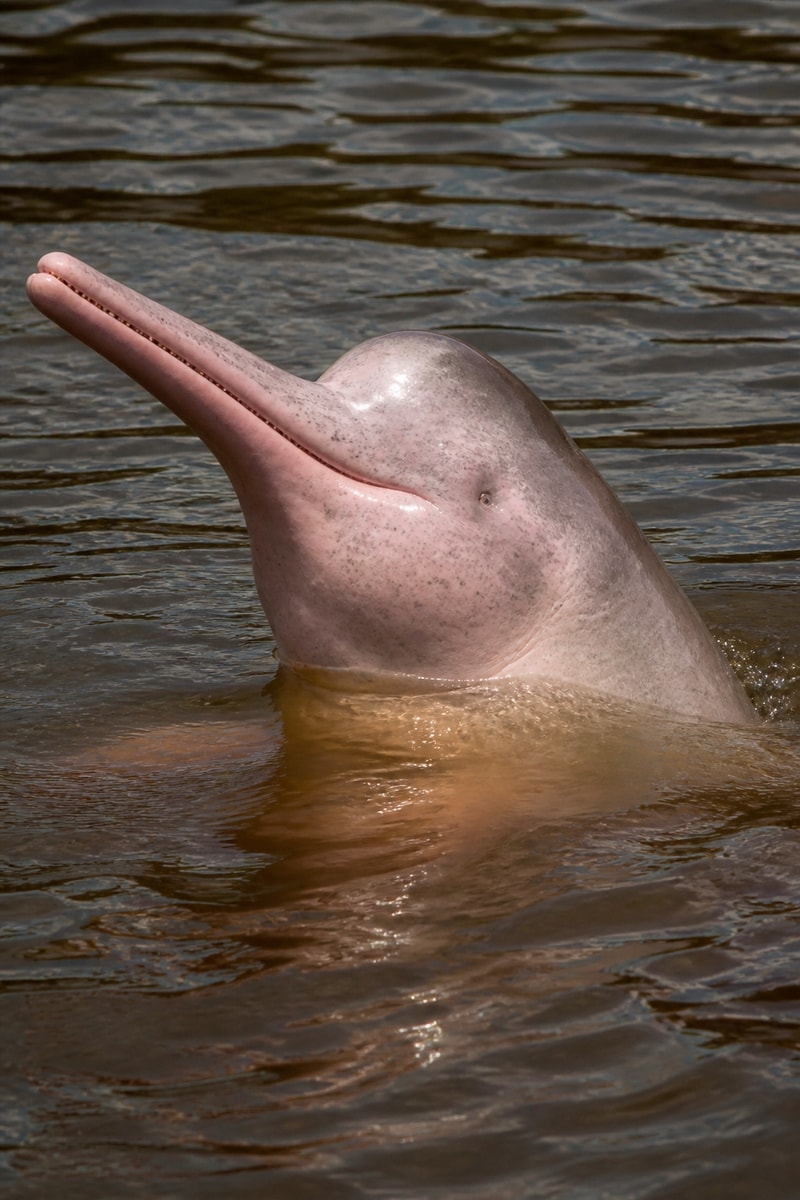
- Amazon River Dolphinrare • Amazon Rivers
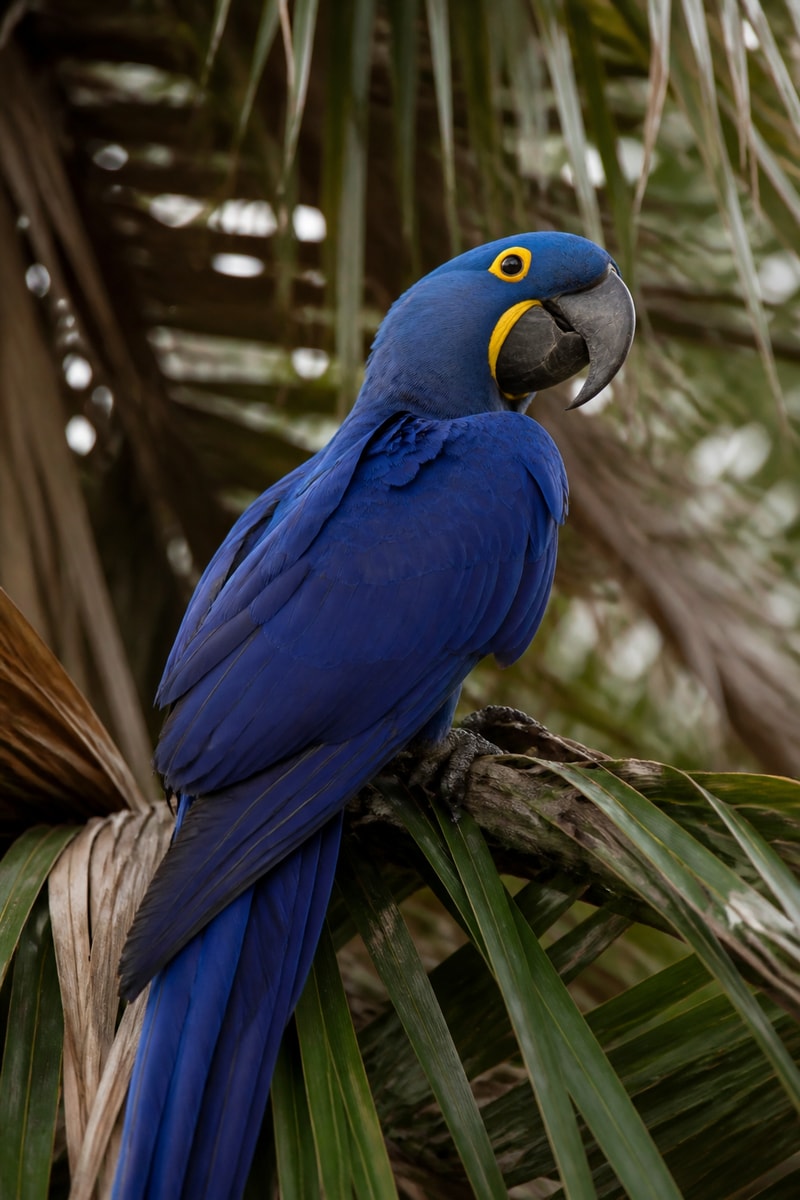
- Hyacinth Macawrare • Wetland & Palm Savanna
Free on iOS
Catch the Tapir
Spot one in the wild, then scan it in Catch'Um to log your common discovery.