
Field guide · common
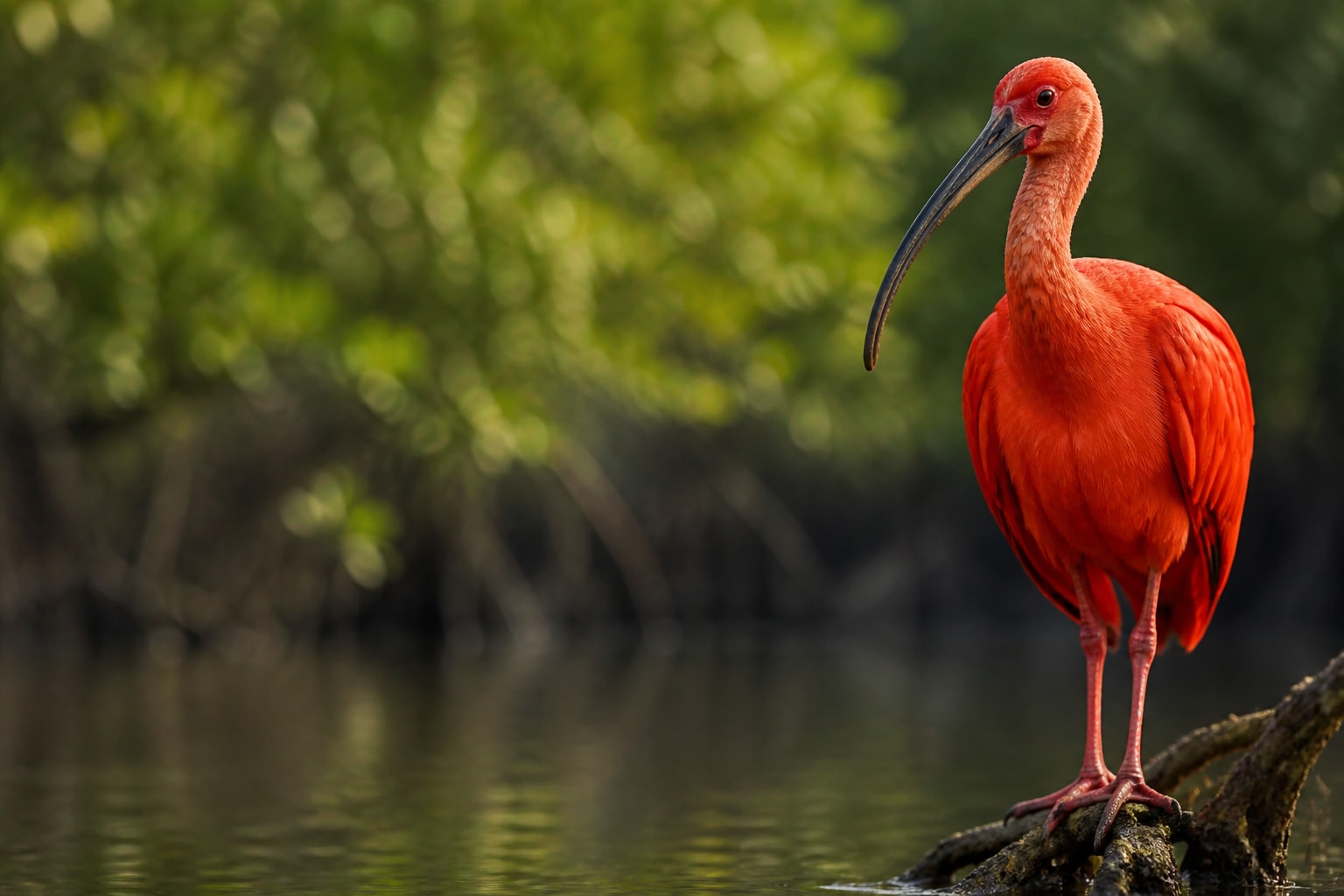
Scarlet Ibis
A bird the colour of flame — Brazil's scarlet wader probing mudflats in glowing flocks.
Least Concern
Eudocimus ruber
Overview
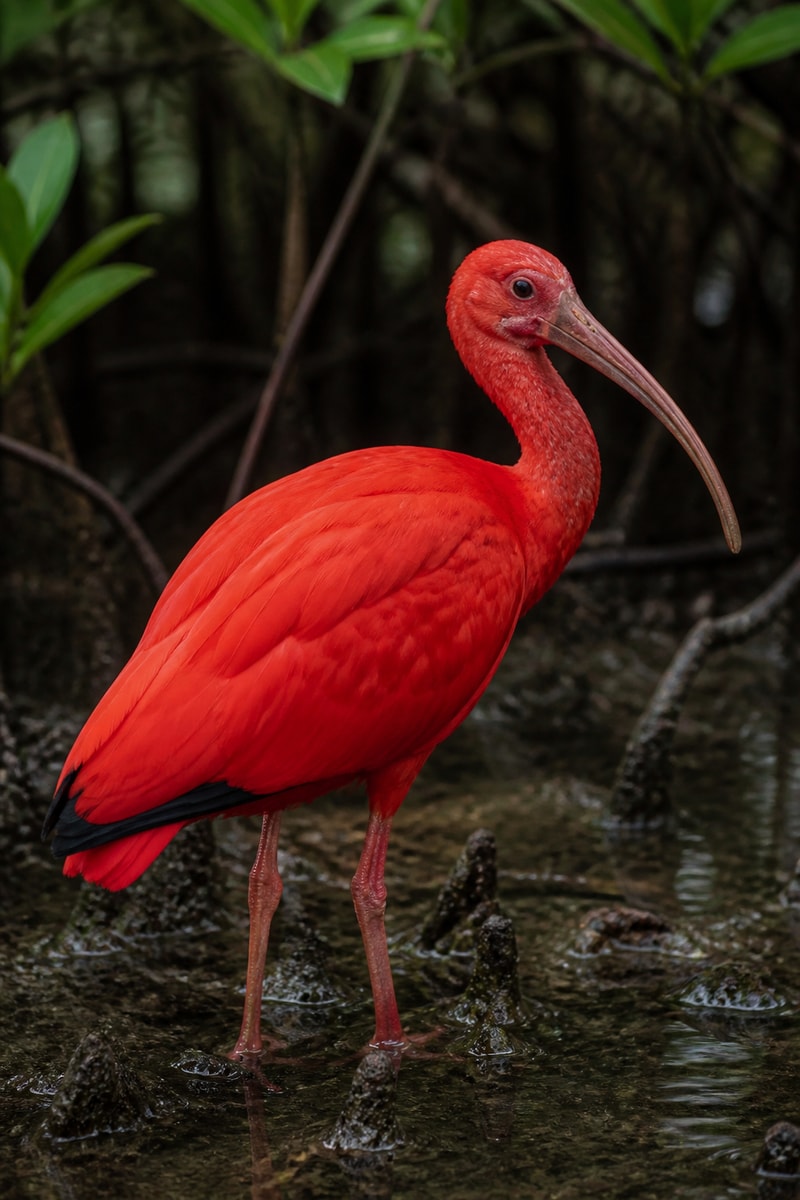
Scarlet ibises look almost unreal: adults are vivid red from bill to toe, stained by carotenoids in their crustacean diet. They probe mudflats and mangroves in flocks that turn whole shorelines pink-red at dusk.
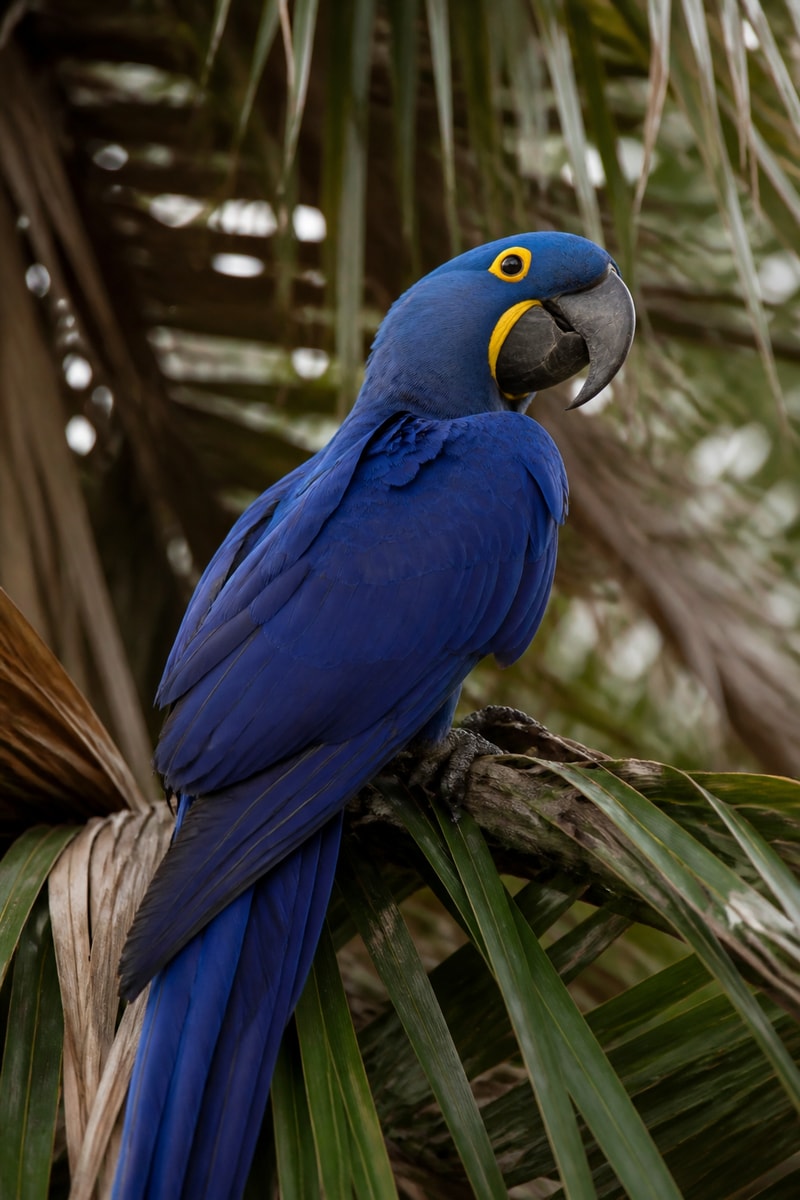
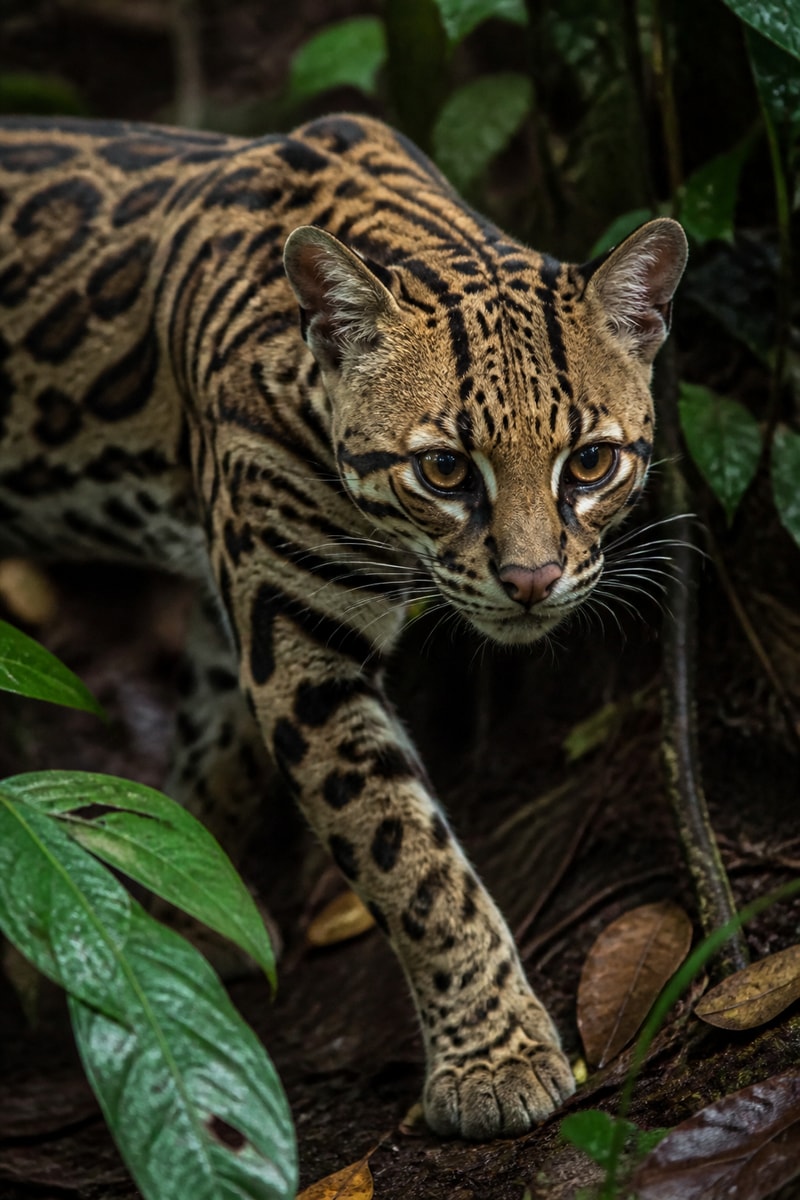
A pure colour card for Brazil wetlands beside capybara, jaguar, and hyacinth macaw.
- Scientific nameEudocimus ruber
- Length55–70 cm
- Weight600–900 g
- LifespanAround 15–20 years in the wild
- DietCrabs
- ConservationLeast Concern
- RegionMangroves & Wetlands
Where to see them
Habitat
- Mangroves
- Mudflats
- Estuaries
- Wetlands
Mangroves, mudflats, estuaries, and freshwater wetlands along northern South American coasts and inland wetlands including parts of Brazil.
Field notes
Field scale for the Scarlet Ibis: length around 55-70 cm; weight 600-900 g. Typical lifespan: Around 15-20 years in the wild.
When you are scanning habitat, prioritise mangroves, mudflats, estuaries, and wetlands. Those settings are where a clean look and a usable photo are most likely.
Quick ID anchor: Entirely scarlet-red adult with black wingtips and a long down-curved bill. Confirm with behaviour and habitat before you log the discovery.
Where to see one
Brazil
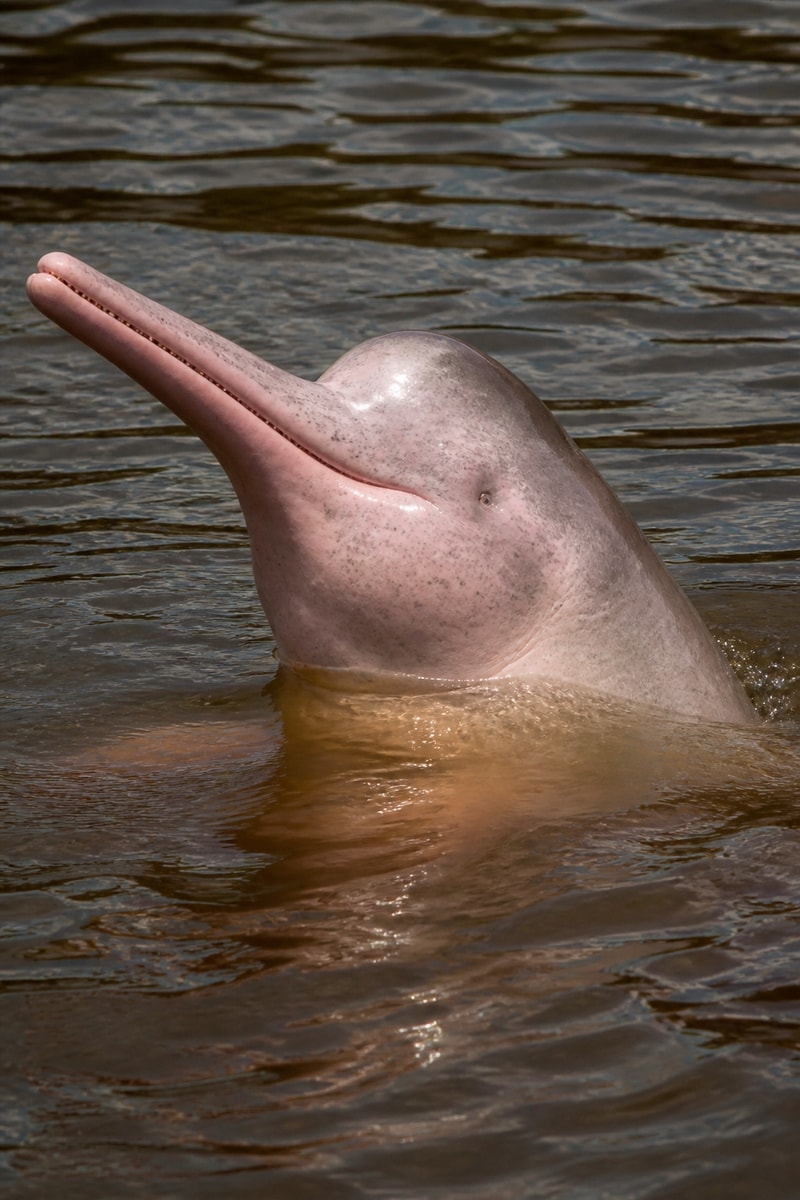
In Brazil, start at Amazon Rainforest (Amazonas). Riverboat journeys through flooded forest, with pink dolphins, sloths, and more species than anywhere else on Earth.
More context on this destination lives on the Brazil expedition page.
Diet
Crabs, shrimp, and other aquatic invertebrates probed from mud.
Carotenoid-rich prey maintains the scarlet plumage.
Behaviour
Social feeders and colonial nesters; fly in lines or V-formations.
Probe rhythmically through soft substrate.
How to identify
Entirely scarlet-red adult with black wingtips and a long down-curved bill.
Juveniles brownish; long legs for wading.
Interesting facts
- 01
Adult scarlet colour comes from carotenoids in crabs and shrimp.
- 02
Juveniles are dull brown before turning red.
- 03
Long curved bills probe soft mud for crustaceans.
- 04
Nest in colonies in mangroves and wetland trees.
- 05
Often roost communally at dusk in glowing flocks.
- 06
Closely related to the white ibis of North America.
Conservation status
Scarlet ibises are Least Concern but depend on healthy mangroves and wetlands. Coastal development and pollution can hit local colonies hard.
Sources: IUCN Red List
Keep exploring
Where it lives
Related discoveries
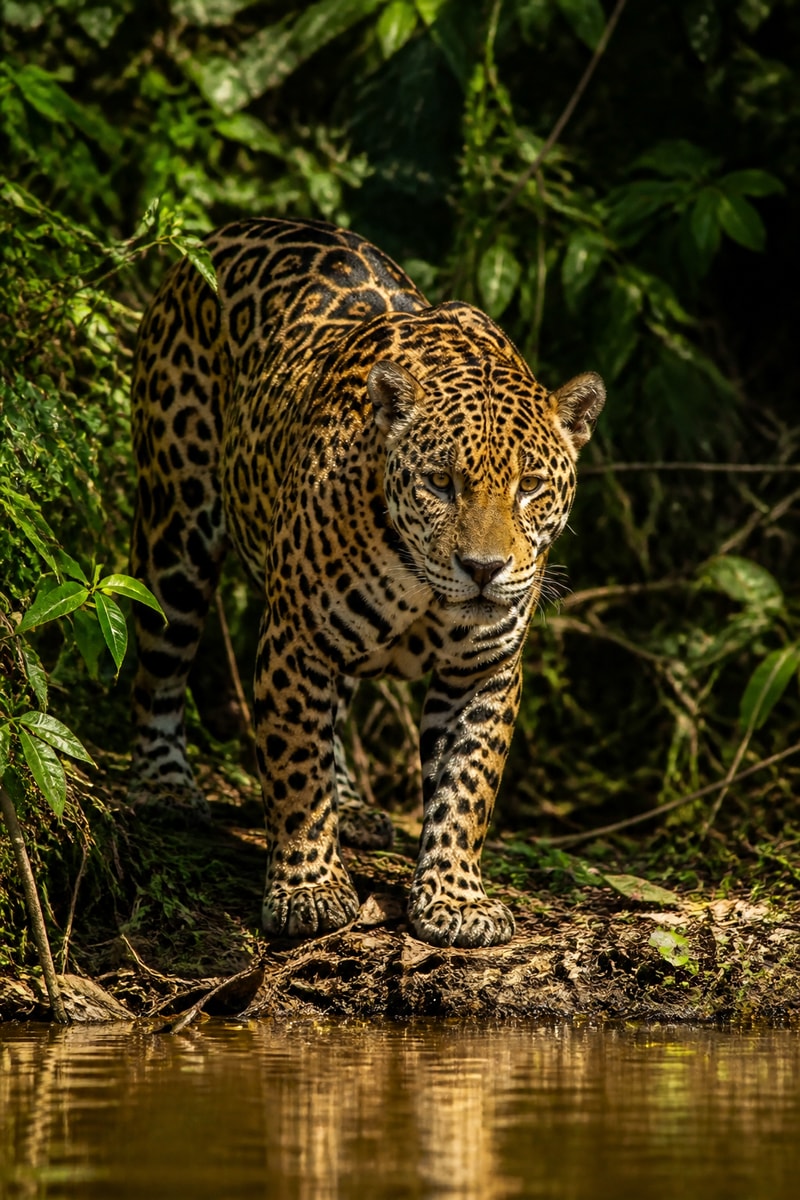
- Jaguarlegendary • Rainforest & Wetland
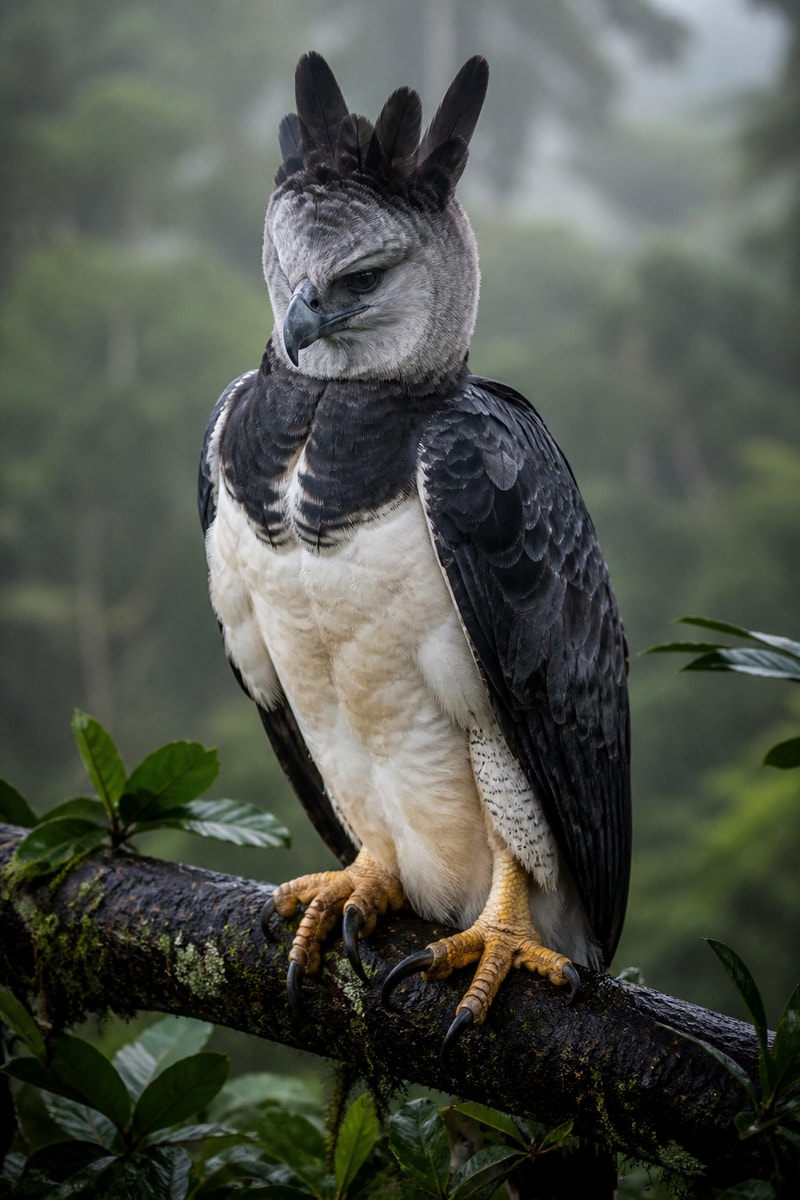
- Harpy Eaglelegendary • Rainforest Canopy
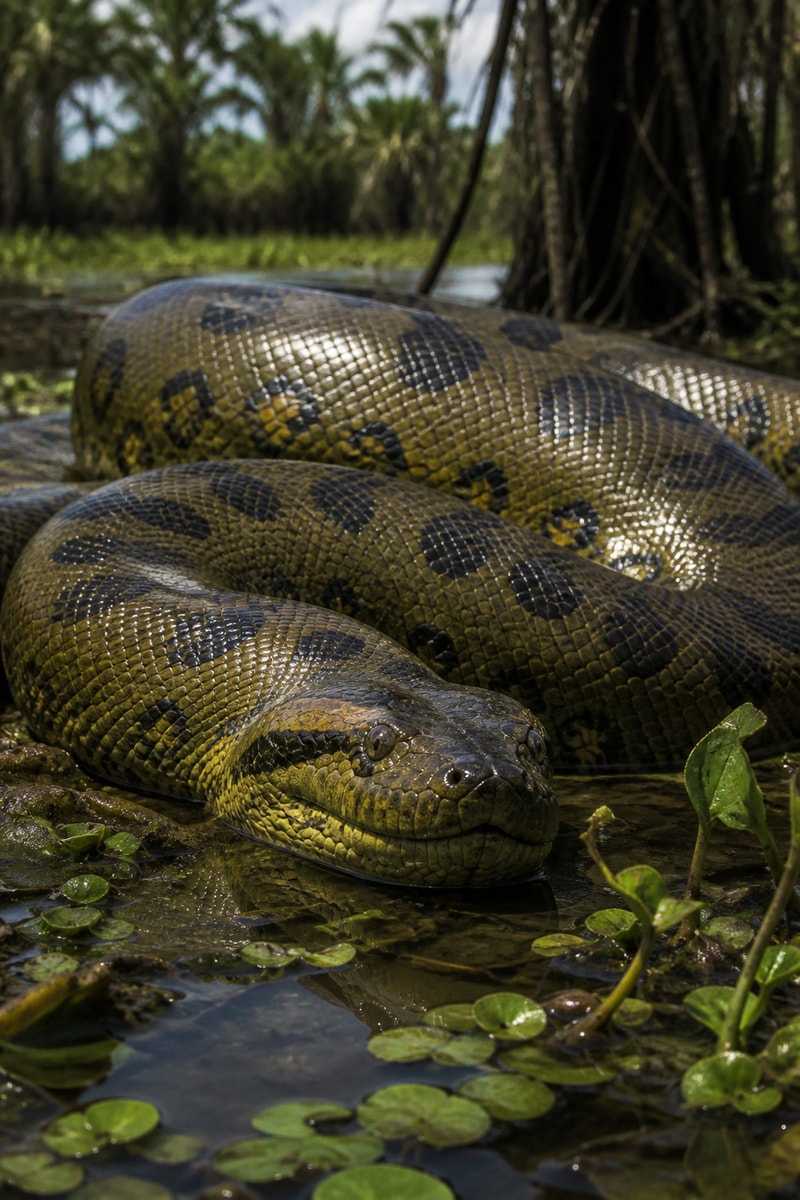
- Green Anacondalegendary • Wetlands & Rivers
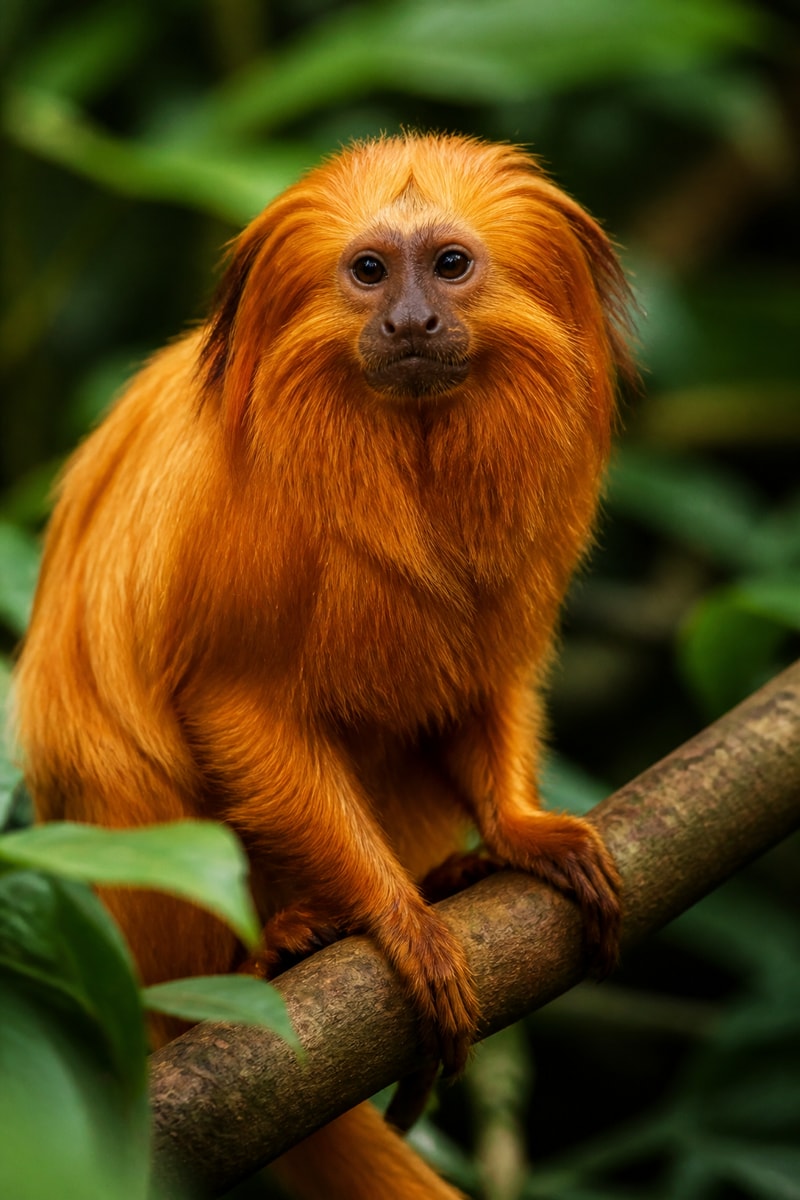
- Golden Lion Tamarinlegendary • Atlantic Forest Canopy
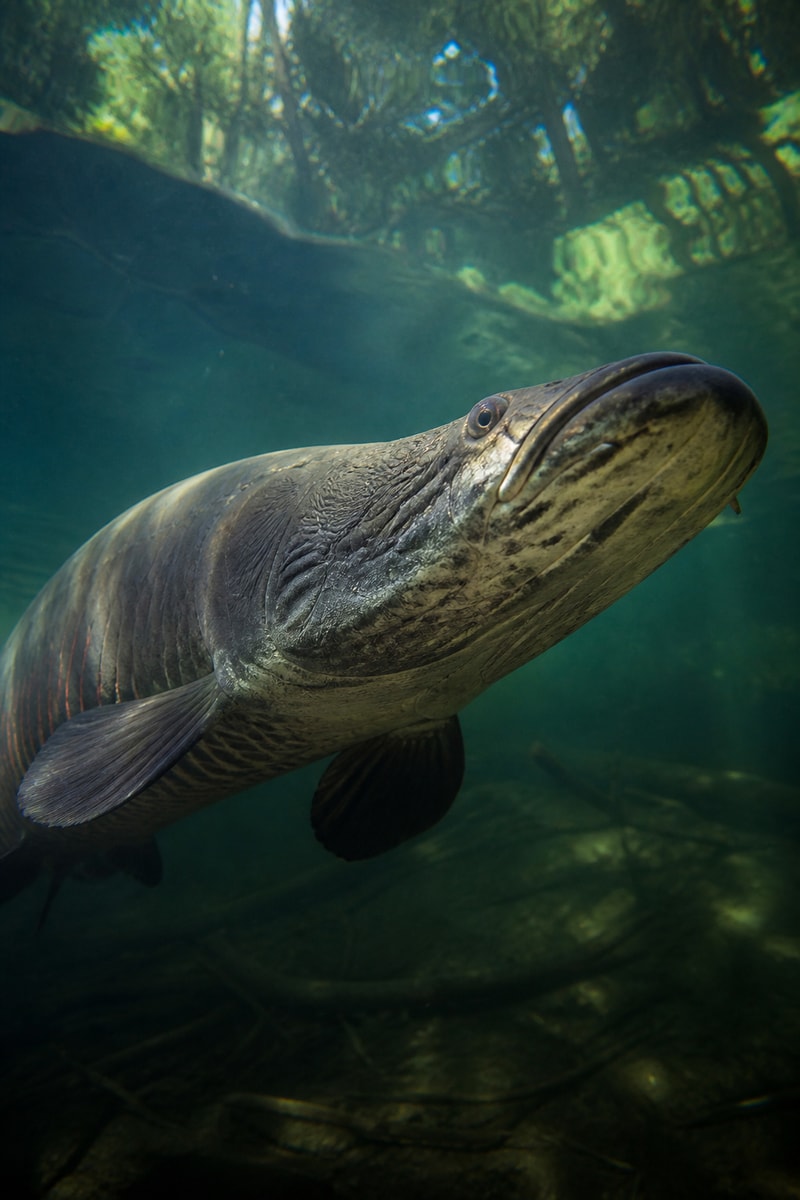
- Arapaimalegendary • Amazon Floodplain
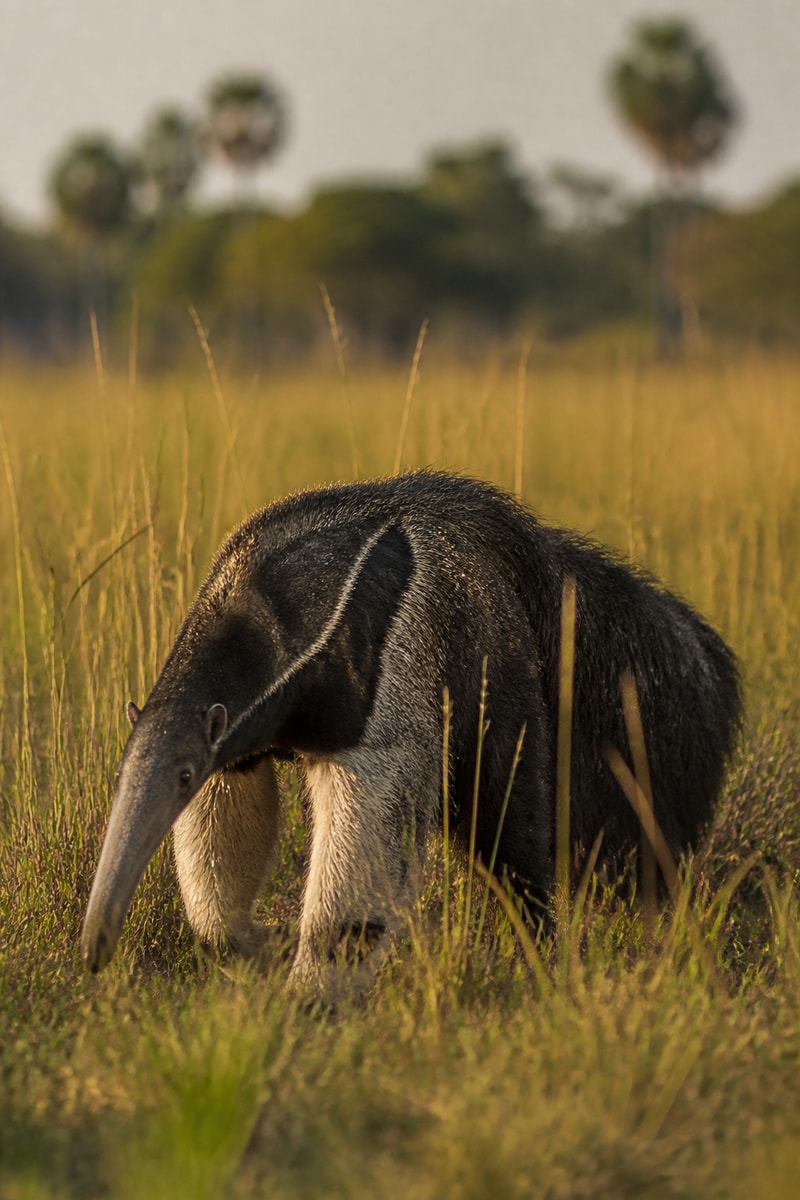
- Giant Anteaterrare • Grassland & Forest
- Amazon River Dolphinrare • Amazon Rivers
- Hyacinth Macawrare • Wetland & Palm Savanna
Free on iOS
Catch the Scarlet Ibis
Spot one in the wild, then scan it in Catch'Um to log your common discovery.