
Field guide · common
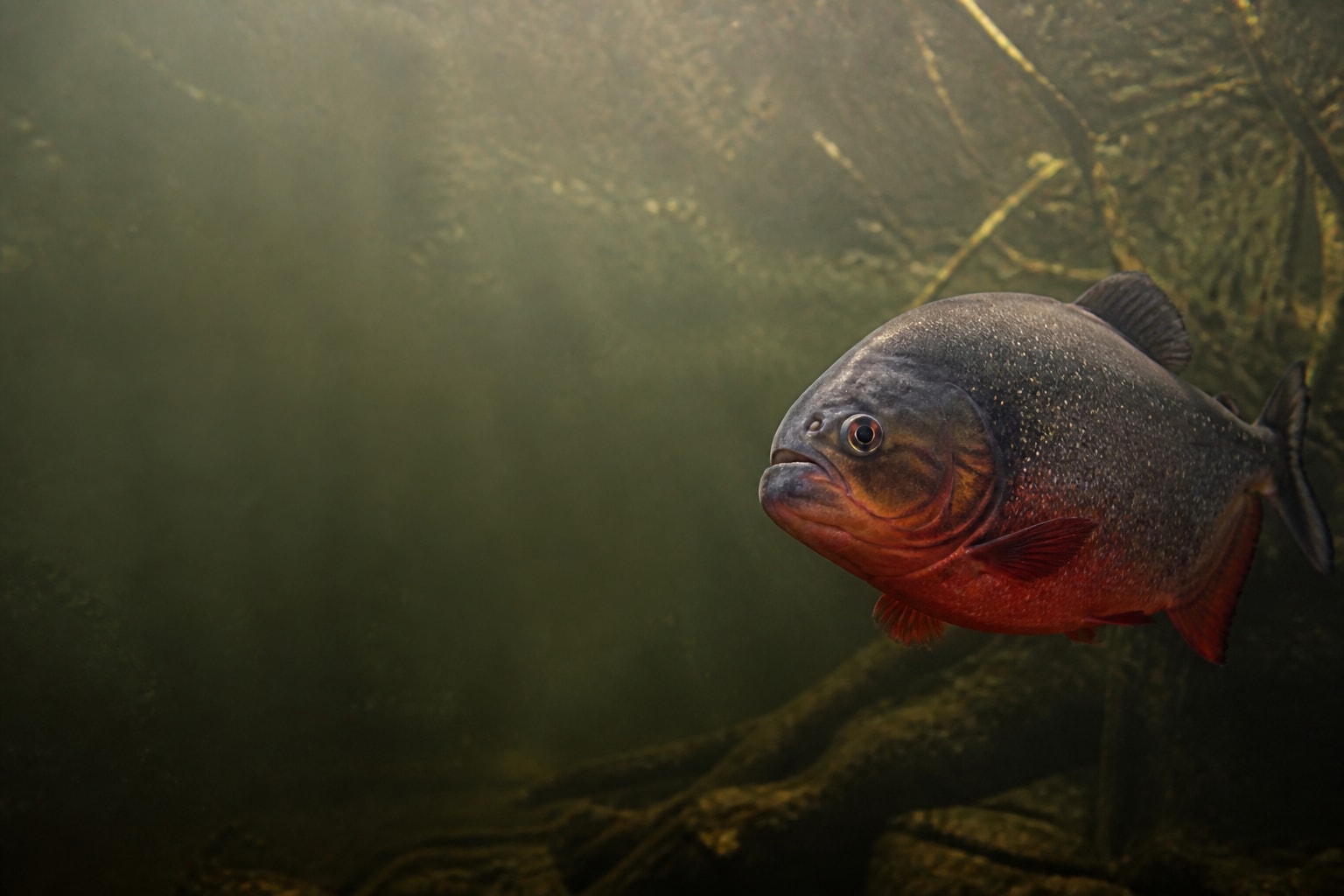
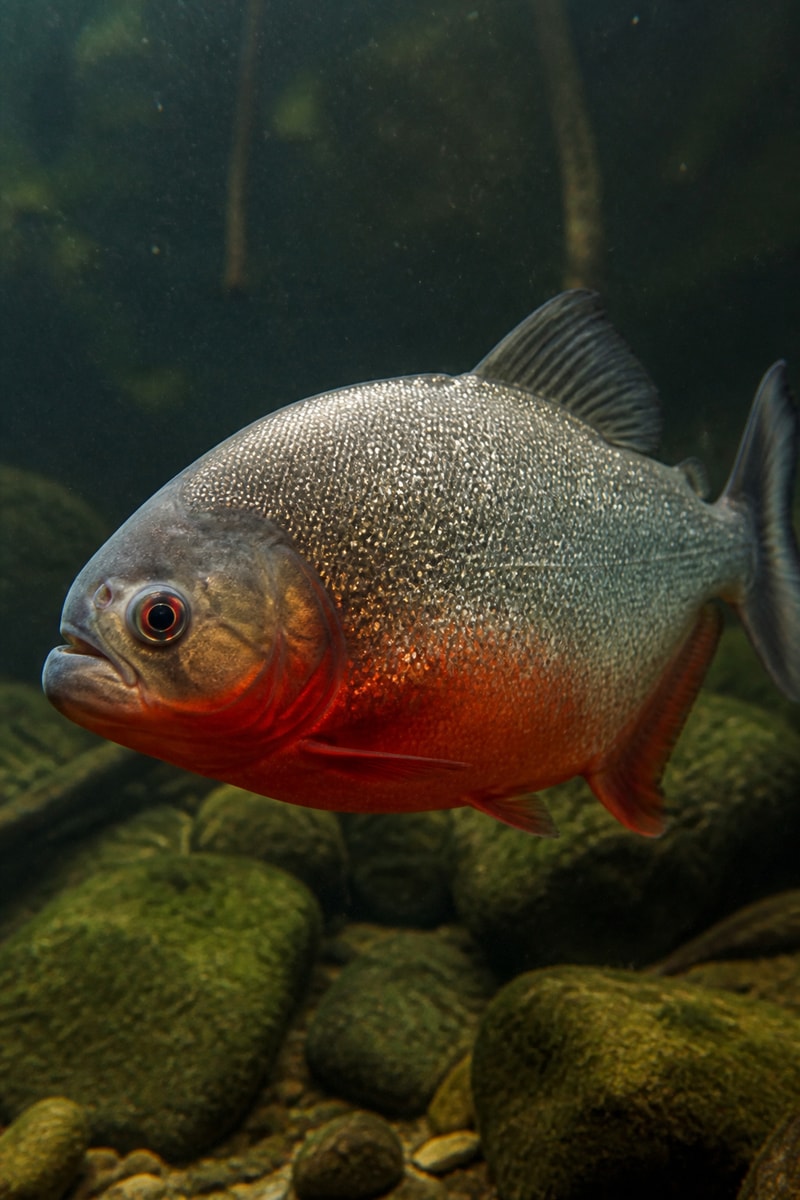
Red-bellied Piranha
Scarlet belly, razor teeth — the Amazon’s most famous schooling predator fish.
Least Concern
Pygocentrus nattereri
Overview
Red-bellied piranhas are deep-bodied Amazonian characins with bright red undersides and interlocking blade-like teeth. They school in rivers and floodplain lakes, taking fish and scavenging rather than living up to every legend.
For Brazil collectors, this piranha is a common Amazon icon — bold colour, serious jaws, and true floodplain ecology.
- Scientific namePygocentrus nattereri
- LengthTypically 15–25 cm; larger individuals to ~50 cm
- WeightOften under 1 kg; large adults heavier
- LifespanAround 5–10 years in the wild
- DietMostly fish
- ConservationLeast Concern
- RegionAmazon Freshwater
Where to see them
Habitat
- Amazon river
- Oxbow lake
- Flooded forest
Warm freshwater rivers, oxbow lakes, and flooded forests of the Amazon and neighbouring basins, favouring slower waters and cover.
Field notes
Field scale for the Red-bellied Piranha: length around Typically 15-25 cm; larger individuals to ~50 cm; weight Often under 1 kg; large adults heavier. Typical lifespan: Around 5-10 years in the wild.
When you are scanning habitat, prioritise amazon river, oxbow lake, and flooded forest. Those settings are where a clean look and a usable photo are most likely.
Quick ID anchor: Deep, laterally compressed body with silver flanks and a vivid red belly. Confirm with behaviour and habitat before you log the discovery.
Where to see one
Brazil
In Brazil, strong options include Pantanal and Amazon Rainforest. The world's largest tropical wetland, with capybaras, jaguars, hyacinth macaws, and giant otters in open savanna.
Open the Brazil spotting guide for every park note tied to the red-bellied piranha.
Diet
Mostly fish, with scavenging on carcasses and occasional invertebrates or plant material.
Schools rush prey or tear food in quick coordinated bites.
Behaviour
Social schooling fish; more aggressive when food is concentrated or waters drop.
Spawn in shallow vegetated areas; adults may guard eggs briefly.
How to identify
Deep, laterally compressed body with silver flanks and a vivid red belly.
Blunt snout, heavy lower jaw, and sharp interlocking teeth visible when the mouth opens.
Interesting facts
- 01
Bright red belly is strongest on adults in good condition.
- 02
Teeth are triangular and interlock for shearing flesh.
- 03
Usually hunt and scavenge in schools.
- 04
Diet is mainly fish, plus carrion and some plant matter.
- 05
Breeding pairs may guard nests among vegetation.
- 06
Reputation exceeds typical risk to uninjured humans.
Conservation status
Red-bellied piranhas are Least Concern. They remain widespread in Amazonian drainages, though local water quality and overfishing can alter abundances.
Sources: IUCN Red List
Keep exploring
Related discoveries
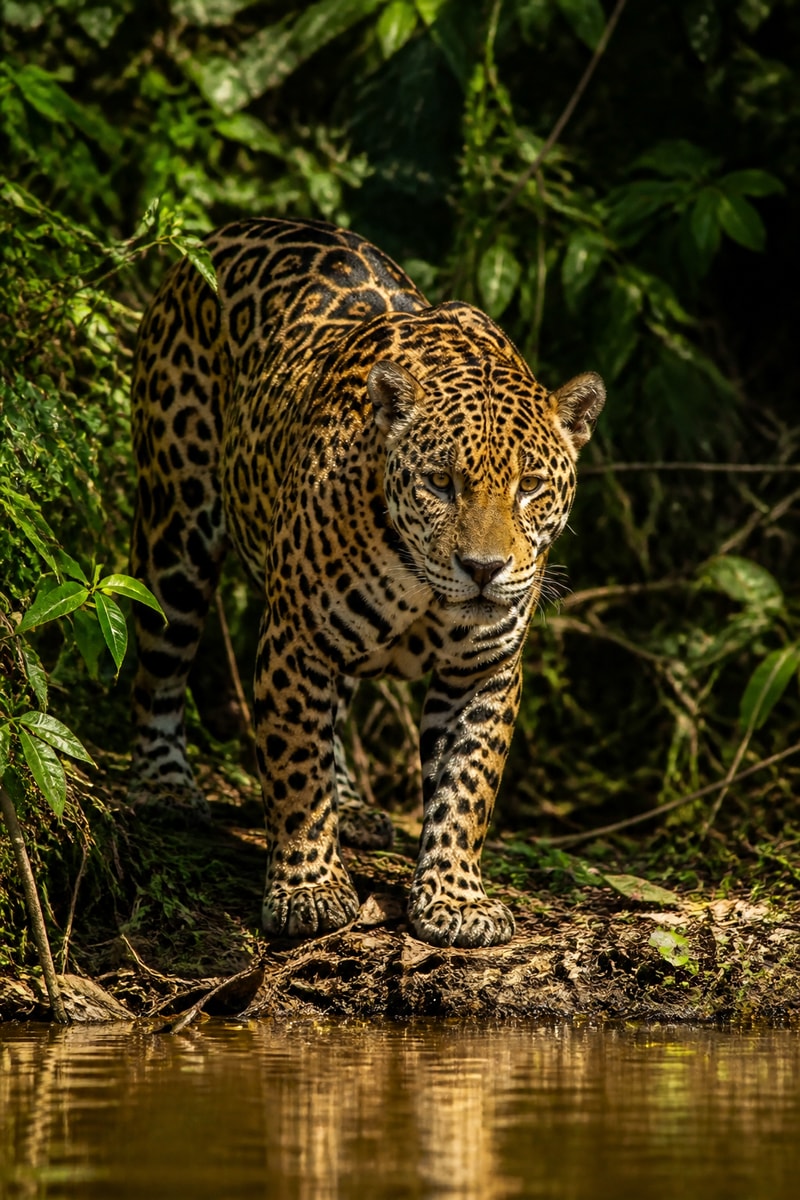
- Jaguarlegendary • Rainforest & Wetland
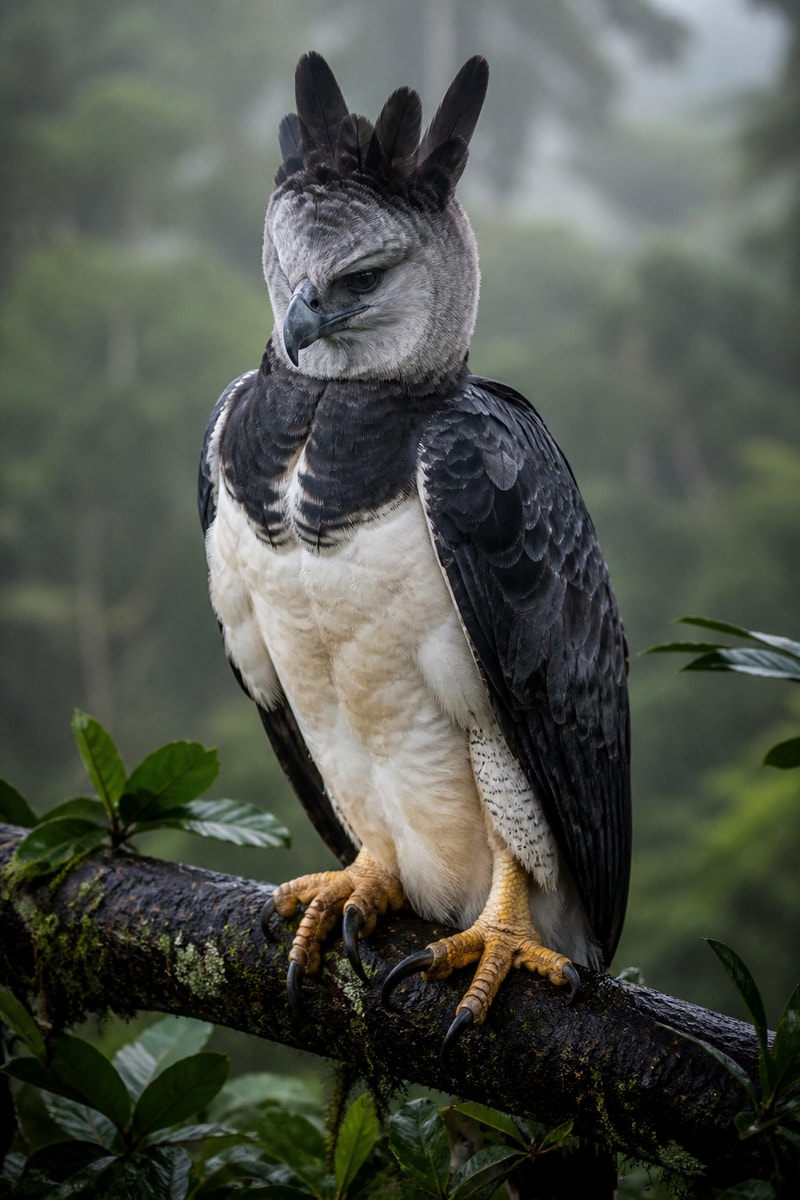
- Harpy Eaglelegendary • Rainforest Canopy
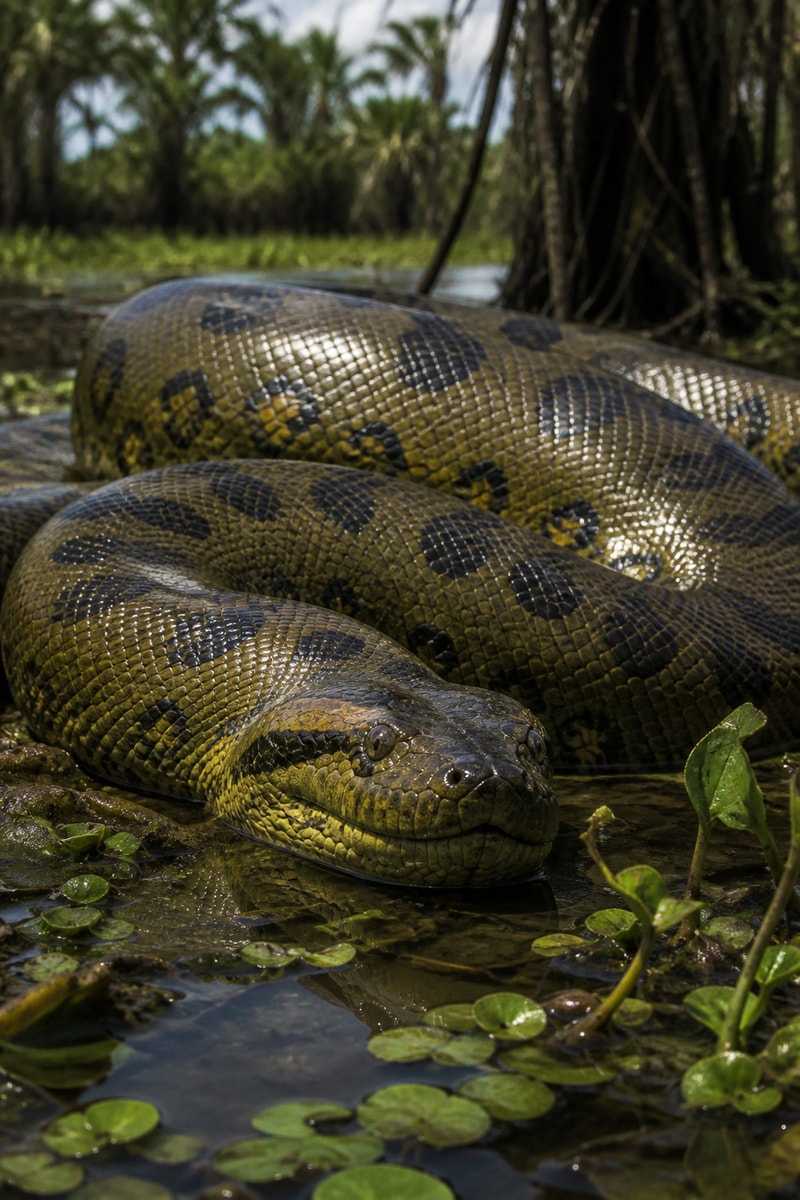
- Green Anacondalegendary • Wetlands & Rivers
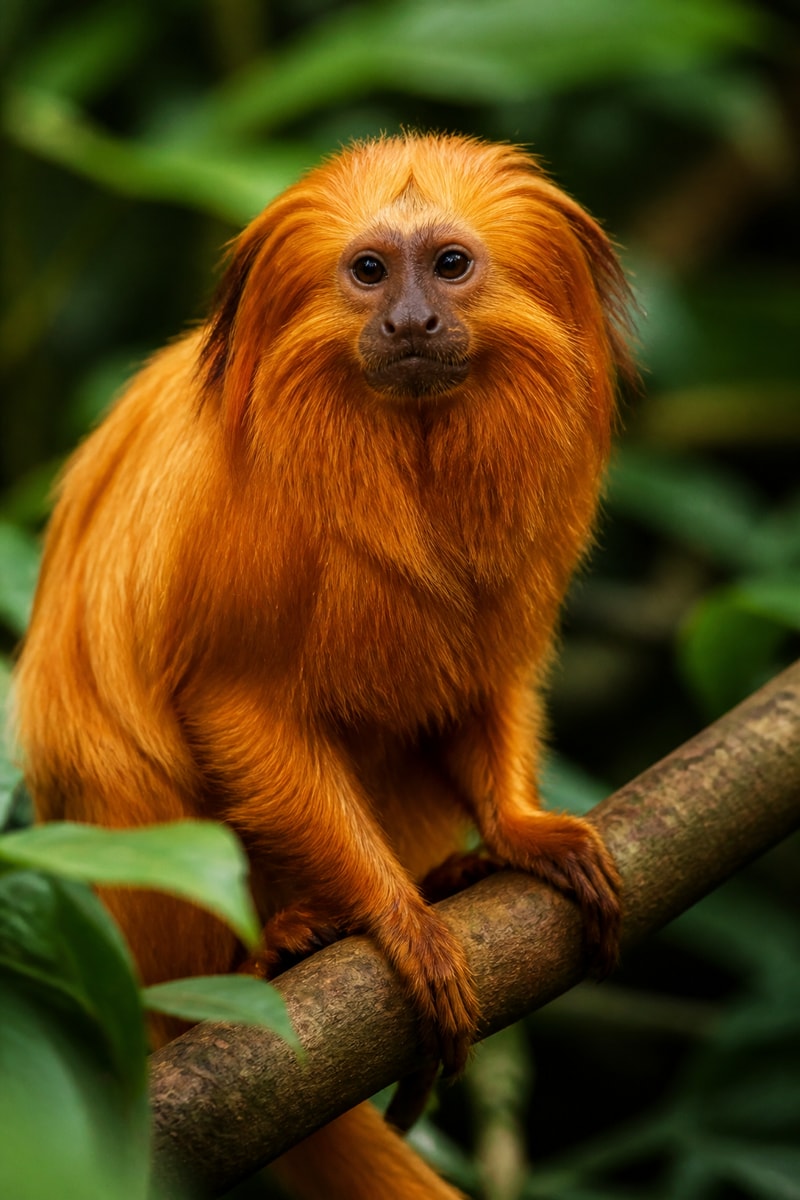
- Golden Lion Tamarinlegendary • Atlantic Forest Canopy
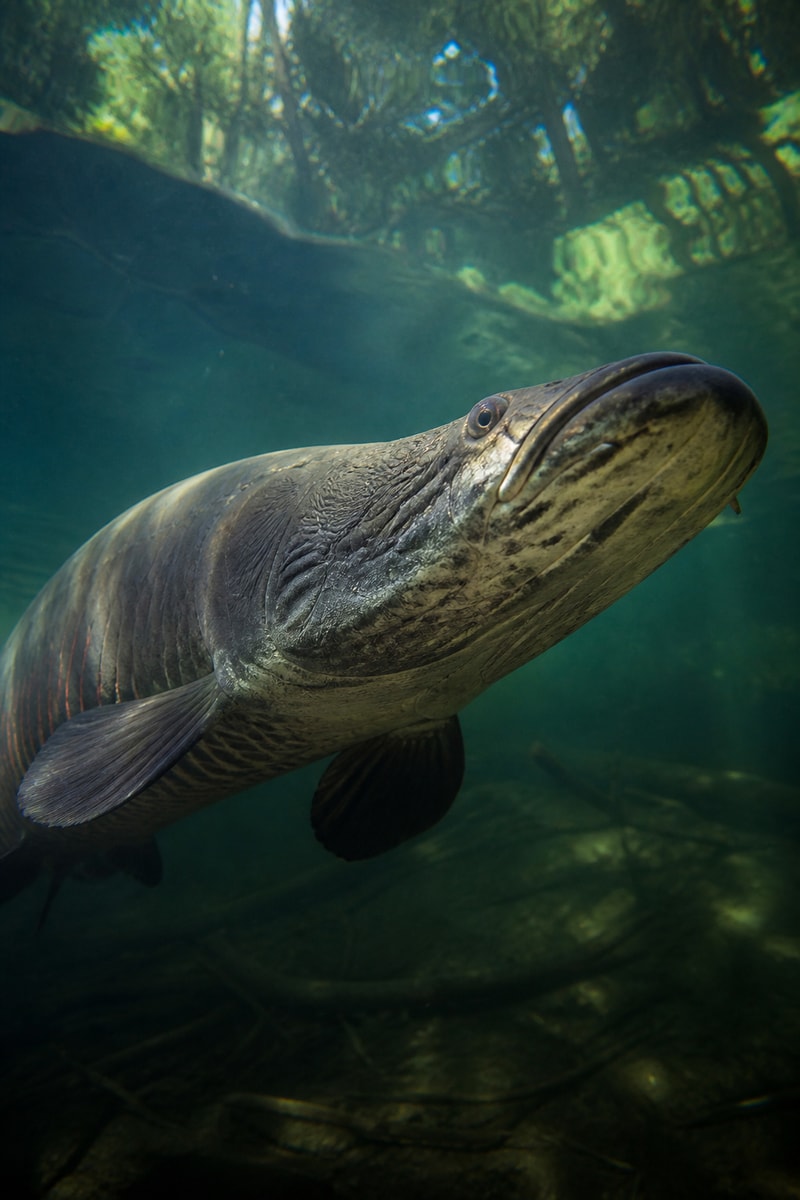
- Arapaimalegendary • Amazon Floodplain
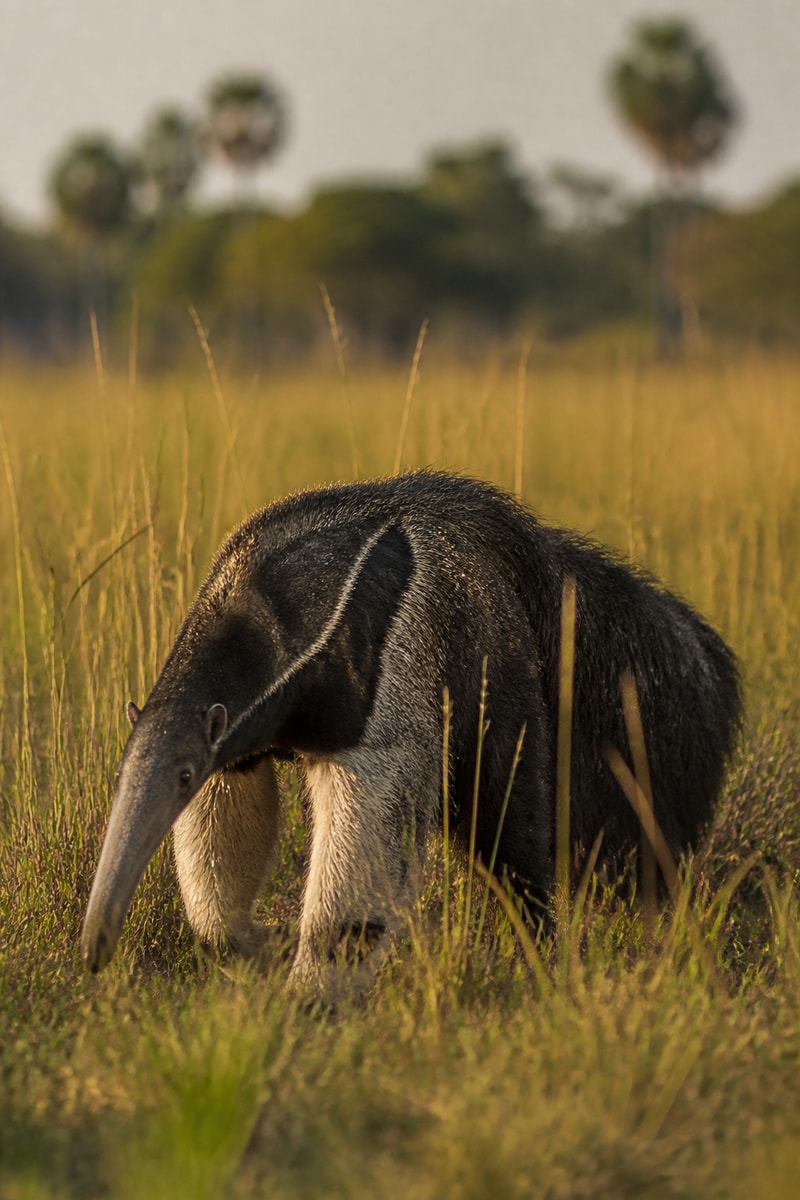
- Giant Anteaterrare • Grassland & Forest
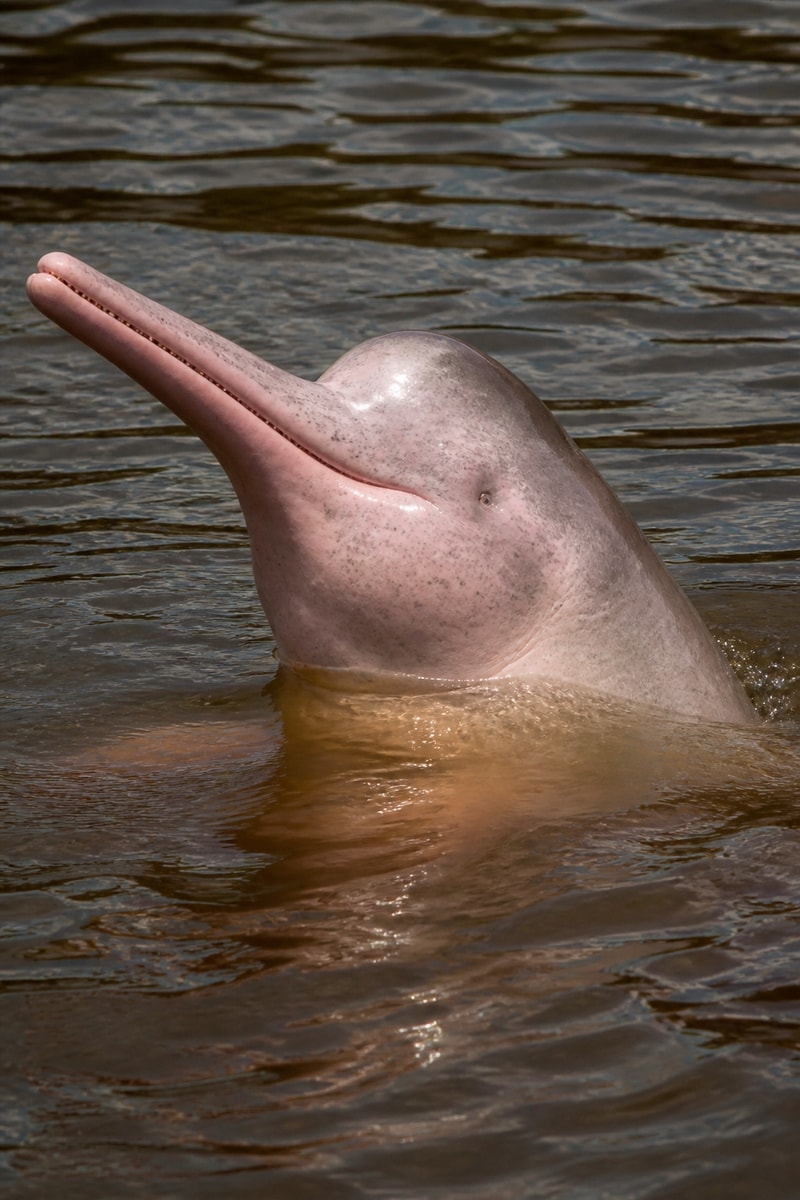
- Amazon River Dolphinrare • Amazon Rivers
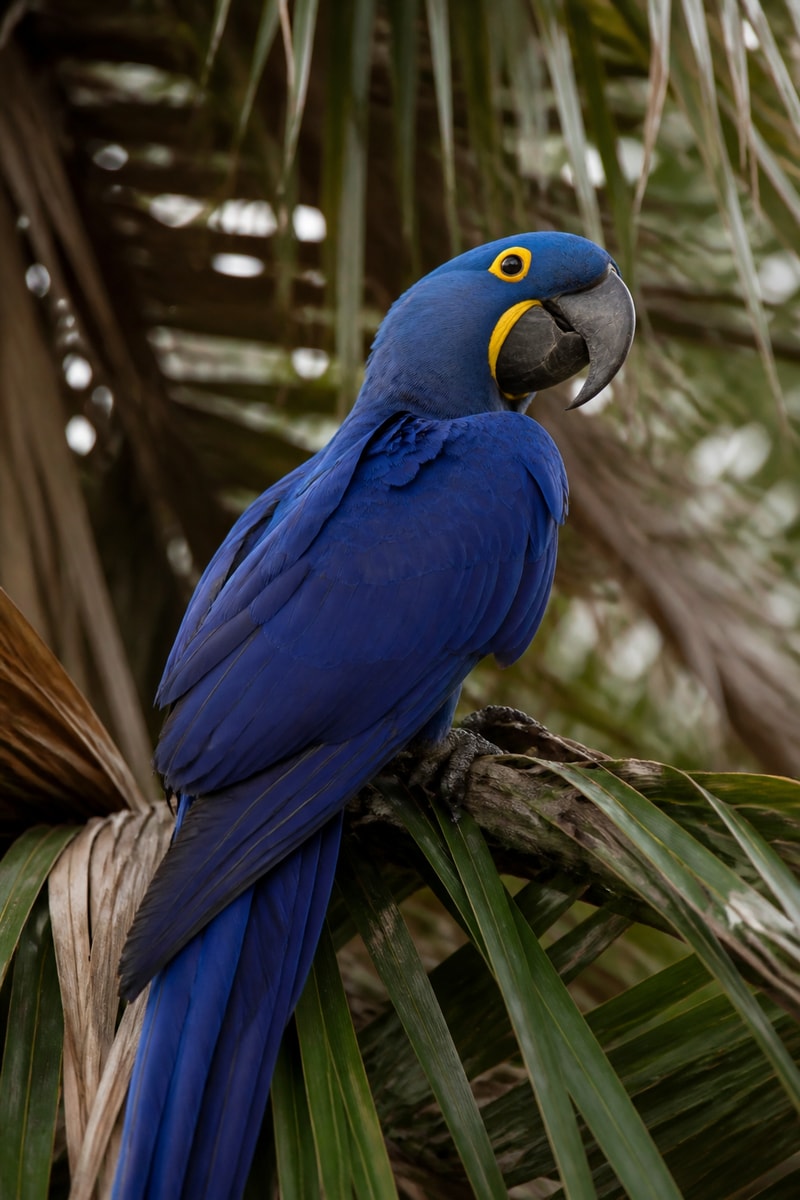
- Hyacinth Macawrare • Wetland & Palm Savanna
Free on iOS
Catch the Red-bellied Piranha
Spot one in the wild, then scan it in Catch'Um to log your common discovery.