
Field guide · rare
Peacock Mantis Shrimp
Rainbow smash specialist — club claws that crack shells with underwater shockwaves.
Least Concern
Odontodactylus scyllarus
Overview
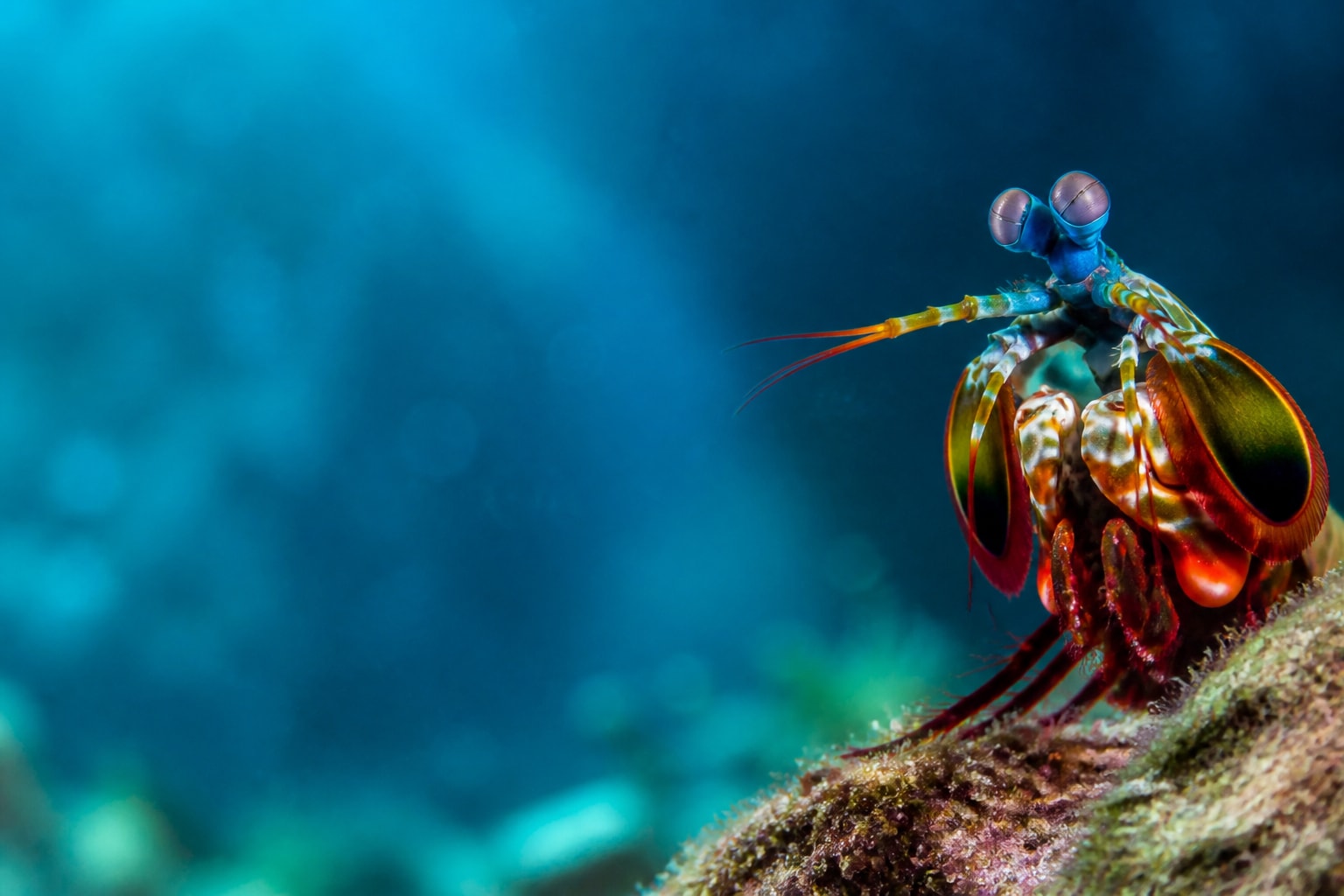
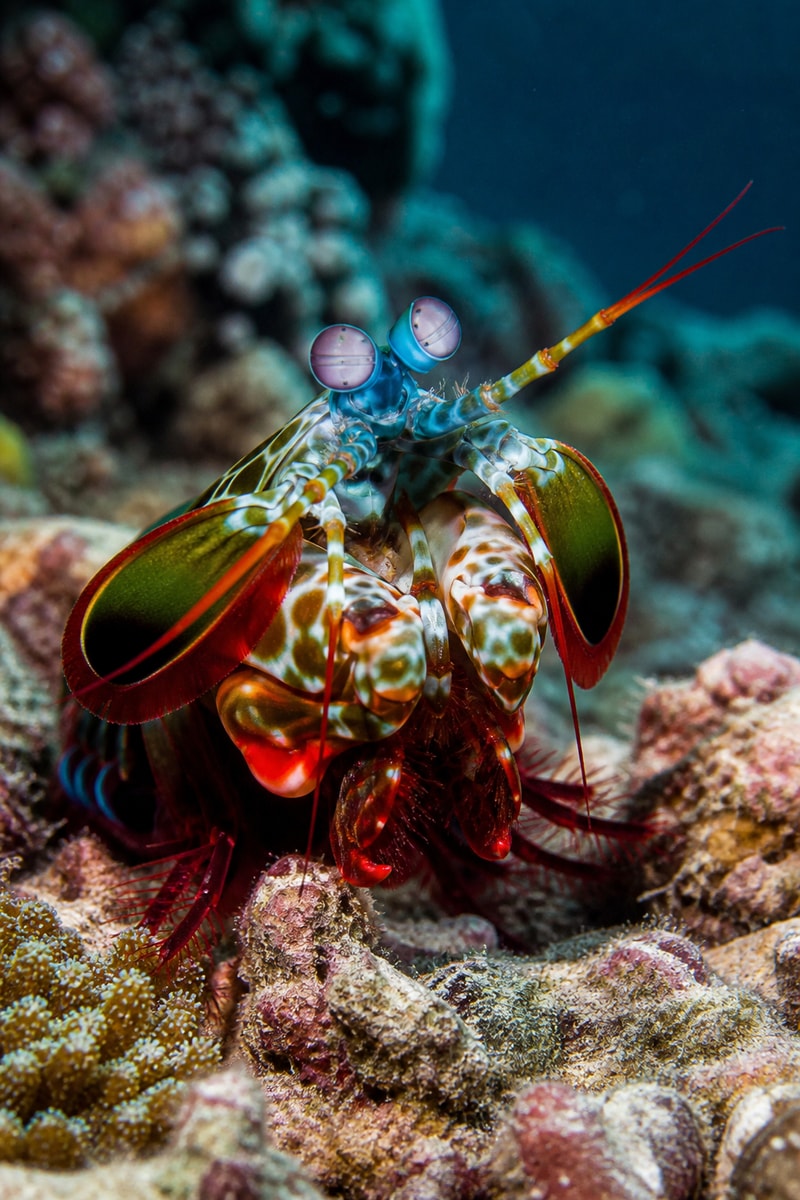
Peacock mantis shrimp are vividly coloured stomatopods of Indo-Pacific reefs. Smashers pack calcified clubs that strike prey with blistering speed, sometimes creating cavitation bubbles that stun.
For Indonesia and Australia collectors, a peacock mantis at a burrow entrance is a rare reef card — colour, power, and alien eyes.
- Scientific nameOdontodactylus scyllarus
- Length3–18 cm; commonly around 8–15 cm
- LifespanAround 3–6 years in the wild
- DietSmash hard-shelled crabs
- ConservationLeast Concern
- RegionCoral Reef Burrows
Where to see them
Habitat
- Coral reef
- Reef rubble
- Sandy burrows
Coral reefs, rubble, and sandy burrows of the tropical Indo-Pacific, including Indonesian and Australian waters, where they defend dens and ambush passing crustaceans and molluscs.
Field notes
Field scale for the Peacock Mantis Shrimp: length around 3-18 cm; commonly around 8-15 cm. Typical lifespan: Around 3-6 years in the wild.
When you are scanning habitat, prioritise coral reef, reef rubble, and sandy burrows. Those settings are where a clean look and a usable photo are most likely.
Quick ID anchor: Brilliant green, blue, and red patterning; club-shaped smashers rather than spear appendages. Confirm with behaviour and habitat before you log the discovery.
Diet
Smash hard-shelled crabs, snails, and other invertebrates with club-like raptorial appendages.
Ambush from burrow mouths on the reef floor.
Behaviour
Territorial around burrows; threaten rivals with raised clubs and display colours.
Highly visual hunters that track prey with independently moving eyes.
How to identify
Brilliant green, blue, and red patterning; club-shaped smashers rather than spear appendages.
Stalked eyes and flattened, armoured body suited to reef crevices.
Interesting facts
- 01
Smashers strike with clubs faster than a bullet's eyeblink scale in water.
- 02
Cavitation bubbles from the strike can stun prey a second time.
- 03
Compound eyes have extraordinary colour and polarisation vision.
- 04
Live in self-dug or borrowed burrows on the reef.
- 05
Diet includes crabs, snails, and other hard-shelled prey.
- 06
Bright greens, blues, and reds earn the 'peacock' name.
Conservation status
Peacock mantis shrimp are not formally assessed as threatened and remain widespread on Indo-Pacific reefs. Coral degradation and collection for aquaria can affect local numbers.
Sources: IUCN Red List
Related discoveries

Keep exploring
Where it lives
Related discoveries
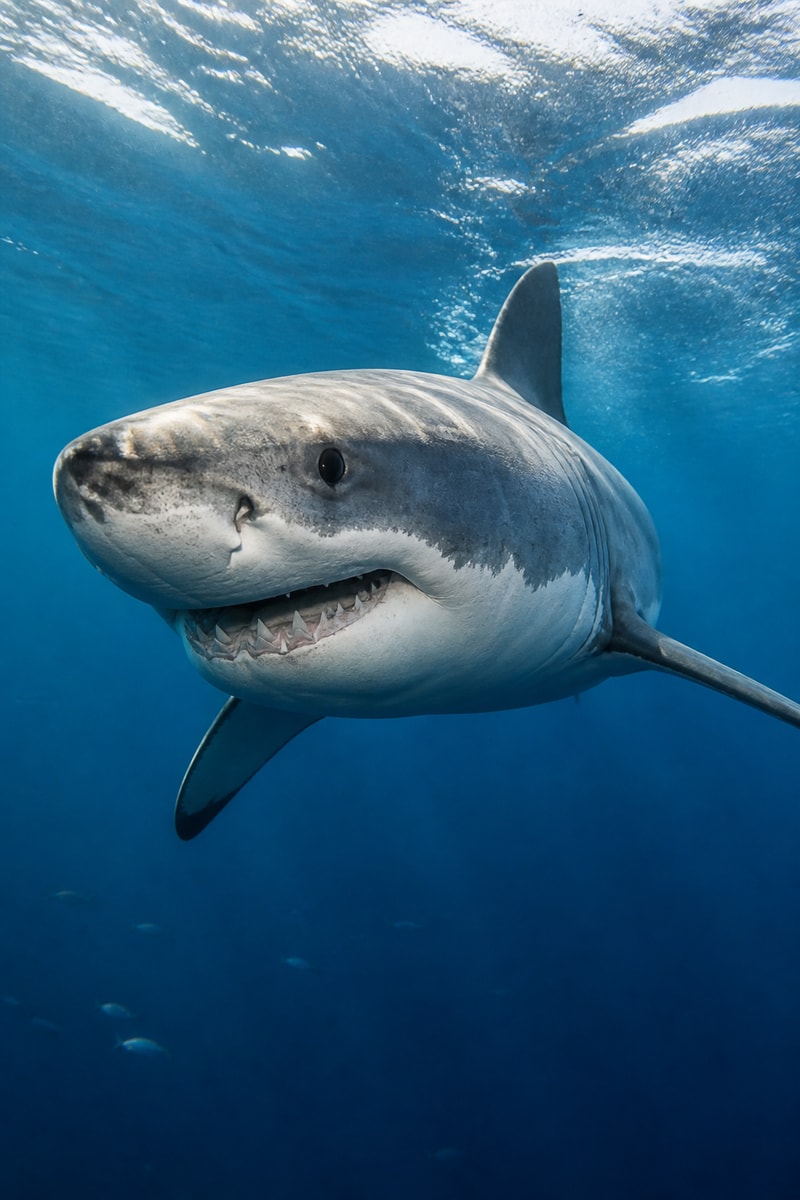
- Great White Sharklegendary • Coastal Ocean
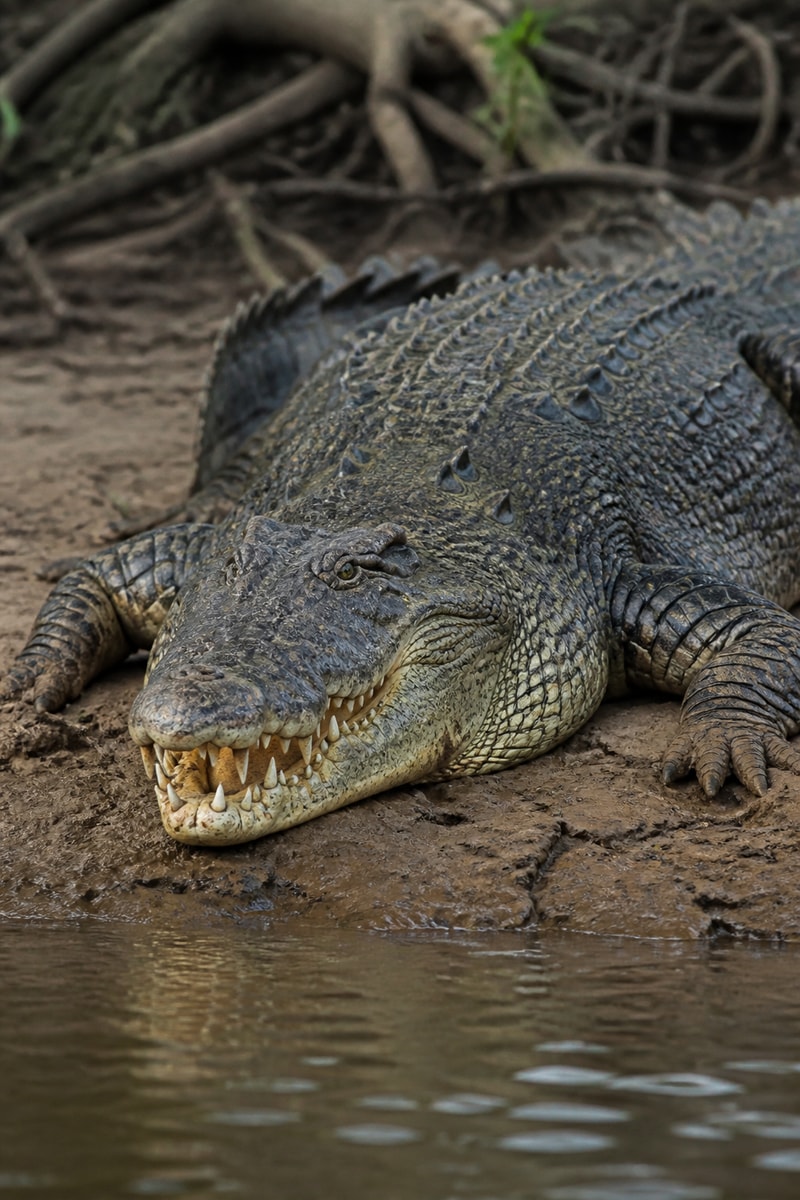
- Saltwater Crocodilelegendary • Estuaries & Coast
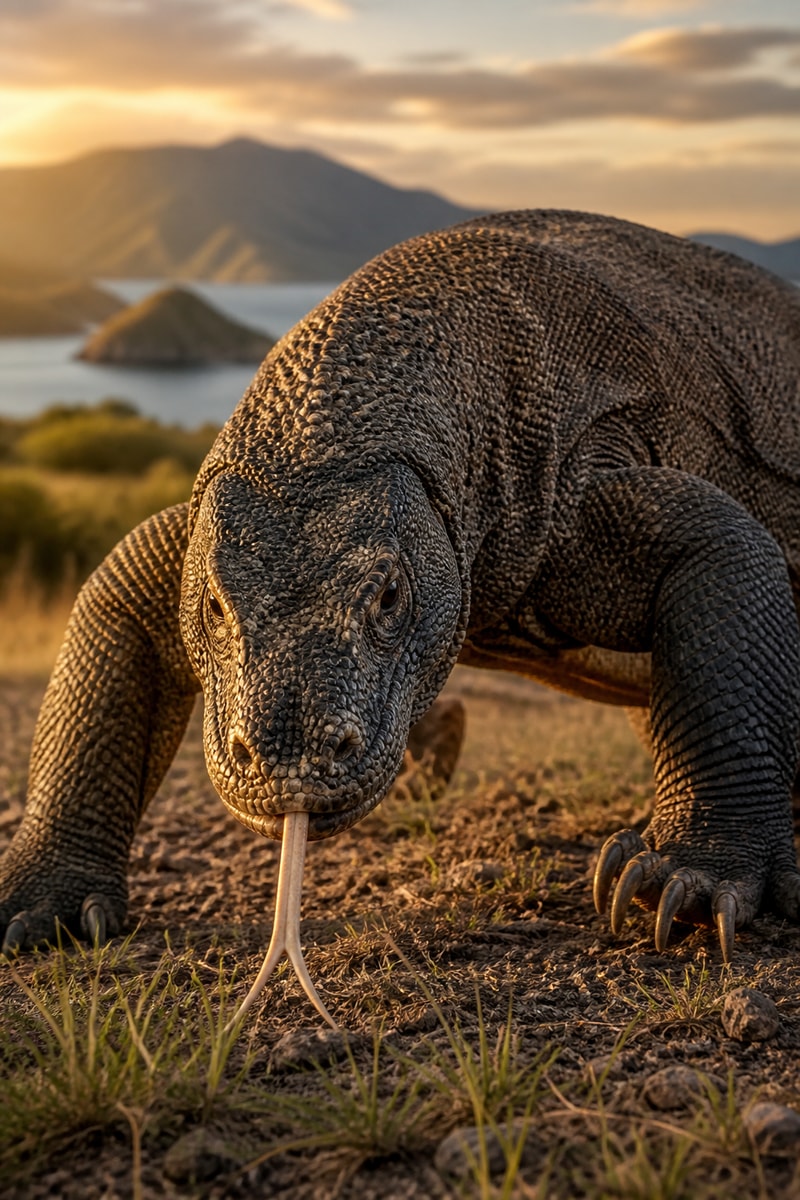
- Komodo Dragonlegendary • Komodo Islands
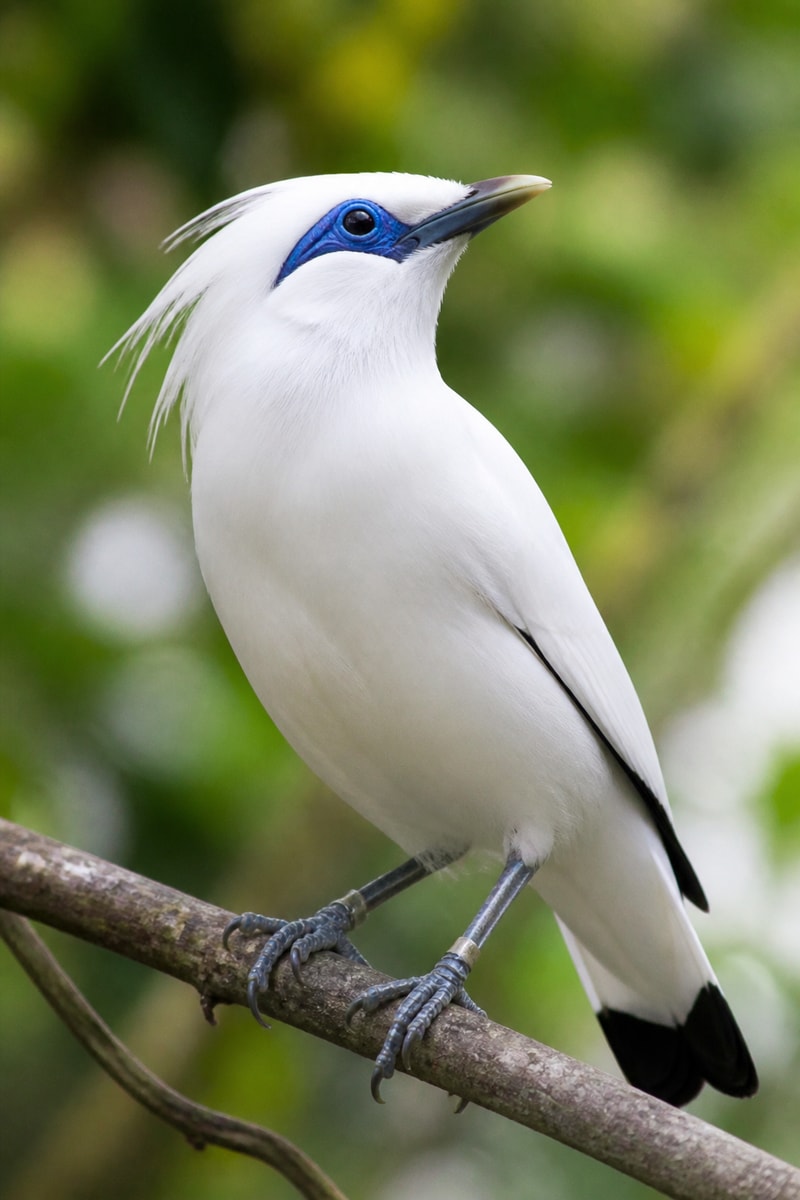
- Bali Starlinglegendary • Bali
- Orcalegendary • Coastal Ocean
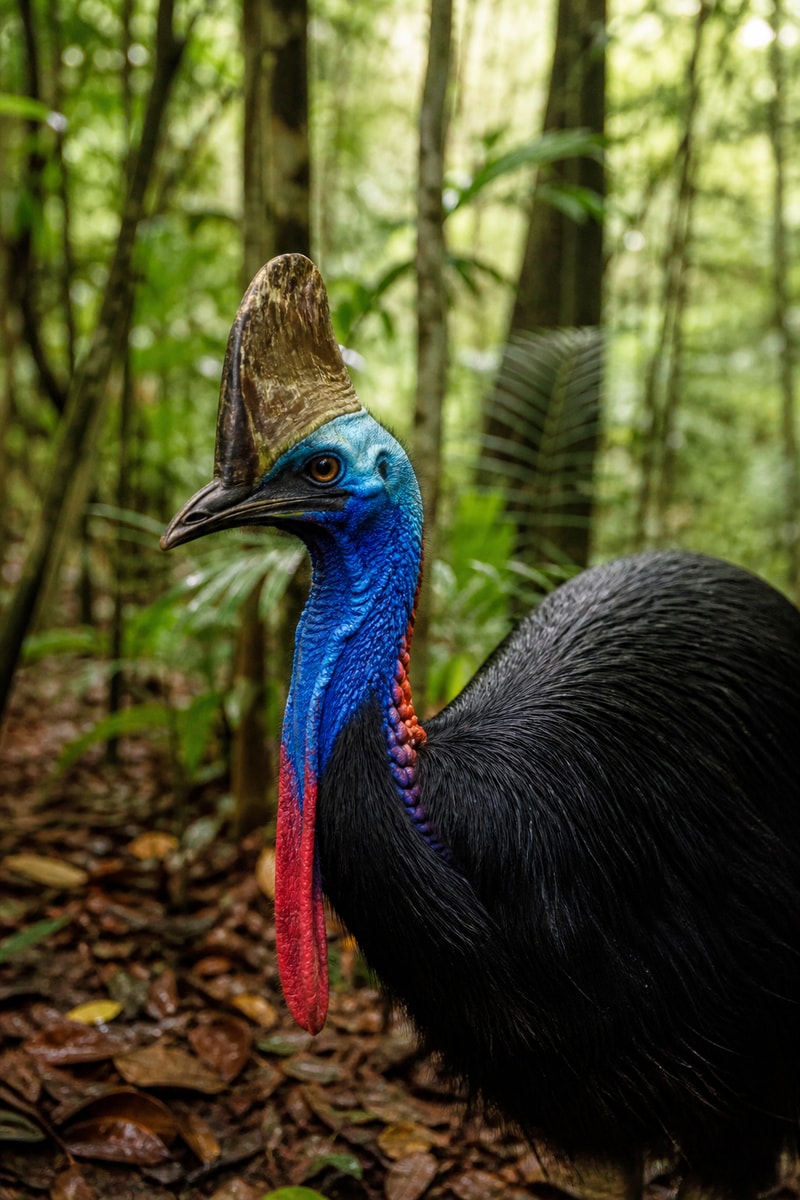
- Southern Cassowarylegendary • Rainforest
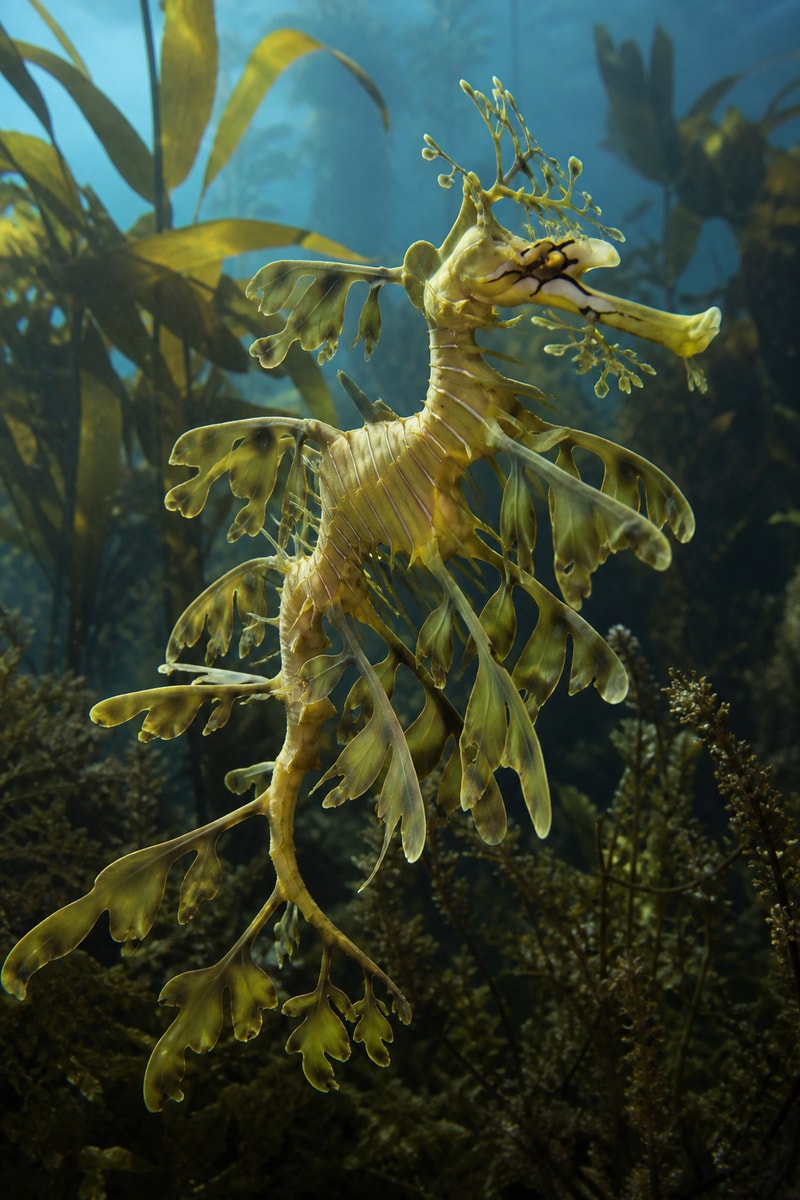
- Leafy Sea Dragonlegendary • Kelp & Seagrass
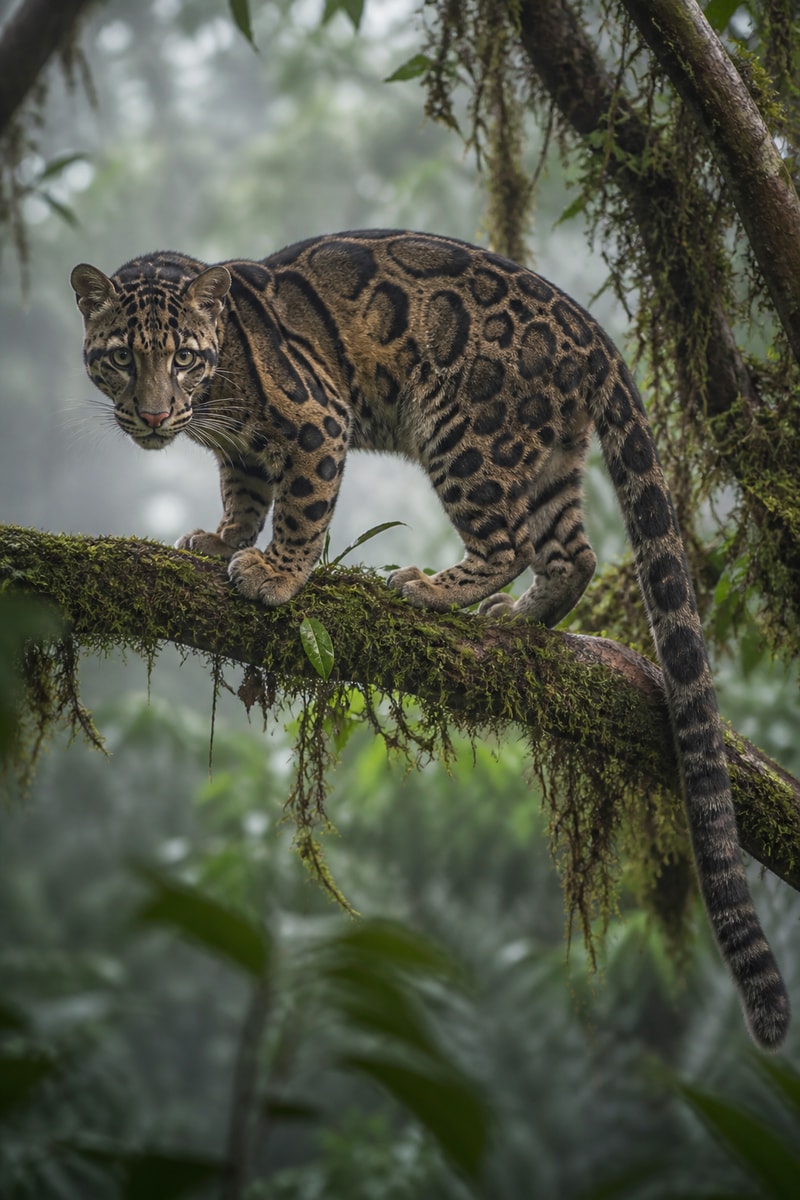
- Clouded Leopardlegendary • Forest Canopy
Free on iOS
Catch the Peacock Mantis Shrimp
Spot one in the wild, then scan it in Catch'Um to log your rare discovery.