
Field guide · common
Macaw
Scarlet flash of the Amazon, a giant parrot whose raucous pairs fly over rainforest like living flags.
Vulnerable
Ara macao
Overview
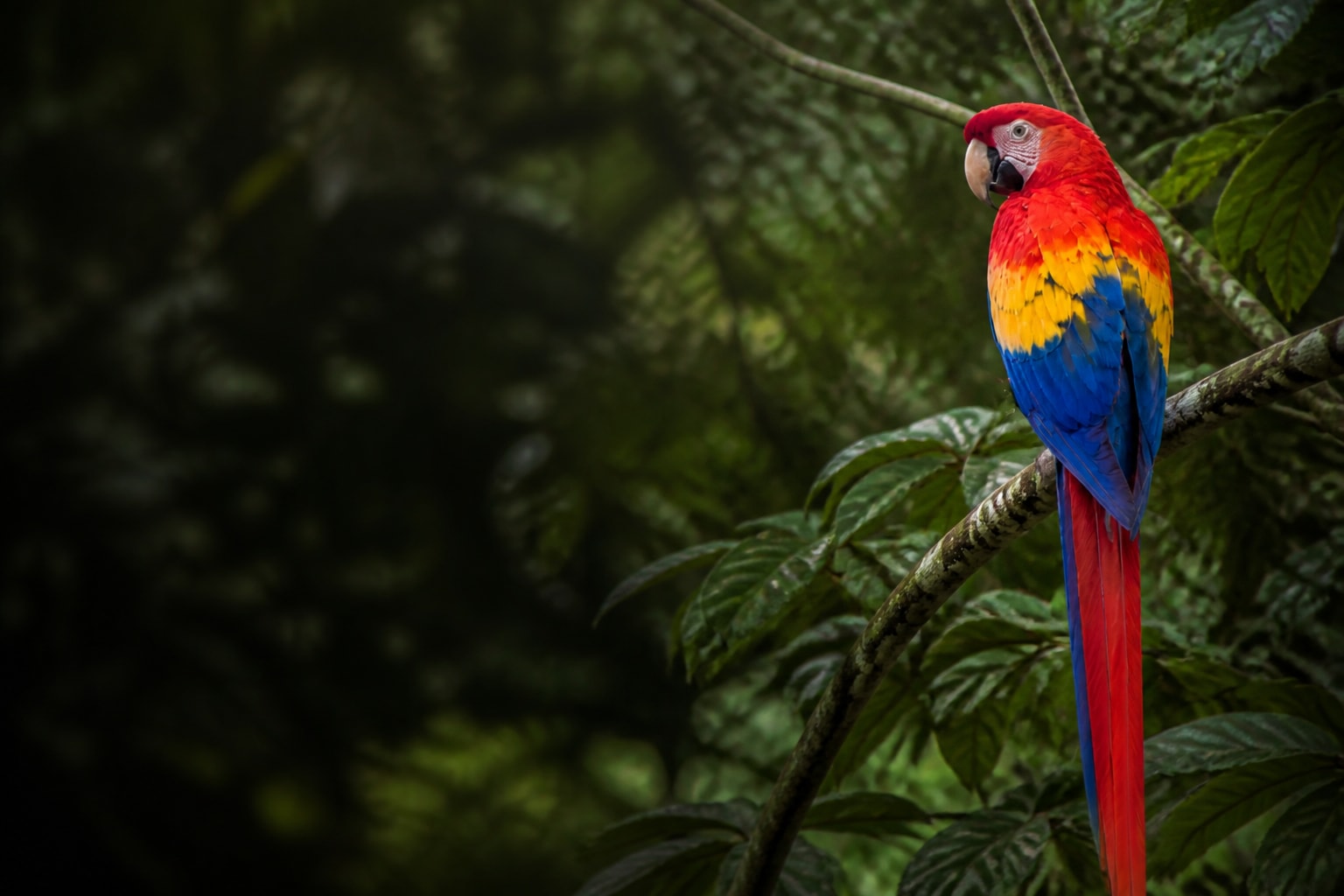
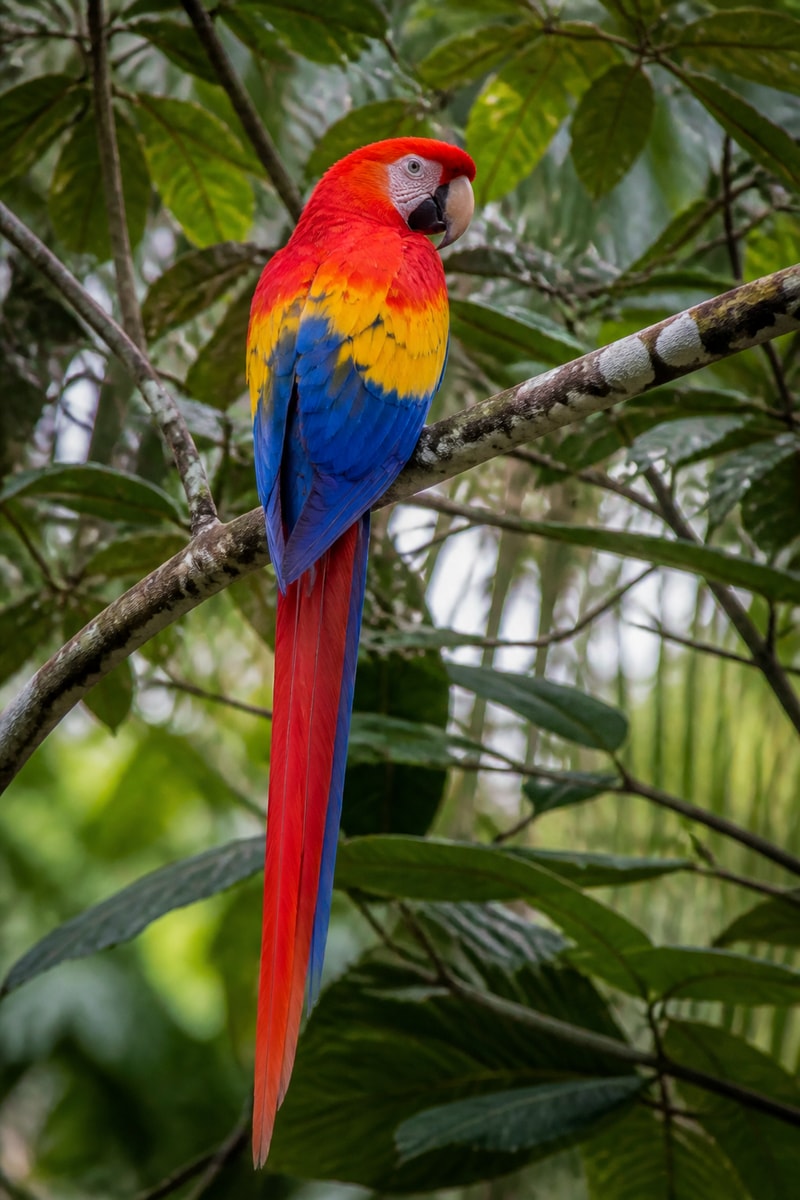
The scarlet macaw is one of the world's most spectacular parrots: bold red, yellow, and blue plumage, a wingspan approaching a metre, and a voice that carries for kilometres through rainforest. Pairs mate for life, flying together to clay licks where they consume mineral-rich soil.
Macaws are intelligent and long-lived, over 50 years in the wild, using powerful beaks to crack nuts and hard seeds. Their colours make them targets for the pet trade, but wild flocks still paint the sky above intact Amazon forest.
- Scientific nameAra macao
- Length84–89 cm
- Weight900–1,100 g
- LifespanAround 40–50 years in the wild
- DietScarlet macaws crack…
- ConservationVulnerable
- RegionRainforest Canopy
Habitat
- Tropical rainforest
- Riverine forest
- Humid woodland
Lowland tropical rainforest from Mexico to the Amazon basin holds scarlet macaws. They need large trees for nesting and intact forest for food, Brazil, Peru, and Costa Rica offer the best wild viewing.
Countries found
Field notes
Field scale for the Macaw: length around 84-89 cm; weight 900-1,100 g. Typical lifespan: Around 40-50 years in the wild.
When you are scanning habitat, prioritise tropical rainforest, riverine forest, and humid woodland. Those settings are where a clean look and a usable photo are most likely.
Quick ID anchor: Vivid scarlet body with yellow wing coverts and blue flight feathers; bare white facial skin with fine feather lines. Confirm with behaviour and habitat before you log the discovery.
Where to see one
Brazil
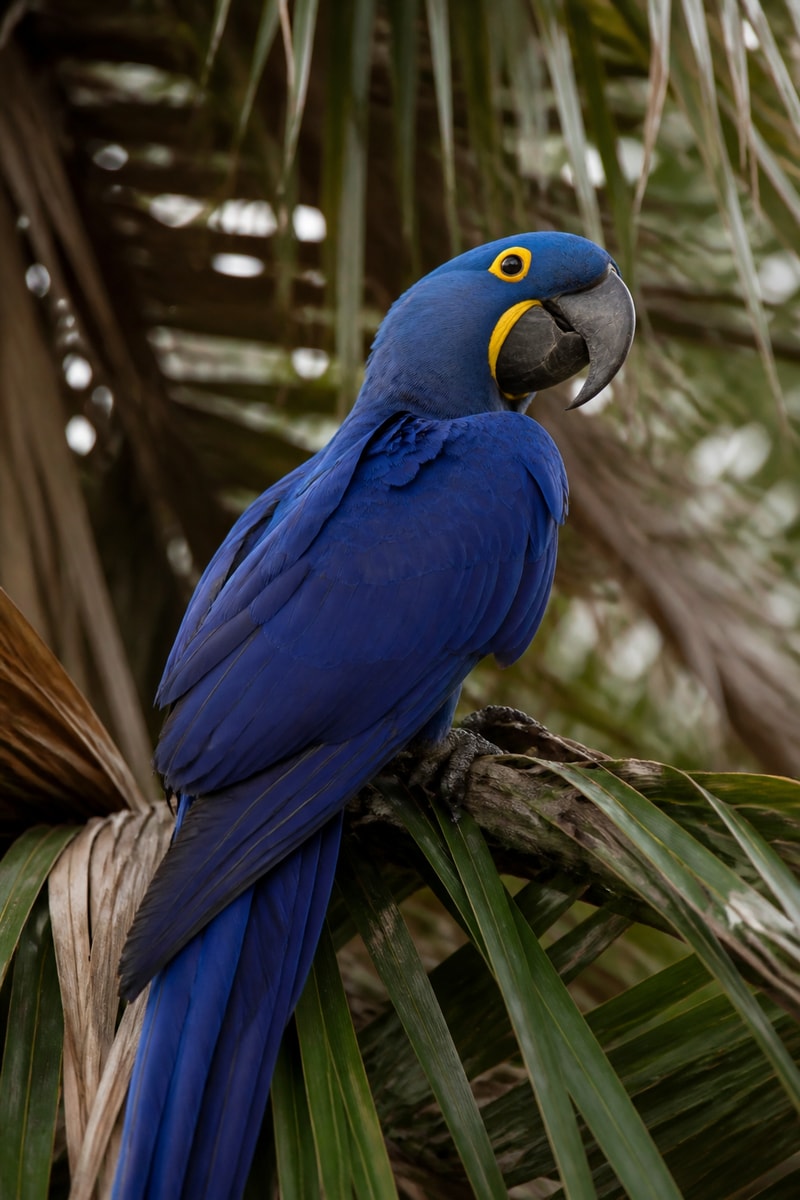
In Brazil, strong options include Pantanal, Amazon Rainforest, and Iguaçu National Park. The world's largest tropical wetland, with capybaras, jaguars, hyacinth macaws, and giant otters in open savanna.
Open the Brazil spotting guide for every park note tied to the macaw.
Diet
Scarlet macaws crack hard nuts, seeds, and unripe fruit with powerful beaks; clay from riverbanks supplies minerals.
They also take flowers, leaves, and occasionally insects.
Behaviour
Usually seen in lifelong pairs or small flocks, flying high with loud squawks that carry for kilometres.
Gather at clay licks in the morning; roost and nest in tall rainforest trees.
How to identify
Vivid scarlet body with yellow wing coverts and blue flight feathers; bare white facial skin with fine feather lines.
Large size and long pointed tail separate them from smaller Amazon parrots.
Interesting facts
- 01
Macaws mate for life and can live over 50 years.
- 02
They visit clay licks to consume minerals that neutralise toxins in their diet.
- 03
Scarlet macaws can fly at over 50 km/h through the canopy.
Conservation status
Scarlet macaws are Vulnerable, declining from habitat loss and illegal trapping for the pet trade. Protected areas in the Amazon and captive breeding programmes support recovery.
Sources: IUCN Red List
Keep exploring
Where it lives
Related discoveries
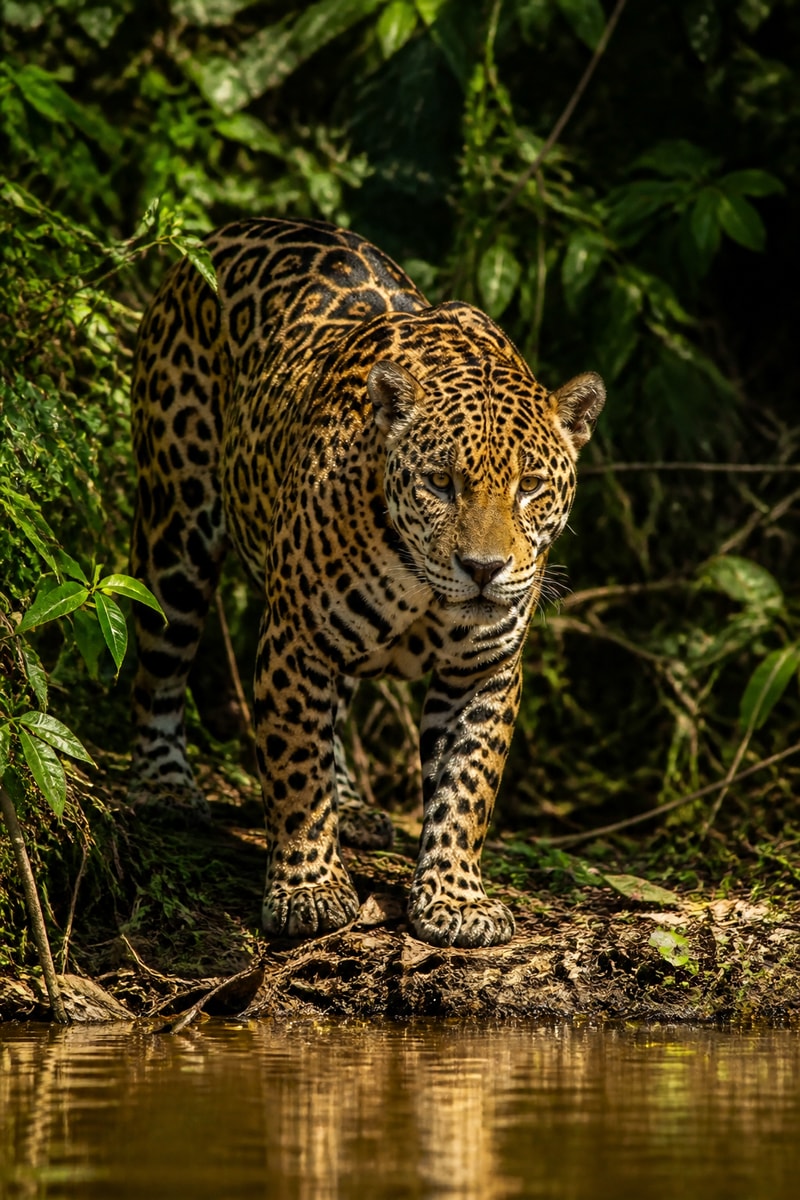
- Jaguarlegendary • Rainforest & Wetland
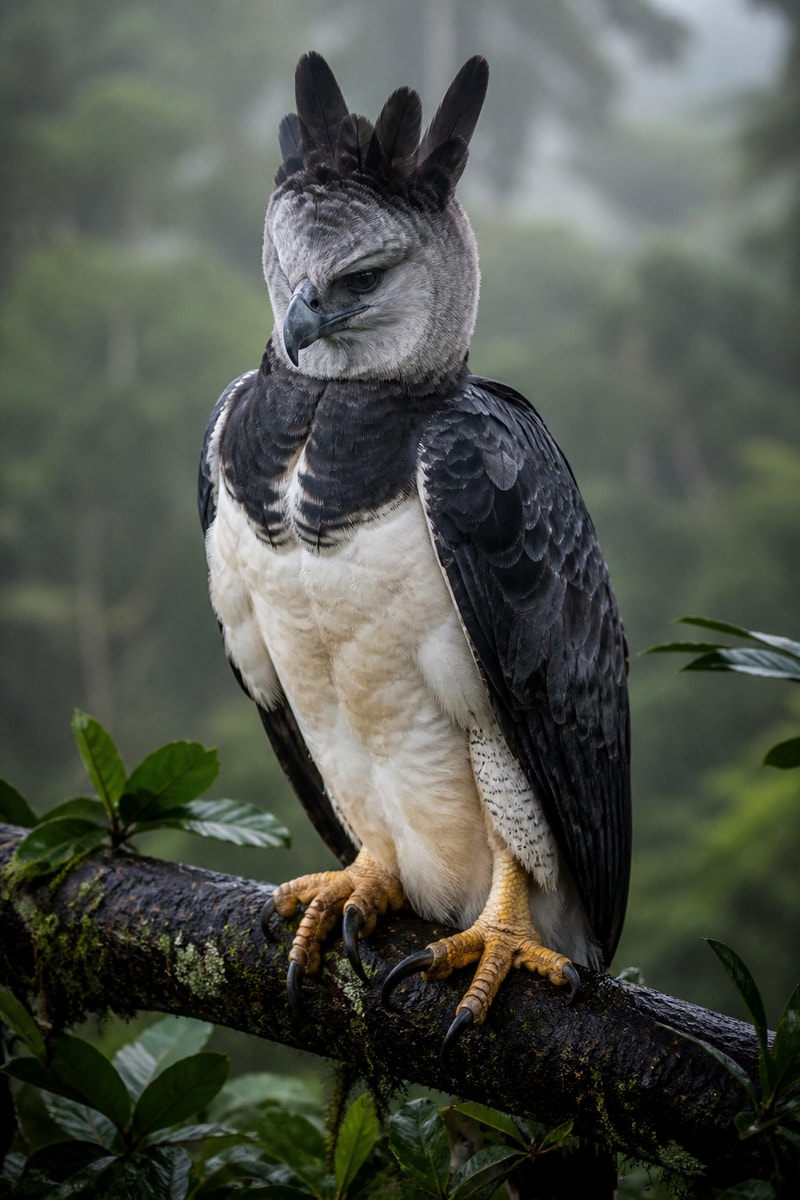
- Harpy Eaglelegendary • Rainforest Canopy
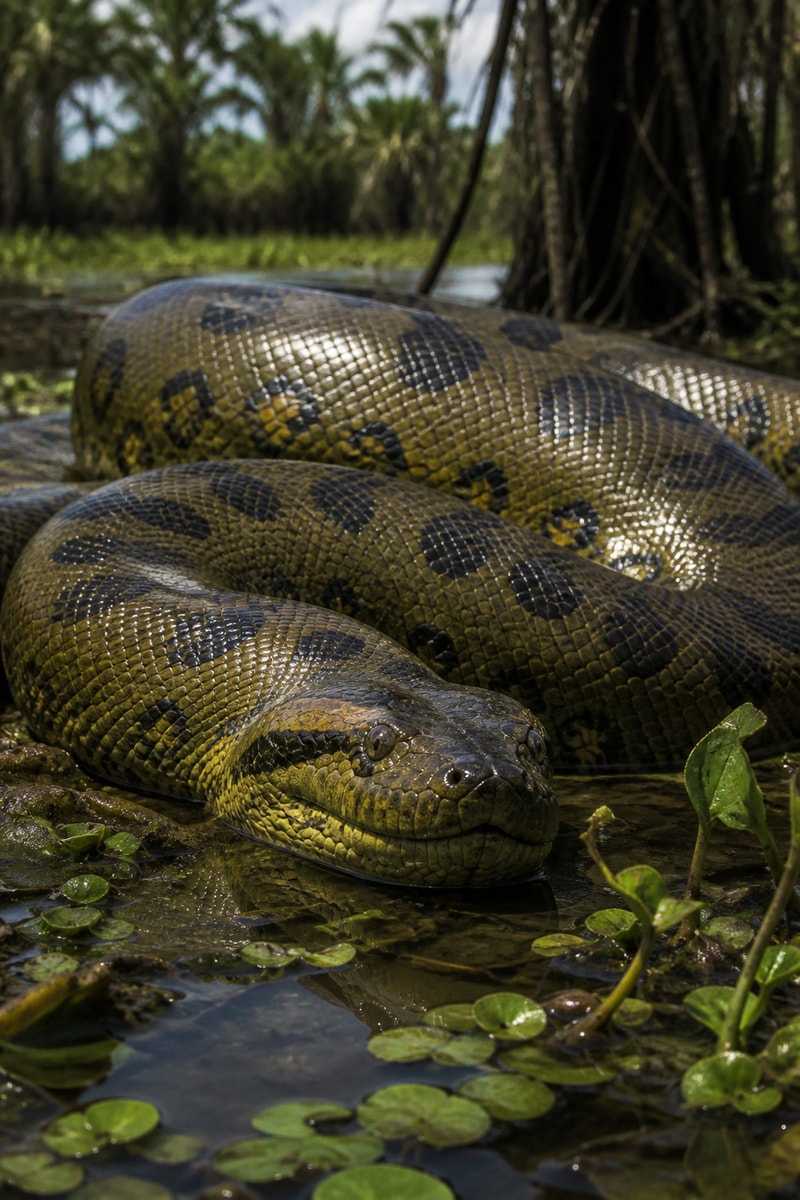
- Green Anacondalegendary • Wetlands & Rivers
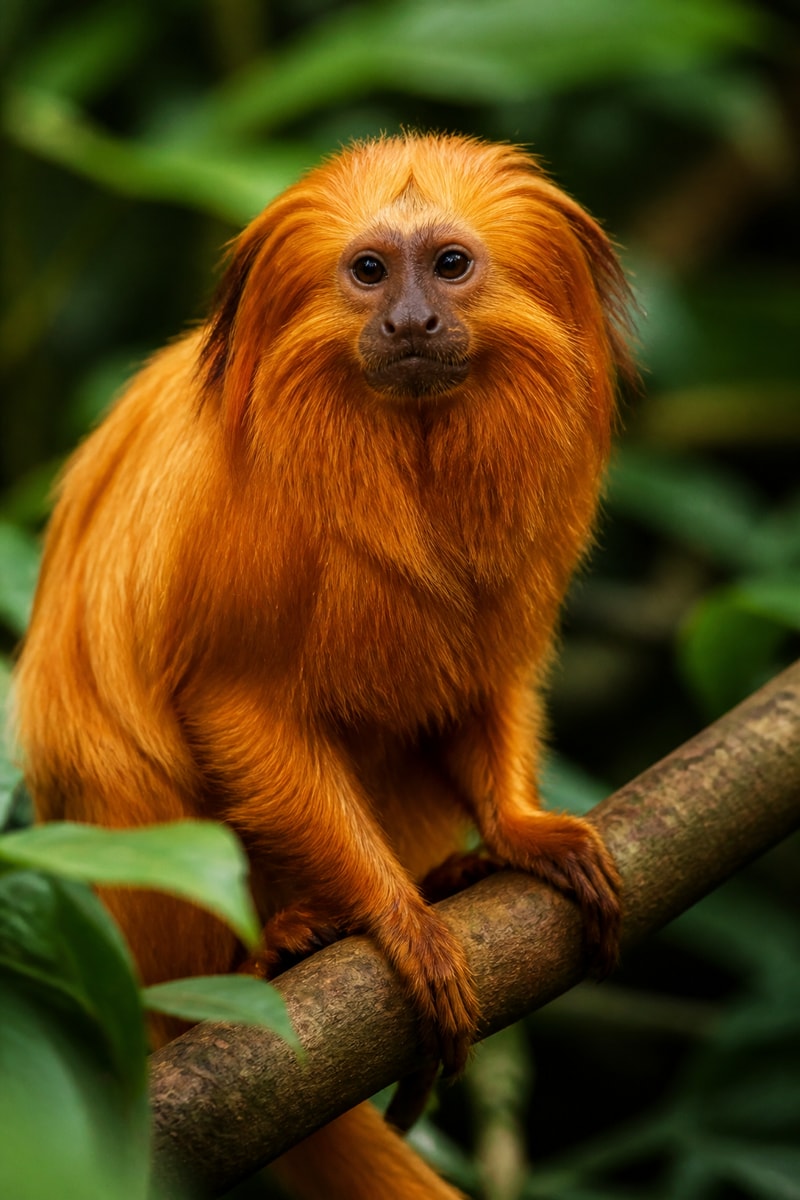
- Golden Lion Tamarinlegendary • Atlantic Forest Canopy
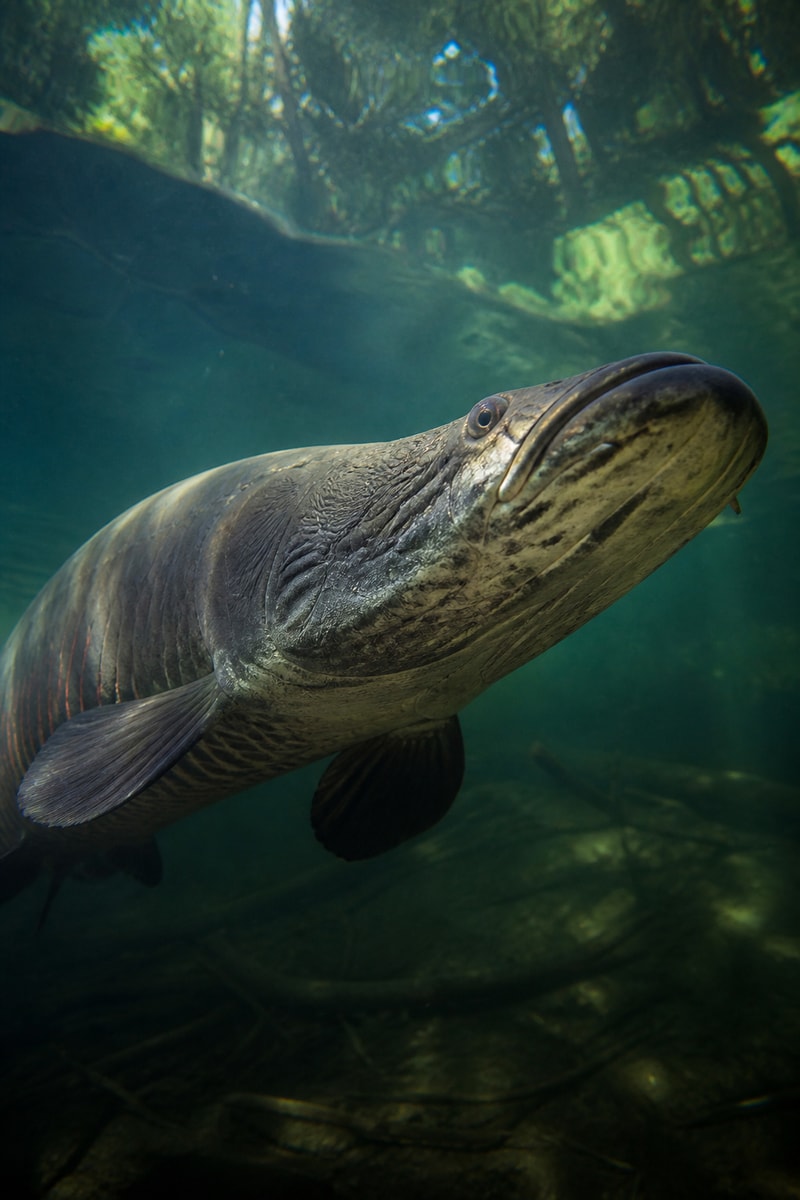
- Arapaimalegendary • Amazon Floodplain
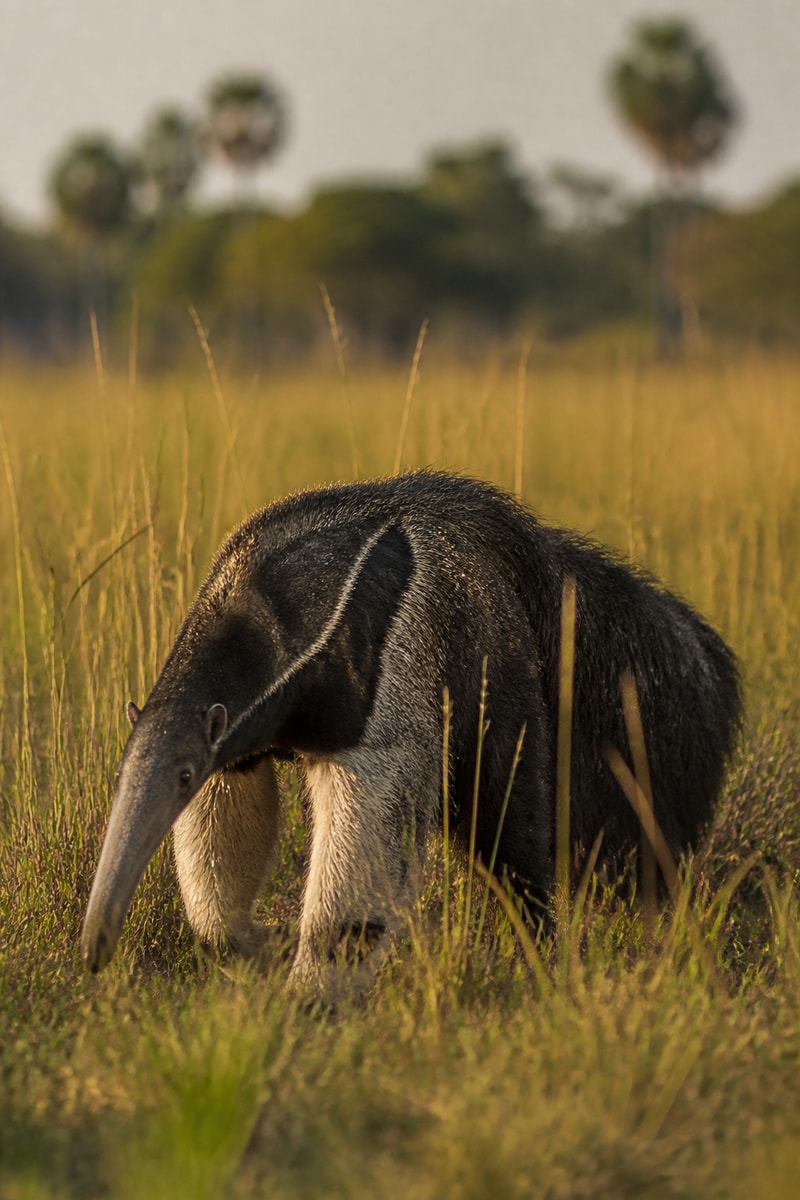
- Giant Anteaterrare • Grassland & Forest
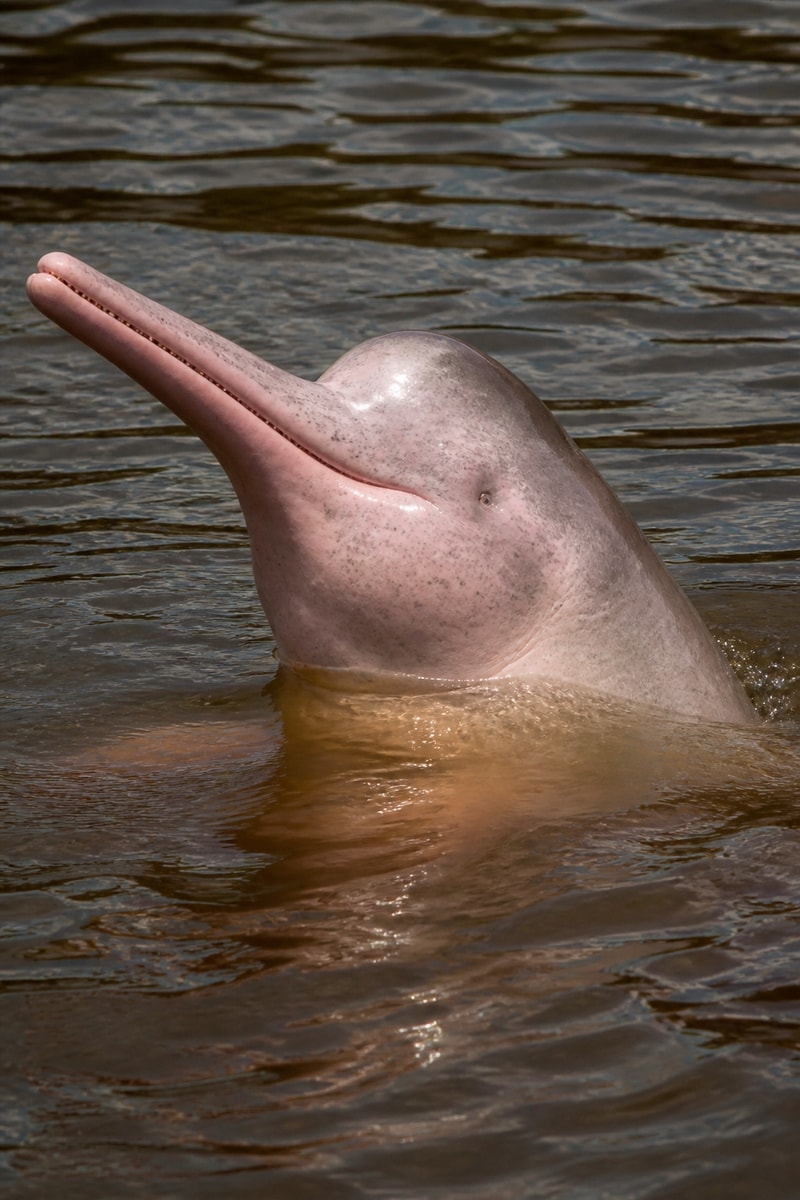
- Amazon River Dolphinrare • Amazon Rivers
- Hyacinth Macawrare • Wetland & Palm Savanna
Free on iOS
Catch the Macaw
Spot one in the wild, then scan it in Catch'Um to log your common discovery.