
Field guide · common
Leafcutter Ant
Tiny farmers of the rainforest — ant columns carrying leaf fragments to underground fungus gardens.
Least Concern
Atta cephalotes
Overview
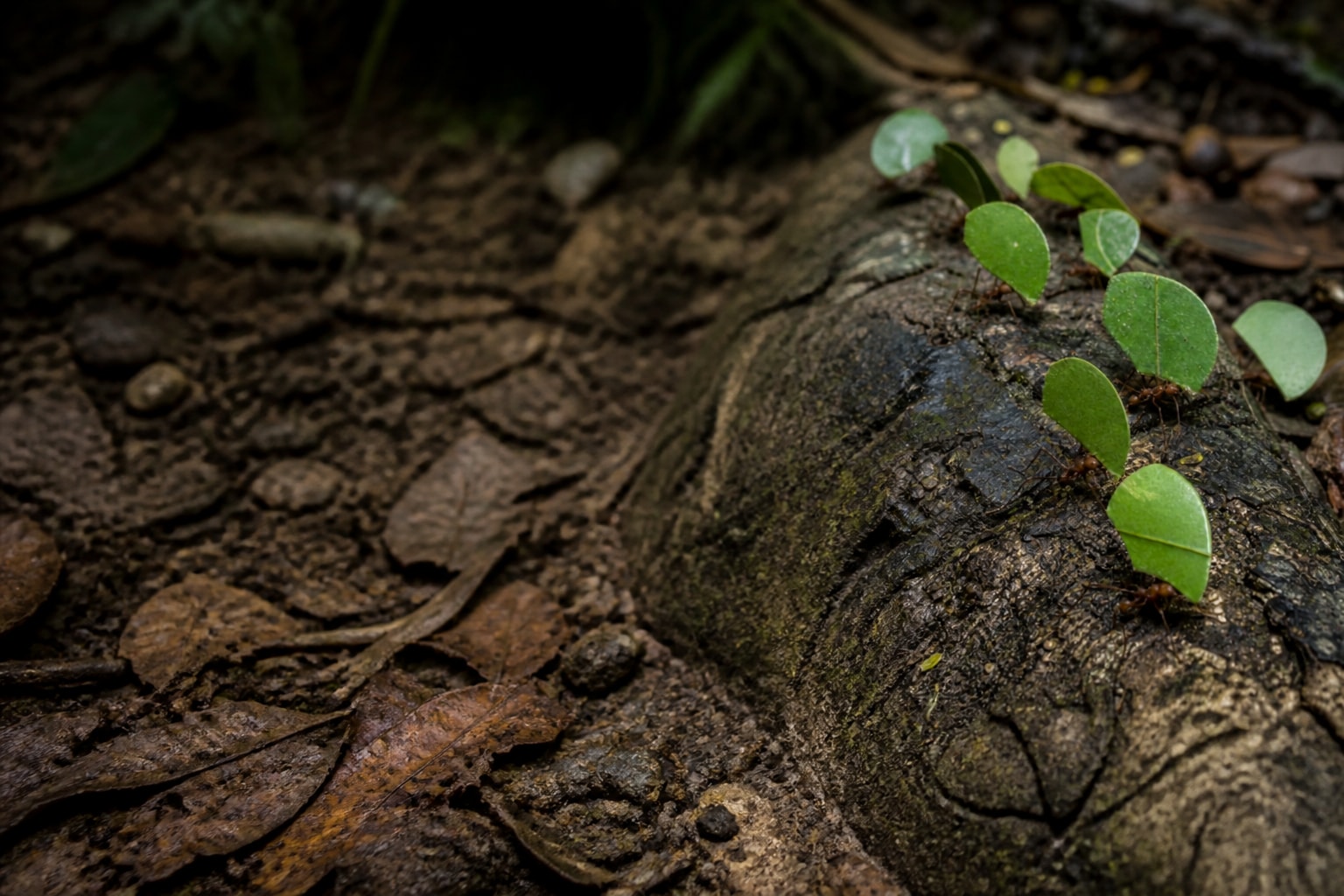
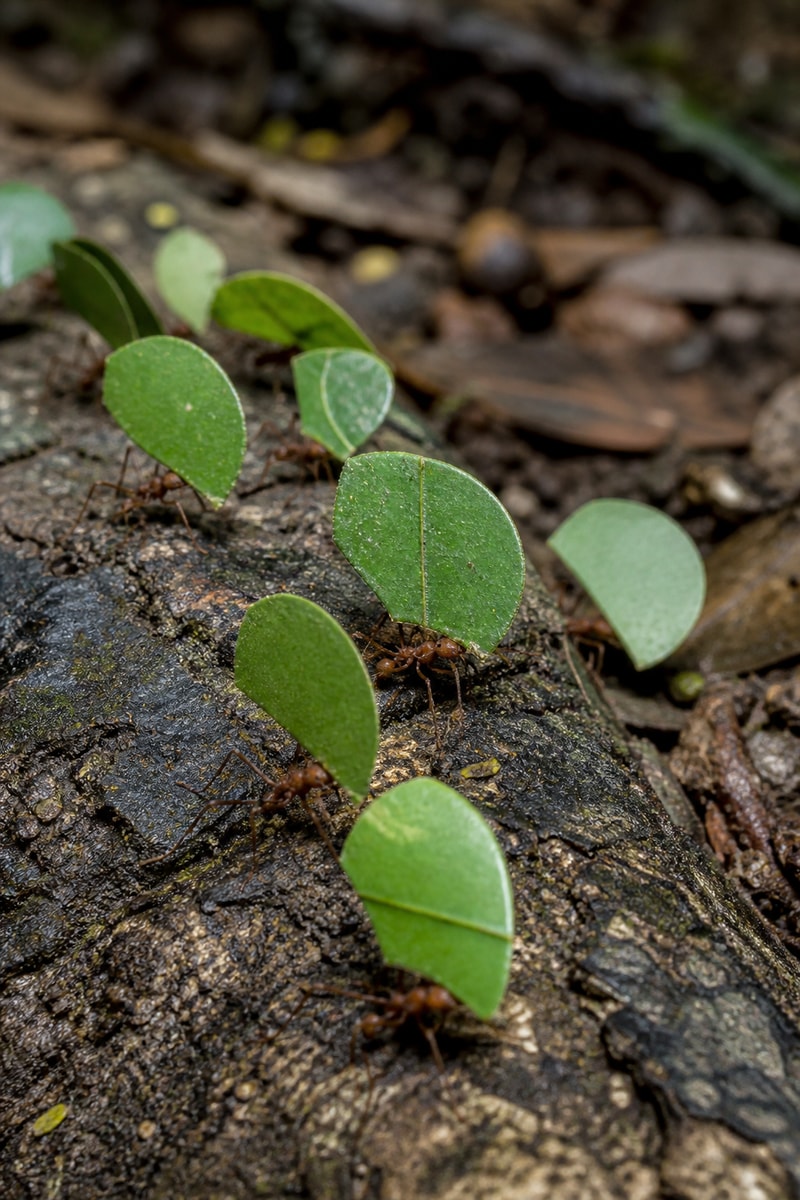
Leafcutter ants are the rainforest's miniature agriculturalists. Worker columns carry leaf discs like parasols back to vast underground nests, where they cultivate fungus gardens that feed the colony.
A visually famous insect card for Costa Rica that finally expands Catch'Um beyond bees and butterflies.
- Scientific nameAtta cephalotes
- LengthWorkers 2–14 mm depending on caste
- WeightMilligrams per worker; colony biomass large
- LifespanWorkers months; queens may live a decade or more
- DietDo not eat leaves directly
- ConservationLeast Concern
- RegionRainforest Floor
Where to see them
Habitat
- Tropical rainforest
- Forest edge
- Soil nests
Tropical rainforest and forest edge from southern Mexico through Central America to South America, with large soil nests and foraging trails.
Field notes
Field scale for the Leafcutter Ant: length around Workers 2-14 mm depending on caste; weight Milligrams per worker; colony biomass large. Typical lifespan: Workers months; queens may live a decade or more.
When you are scanning habitat, prioritise tropical rainforest, forest edge, and soil nests. Those settings are where a clean look and a usable photo are most likely.
Quick ID anchor: Rust-red to brown ants carrying leaf discs overhead in busy columns. Confirm with behaviour and habitat before you log the discovery.
Where to see one
Costa Rica
In Costa Rica, start at Manuel Antonio National Park (Puntarenas). Where beach meets rainforest, with sloths, capuchin monkeys, and iguanas on trails above Pacific coves.
More context on this destination lives on the Costa Rica expedition page.
Diet
Do not eat leaves directly — chew them into mulch that grows a specialised fungus, which the ants eat.
Foragers harvest many plant species along established trails.
Behaviour
Highly organised caste colonies with a queen and millions of workers.
Day and night foraging columns; soldiers defend trails and nest.
How to identify
Rust-red to brown ants carrying leaf discs overhead in busy columns.
Size varies hugely by caste; soldiers have oversized heads and mandibles.
Interesting facts
- 01
They cultivate fungus gardens — true agriculture among insects.
- 02
Workers cut and carry leaf fragments in long foraging columns.
- 03
Colonies can contain millions of ants.
- 04
Different castes: tiny garden workers to huge soldiers.
- 05
Leaf pieces are compost for fungus, not eaten directly.
- 06
Nests aerate soil and shape rainforest ecosystems.
Conservation status
Leafcutter ants are Least Concern and remain abundant in many tropical forests. They can conflict with crops, but wild colonies are a healthy sign of rainforest soil life.
Sources: IUCN Red List

Keep exploring
Related discoveries
- Harpy Eaglelegendary • Rainforest Canopy
- Resplendent Quetzallegendary • Cloud Forest
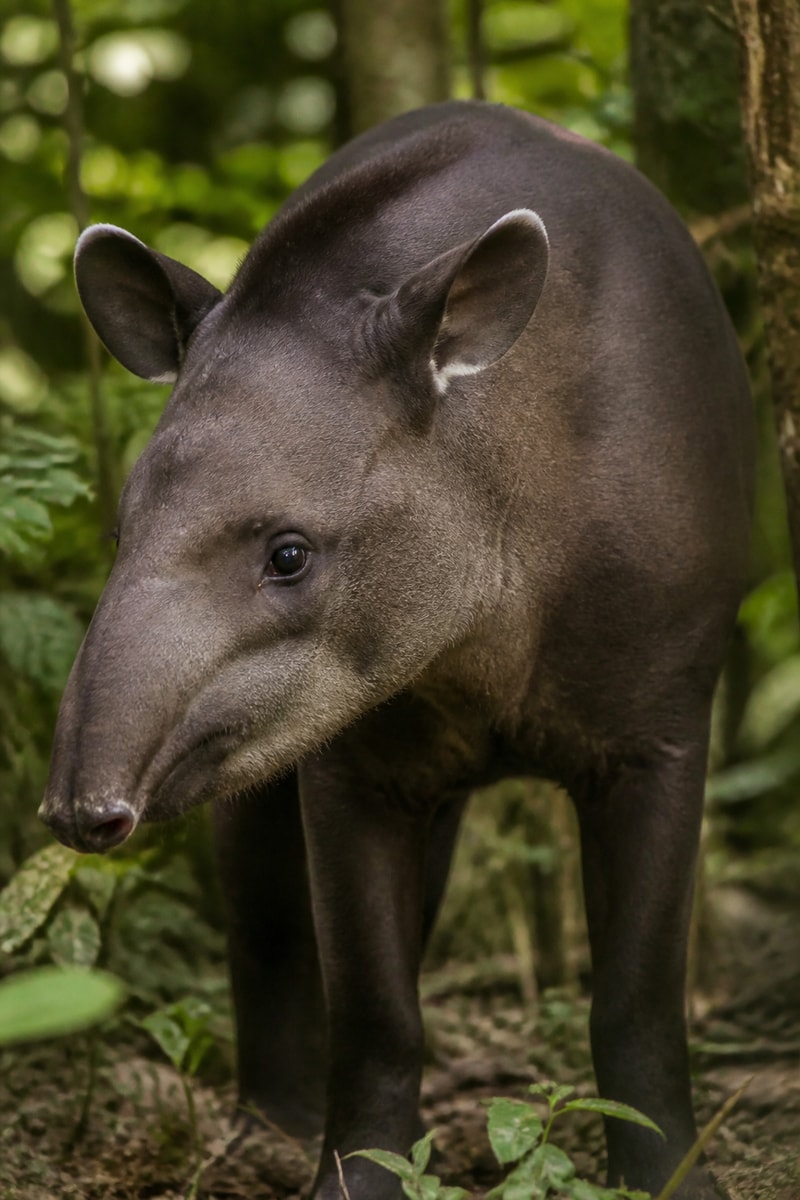
- Baird's Tapirlegendary • Central American Forest
- Ocelotrare • Neotropical Forest
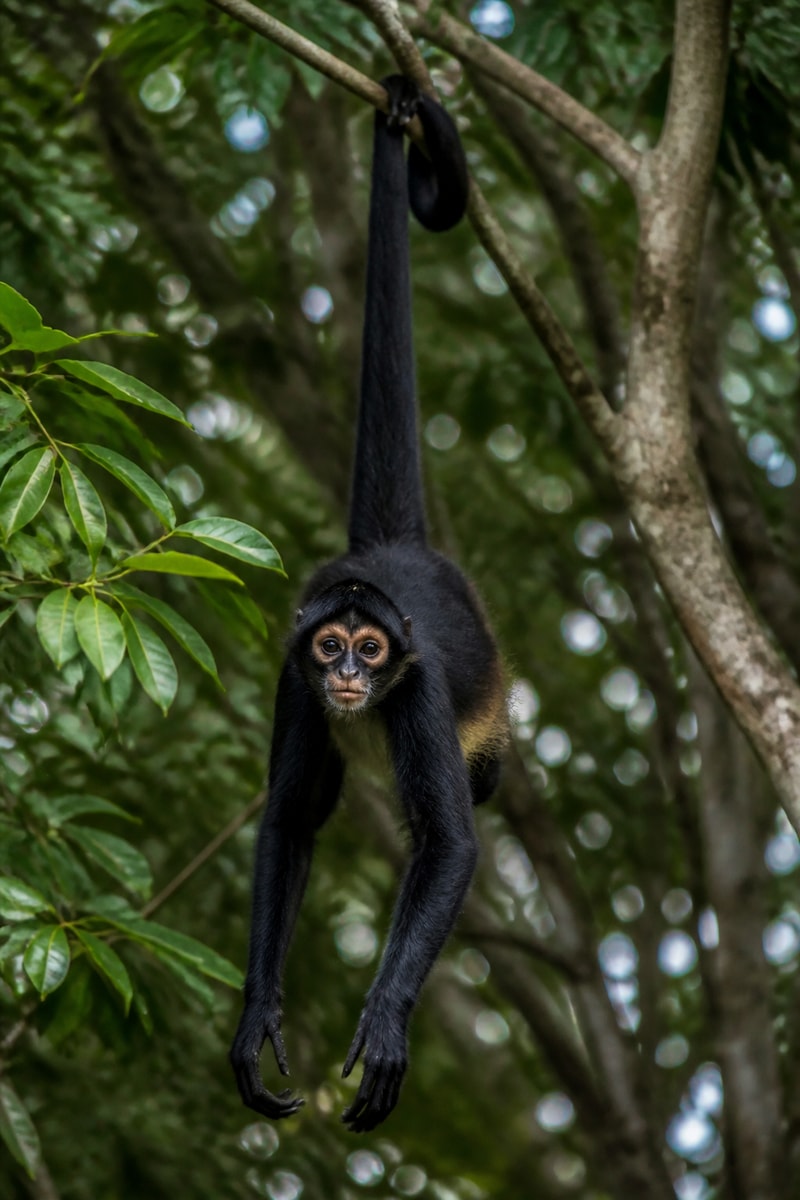
- Geoffroy's Spider Monkeyrare • Central American Canopy
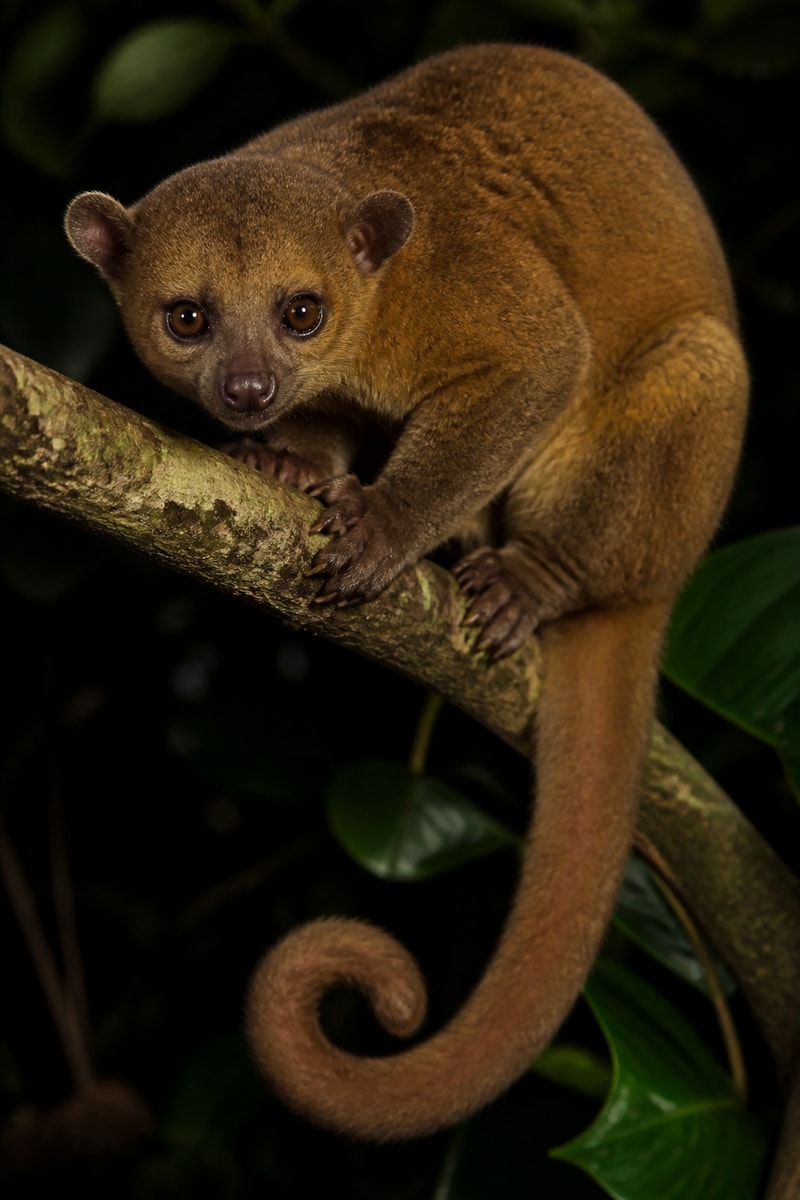
- Kinkajourare • Neotropical Canopy
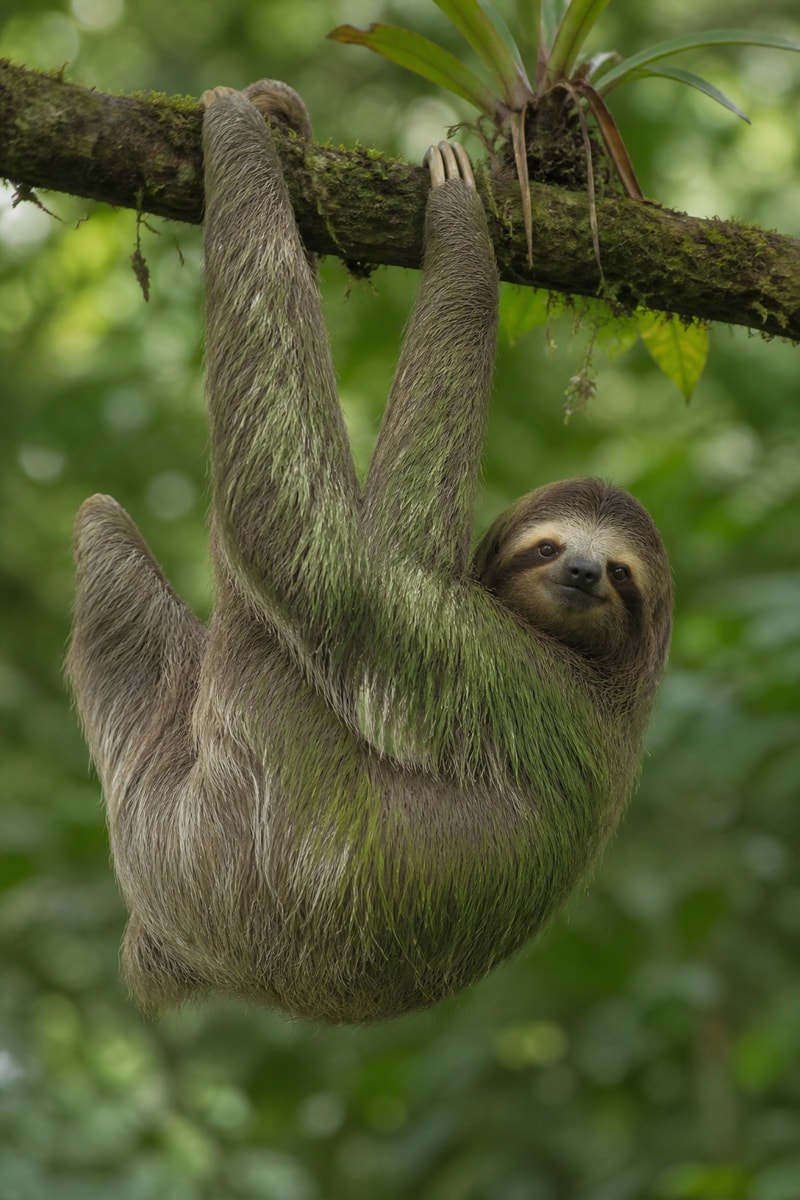
- Slothcommon • Rainforest Canopy
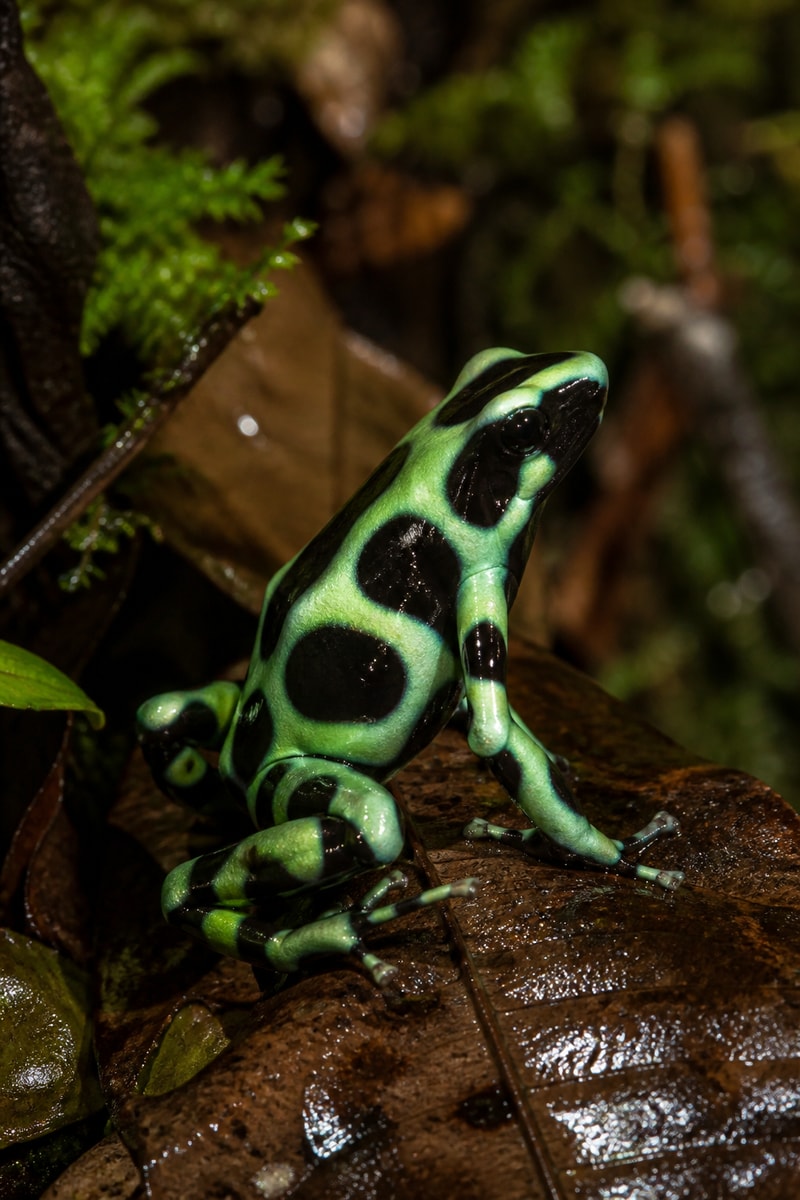
- Poison Dart Frogcommon • Rainforest Floor
Free on iOS
Catch the Leafcutter Ant
Spot one in the wild, then scan it in Catch'Um to log your common discovery.