
Field guide · rare
Electric Eel
Amazon volt hunter — air-breathing fish that stun prey with living batteries.
Least Concern
Electrophorus electricus
Overview
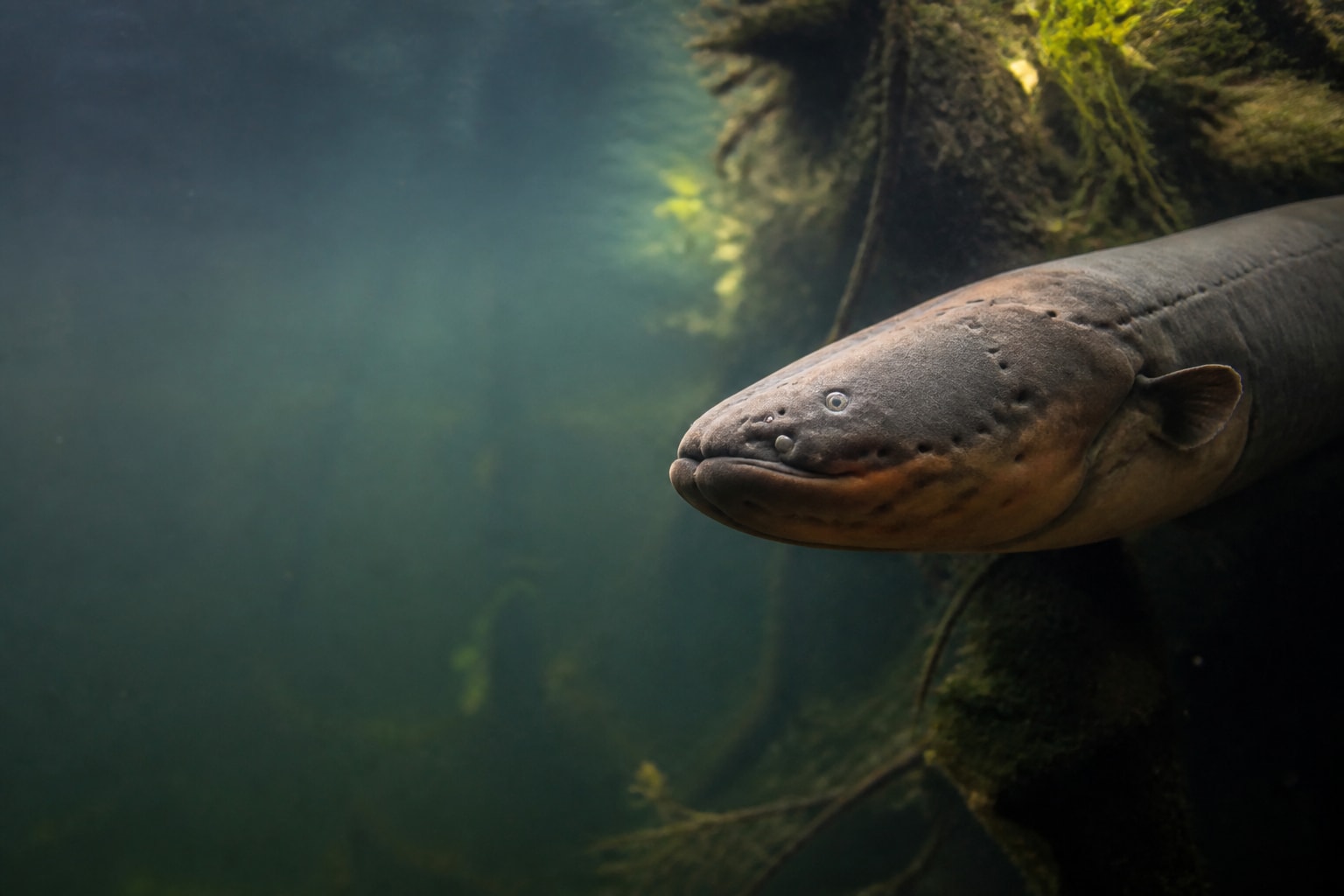
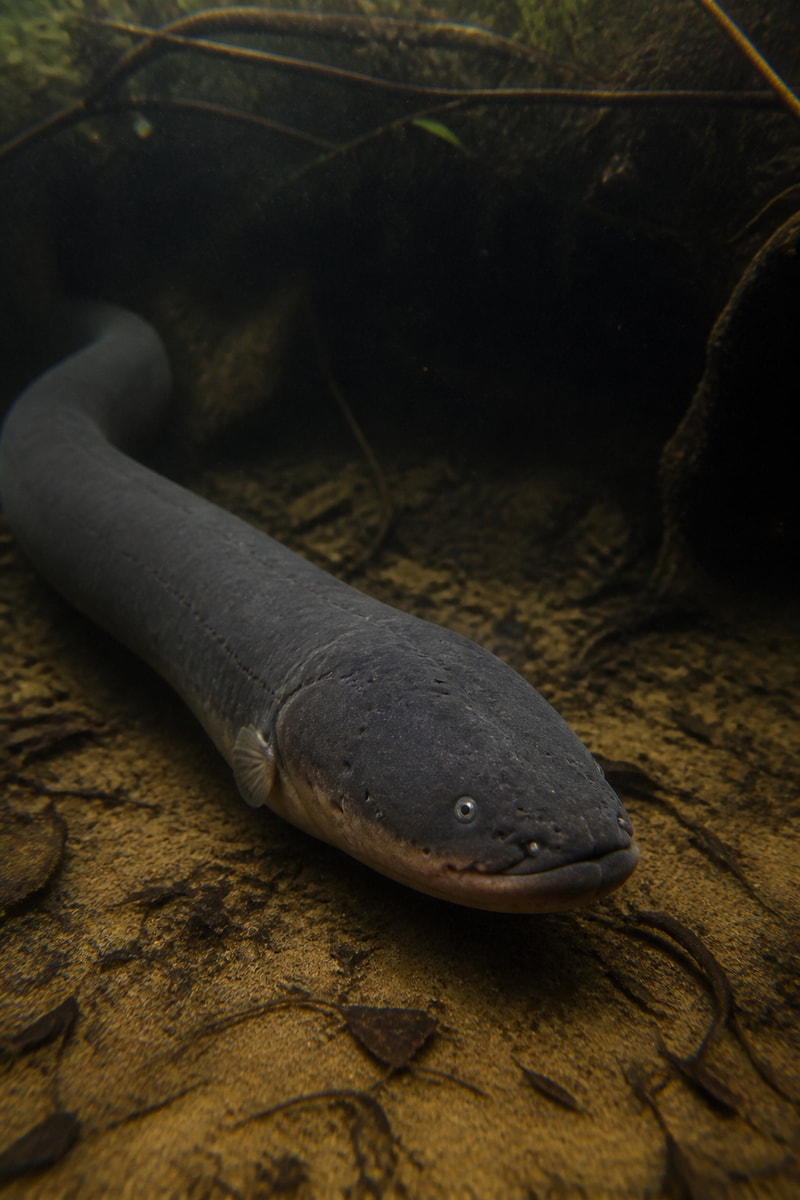
Electric eels are elongated freshwater fish of northern South America, not true eels. Specialised electric organs generate high-voltage discharges to stun prey and deter threats, while they gulp air at the surface.
For Brazil collectors, an electric eel in murky floodplain water is a rare Amazon card — voltage, air breath, and river myth made real.
- Scientific nameElectrophorus electricus
- Length1–2.5 m
- WeightAround 10–20 kg for large adults
- LifespanAround 10–15 years in the wild
- DietStun and swallow fish
- ConservationLeast Concern
- RegionAmazon Floodplains
Where to see them
Habitat
- Floodplain lakes
- Swamps
- Slow rivers
Murky floodplain lakes, swamps, and slow rivers of the Amazon and Orinoco basins, where low visibility favours electric hunting and surface air-breathing.
Field notes
Field scale for the Electric Eel: length around 1-2.5 m; weight Around 10-20 kg for large adults. Typical lifespan: Around 10-15 years in the wild.
When you are scanning habitat, prioritise floodplain lakes, swamps, and slow rivers. Those settings are where a clean look and a usable photo are most likely.
Quick ID anchor: Long, cylindrical grey-brown body with a flattened head and no dorsal fin. Confirm with behaviour and habitat before you log the discovery.
Where to see one
Brazil
In Brazil, start at Amazon Rainforest (Amazonas). Riverboat journeys through flooded forest, with pink dolphins, sloths, and more species than anywhere else on Earth.
More context on this destination lives on the Brazil expedition page.
Diet
Stun and swallow fish, amphibians, and invertebrates using high-voltage discharges.
Hunt in murky water guided by weak electrolocation pulses.
Behaviour
Mostly nocturnal; rise to gulp air frequently.
May leap or press against threats while discharging when cornered.
How to identify
Long, cylindrical grey-brown body with a flattened head and no dorsal fin.
Anal fin runs most of the underside; eyes small; mouth large.
Interesting facts
- 01
Not a true eel — related to knifefishes.
- 02
Electric organs can discharge hundreds of volts.
- 03
Breathe air at the surface using a vascularised mouth.
- 04
Use weak electric fields to navigate and find prey.
- 05
High-voltage pulses stun fish and other prey.
- 06
Can grow well over 2 m in length.
Conservation status
Electric eels are Least Concern across Amazonian wetlands. Local habitat alteration occurs, but the species remains widespread in suitable floodplain waters of Brazil and neighbouring countries.
Sources: IUCN Red List



Keep exploring
Where it lives
Related discoveries
- Jaguarlegendary • Rainforest & Wetland
- Harpy Eaglelegendary • Rainforest Canopy
- Green Anacondalegendary • Wetlands & Rivers
- Golden Lion Tamarinlegendary • Atlantic Forest Canopy
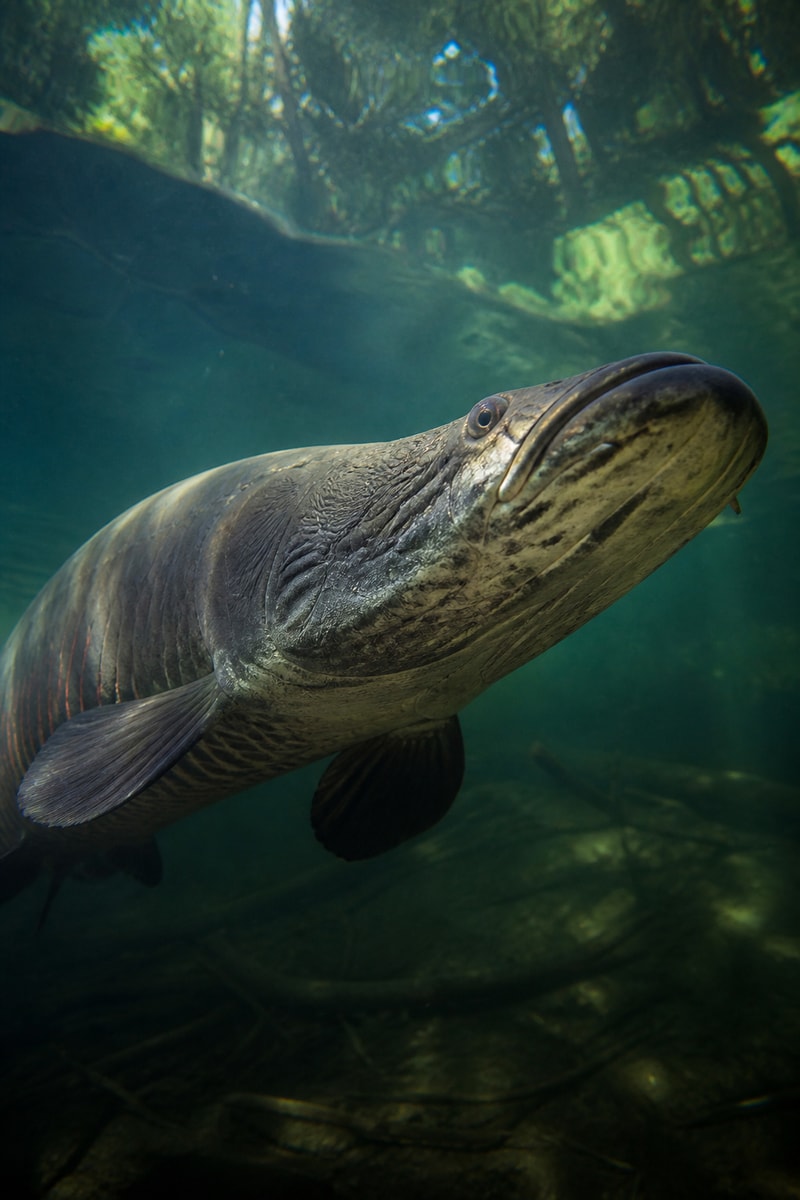
- Arapaimalegendary • Amazon Floodplain
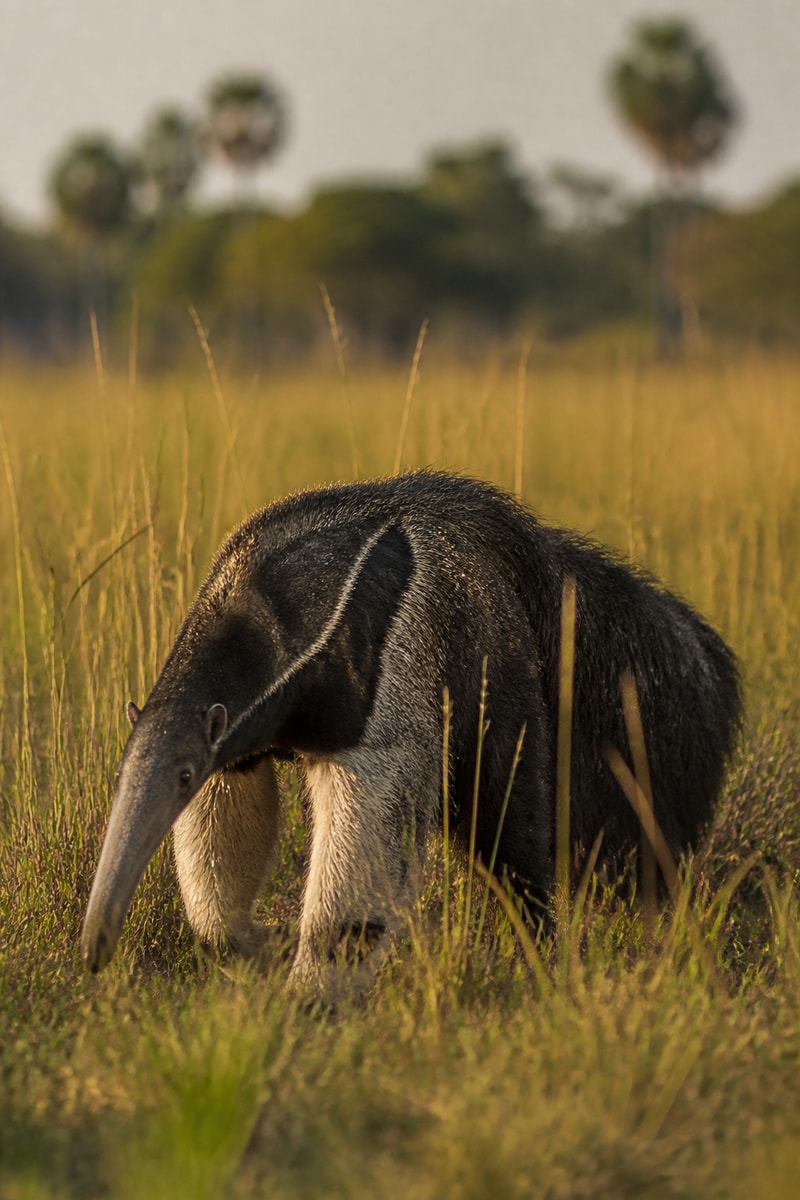
- Giant Anteaterrare • Grassland & Forest
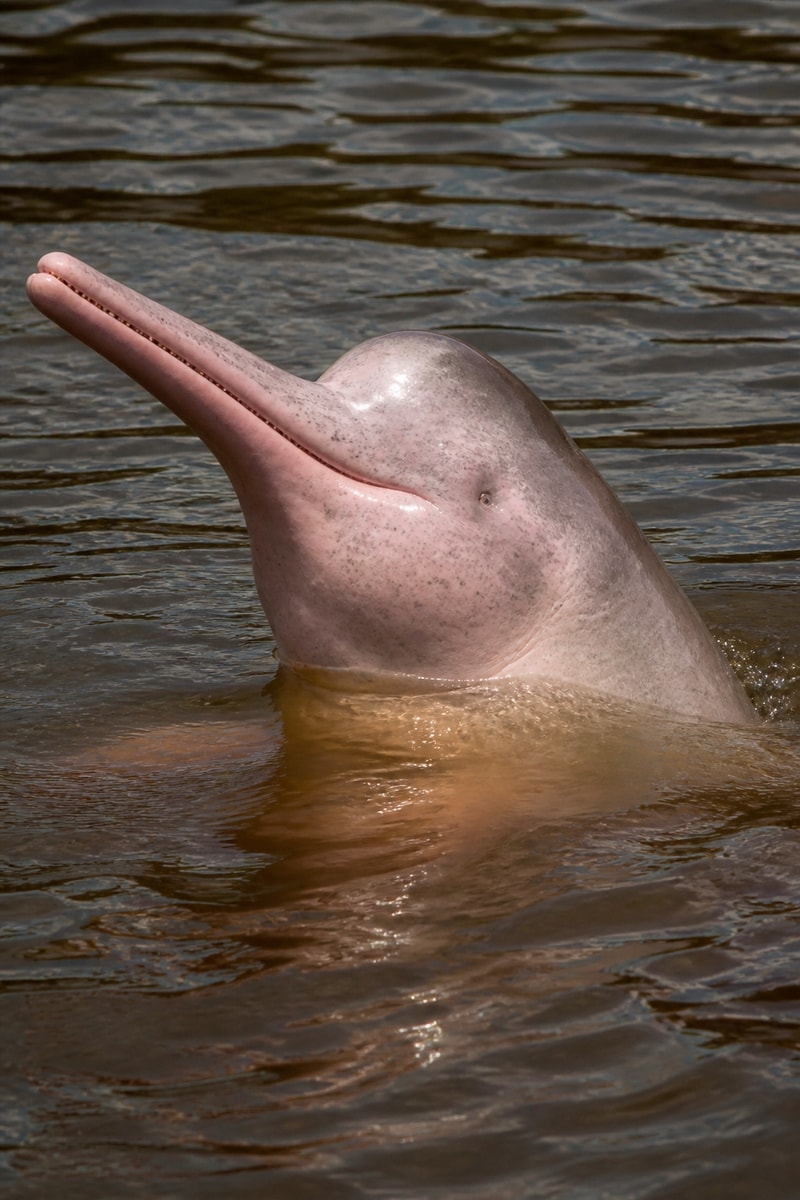
- Amazon River Dolphinrare • Amazon Rivers
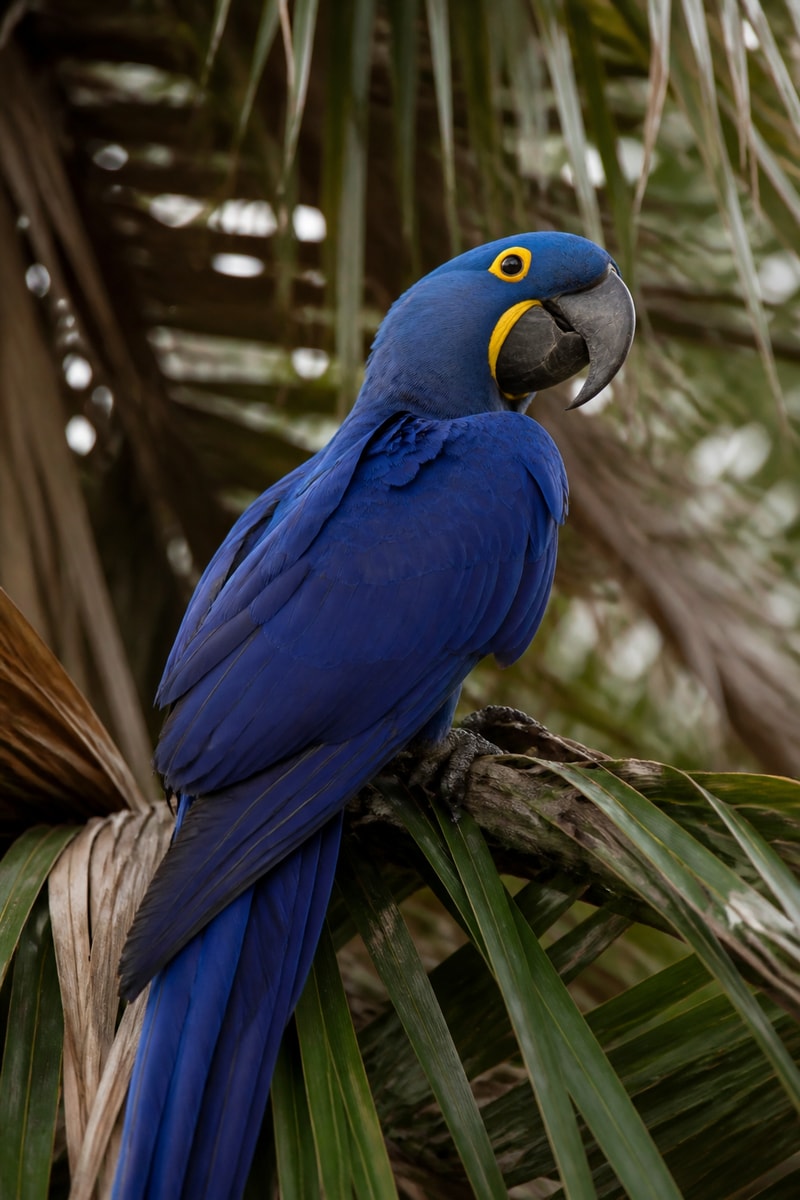
- Hyacinth Macawrare • Wetland & Palm Savanna
Free on iOS
Catch the Electric Eel
Spot one in the wild, then scan it in Catch'Um to log your rare discovery.