
Field guide · rare
Dugong
The sea cow of warm coasts — gentle grazer of seagrass from Australia to the Indo-Pacific.
Vulnerable
Dugong dugon
Overview
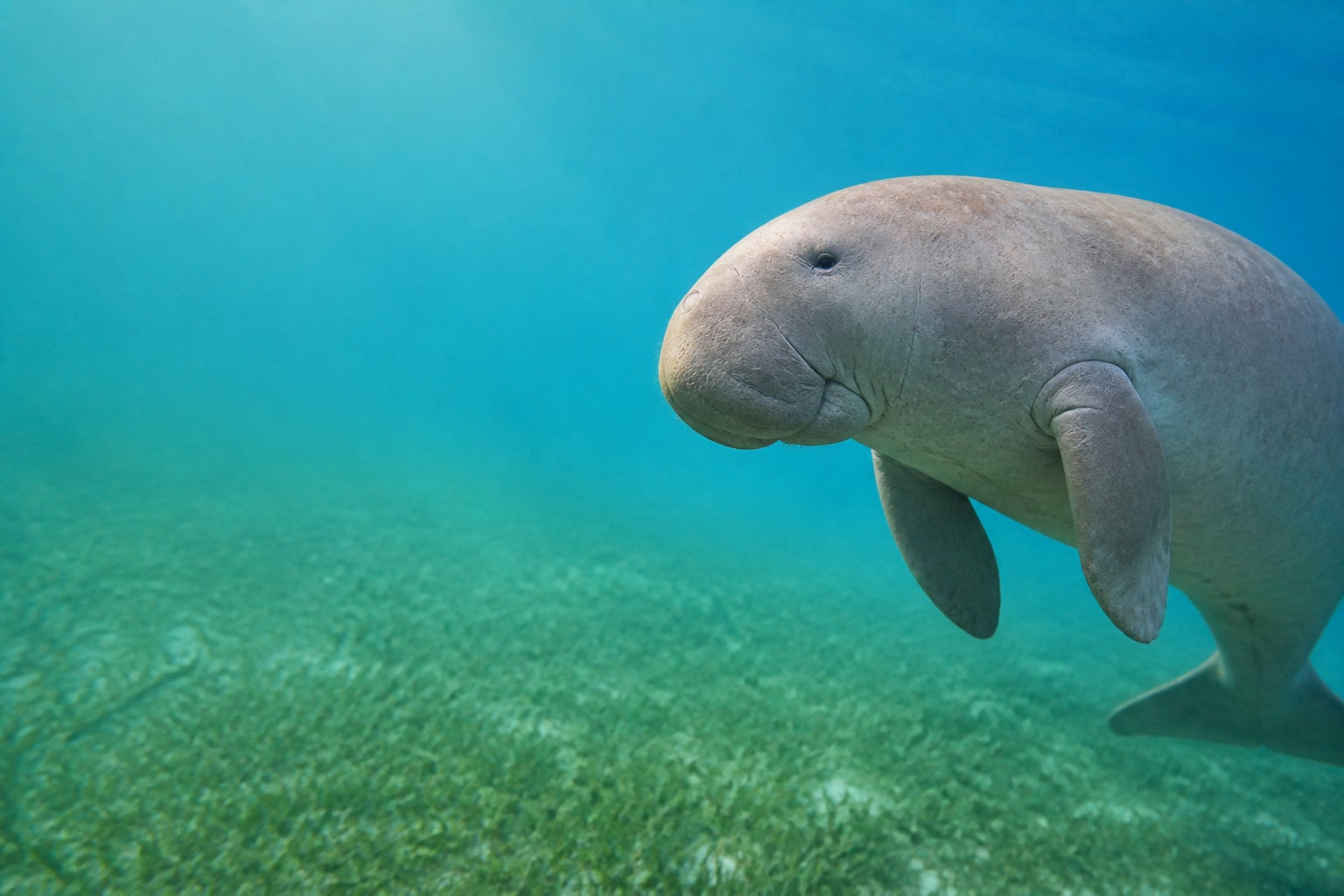
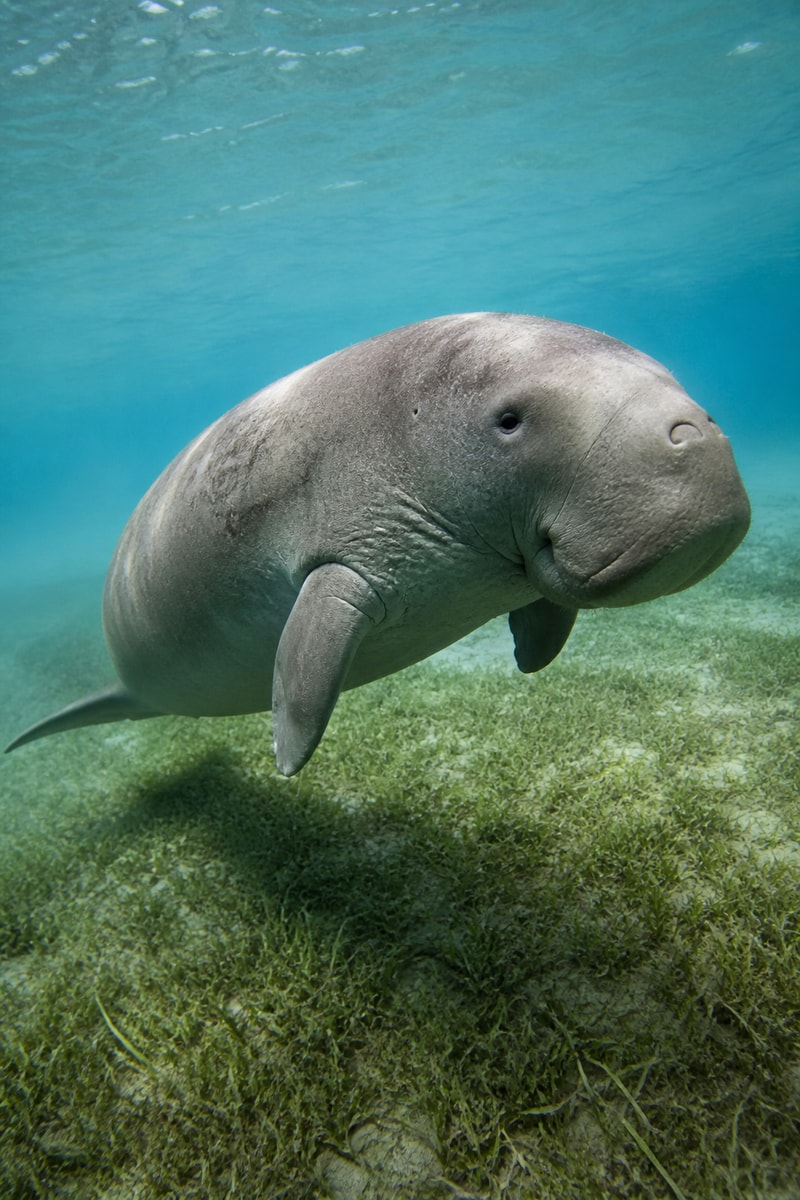
Dugongs are marine mammals related to manatees, specialised for grazing seagrass in shallow tropical and subtropical seas. Their downturned snout and slow surface rolls mark quiet coastal meadows.
For Australia and Indonesia collectors, a dugong trail through seagrass is a rare coastal card — gentle, vulnerable, and habitat-tied.
- Scientific nameDugong dugon
- Length2.5–3.5 m
- Weight250–500 kg
- LifespanAround 50–70 years in the wild
- DietGraze seagrass almost…
- ConservationVulnerable
- RegionSeagrass Meadows
Where to see them
Habitat
- Seagrass meadows
- Shallow coastal bays
- Tropical lagoons
Shallow coastal waters with extensive seagrass beds across the tropical Indo-West Pacific, from East Africa and the Red Sea to Australia and the western Pacific islands.
Field notes
Field scale for the Dugong: length around 2.5-3.5 m; weight 250-500 kg. Typical lifespan: Around 50-70 years in the wild.
When you are scanning habitat, prioritise seagrass meadows, shallow coastal bays, and tropical lagoons. Those settings are where a clean look and a usable photo are most likely.
Quick ID anchor: Grey spindle-shaped body, paddle forelimbs, fluked tail (not rounded like a manatee's), and downturned muzzle. Confirm with behaviour and habitat before you log the discovery.
Diet
Graze seagrass almost exclusively, cropping leaves and sometimes digging rhizomes.
Leave distinctive feeding trails across shallow meadows.
Behaviour
Generally solitary or in mother–calf pairs; small groups gather on rich seagrass.
Surface to breathe with nostrils only; rest in deeper holes nearby.
How to identify
Grey spindle-shaped body, paddle forelimbs, fluked tail (not rounded like a manatee's), and downturned muzzle.
No dorsal fin; adults may show tusks in males.
Interesting facts
- 01
Only living member of the family Dugongidae.
- 02
Strict seagrass grazer — often called a sea cow.
- 03
Down-turned snout is adapted for bottom feeding.
- 04
Can stay submerged for several minutes between breaths.
- 05
Calves stay with mothers for more than a year.
- 06
Australia holds some of the world's largest remaining populations.
Conservation status
Dugongs are Vulnerable. Seagrass loss, boat strikes, fishing nets, and hunting have reduced many populations. Healthy meadows in northern Australia and parts of Indonesia are critical.
Sources: IUCN Red List
Related discoveries
Keep exploring
Where it lives
Related discoveries
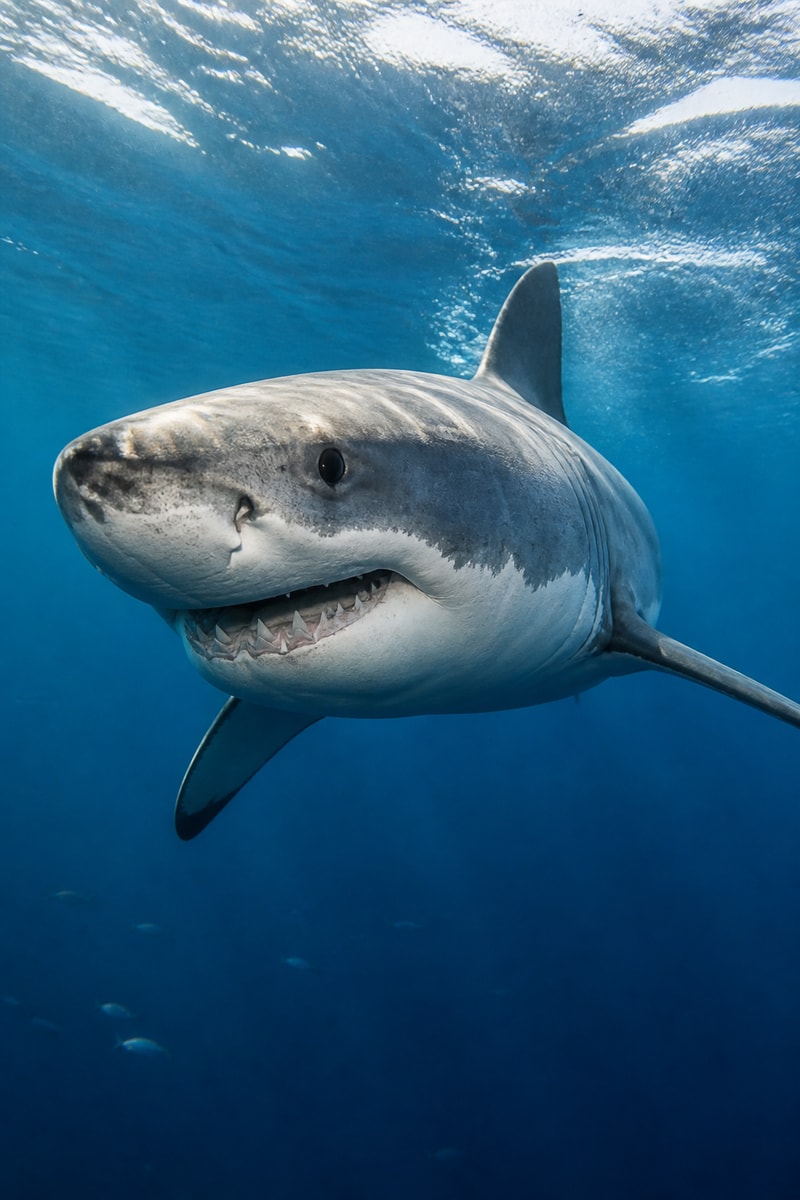
- Great White Sharklegendary • Coastal Ocean
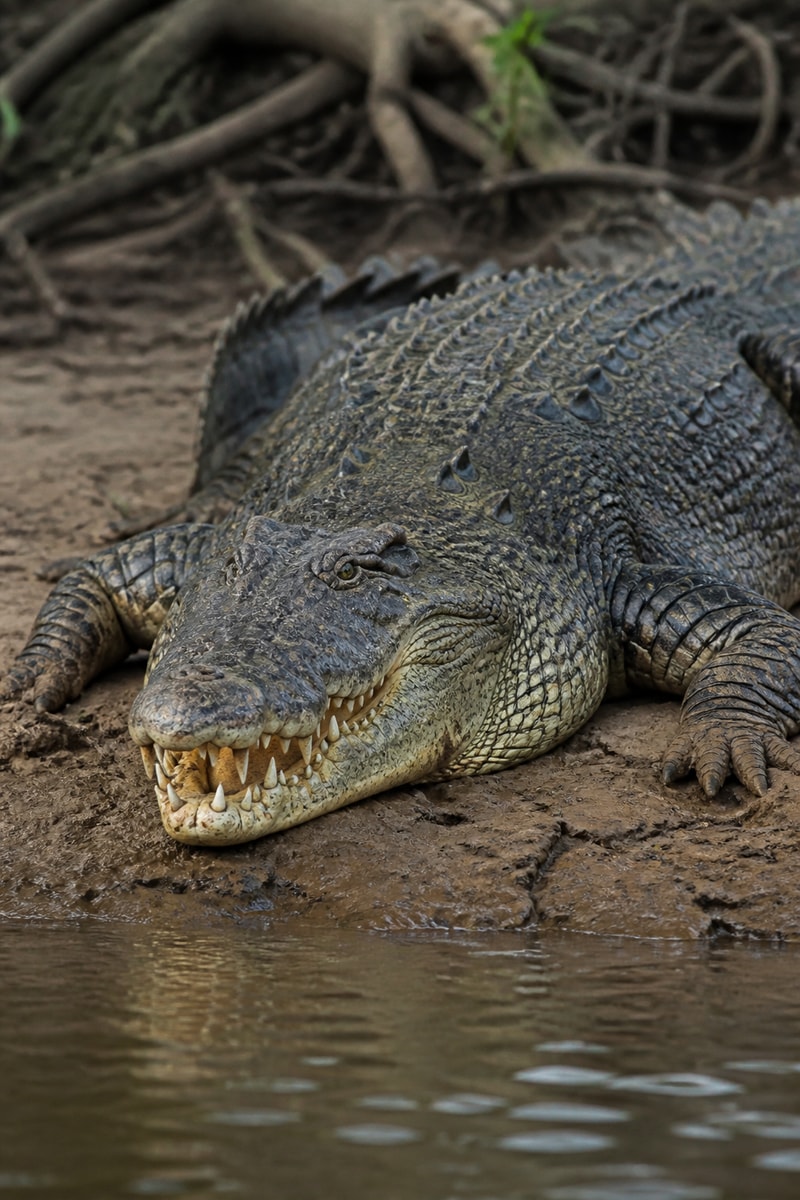
- Saltwater Crocodilelegendary • Estuaries & Coast
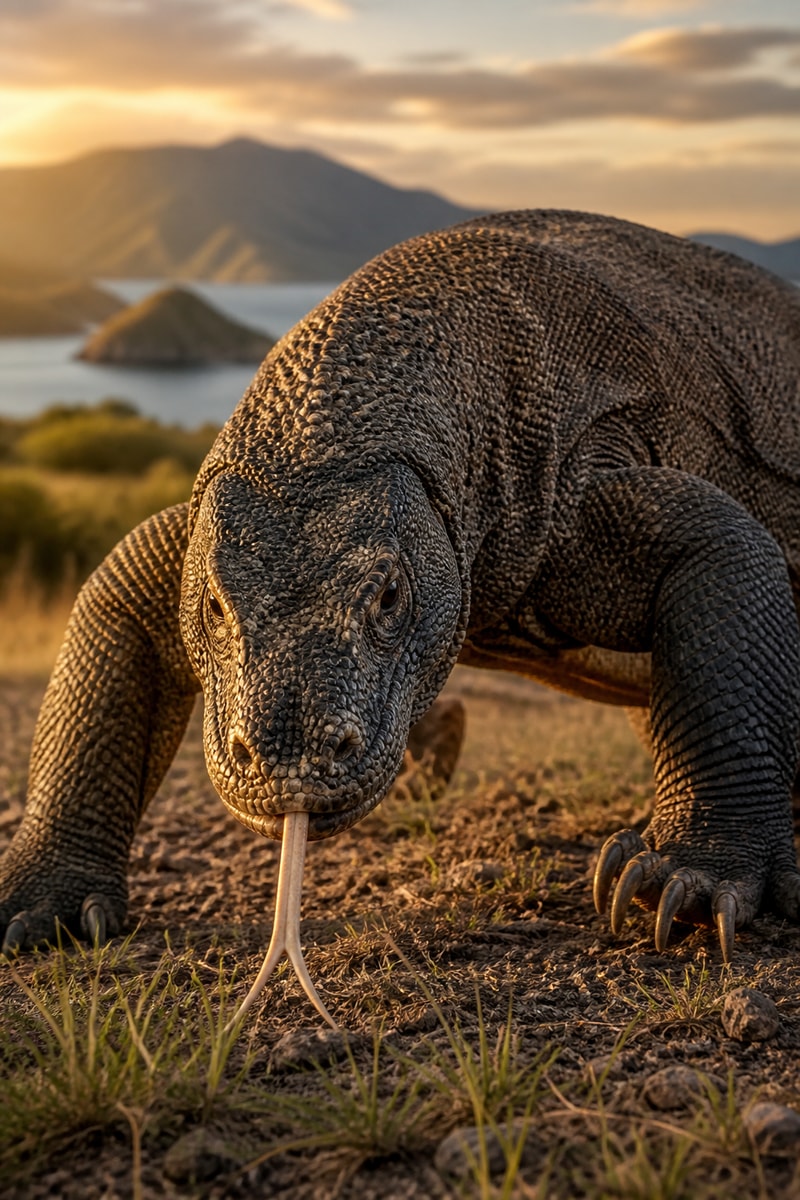
- Komodo Dragonlegendary • Komodo Islands
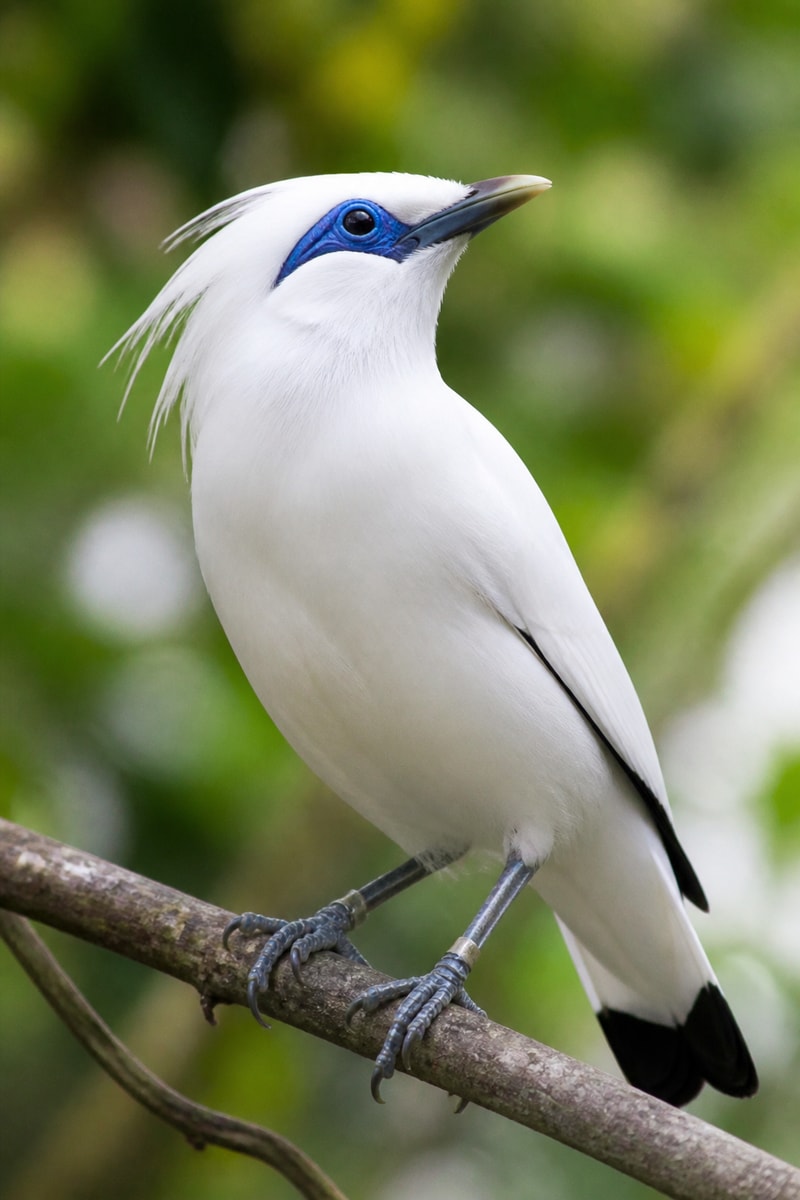
- Bali Starlinglegendary • Bali
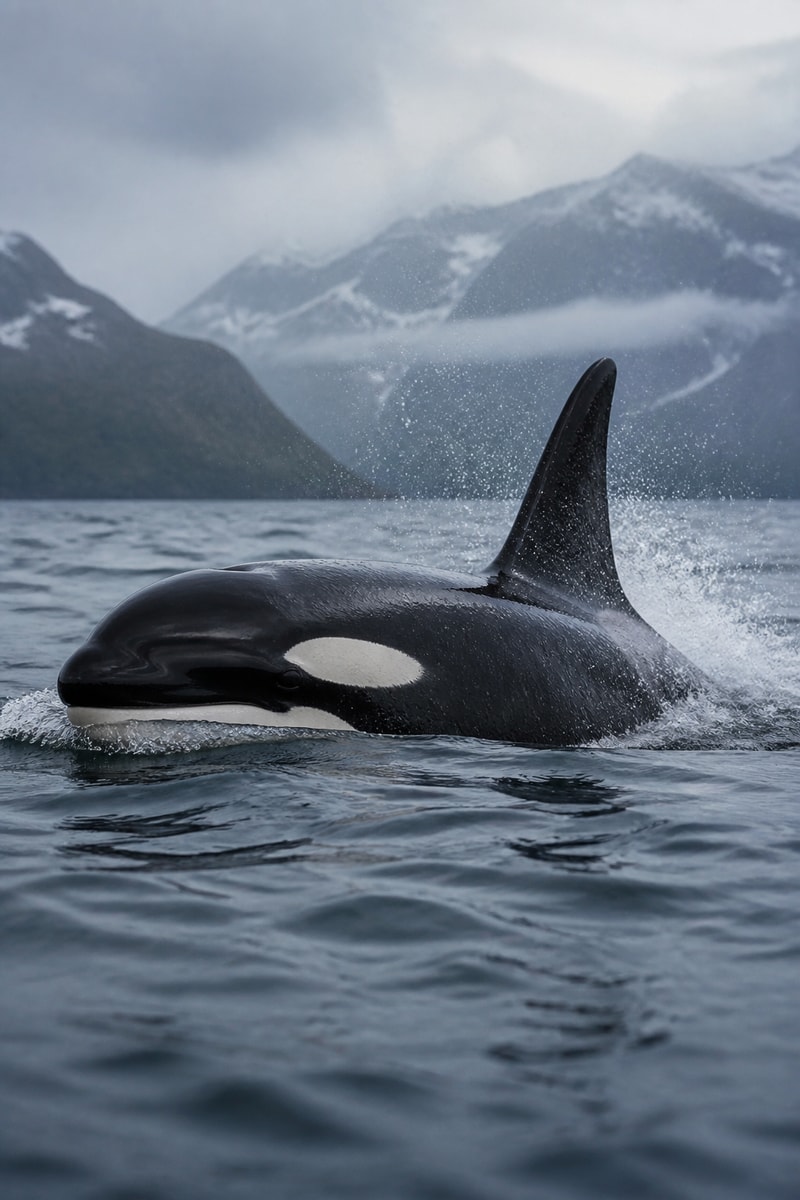
- Orcalegendary • Coastal Ocean
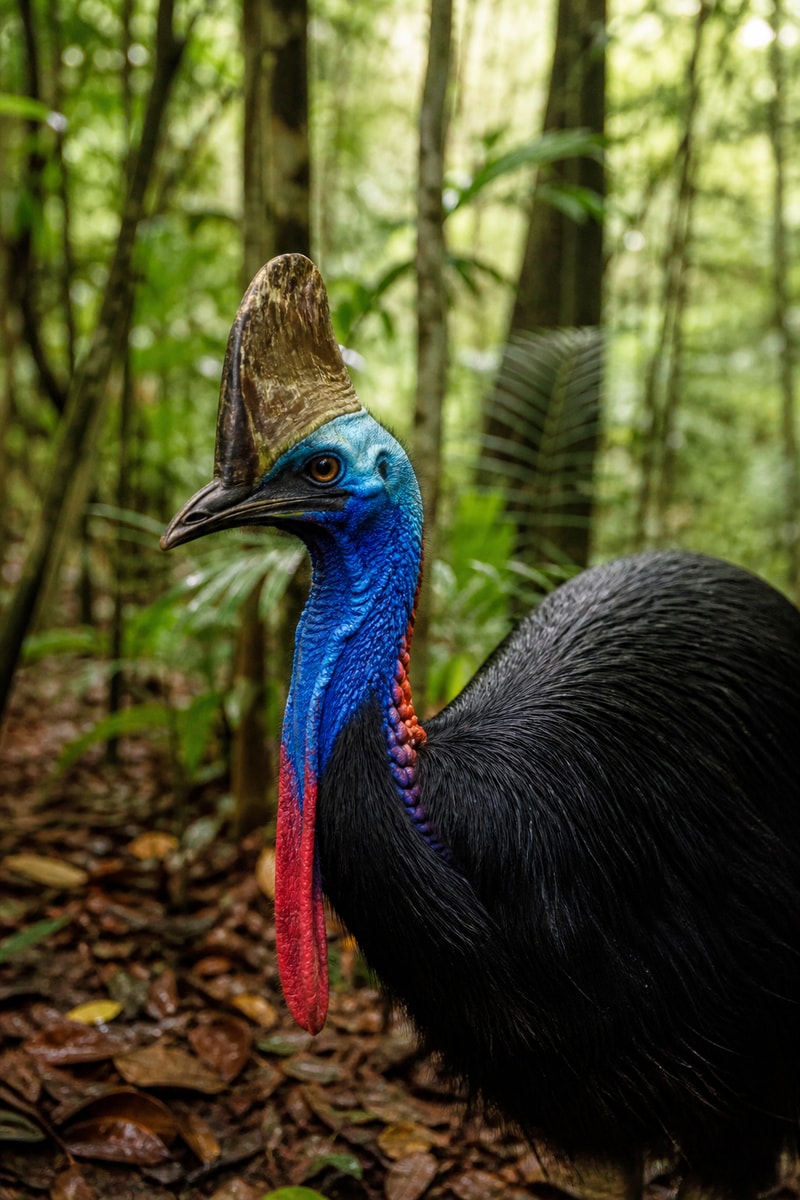
- Southern Cassowarylegendary • Rainforest
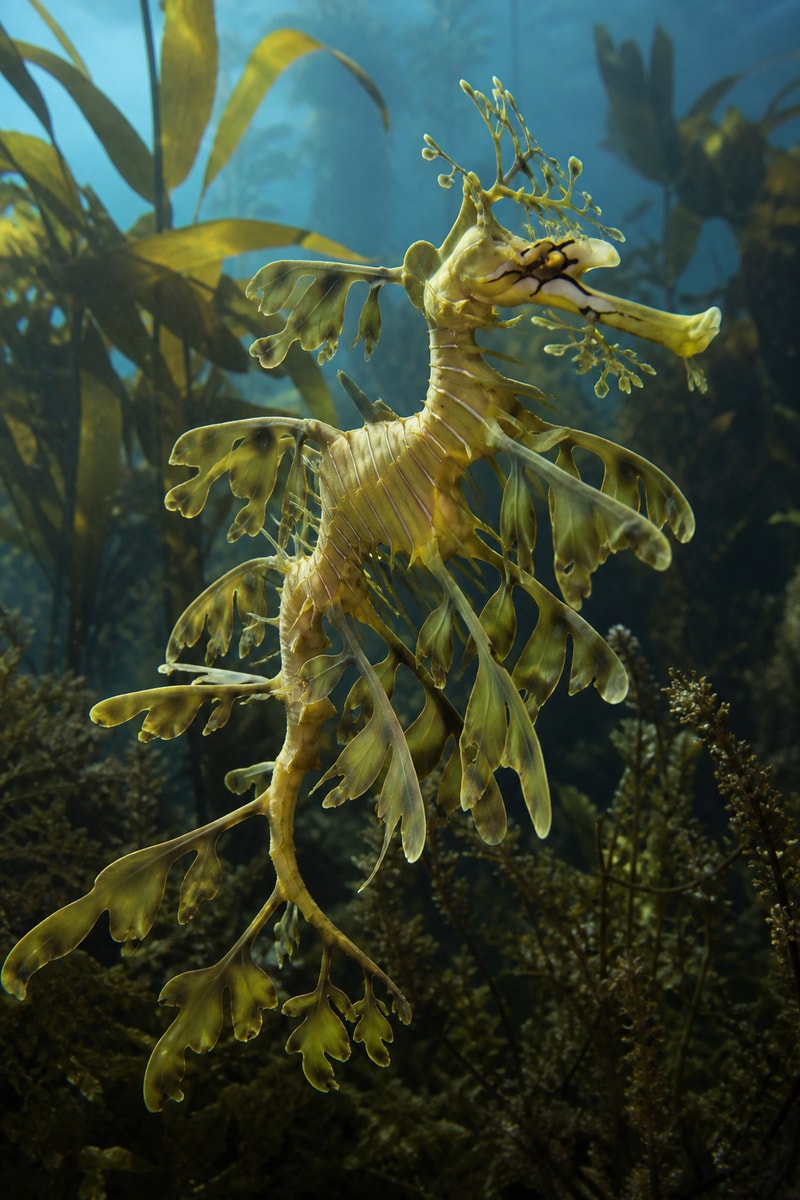
- Leafy Sea Dragonlegendary • Kelp & Seagrass
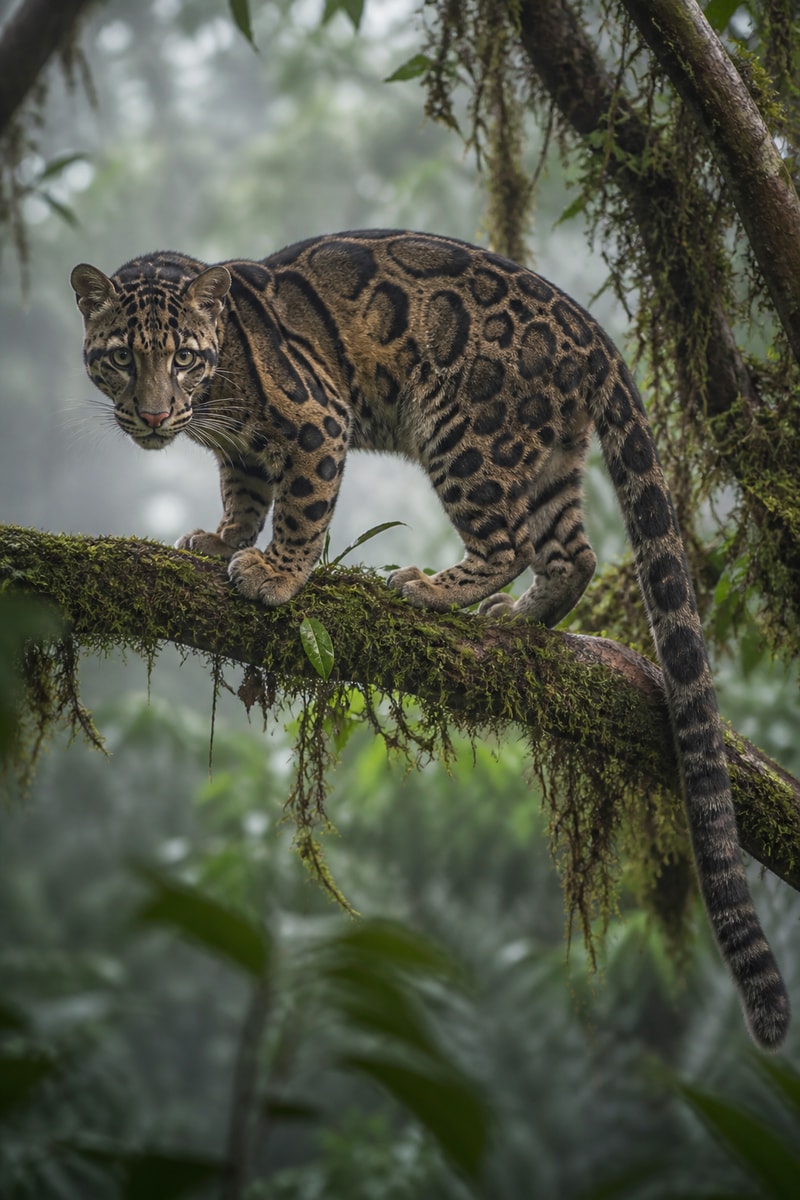
- Clouded Leopardlegendary • Forest Canopy
Free on iOS
Catch the Dugong
Spot one in the wild, then scan it in Catch'Um to log your rare discovery.