
Field guide · common
Capybara
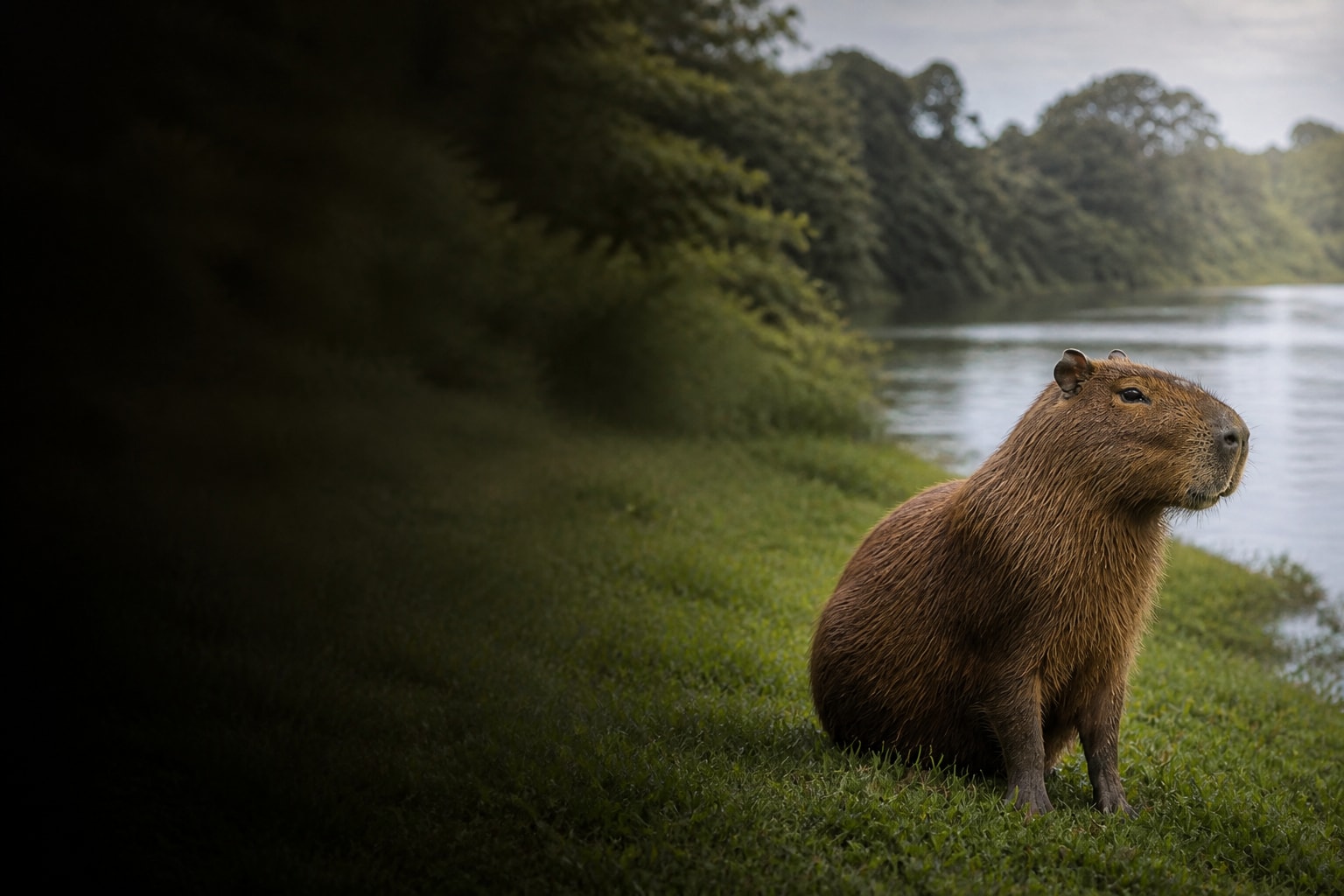
The world's largest rodent, a gentle capybara that grazes riverbanks and lets birds perch on its back.
Least Concern
Hydrochoerus hydrochaeris
Overview
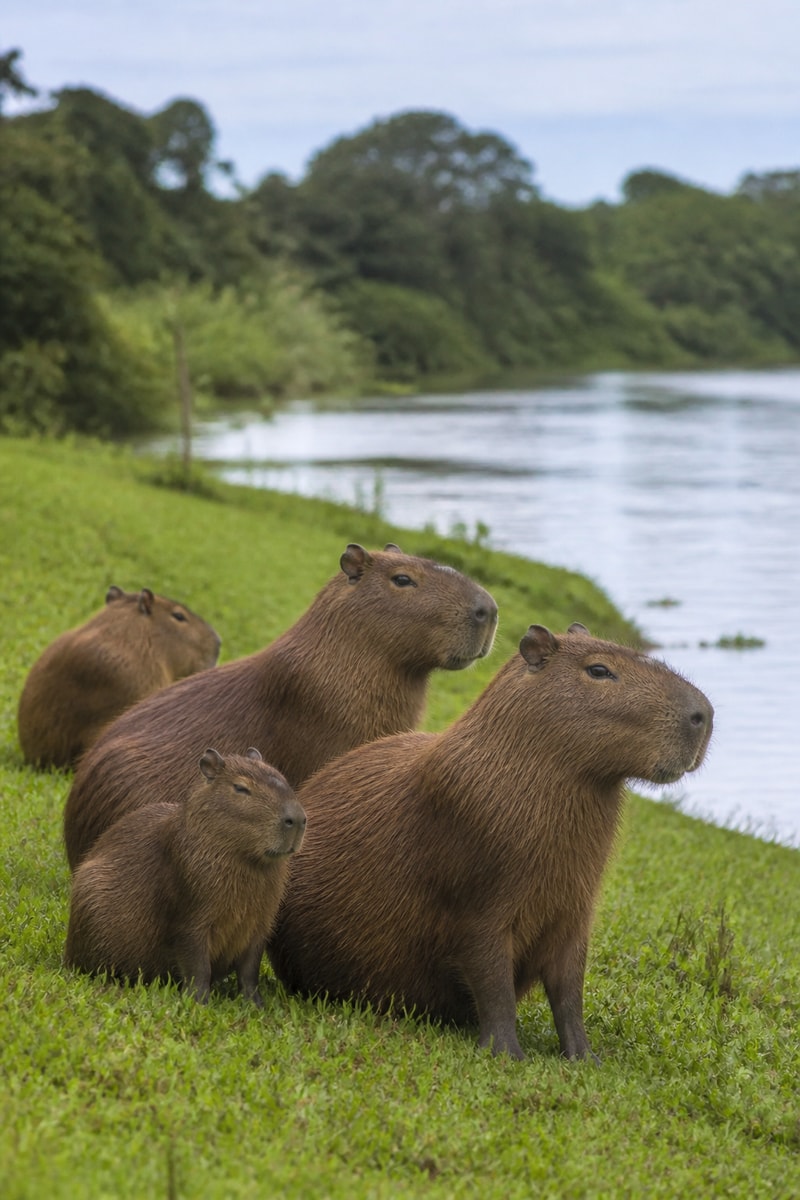
The capybara is a South American icon: dog-sized, barrel-bodied, and surprisingly serene. They live in groups along rivers, lakes, and marshes, grazing on grasses and aquatic plants, and diving to escape jaguars and caimans when alarmed.
Capybaras are highly social and often seen with cattle egrets and other birds picking ticks from their fur. Their partially webbed feet make them strong swimmers. They can stay submerged for several minutes with just nostrils above water.
- Scientific nameHydrochoerus hydrochaeris
- Length100–130 cm
- Height50–60 cm at shoulder
- Weight35–66 kg
- LifespanAround 6–10 years in the wild
- DietGrazers of grasses and…
- ConservationLeast Concern
- RegionWetlands & Rivers
Habitat
- Wetland
- Riverbank
- Flooded grassland
Freshwater wetlands, riverbanks, and seasonally flooded grassland across Brazil, Venezuela, and much of South America east of the Andes suit capybaras. The Pantanal is one of the best places to see them in large groups.
Countries found
Field notes
Field scale for the Capybara: length around 100-130 cm; height 50-60 cm at shoulder; weight 35-66 kg. Typical lifespan: Around 6-10 years in the wild.
When you are scanning habitat, prioritise wetland, riverbank, and flooded grassland. Those settings are where a clean look and a usable photo are most likely.
Quick ID anchor: World's largest rodent: barrel body, blunt snout, small ears, and almost no visible tail. Coarse reddish-brown fur and partially webbed feet; dog-sized on short sturdy legs. Confirm with behaviour and habitat before you log the discovery.
Where to see one
Brazil
In Brazil, start at Pantanal (Mato Grosso do Sul). The world's largest tropical wetland, with capybaras, jaguars, hyacinth macaws, and giant otters in open savanna.
More context on this destination lives on the Brazil expedition page.
Diet
Grazers of grasses and aquatic plants along wetlands and rivers. Often feed at dawn and dusk and may re-chew food in a manner similar to other large rodents.
Behaviour
Highly social, living in groups that rest near water and flee into it when threatened. Excellent swimmers that can submerge with only nostrils showing; often host hitchhiking birds.
How to identify
World's largest rodent: barrel body, blunt snout, small ears, and almost no visible tail. Coarse reddish-brown fur and partially webbed feet; dog-sized on short sturdy legs.
Interesting facts
- 01
Capybaras are the world's largest rodents, and surprisingly good swimmers.
- 02
They are so chill that other animals often sit on them.
- 03
Groups can number 20 or more, especially during the dry season.
Conservation status
Capybaras are Least Concern and abundant across much of South America. They are hunted for meat and leather in some regions but populations remain stable in the Pantanal and Amazon basin.
Sources: IUCN Red List
Keep exploring
Where it lives
Related discoveries
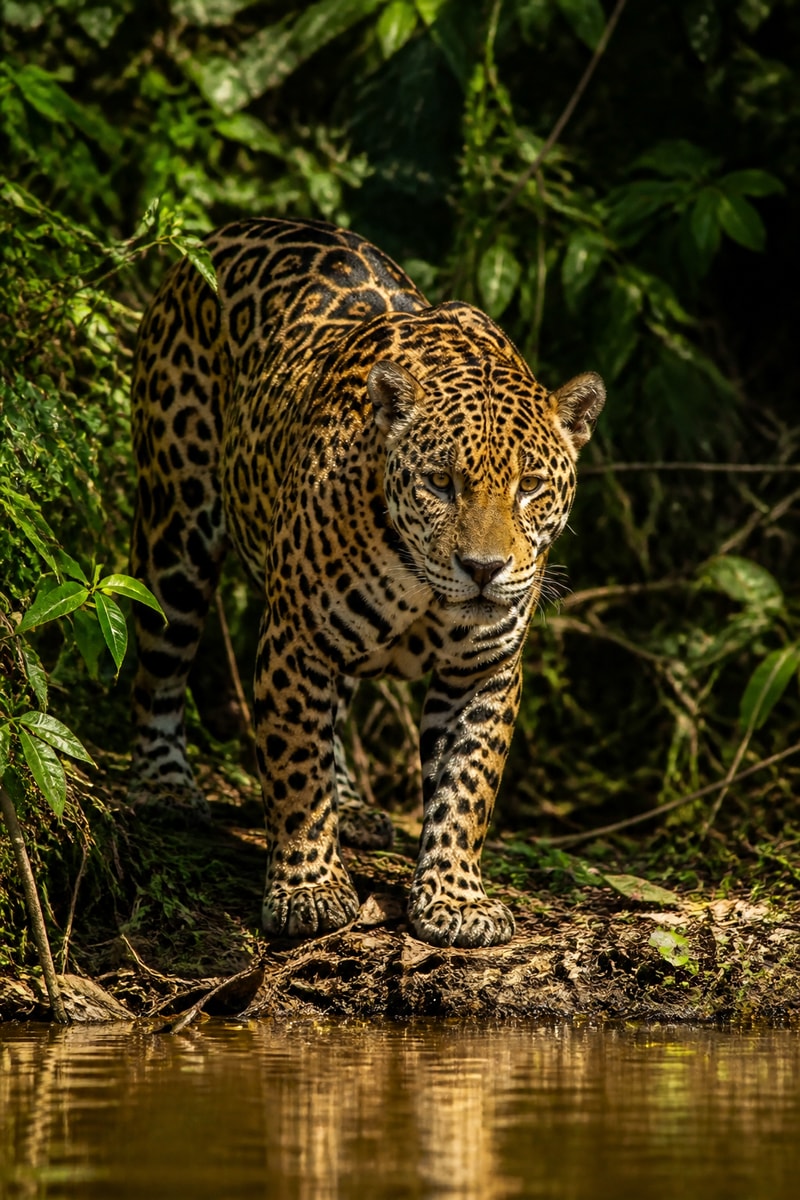
- Jaguarlegendary • Rainforest & Wetland
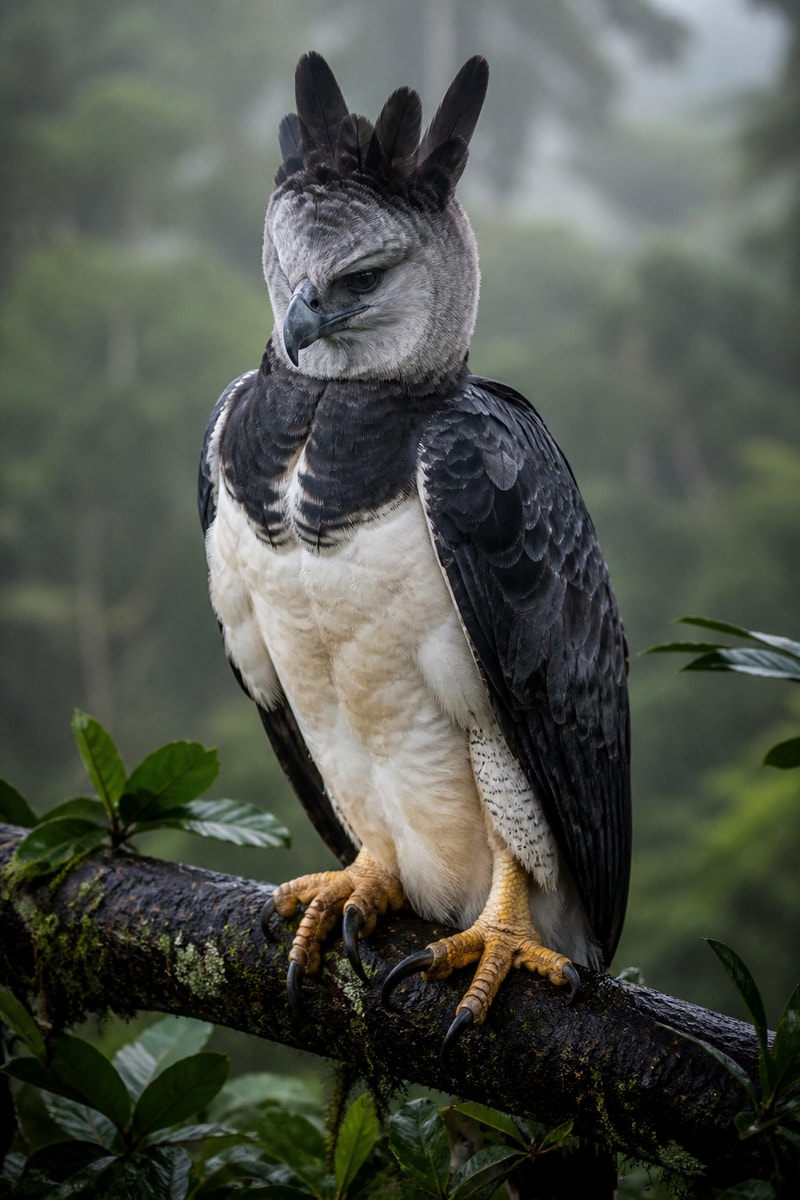
- Harpy Eaglelegendary • Rainforest Canopy
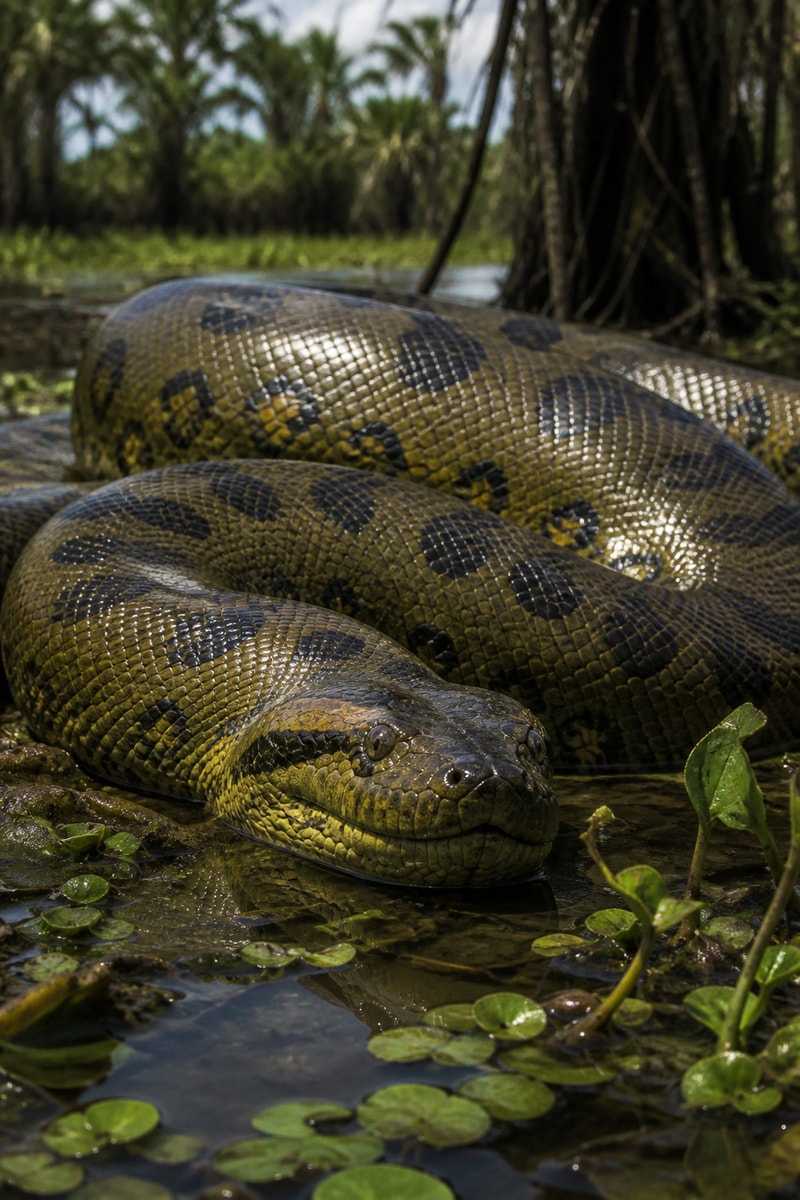
- Green Anacondalegendary • Wetlands & Rivers
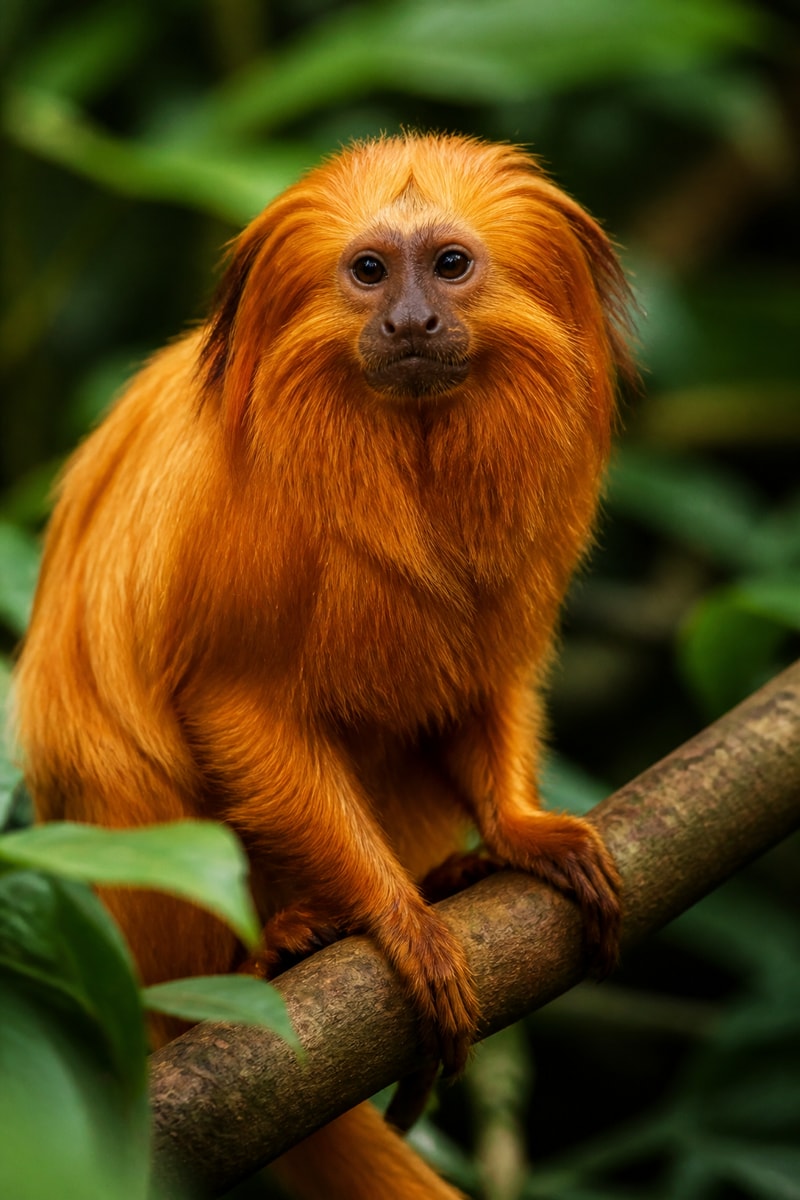
- Golden Lion Tamarinlegendary • Atlantic Forest Canopy
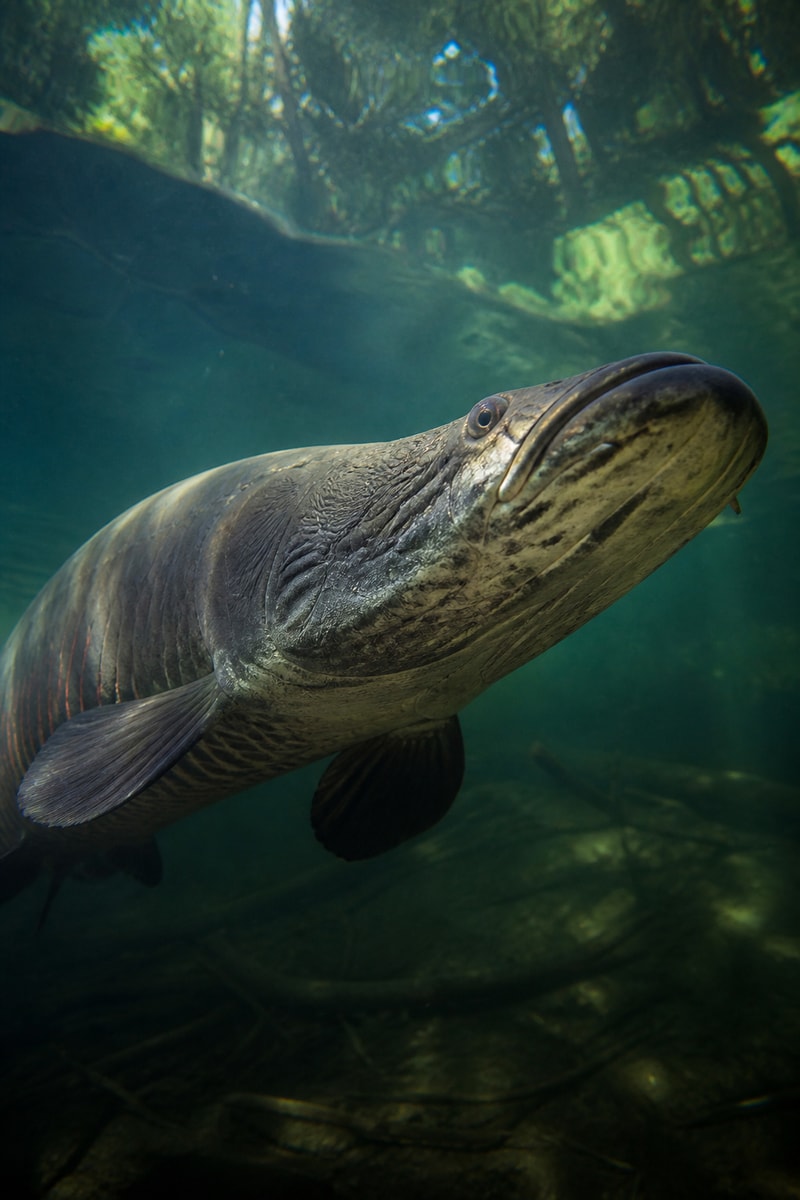
- Arapaimalegendary • Amazon Floodplain
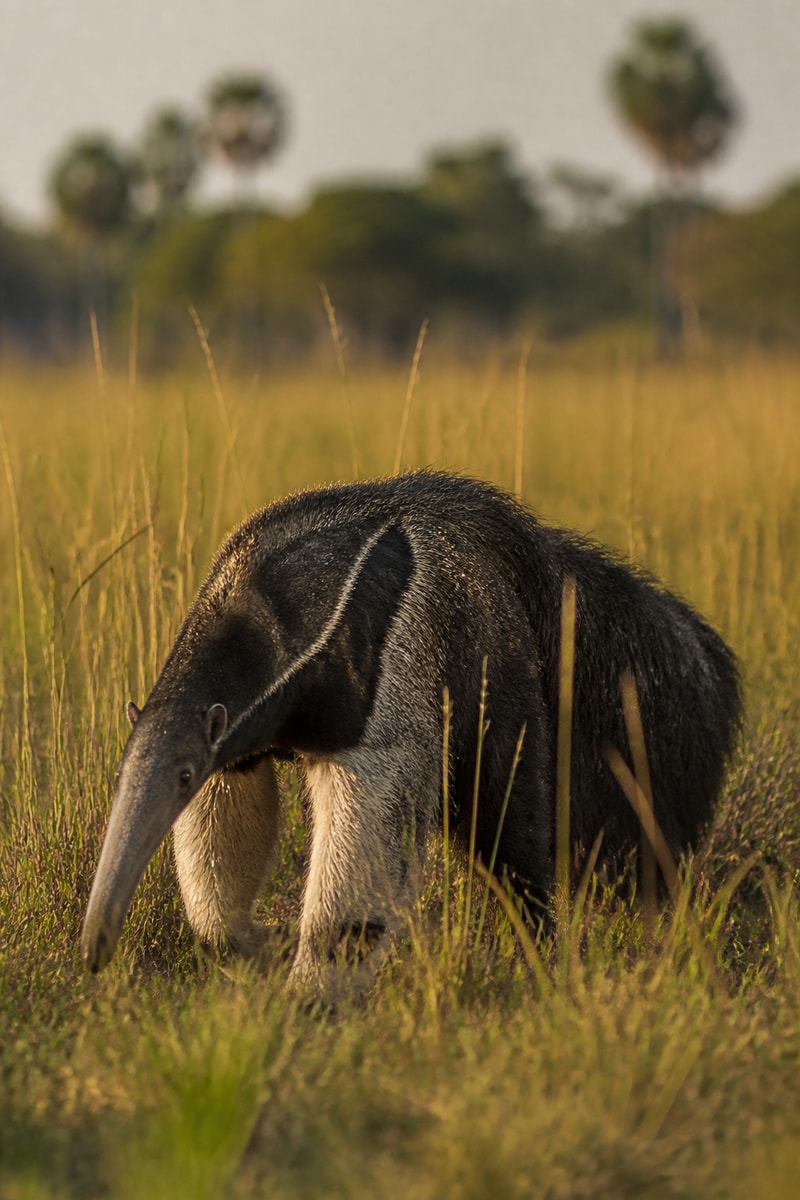
- Giant Anteaterrare • Grassland & Forest
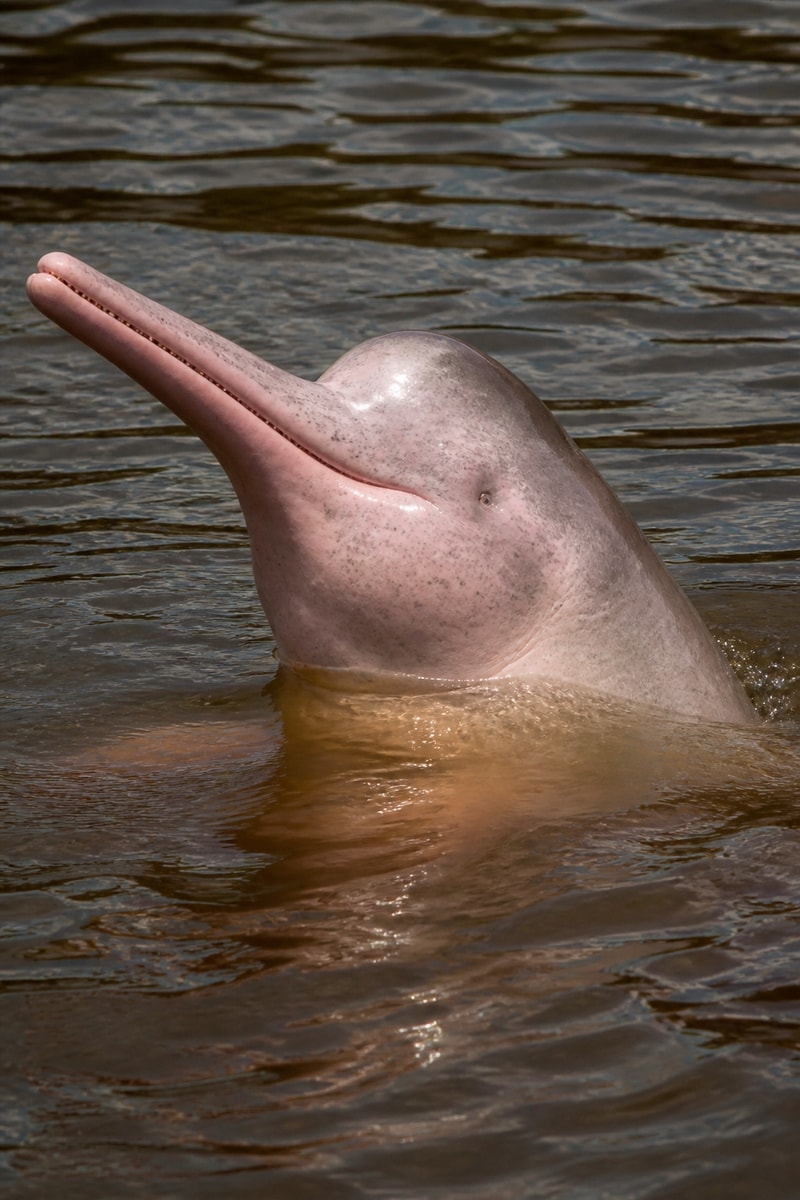
- Amazon River Dolphinrare • Amazon Rivers
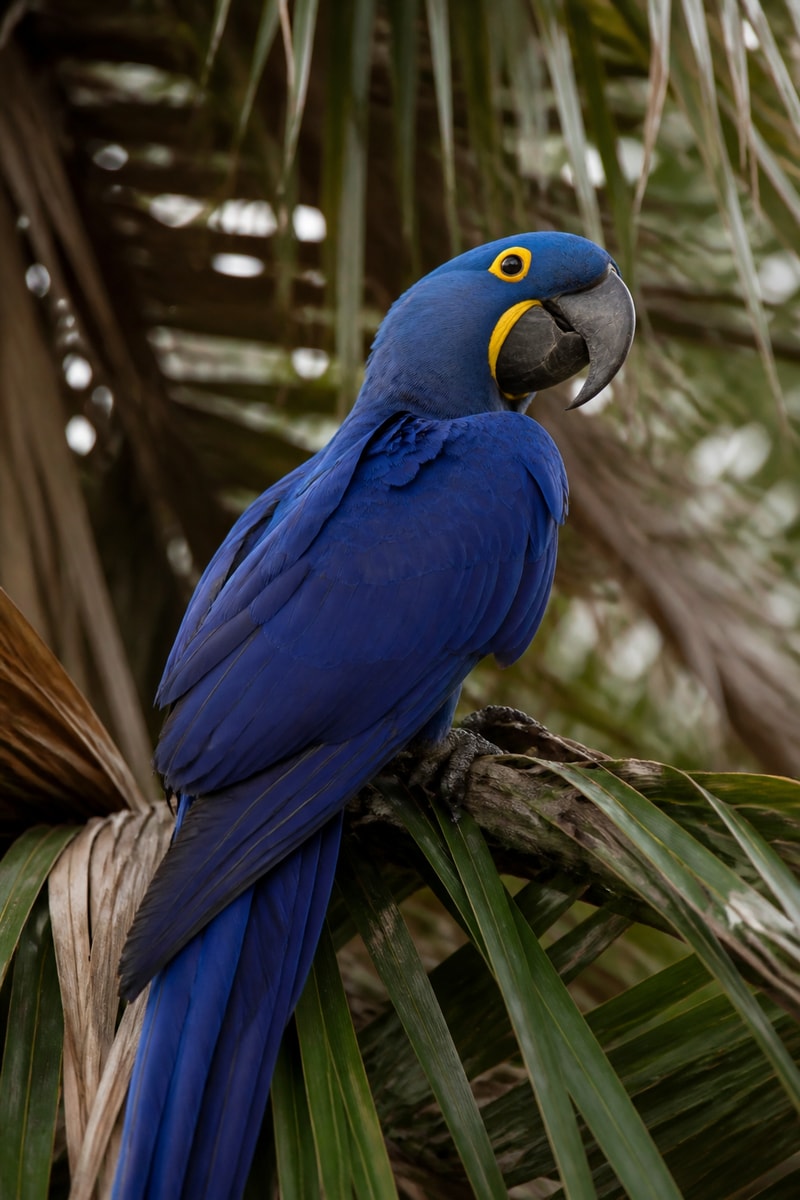
- Hyacinth Macawrare • Wetland & Palm Savanna
Free on iOS
Catch the Capybara
Spot one in the wild, then scan it in Catch'Um to log your common discovery.