
Field guide · common
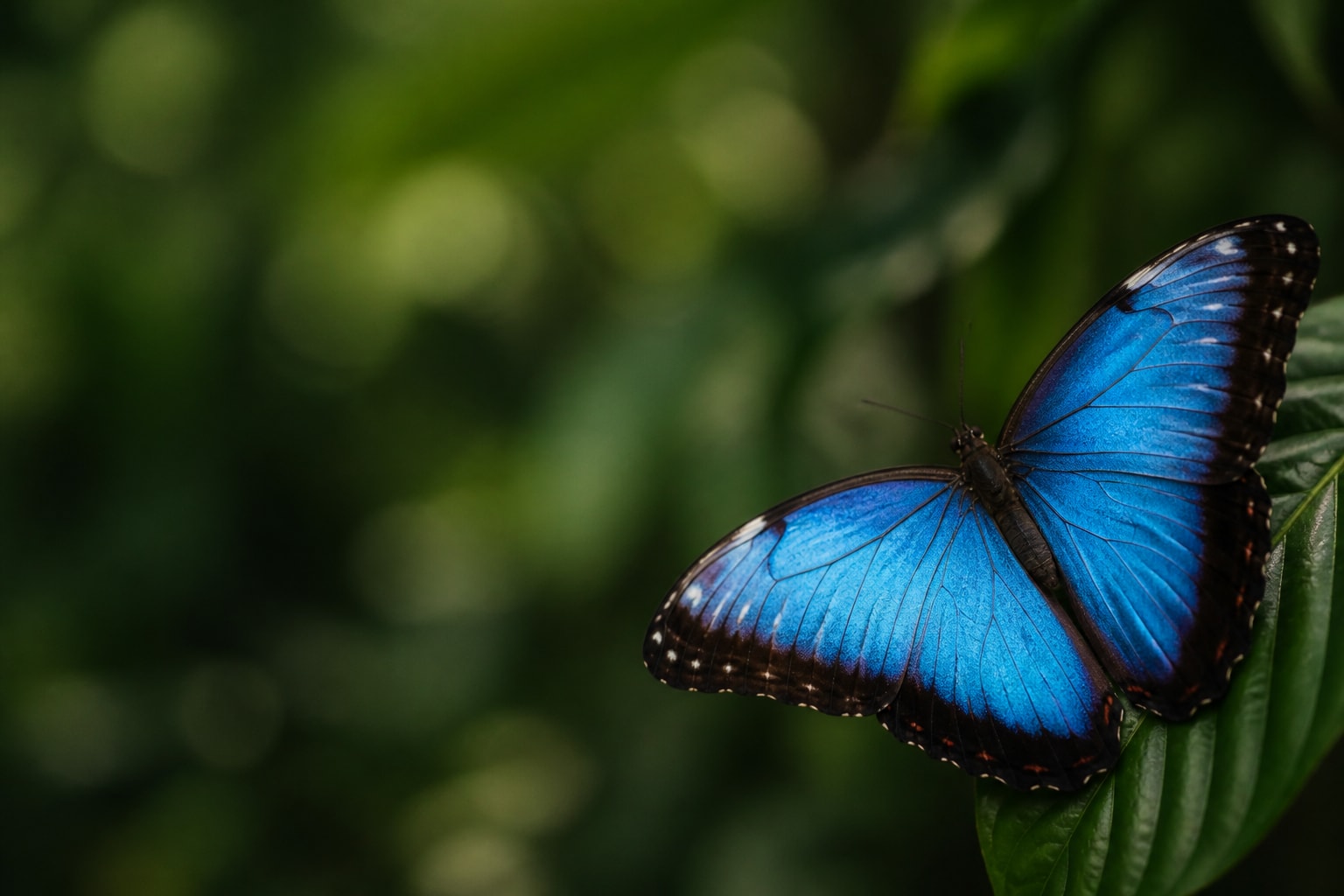
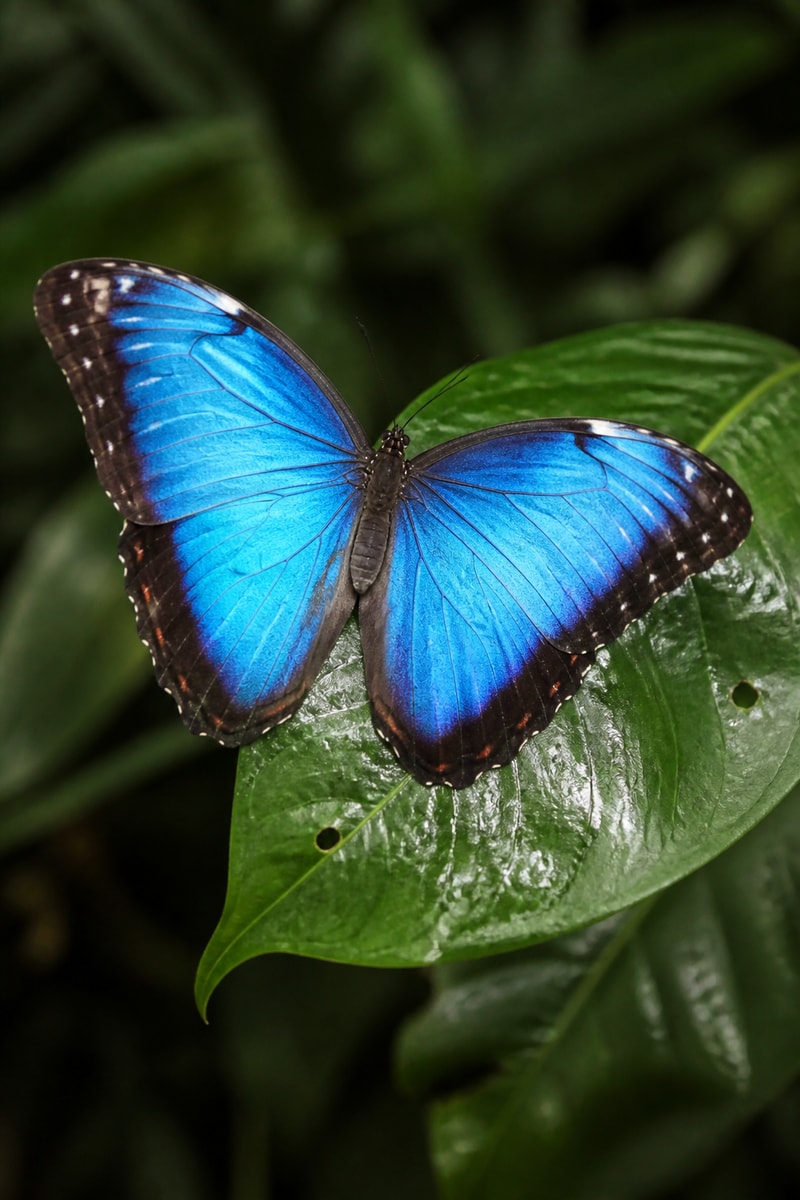
Blue Morpho
Electric blue flashes through the forest — iridescent wings that vanish when they close.
Least Concern
Morpho peleides
Overview
Blue morphos are large Neotropical butterflies whose dorsal wings shimmer electric blue from microscopic scales, not pigment. When wings close, brown undersides with eyespots camouflage them against bark and leaf litter.
For Costa Rica and Brazil collectors, a morpho zigzagging a forest trail is a classic rainforest flash — common in the right light, unforgettable in flight.
- Scientific nameMorpho peleides
- LengthWingspan 12–15 cm
- LifespanAround 2–3 weeks as adults in the wild
- DietAdults feed on rotting fruit
- ConservationLeast Concern
- RegionNeotropical Rainforest
Where to see them
Habitat
- Tropical rainforest
- Forest trails
- River edges
Tropical rainforest paths, riversides, and forest edges from Mexico through Central America into northern South America, where adults patrol sunny gaps and larvae feed on host plants in the understorey.
Field notes
Field scale for the Blue Morpho: length around Wingspan 12-15 cm. Typical lifespan: Around 2-3 weeks as adults in the wild.
When you are scanning habitat, prioritise tropical rainforest, forest trails, and river edges. Those settings are where a clean look and a usable photo are most likely.
Quick ID anchor: Brilliant iridescent blue upperwings bordered with black; brown underside with eyespots. Confirm with behaviour and habitat before you log the discovery.
Where to see one
Costa Rica
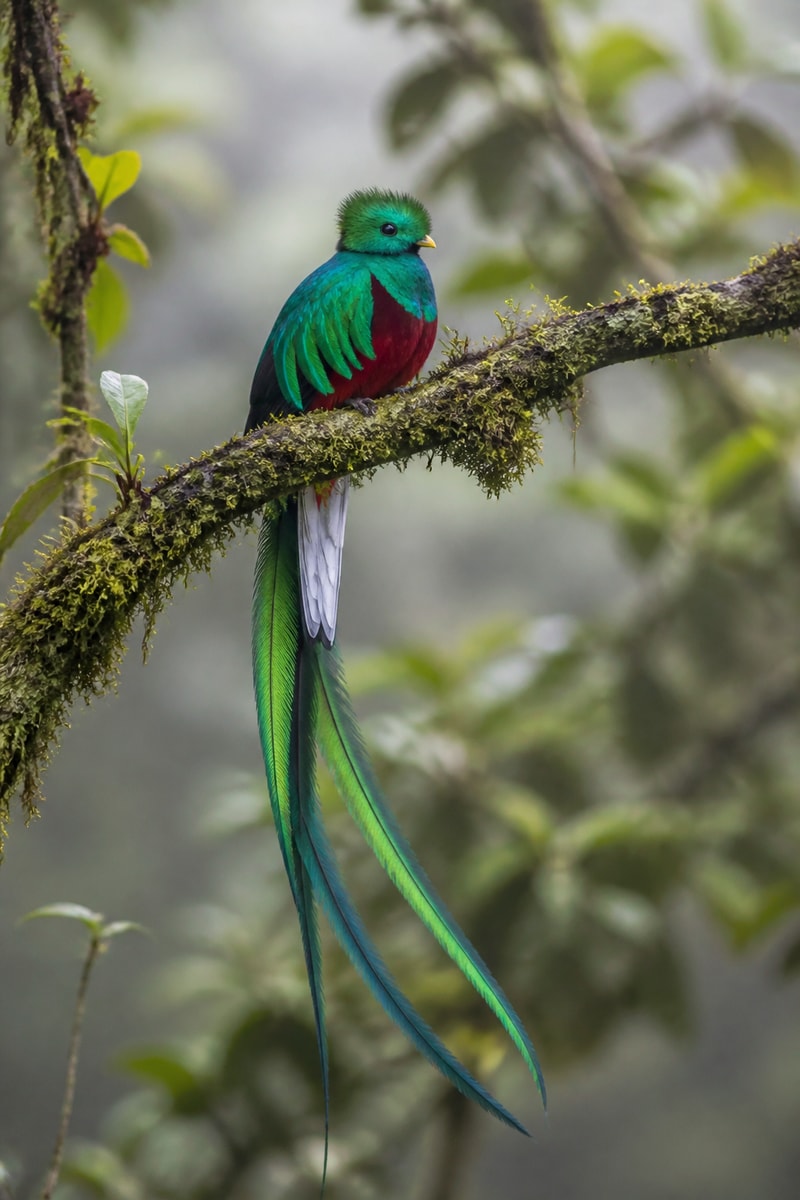
In Costa Rica, start at Monteverde Cloud Forest (Puntarenas). Misty canopy bridges and moss-draped trees, with sloths, quetzals, and hummingbirds in cool highland forest.
More context on this destination lives on the Costa Rica expedition page.
Brazil
In Brazil, start at Amazon Rainforest (Amazonas). Riverboat journeys through flooded forest, with pink dolphins, sloths, and more species than anywhere else on Earth.
More context on this destination lives on the Brazil expedition page.
Diet
Adults feed on rotting fruit, sap, and mud minerals rather than flower nectar.
Larvae chew leaves of host plants in Fabaceae and related families.
Behaviour
Males patrol sunny forest trails and river edges defending flight paths.
Rest with wings closed so brown undersides hide the blue flash.
How to identify
Brilliant iridescent blue upperwings bordered with black; brown underside with eyespots.
Large wingspan and bouncing, gliding flight through forest clearings.
Interesting facts
- 01
Blue colour comes from light-reflecting scales, not blue pigment.
- 02
Undersides are brown with eyespots for camouflage.
- 03
Flight is a distinctive slow flap-and-glide zigzag.
- 04
Adults drink fermenting fruit juices and tree sap.
- 05
Caterpillars feed on plants in the pea family and related hosts.
- 06
Wingspans commonly reach 12–15 cm.
Conservation status
Blue morphos are not formally threatened and remain common in many intact Neotropical forests. Deforestation reduces local abundance where rainforest is cleared.
Sources: IUCN Red List

Keep exploring
Where it lives
Related discoveries
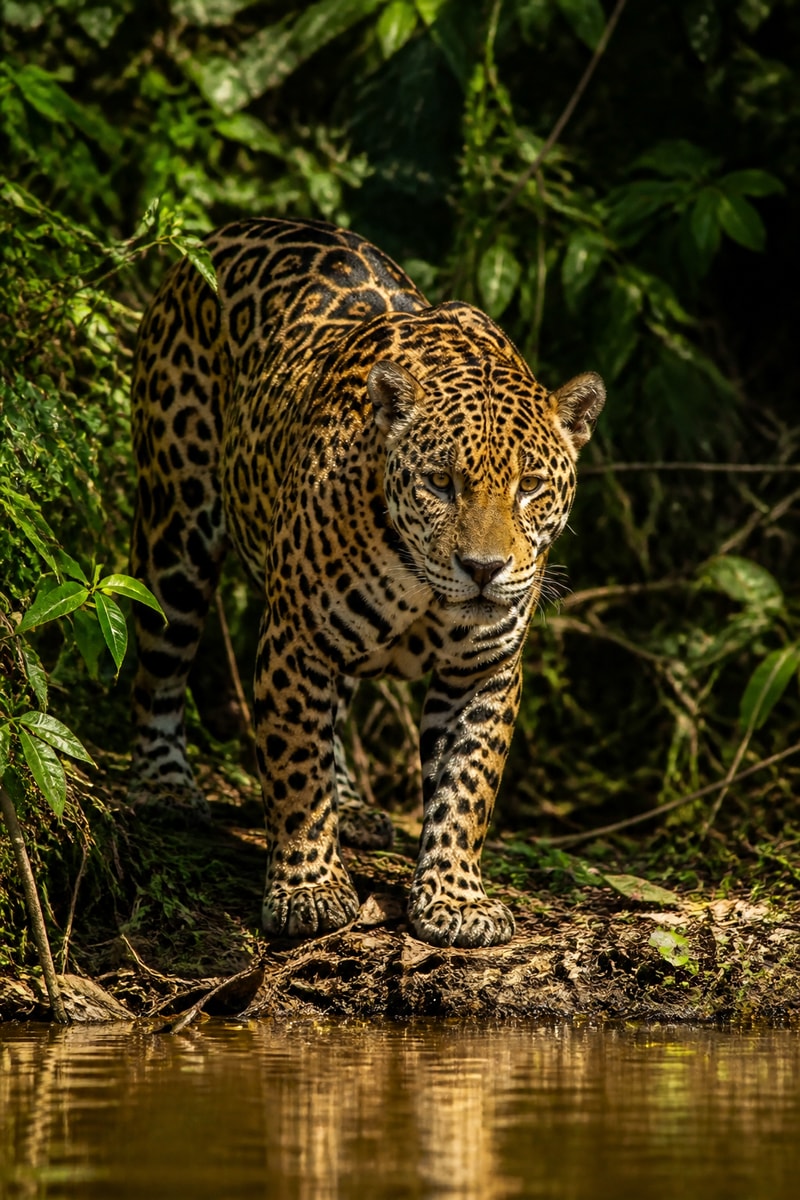
- Jaguarlegendary • Rainforest & Wetland
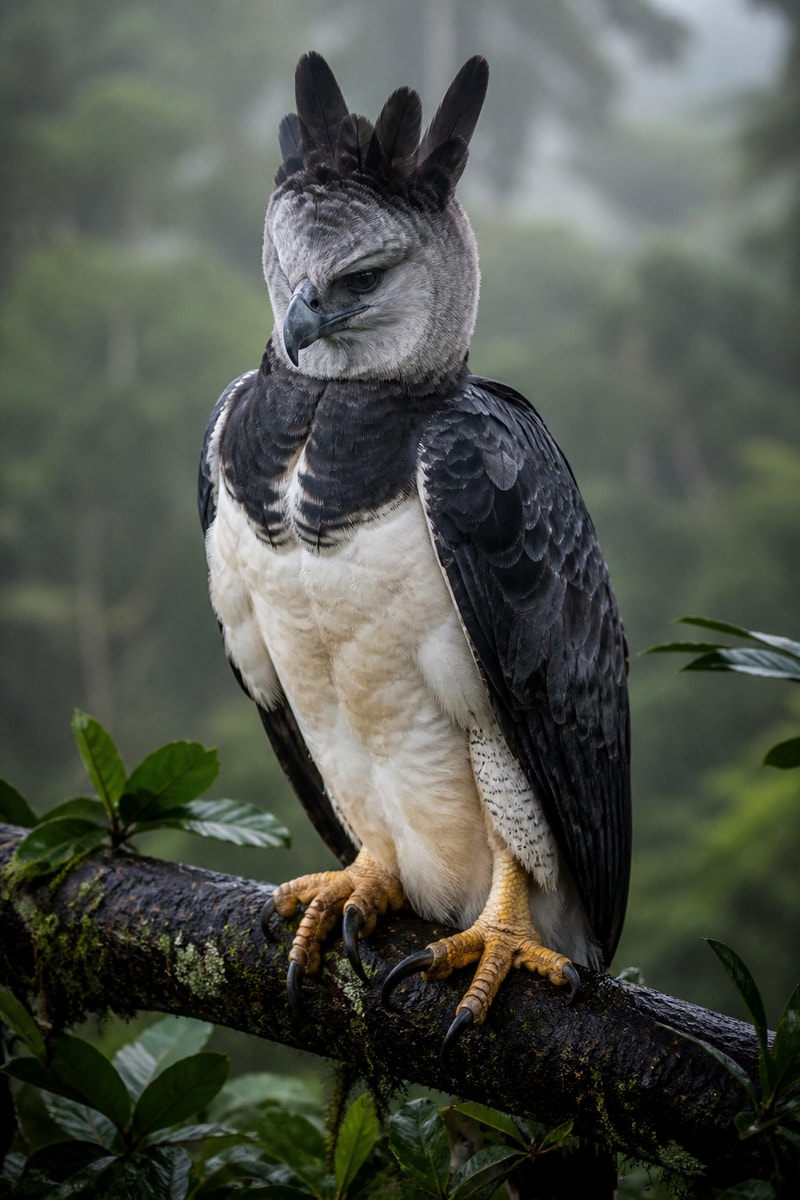
- Harpy Eaglelegendary • Rainforest Canopy
- Resplendent Quetzallegendary • Cloud Forest
- Green Anacondalegendary • Wetlands & Rivers
- Golden Lion Tamarinlegendary • Atlantic Forest Canopy
- Baird's Tapirlegendary • Central American Forest
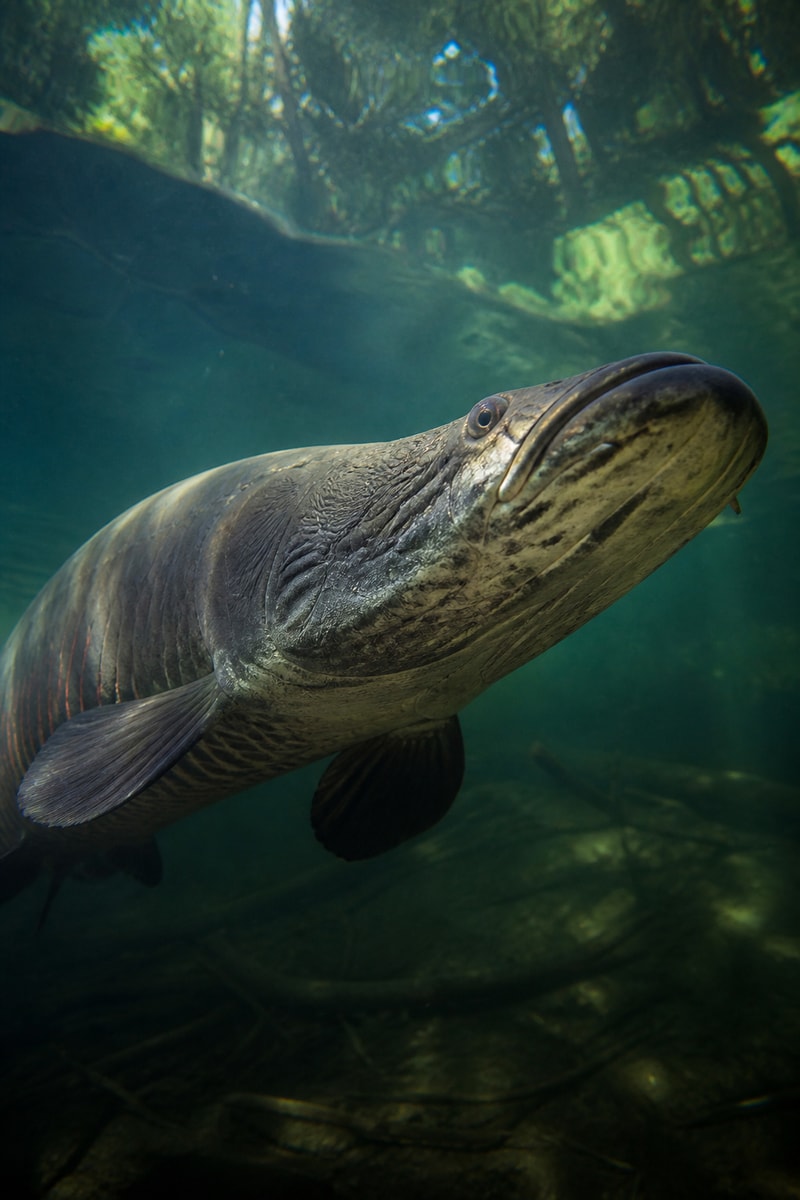
- Arapaimalegendary • Amazon Floodplain
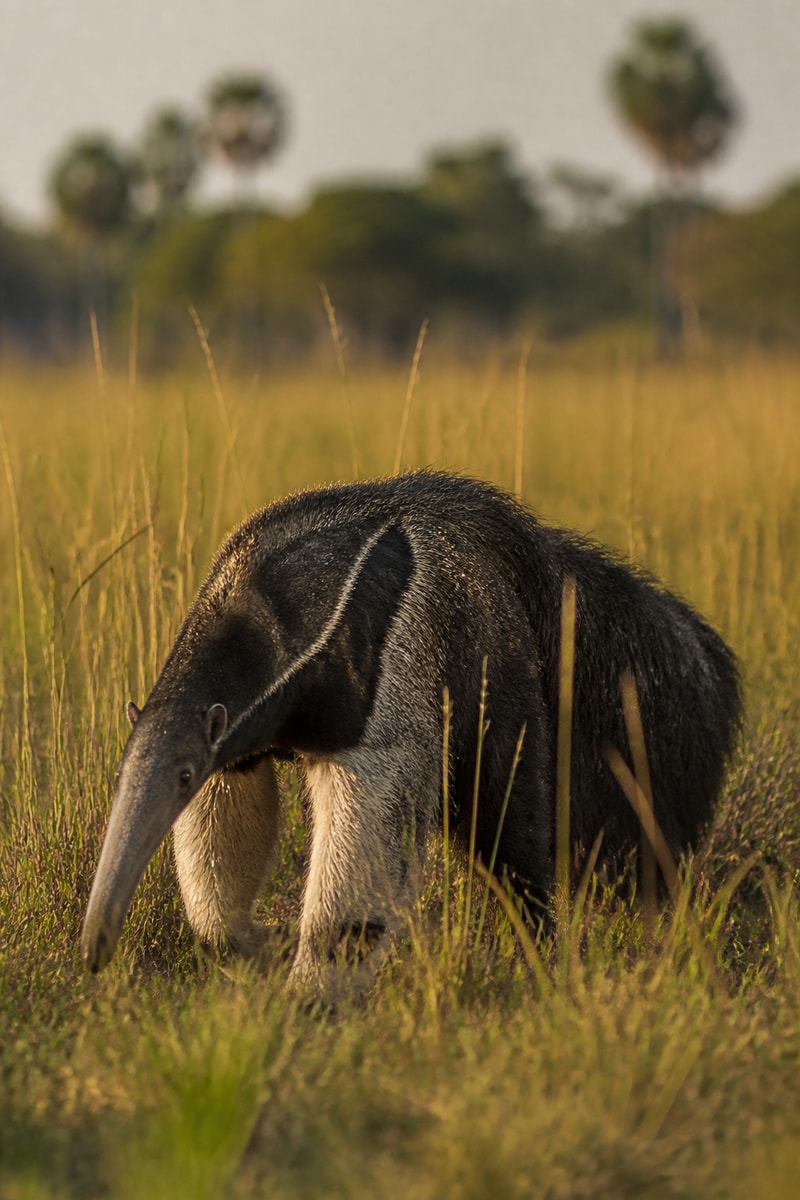
- Giant Anteaterrare • Grassland & Forest
Free on iOS
Catch the Blue Morpho
Spot one in the wild, then scan it in Catch'Um to log your common discovery.