
Field guide · rare
Lar Gibbon
The singing ape of Southeast Asia — long arms, hook-like hands, and duets that claim the canopy.
Endangered
Hylobates lar
Overview
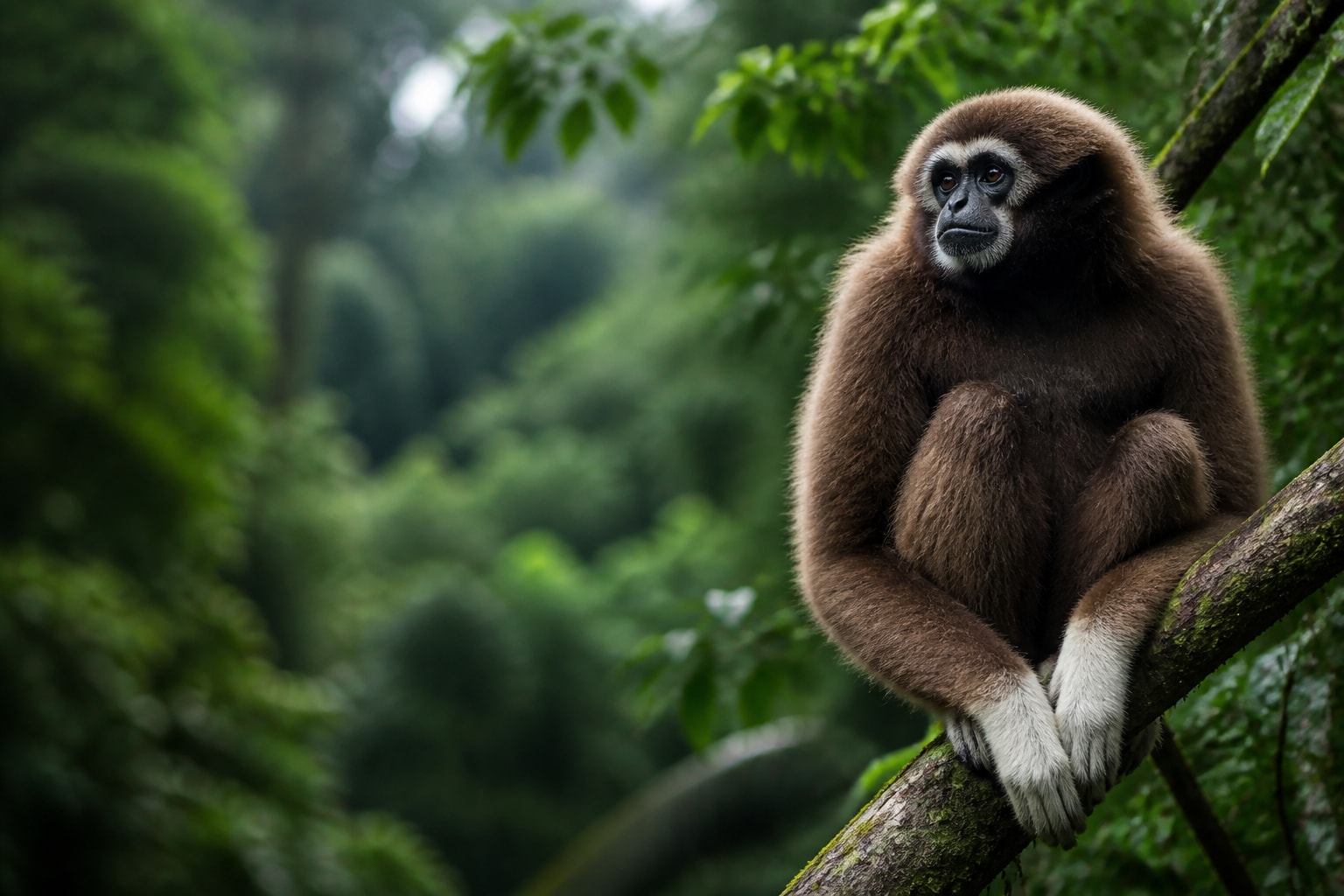
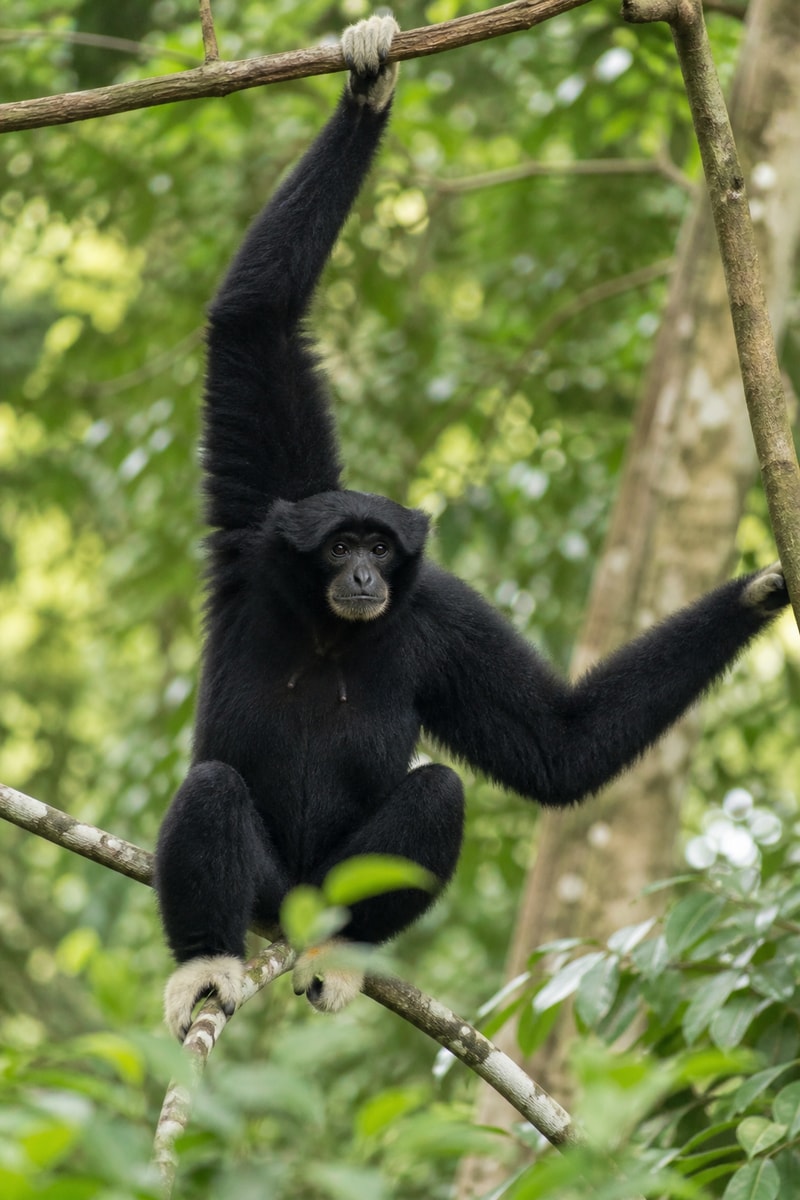
Lar gibbons (white-handed gibbons) swing through the canopy with breathtaking brachiation, using arms longer than their legs. Mated pairs sing elaborate morning duets that advertise territory through the forest.
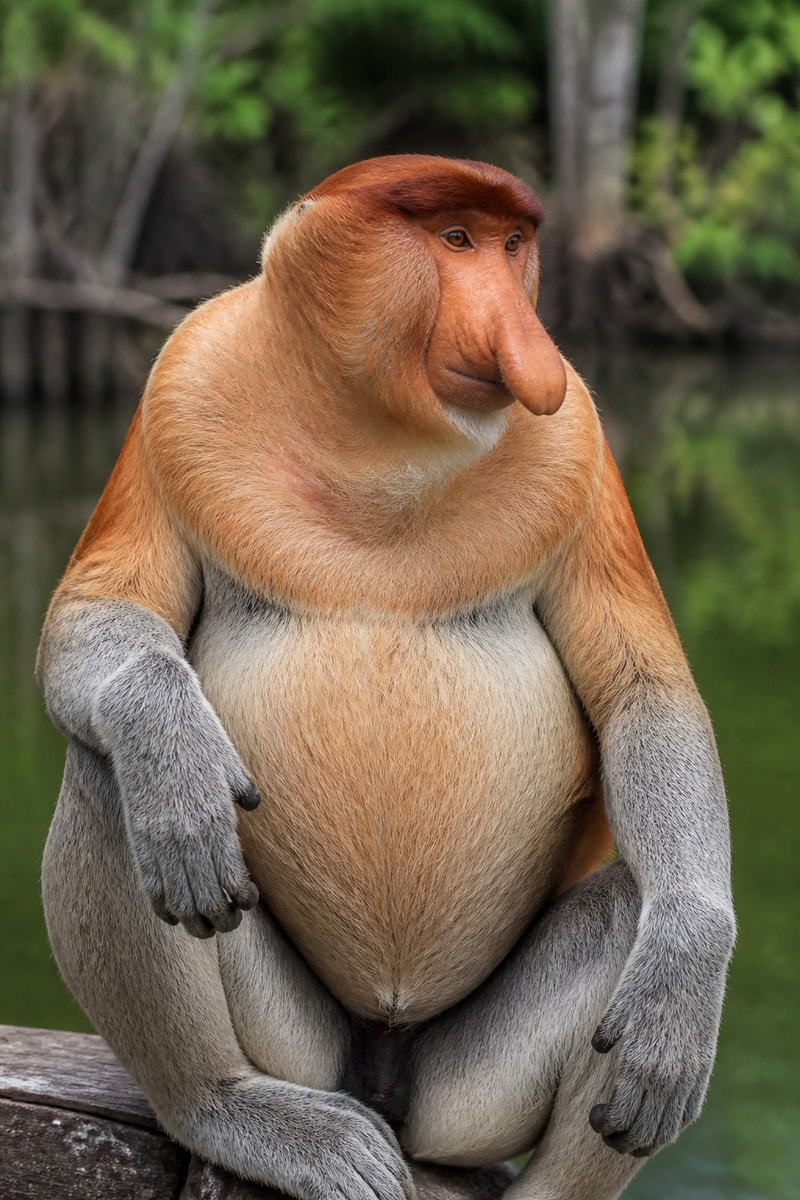
For Indonesia collectors, gibbons add a true lesser ape beside orangutans, proboscis monkeys, and slow lorises.
- Scientific nameHylobates lar
- Length45–60 cm body
- Weight4–8 kg
- LifespanAround 25–30 years in the wild
- DietRipe fruit dominates
- ConservationEndangered
- RegionRainforest Canopy
Where to see them
Habitat
- Tropical rainforest
- Evergreen forest
Tropical evergreen and semi-evergreen rainforest of mainland Southeast Asia and Sumatra, needing continuous canopy corridors.
Field notes
Field scale for the Lar Gibbon: length around 45-60 cm body; weight 4-8 kg. Typical lifespan: Around 25-30 years in the wild.
When you are scanning habitat, prioritise tropical rainforest and evergreen forest. Those settings are where a clean look and a usable photo are most likely.
Quick ID anchor: Slender ape with very long arms, no tail, and white hands and feet. Confirm with behaviour and habitat before you log the discovery.
Diet
Ripe fruit dominates, plus leaves, flowers, and insects.
Travel widely through the canopy to track fruiting trees.
Behaviour
Monogamous family groups; morning songs reinforce bonds and territories.
Almost entirely arboreal; rarely descend to the ground.
How to identify
Slender ape with very long arms, no tail, and white hands and feet.
Face framed by a pale ring; coat colour highly variable.
Interesting facts
- 01
Also called white-handed gibbons for pale hands and feet.
- 02
Pairs sing complex territorial duets at dawn.
- 03
They brachiate — swing arm-over-arm — at high speed.
- 04
Live in small family groups with a mated pair and offspring.
- 05
Coat colour varies from cream to black within the species.
- 06
Among the most acrobatic of all primates.
Conservation status
Lar gibbons are Endangered. Deforestation and the pet trade fragment populations. Protecting canopy corridors in Sumatra and mainland Southeast Asia is vital.
Sources: IUCN Red List

Keep exploring
Related discoveries
Free on iOS
Catch the Lar Gibbon
Spot one in the wild, then scan it in Catch'Um to log your rare discovery.