
Expedition 🇰🇪 Kenya
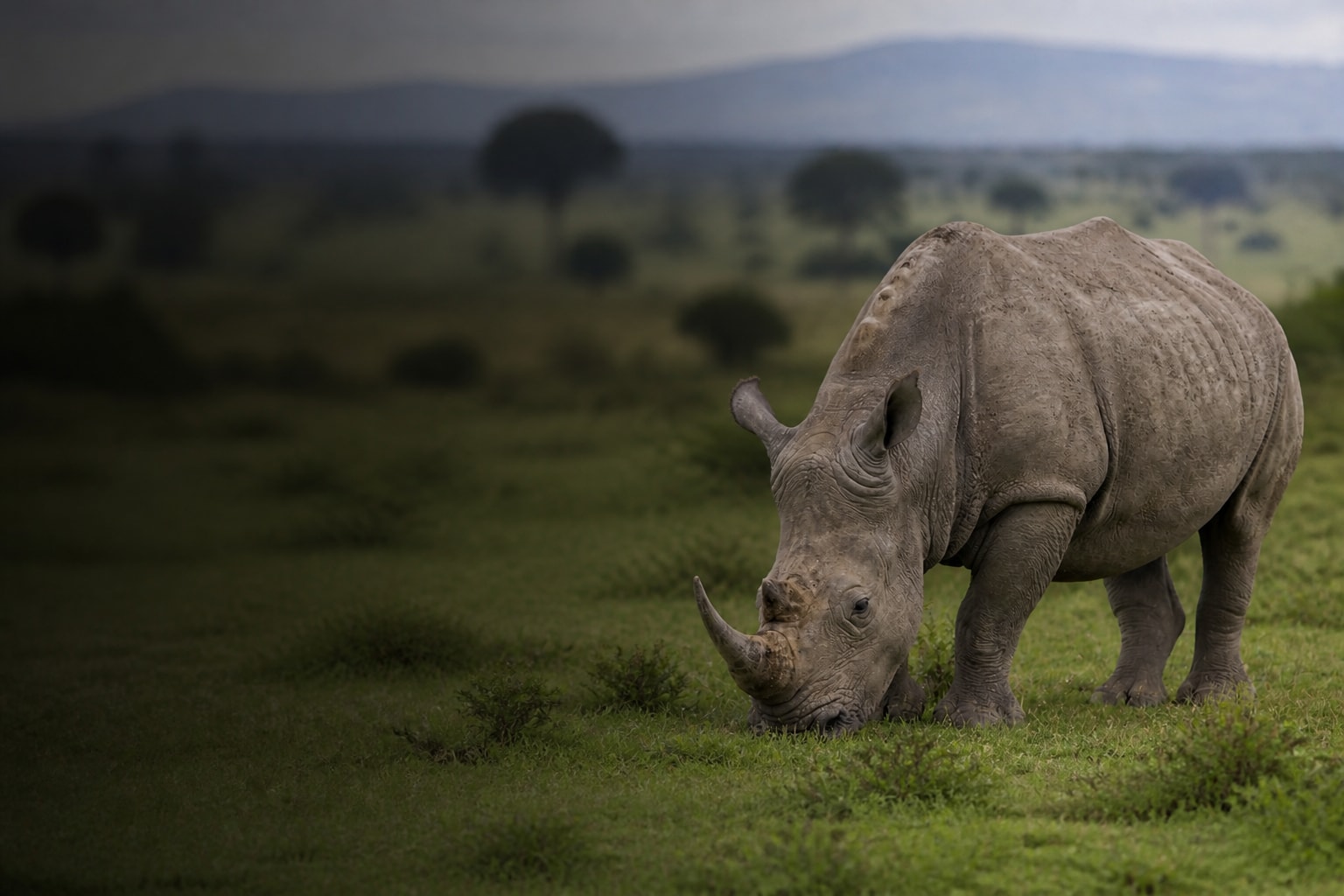
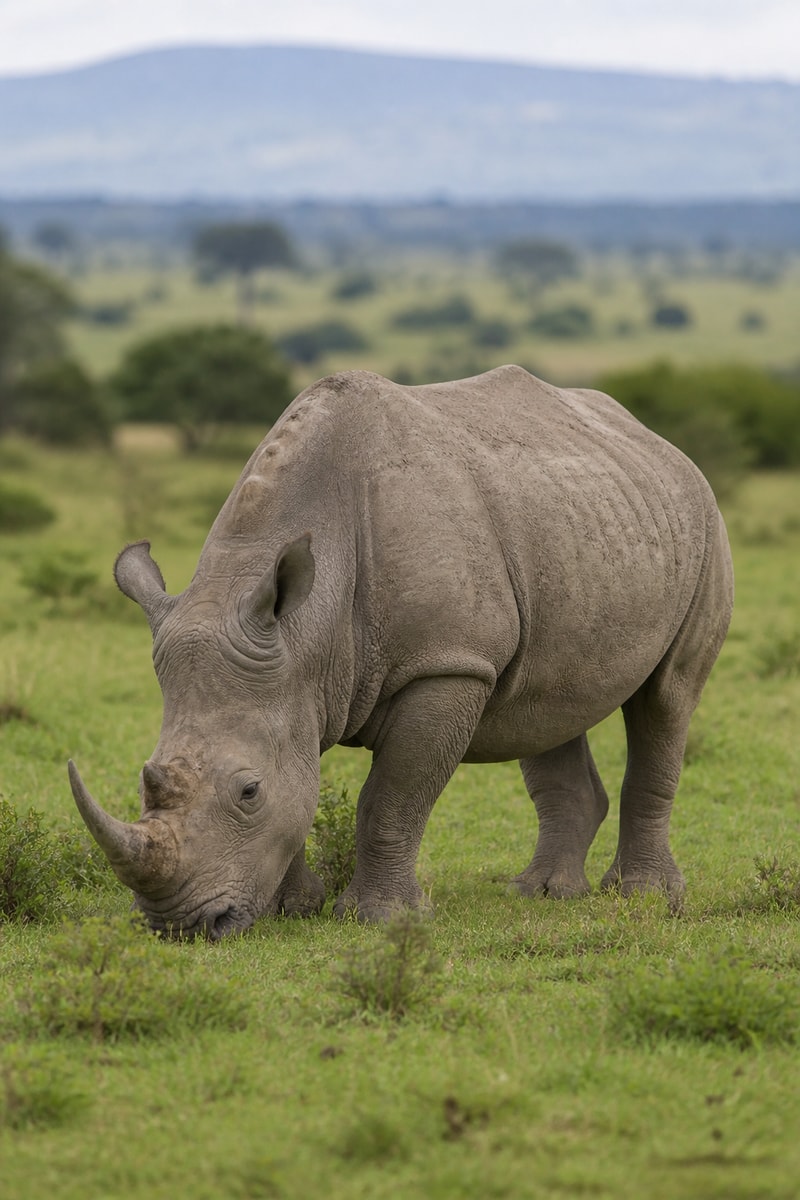
Rhinoceros in Kenya
Where to spot the rhinoceros in Kenya, and how to log the discovery in Catch'Um.
Ceratotherium simum
Finding Rhinoceros in Kenya
Looking for the rhinoceros in Kenya? Start with Lake Nakuru National Park, where access and habitat make a sighting more likely than a chance roadside glimpse.
Lake Nakuru National Park in Rift Valley is the place to begin. Flamingo-fringed lake, rhino sanctuary, and acacia woodland. Compact but spectacular. Give yourself quiet time at dawn or dusk and keep your distance.
Kenya context: Lions on the savanna, elephants at the waterhole, and the greatest wildlife show on Earth.
In Kenya, look especially around grassland, savanna, and open woodland. Those settings usually put you closest to where this species is active.
Where to spot one
Lake Nakuru National Park
Rift Valley
Flamingo-fringed lake, rhino sanctuary, and acacia woodland. Compact but spectacular.
Full species guide
Biology, interesting facts, identification, and conservation live on the Rhinoceros field guide. This page stays focused on finding one in Kenya.
Keep exploring
Keep exploring
- Rhinoceroscommon • Grassland
- Kenya26 species
- Lion in KenyaWhere to find it
- African Elephant in KenyaWhere to find it
- Zebra in KenyaWhere to find it
- Giraffe in KenyaWhere to find it
- Flamingo in KenyaWhere to find it
- Hippopotamus in KenyaWhere to find it
- Cheetah in KenyaWhere to find it
- Leopard in KenyaWhere to find it
Free on iOS
Log the Rhinoceros in Kenya
Spot one in the wild, then scan it in Catch'Um to log your common discovery.